5 Pattern Games for Calm Reactive Dog Walks (Plus 5 Calm-Down Tweaks That Actually Work)
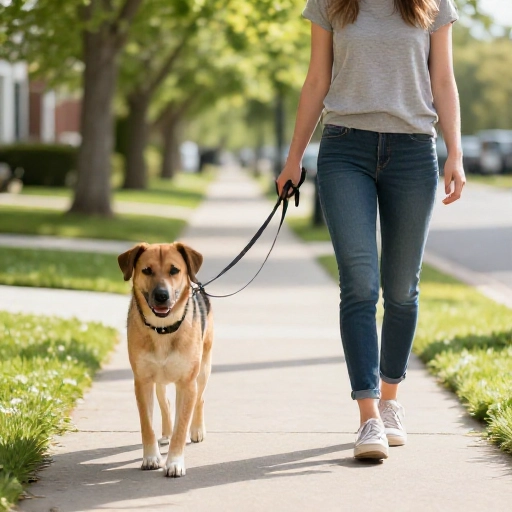
If you’ve ever walked a reactive dog, you know the feeling. Your shoulders creep up to your ears, your hand tightens on the leash, and your eyes scan the whole street like you’re a lookout on a ship. My dog Juno used to spot a trigger three blocks away, and the rest of the walk was just damage control.
What finally changed things wasn’t a firmer leash or a louder “leave it.” It was giving her a pattern. Something predictable, repetitive, and small enough that she could actually do it while her brain was buzzing.
Pattern games are little repeatable routines you run on walks. Because your dog knows the sequence, their brain gets a job instead of a panic spiral. Here are the five I use every single week, plus five extra tweaks that keep the whole thing from falling apart.
Why Pattern Games Beat “Just Keep Walking” on a Reactive Dog Walk
Most of us were taught that the goal of a walk is forward motion. Keep moving, keep the leash loose, don’t stop. But with a reactive dog, forward motion is often the exact thing driving the stress. Your dog is being pulled toward a thing they can’t handle yet.
Patterns flip that. Instead of pushing through, you give your dog a tiny job with a clear beginning, middle, and end. The job is so easy they can do it even at a 6 out of 10 on the stress scale. That’s the sweet spot where learning happens.
The other bonus is for you. A pattern gives your hands and your brain something to do besides panicking. I stopped yanking the leash the day I started counting turns instead.
Pattern Game #1: The U-Turn Ladder
This is my go-to for the “oh no, there’s a dog up ahead” moment. The pattern is simple: I say “let’s go,” I turn away, and the treat lands behind me, not in front of my dog’s face.
What makes it a ladder is the practice steps. Start in your own driveway with zero distractions. Turn, mark, reward, repeat five times. Then do it on an empty sidewalk. Then with a parked car in the distance. Then with a dog a full block away.
Each rung adds a tiny bit of pressure. If your dog nails it three times in a row, you climb one rung. If they struggle twice, you step back down. The pattern stays identical, only the scenery gets harder.
I like this one because it never feels like a punishment. My dog isn’t being dragged away from something fun. She’s being invited into a game she already knows she wins.
Pattern Game #2: The Magnet Walk
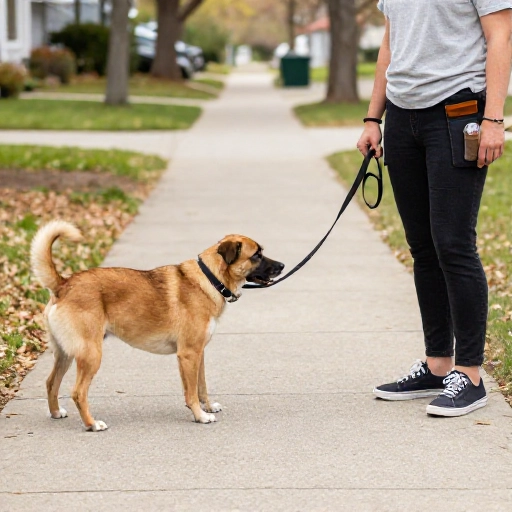
The magnet walk is about position, not distance. The goal is for your dog to drift to the far side of you when something is approaching, like a magnet pulling them away from the trigger.
I teach it at home first with a treat pouch on my right hip. Every time Juno swings to my right, a treat appears. Within a few days, right became her default spot.
On real walks, that habit means when a person or dog appears on my left, she’s already on my right. No cue needed. She just slides over, and I have a whole body between her and the scary thing.
It’s small, it’s unglamorous, and it works better than any “heel” I attempted in year one.
Pattern Game #3: The Countdown Sniff
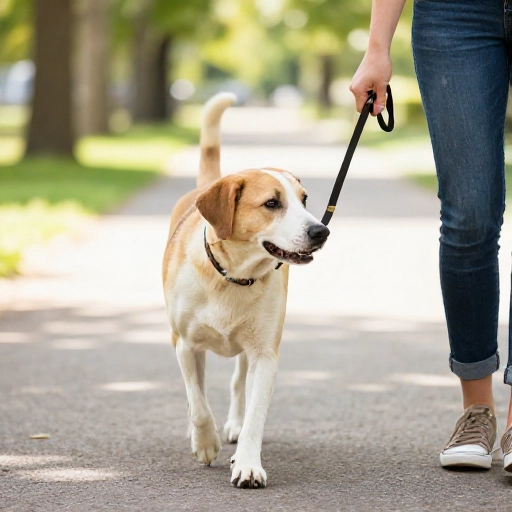
Sniffing is the fastest way to drop a dog’s heart rate. But telling a stressed dog to “go sniff” usually gets you a blank stare. So I name it and count it.
I say “three, two, one, sniff” and then scatter a small handful of treats in the grass. The counting becomes the pattern. After a couple of weeks, the word “three” alone gets Juno’s nose pointing at the ground before the treats even land.
Now when I see her locking onto something in the distance, I don’t have to wait for the explosion. I can start the countdown and her whole brain shifts down a gear.
Keep the scatter area a few feet away from your dog’s feet, not right under their nose. The little search adds an extra beat of calm.
Pattern Game #4: The Corner Reset
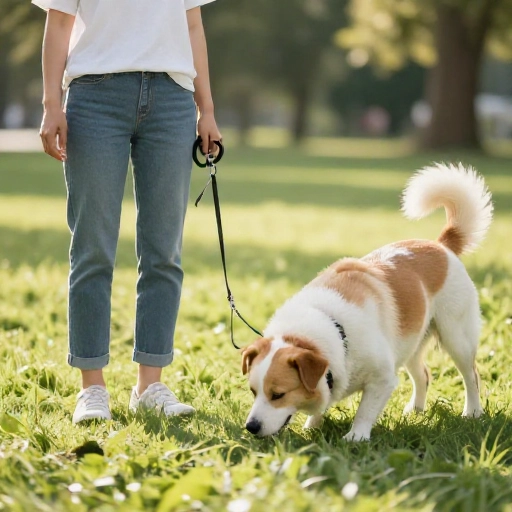
Cities and suburbs are full of free visual barriers: driveways, hedges, parked cars, the corner of a building. The corner reset uses them on purpose.
The pattern is: walk to a barrier, step behind it, stop, and stand still for a slow count of five. Then one treat, one breath, and forward again. Same corner, same count, every time.
What this gives your dog is a predictable break from scanning. They learn that when you tuck behind a car, nothing bad happens and nothing is required. It’s a mini vacation in the middle of a walk.
I plan my routes around these spots now. Two good corners on a thirty-minute loop can save the entire walk.
Pattern Game #5: The Ping-Pong Pace
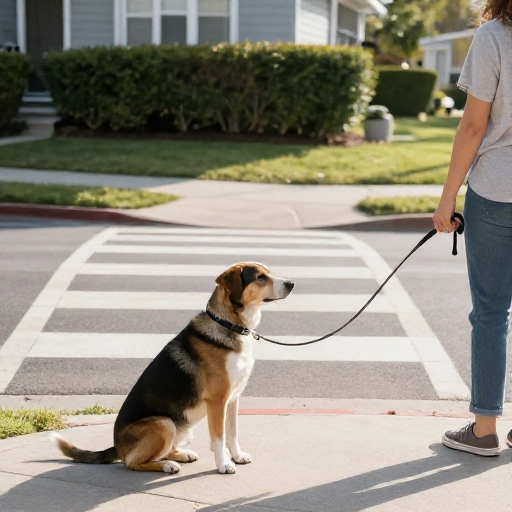
A lot of reactive dogs get stuck in a staring trance, and a steady pace feeds it. Ping-pong pace breaks the trance with speed changes.
I walk slow for maybe ten steps, then briskly for five, then slow again. The rhythm is always the same: slow, slow, quick, quick. Your dog has to keep track of you, which means they can’t fully commit to staring at the horizon.
It also works as a stress readout. If Juno can match my pace changes, she’s still with me. If she can’t, we’re too close to something and it’s time to turn.
This one is my favorite for the walk home, when everyone is tired but still a little wired.
Bonus Tweak #1: The Three-Step Check-In
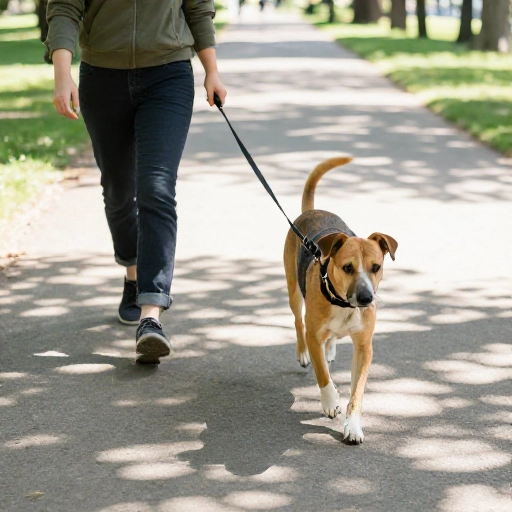
This is less of a game and more of a habit I layer on top of everything else. My dog looks at me, I take three steps, then I mark and treat.
The three steps matter. Without them, some dogs learn to stare at your face for treats instead of watching the world. With them, the check-in becomes part of the walking pattern rather than a trick that stops the walk.
I aim for five or six check-ins on a quiet stretch. If I get zero, that tells me my dog is over threshold and I should change something, not push harder.
Bonus Tweak #2: The Threshold Shuffle
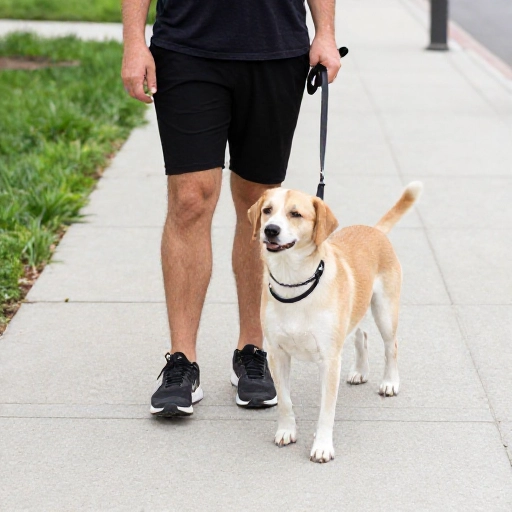
Every reactive dog has a distance where they can think clearly and a distance where they can’t. The threshold shuffle is how I find that line without crossing it.
I walk parallel to a trigger at a distance where my dog can still eat and still check in. Then I close the gap by one or two steps at a time, and back off the moment the eating gets snappy or the check-ins stop.
It looks boring. It looks like we’re doing nothing. That’s the point. You’re slowly teaching your dog’s nervous system that this distance is survivable, then quietly making the distance smaller over weeks.
Bonus Tweak #3: Practice Pattern Games Without a Trigger Around
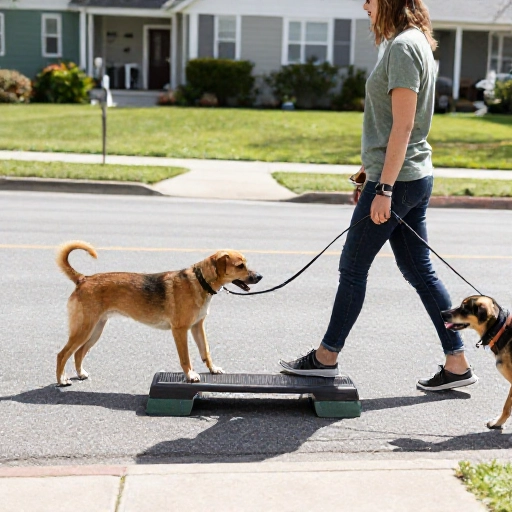
Here’s the mistake I made for months: only running pattern games when things were already going wrong. That’s like learning to swim during a storm.
Now I practice on empty streets, in my driveway, in the parking lot of a closed shop. No triggers, no pressure, just the pattern over and over until it’s muscle memory for both of us.
Five minutes of boring repetition on a Tuesday is worth more than a heroic walk on Saturday. When the real moment shows up, the pattern is already there waiting.
Bonus Tweak #4: Know What to Do When the Pattern Breaks Down
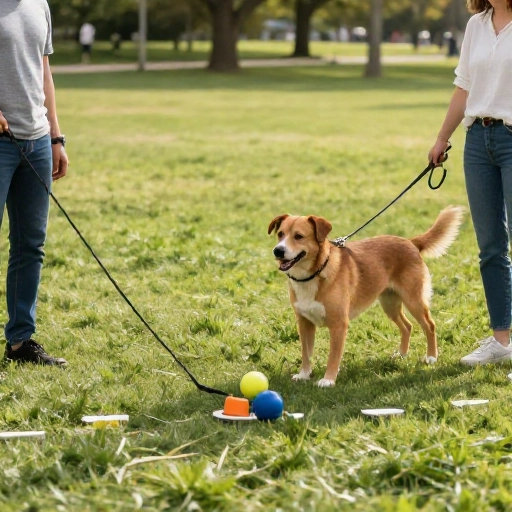
Sometimes it all falls apart anyway. Your dog goes over threshold, the treats stop working, and the pattern is gone. Have a plan for that, because it will happen.
My plan is short: create distance, scatter treats on the ground, and stand still until I see a soft eye blink or a shake-off. Then I go home by the quietest route. No corrections, no scolding, no “we’re going to finish this walk no matter what.”
The walk is not a test of willpower. It’s data. A blown walk tells me exactly which rung of the ladder I skipped, and next time I’ll practise one step easier.
Putting It All Together
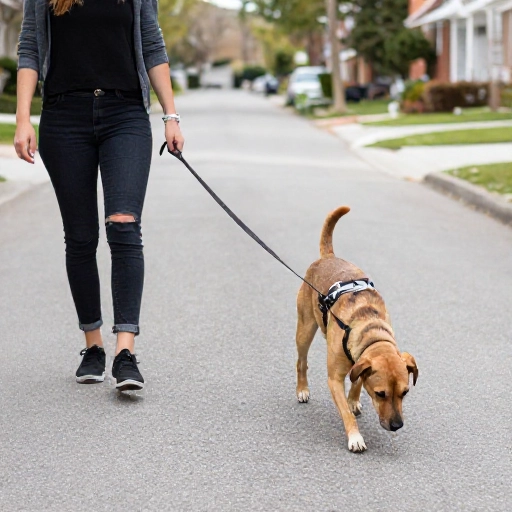
You don’t need all five pattern games at once. Pick one, run it in your driveway for a week, and let it become automatic. Then add a second one for the situations that keep tripping you up.
The real magic isn’t in any single game. It’s in the fact that your dog starts to recognize the rhythm of you. When they know what comes next, they stop bracing for the worst, and that’s when the calm shows up on its own.
Be patient with yourself too. Reactive dog walks are a long game, and every quiet block you collect is a win worth keeping score of.
FAQ: Pattern Games for Reactive Dogs
How long until pattern games actually make a difference?
Most people see small shifts in two to three weeks of consistent practice. Bigger changes usually show up around the two to three month mark, especially if you’re also managing distance well.
Can I use these if my dog is already lunging and barking?
Once a dog is fully over threshold, pattern games won’t land. In that moment, focus on creating distance and getting home safely. Practice the patterns when your dog is calm so they’re available to you next time.
What treats work best for this?
Something small, smelly, and easy to swallow. You’ll be handing out a lot of them, so cut them into pea-sized pieces and keep them in a pouch you can reach fast.
How often should I practise?
Short and often beats long and rare. Five minutes a day in a low-distraction spot is plenty, and it stacks up faster than one big weekend session.
Do pattern games replace training or a behaviourist?
They’re a great layer on top of whatever else you’re doing. If your dog is struggling badly, working with a qualified force-free trainer or veterinary behaviourist is still the smartest move.