11 Easy DIY Dog Ramp Plans for Large Dogs (That Actually Work)
If you have a big dog, you know the struggle. My Golden Retriever, Max, started struggling to jump into the car when he turned eight. I knew I needed a ramp, but store-bought ones were either flimsy or outrageously expensive. That’s when I decided to build my own.
Building a dog ramp for a large breed isn’t as hard as it sounds. You just need a solid plan, the right wood, and a weekend afternoon. These 11 plans range from super simple to slightly more advanced, but all are designed to support 50 pounds or more. Let’s get building.
1. The Foldable Car Ramp (Portable & Lightweight)
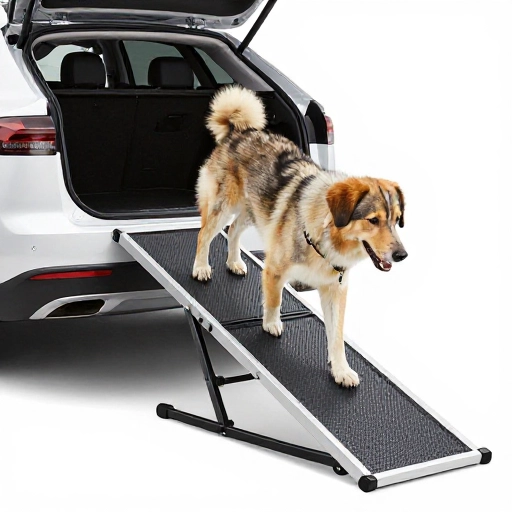
This is the first ramp I built, and it’s still my favorite. It folds in half, so you can store it in your trunk without taking up too much space. I used two pieces of ¾-inch plywood connected with heavy-duty hinges.
For traction, I glued strips of outdoor carpet on top. The trick is to add a small handle on one end so you can grab it easily. Make sure the hinges are rated for at least 100 pounds so they don’t buckle under your dog’s weight.
2. The Stair-Style Ramp (Best for Hesitant Dogs)
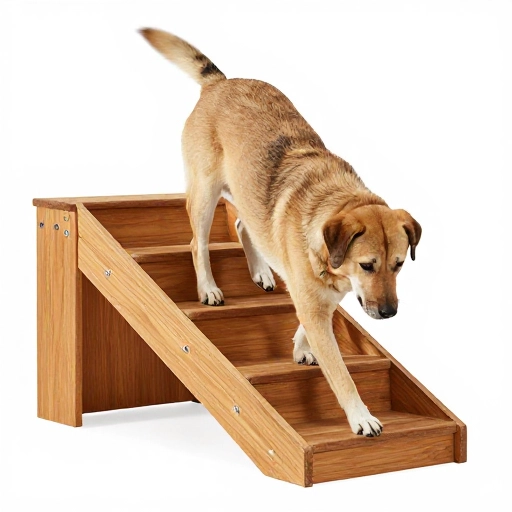
Some big dogs are scared of ramps because they feel unstable. My neighbor’s Great Dane refused to walk on a flat surface. So, I built a ramp that looks like wide, shallow stairs instead of a smooth incline.
Each step is only 2 inches tall but 12 inches deep. This gives your dog the feeling of climbing stairs while still being a gentle slope. Use 2x4s for the side rails and 1×6 boards for the step surfaces. It feels incredibly sturdy.
3. The Adjustable Deck Ramp (Multi-Purpose)
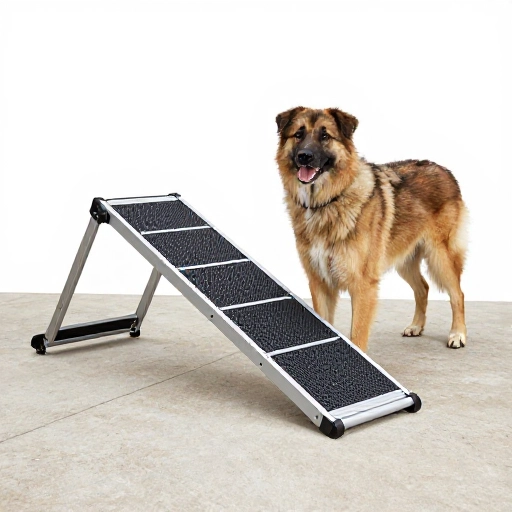
This one is perfect if your dog needs help getting onto the porch, deck, or even a high bed. I built it with a wooden frame and a plywood surface, but I added adjustable legs purchased from a hardware store.
You can raise or lower the ramp height depending on where you need it. The legs screw in and out, so you’re not stuck with one fixed height. Just make sure the bottom edge rests flat on the ground so it doesn’t wobble.
4. The Carpeted Wooden Ramp (Non-Slip & Comfy)
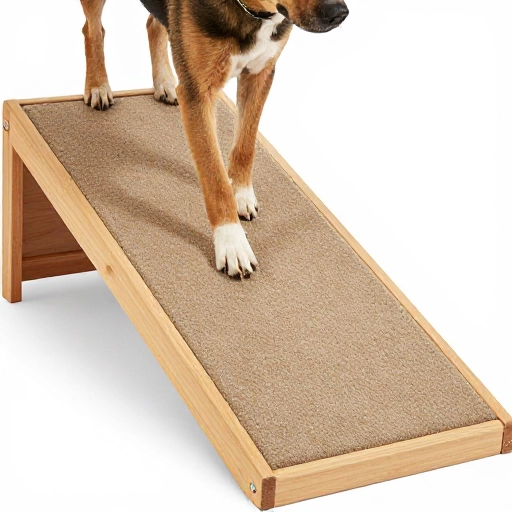
Slips are scary for senior dogs. This plan focuses entirely on traction. I used a single wide board of ½-inch plywood (24 inches wide) and covered the entire top with a heavy-duty indoor/outdoor carpet.
I stapled the carpet underneath the board so there are no edges to catch on paws. Then, I added small wooden cleats (thin strips of wood) across the ramp every 6 inches. The cleats give extra grip for paws and claws.
5. The Two-Piece Telescoping Ramp (Super Long Reach)
For SUVs or trucks, you need a longer ramp. I built a two-piece ramp where one section slides inside the other. The outer section is made from 1×6 pine boards, and the inner section is slightly narrower so it fits snugly.
A simple bolt and wing nut lock the two pieces in place when extended. This ramp can reach over 6 feet long when fully open but stores at just 3 feet. It’s a bit more work, but totally worth it for tall vehicles.
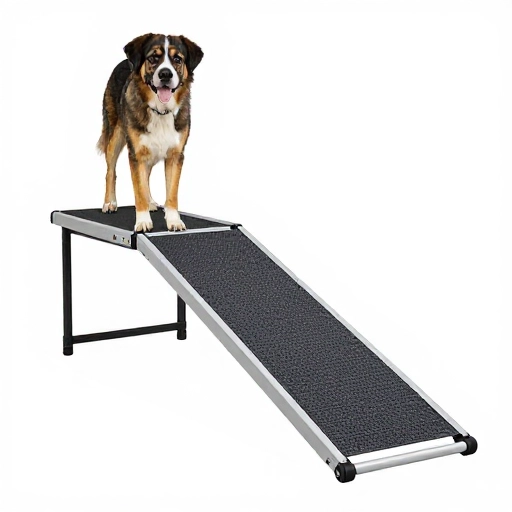
6. The Lightweight PVC Ramp (Weatherproof & Cheap)
Wood rots if left outside. If your ramp stays in the yard, PVC is a smarter choice. I built a frame using 1-inch Schedule 40 PVC pipes and used a sheet of expanded PVC (or even thick plastic grating) for the walking surface.
The frame is incredibly light—I can carry it with one finger. To add grip, I used self-adhesive anti-slip tape in long strips. This ramp weighs almost nothing, so it’s great for taking to the park or beach.
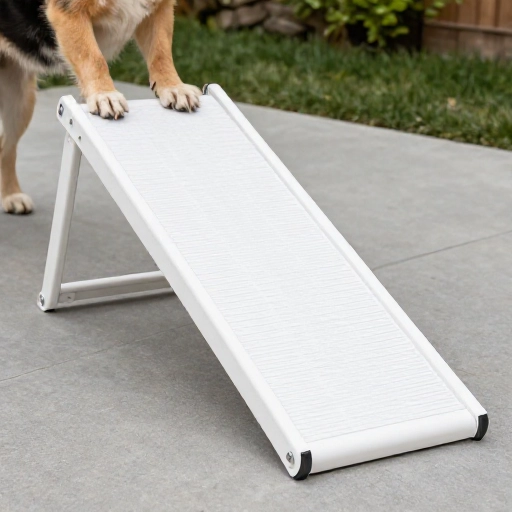
7. The Heavy-Duty Pine Ramp (Built for 150+ Pound Dogs)
If you own a Mastiff, Saint Bernard, or another giant breed, you need serious lumber. I built this one using 2×6 boards for the sides and 2×4 slats for the walking surface. No plywood here—it’s all solid wood.
I spaced the slats about ½ inch apart so water drains through if used outside. The ramp is heavy, but it does not flex at all. I added a lip at the top that hooks over the tailgate of my truck to keep it secure.
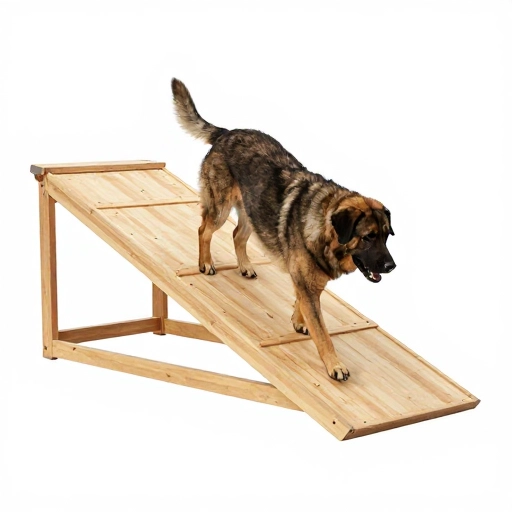
8. The Indoor Bed Ramp (Low Profile for Senior Dogs)
My old dog stopped jumping onto the couch. This ramp is only 12 inches high at the tallest point, so it takes up hardly any room. I used a single 4-foot piece of ¾-inch plywood cut into a gentle curve.
The sides have 2-inch tall rails to keep paws from slipping off. I covered it with a thin piece of foam and fabric to make it soft on old joints. It sits right next to the couch and blends in nicely.
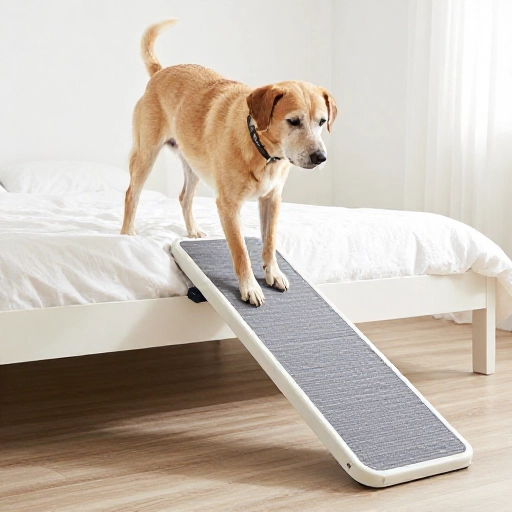
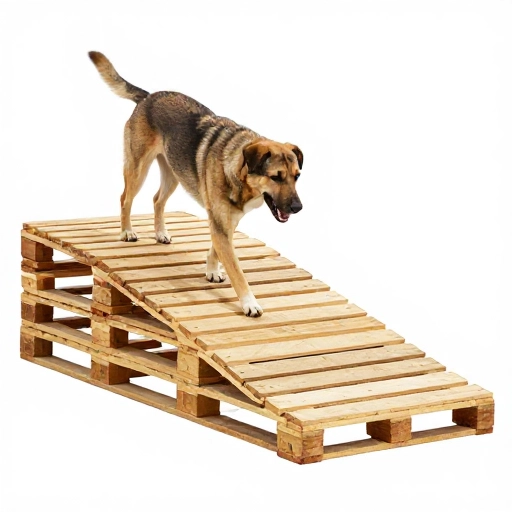
9. The Pallet Wood Ramp (Almost Free)
I’m a fan of building on a budget. I found two sturdy shipping pallets and took them apart carefully. I used the thicker planks for the ramp bed and the thinner ones for side rails and cross supports.
It took a lot of sanding to remove splinters, but the final ramp looks rustic and charming. I sealed it with outdoor wood glue and a coat of spar urethane. Total cost? About $10 for the glue and sealant.
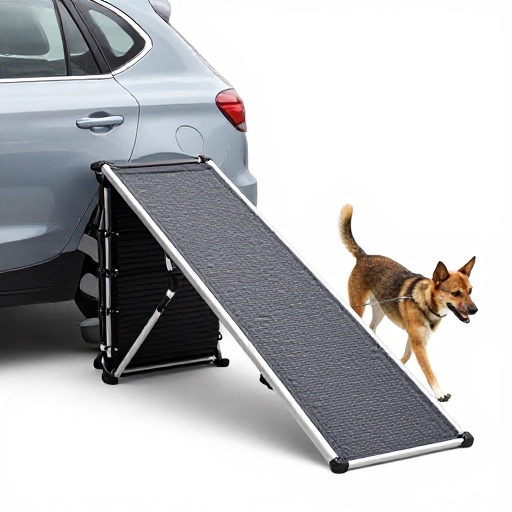
10. The Tri-Fold Travel Ramp (Fits in a Small Car)
For compact cars, a two-fold ramp might still be too long. I built a tri-fold version using three 2-foot sections of plywood connected with continuous hinges (piano hinges). It folds up into a small square.
When unfolded, it’s 6 feet long—perfect for a gradual slope. I added a nylon strap to lock it open so it doesn’t fold up when my dog walks on it. It’s thin enough to slide under the back seat.
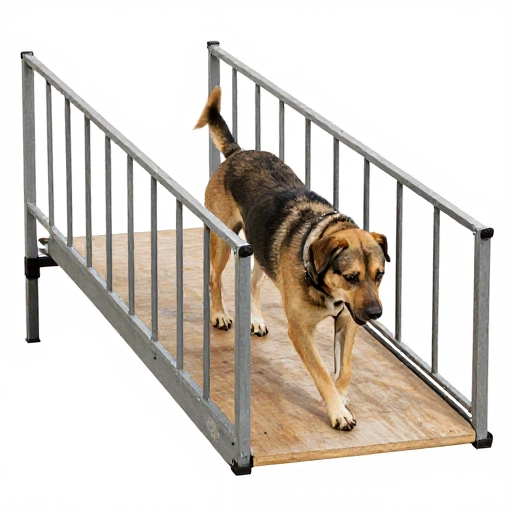
11. The Ramp with Side Rails (For Nervous Dogs)
Some dogs need that “hallway” feeling to feel safe. I built this ramp with 6-inch tall side walls made from 1×8 boards. The walking surface is 18 inches wide, and the walls are attached with screws and wood glue.
The walls give a sense of enclosure, which helps anxious dogs feel more confident. I painted the inside a dark color so it feels like a tunnel. My sister’s scared rescue dog walks up this one without hesitation.
Conclusion
Building your own dog ramp is one of the most rewarding projects you can do for your large dog. Not only do you save money, but you also get a custom fit for your specific vehicle, porch, or couch. Every dog deserves to move around without pain or fear.
Start with the simplest plan that matches your skill level. Even a basic plywood ramp with carpet can change your dog’s life. Grab your tools, measure twice, and build something your furry friend will use every single day.
Frequently Asked Questions
1. What type of wood is best for a large dog ramp?
Plywood (¾-inch or thicker) is great for the surface. For the frame, use 2×4 or 2×6 pine boards. Avoid particle board because it can’t handle moisture or heavy weight.
2. How wide should the ramp be for a large dog?
Aim for at least 18 to 24 inches wide. Large dogs need room to place their paws comfortably without feeling like they’ll fall off the edge.
3. Do I need to add traction to the ramp?
Yes, absolutely. Carpet, anti-slip tape, or wooden cleats are all good options. Smooth wood becomes dangerously slippery, especially if your dog is wet or nervous.
4. What angle is safest for a dog ramp?
Keep the angle as low as possible. A 20 to 25-degree angle is ideal. Steeper slopes are hard on joints and can make dogs reluctant to use the ramp.
5. Can I build a ramp even if I’m not good at woodworking?
Yes. Start with the simple single-piece plywood ramp. You just need a saw, drill, and screws. There are many beginner-friendly plans that require only basic cuts.