How to Stop Puppy Biting Hands (Without Losing Your Cool)
When I brought home my little furball, the first thing I noticed (after the cuteness overload) was that tiny jaws on my fingers. Puppy biting is totally normal—they explore the world with their mouths and those baby teeth need to come out. But those sharp little needles can really hurt.
I remember thinking, “Will my hands ever survive?” Spoiler: yes, they will. With patience and the right tricks, you can teach your pup that hands are for petting, not for biting. Here’s what actually worked for me and my pup.
Every puppy goes through a bitey phase. It’s not aggression, it’s just puppy life. The key is redirecting that energy in a way your dog understands. Let’s dive in.
Why Puppies Bite Hands in the First Place
Puppies use their mouths like we use our hands. It’s how they explore, play, and learn about their world. Those baby teeth (also called needle teeth for a reason) start coming in around three weeks old and fall out around four to six months.
During teething, their gums are sore and gnawing on things brings relief. Your fingers are just the perfect size and texture. It’s not personal—it’s just convenient for them.
Mouthing is also how puppies play with their littermates. If one bites too hard, the other yelps and play stops. That’s the lesson we need to teach them: humans are softer than littermates.
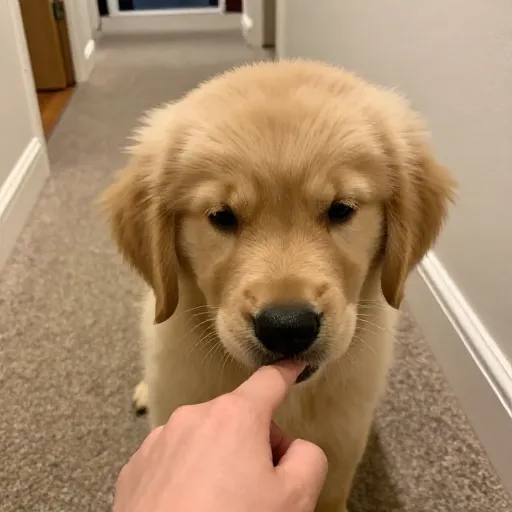
The “Ouch” Method That Really Works
This one is simple and straight from the puppy playbook. When your puppy bites your hand, let out a high-pitched yelp—like a dog would. Make it sharp and loud enough to startle them.
Immediately after, pull your hand away and stop playing. Cross your arms and ignore them for about 10 to 15 seconds. You’re showing them that biting means all the fun ends.
Most puppies get this pretty quickly. If yelping makes them more excited (some puppies get amped up by noise), just skip to the next step: freeze and ignore.
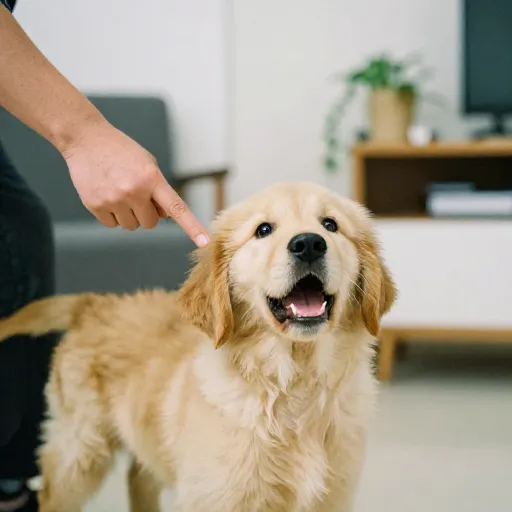
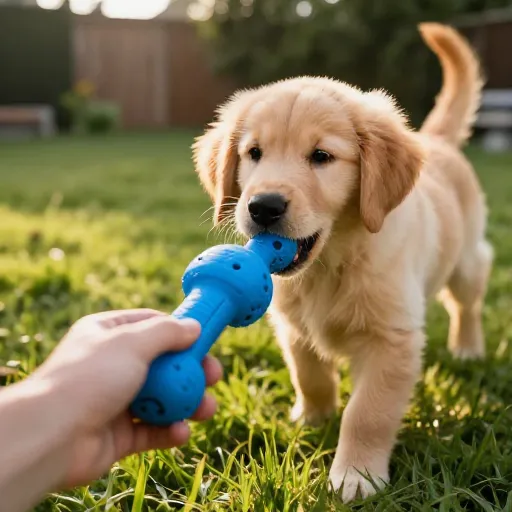
Keep a Toy Between You and Their Jaws
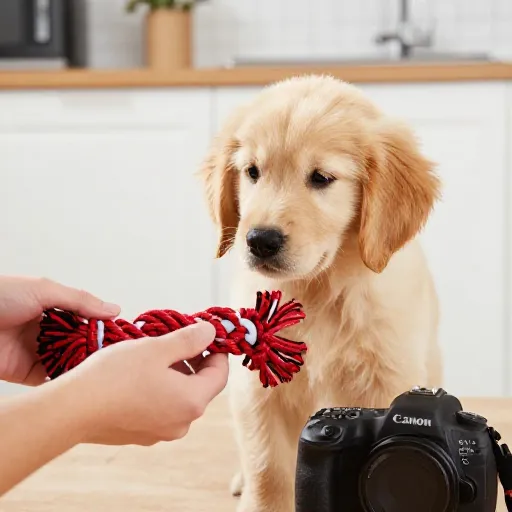
One of the simplest tricks is to always have a toy ready. Keep a soft chew toy or rope near you during playtime. When your puppy goes for your hand, redirect them to the toy instead.
Squeaky toys, rubber chews, or even a knotted sock can work wonders. Make the toy more exciting than your hand—wiggle it, squeak it, get them chasing it.
The goal isn’t just to save your fingers. It’s teaching your puppy that toys are for biting, hands are for gentle pets. This builds a habit that lasts long after teething.
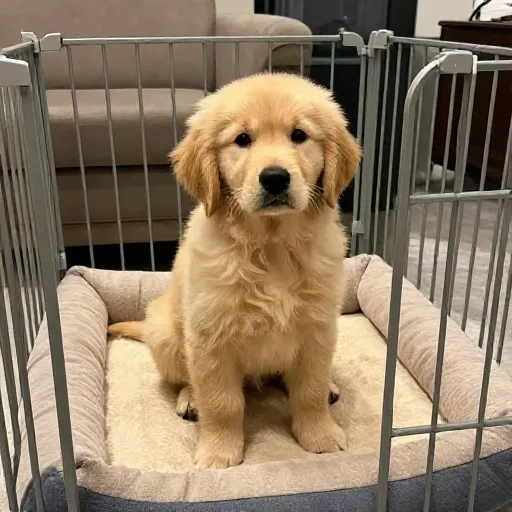
Time-Outs Work Better Than You’d Think
Sometimes a puppy just won’t stop. They’re overstimulated or extra bitey and nothing seems to help. That’s when a time-out can reset the whole situation.
If your puppy bites and keeps coming after you despite redirection, calmly stand up and step away. Walk into another room and close the door for 30 seconds. Leave them alone with no attention at all.
When you come back, stay calm and offer a toy. If they bite again, repeat. Most puppies figure out within a few days that biting leads to lonely time.
Freeze When They Go For Your Hands
Here’s a little trick that works especially well with excitable puppies. When your puppy starts mouthing your hand, stop moving completely. Zero movement. Let your hand go limp.
Puppies love chasing moving things. A still hand is boring. They’ll usually let go and look at you like “What happened?” Right then, redirect to a toy or give them a little praise for stopping.
This is especially useful for puppies that get more worked up when you try to pull your hand away. Pulling can trigger their prey drive and make them bite harder.
Teach Your Puppy “Gentle” With Treats
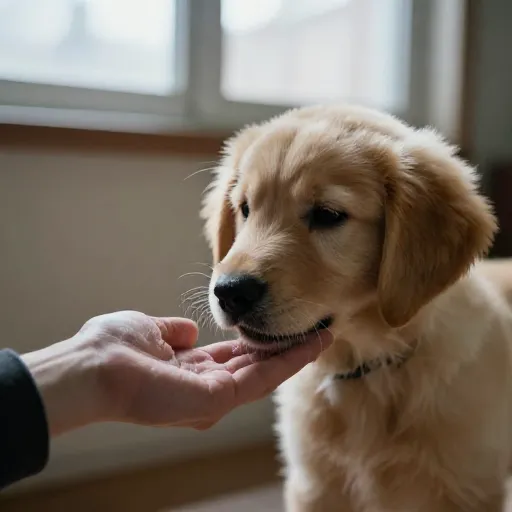
You can actually train your puppy to be gentle with their mouth. Start by putting a treat in your closed fist and letting them sniff it. The second they stop biting at your hand and sit still, say “yes” and open your hand.
If they try to lunge for the treat, close your fist again. Wait for a few seconds of calm behavior, then mark and reward. This teaches impulse control.
After a few sessions, you can move to offering treats from your open palm. This builds trust and teaches them that calm behavior gets rewards, not biting.
Watch for Overtired Puppy Meltdowns
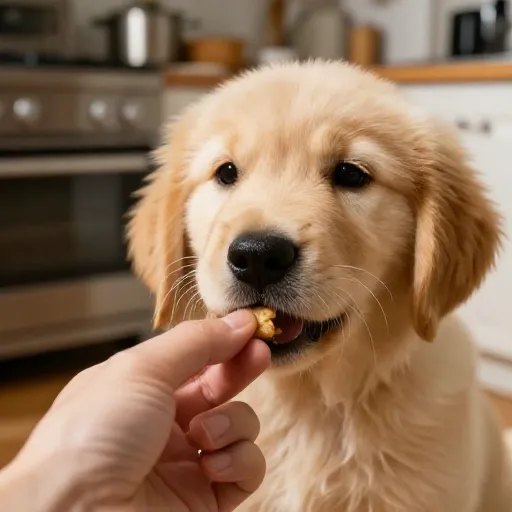
Puppy biting gets so much worse when they’re tired. Just like toddlers, puppies get cranky and overstimulated when they’ve been awake too long. That bitey, wild-eyed puppy is usually an overtired puppy.
A good rule of thumb: puppies need about 18 to 20 hours of sleep per day. After one hour awake, they should nap for about two hours. Stick to a schedule and you’ll see a big drop in biting.
When your puppy gets extra mouthy and won’t settle, try a quiet time in their crate or a dark room. A short nap can turn a land shark back into a sweet pup in no time.

Use Bitter Spray or Taste Deterrents (As a Last Resort)
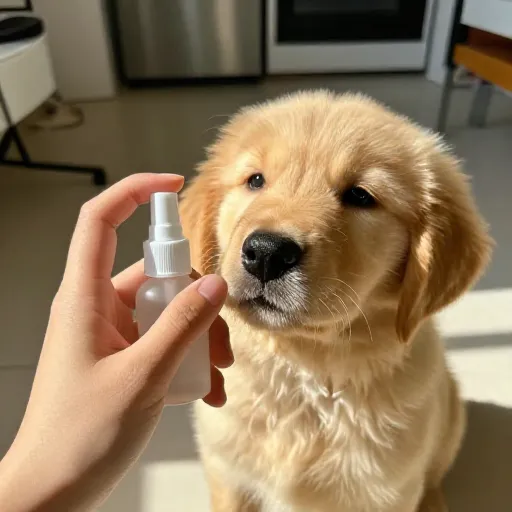
If you’ve tried everything and your puppy still loves your hands, bitter apple spray or other taste deterrents can help. Spray a little on your hands (or on areas they love to nibble) and let them discover the bad taste.
Most dogs hate the bitter flavor and will stop after one or two tries. It’s not a cure-all, but it can break the habit of hand-biting in specific moments.
Just be careful not to spray it near their eyes, and always wash your hands before eating. It’s also fine if you don’t want to use this—it’s totally optional.
Make Sure Your Puppy Gets Enough Physical Exercise
A tired puppy is a well-behaved puppy. Puppies have tons of energy, and if they don’t get a chance to run around, that energy comes out as biting. Burning off steam helps a lot.
Short walks, fetching toys in the hallway, or a quick game of tug-of-war can drain that extra energy. For smaller puppies, a few minutes of play in the yard or indoors is plenty.
Exercise also helps with teething pain. The natural movement and chewing on toys during play helps loosen baby teeth and soothe sore gums.

Be Consistent Every Single Time
The number one reason puppy biting doesn’t stop? Mixed signals. If you let your puppy mouth your hands sometimes but not others, they get confused. They don’t understand why it’s okay at one moment and not the next.
Set a rule: hands are always off-limits for biting. No exceptions. That means everyone in the house follows the same plan. Consistency is what makes training stick.
It can take a few weeks, but stick with it. Every time you redirect, yelp, or do a time-out, you’re building a pathway in your puppy’s brain. Eventually, gentle behavior becomes the default.
Final Thoughts
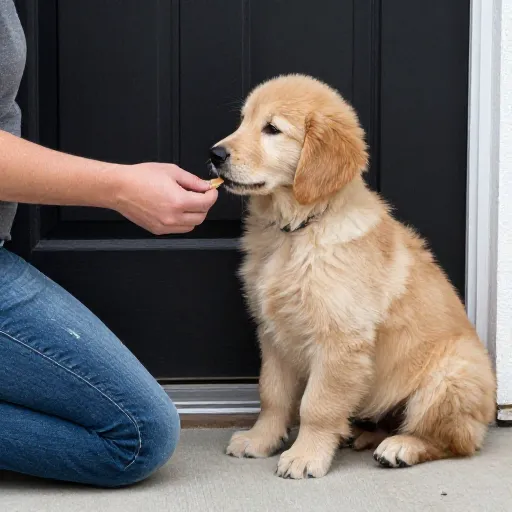
Puppy biting is one of the hardest phases of raising a dog. It’s painful, frustrating, and sometimes makes you wonder if your pup will ever be a calm adult. I promise—this stage passes.
Most puppies grow out of mouthing behavior by the time they finish teething around six to seven months. With the right training, your hands will survive the needle teeth phase. Be patient with your puppy and with yourself.
Every time you redirect and stay calm, you’re building trust and teaching your dog how to be a polite family member. That’s worth the chew marks in the short term.
Frequently Asked Questions
How long does the puppy biting stage last?
Most puppies start mouthing around 8 weeks old and continue until their adult teeth come in, usually by 6 to 7 months. With training, biting behaviors fade much faster, often within a few weeks of consistent practice.
Is it normal for my puppy to bite aggressively?
Puppy biting is usually playful, not aggressive. If your puppy growls loudly, stiffens their body, or bites hard and holds on, it’s worth consulting a trainer. But for most pups, it’s just overexcited play.
What if my puppy bites my toddler?
Supervise interactions closely. Teach your child to freeze and call for help, never run or scream. Keep a toy nearby to redirect. If biting happens often, separate them with a baby gate or crate until your puppy is older and better trained.
Should I punish my puppy for biting?
No punishment like scolding, hitting, or yelling. It can make biting worse or damage your bond. Instead, use positive methods like redirection, time-outs, and the “ouch” technique to teach gentle behavior.
When should I seek professional help for puppy biting?
If your puppy is older than 6 months and still biting hands hard, or if the biting is accompanied by aggressive body language (stiffness, deep growling, teeth baring), reach out to a certified dog trainer or behaviorist. Early help makes a big difference.