11 Must-Have Puppy Room Essentials for First-Time Dog Owners (Your Complete Checklist)
Bringing home a new puppy is one of the most exciting days, but it can also feel a little overwhelming. I remember pacing the pet store aisles, wondering if I needed a special bed or just an old towel. The truth is, setting up a cozy, safe puppy room makes the first few weeks so much smoother.
Whether you’re crate training or letting your pup roam a designated space, having the right gear helps your new best friend feel secure. I’ve gathered my top 11 essentials that every new owner needs. Let’s get your puppy’s corner ready for all the cuddles and chaos ahead.
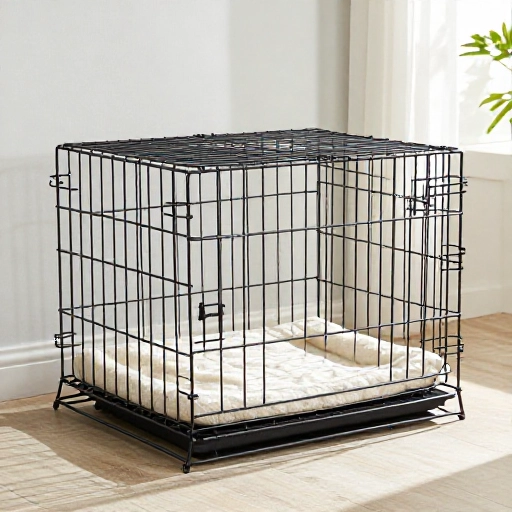
1. A Sturdy Crate That Doubles as a Den
A crate isn’t a cage—it’s your puppy’s private sanctuary. Choose one with a divider panel so it can grow with your dog. This helps with potty training because puppies naturally avoid sleeping where they eat or go potty.
I recommend a wire crate for airflow and visibility, but plastic airline-style crates can feel cozier for anxious pups. Make sure it’s big enough for your dog to stand, turn around, and lie down flat.
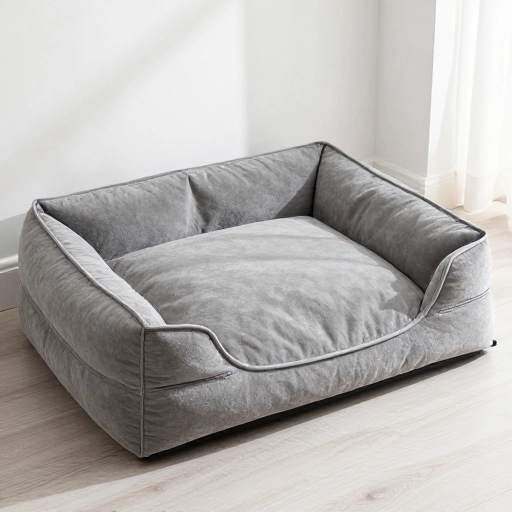
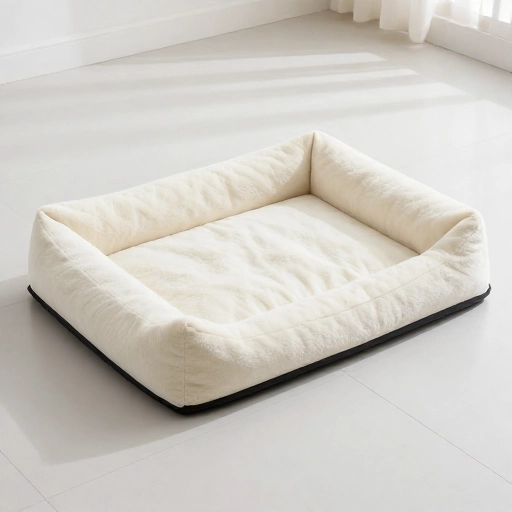
2. Washable, Chew-Proof Dog Bed
Your puppy will test everything with their teeth, including their bed. Look for a bed with a removable, machine-washable cover. Trust me, you’ll be washing it every few days at first.
I love beds with a raised rim—they give puppies a sense of security and a place to rest their head. Avoid thick memory foam until your pup is past the destructive teething stage.
3. High-Quality, Soft Puppy Pads
Even if you plan to do all potty training outside, puppy pads are a lifesaver for rainy nights or when you’re stuck in a meeting. Get the extra-large, super-absorbent kind with a built-in attractant scent.
- Place them far from the food and water bowls.
- Change them immediately after use to avoid confusion.
- Gradually move them closer to the door as your pup learns.
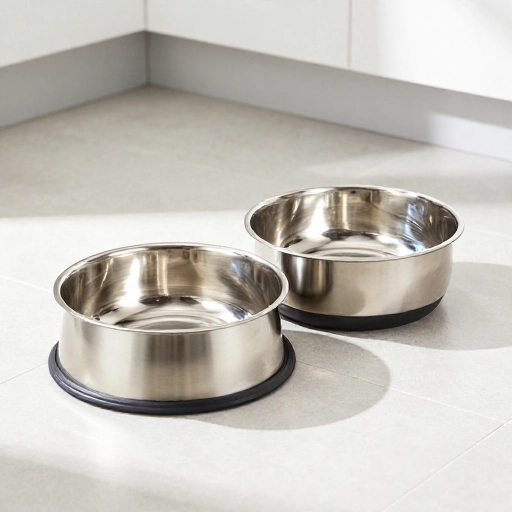
4. Indestructible Food and Water Bowls
Plastic bowls can get chewed up and harbor bacteria. Go for stainless steel or heavy ceramic. A non-slip, weighted bowl is even better if your puppy likes to push things around.
I also recommend a slow feeder bowl if your pup inhales their food like a vacuum. It prevents bloating and makes mealtime last longer, which is great for training.
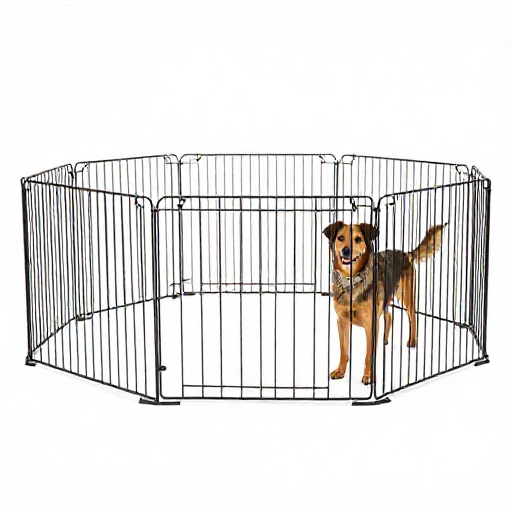
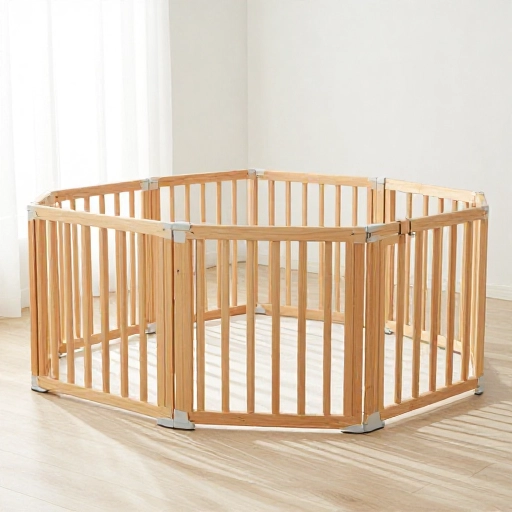
5. A Puppy-Proofed Playpen or Gate
A playpen gives your puppy more room than a crate but keeps them safe from stairs, cords, and shoes. I use a freestanding metal pen that folds up easily.
This is perfect for times when you need to step away but don’t want to crate them. It also helps teach boundaries without constant supervision.
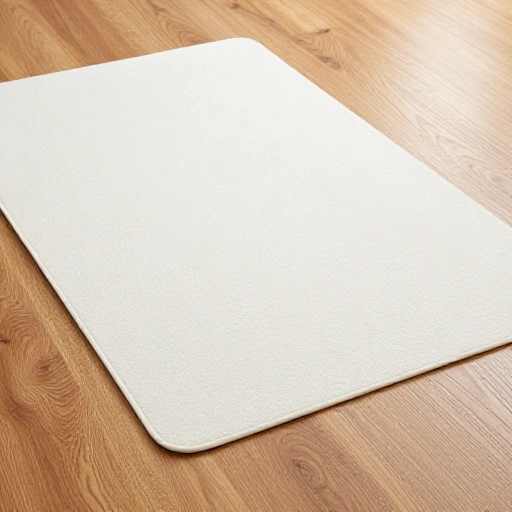
6. Soft, Absorbent Training Mats
These are different from potty pads. Training mats are washable rugs that go under the crate or playpen to catch spills and muddy paws. They also add warmth and quiet to the room.
I buy a few cheap, textured mats that I can rotate while one is in the wash. Avoid fluffy shag rugs—they’re a nightmare to clean puppy accidents from.
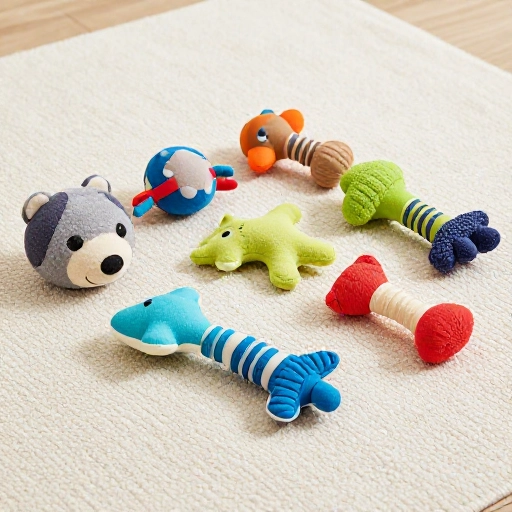
7. A Collection of Safe Chew Toys
Puppies explore the world with their mouths. If you don’t give them acceptable things to chew, they’ll find your furniture or shoes. Stock up on a variety of textures: rubber, rope, and soft plush.
- Freeze a rubber toy filled with peanut butter for teething relief.
- Rotate toys every week to keep them interesting.
- Always supervise with stuffed toys to prevent swallowing fluff.
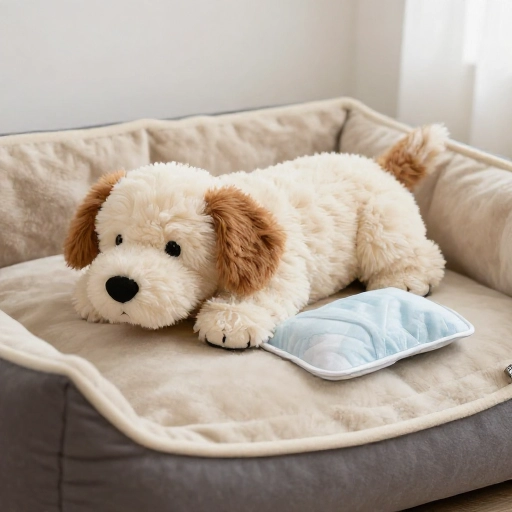
8. A Calming Snuggle Puppy or Heat Pack
The first few nights away from their mom and littermates can be scary. A snuggle toy with a battery-powered heartbeat or a microwavable heat pack mimics the warmth of a litter.
I wrapped a ticking clock in a towel and placed it near my puppy’s bed for the first week. It worked like magic. This small comfort helps reduce crying and anxiety.
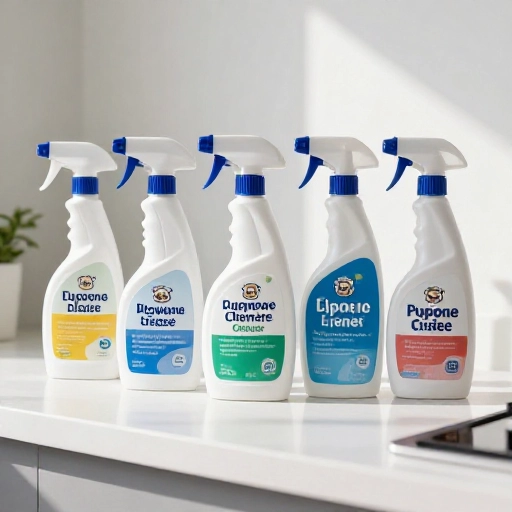
9. Puppy-Safe Cleaning Supplies
Accidents happen—a lot. You need an enzymatic cleaner that breaks down urine proteins, not just covers the smell. Regular cleaners won’t stop your puppy from returning to the same spot.
Keep a roll of paper towels and a spray bottle of enzyme cleaner in the puppy room at all times. The quicker you clean, the better the habit.
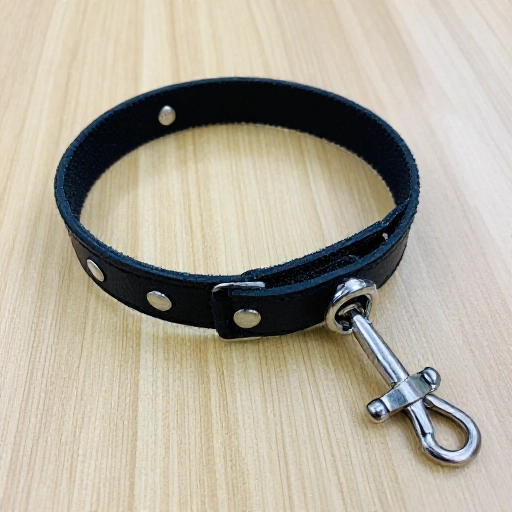
10. A Simple, Adjustable Collar and Leash
Even if your puppy isn’t ready for walks yet, they need to get used to wearing a collar. Choose a lightweight, breakaway collar for safety. Attach a tiny ID tag from day one.
I keep a short leash hooked near the puppy room door for quick potty trips. It’s easier than fumbling for supplies when you’re half asleep at 2 AM.
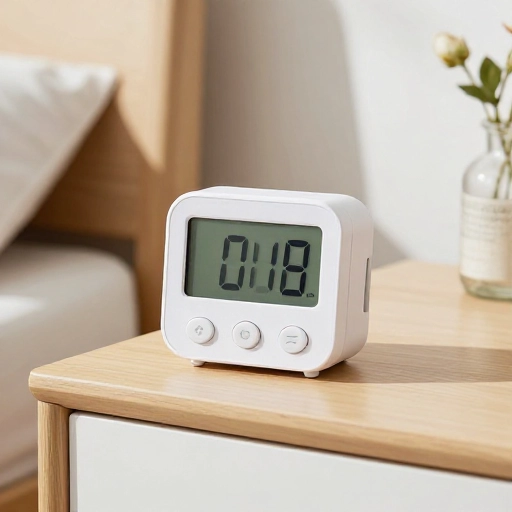
11. A Digital Timer or White Noise Machine
Puppies thrive on routine. A timer helps you stick to feeding and potty schedules. A white noise machine or a simple fan can drown out scary sounds like thunder or the garbage truck.
I use a cheap kitchen timer set for 15-minute intervals during potty training. The white noise also signals “nap time” and helps my puppy settle down faster.
Conclusion: Your Puppy’s Room, Their Safe Haven
Setting up a puppy room doesn’t have to be fancy or expensive. The goal is to create a space that feels safe, predictable, and full of love. Each of these essentials serves a real purpose, from potty training to teething to bedtime cuddles.
Remember, your puppy is learning everything for the first time. Your patience and these simple tools will turn a chaotic beginning into a beautiful bond. Enjoy every sloppy kiss and clumsy step—you’ve got this.
Frequently Asked Questions
1. Where should I put the puppy room in my house?
Pick a quiet corner away from heavy foot traffic, like a spare bathroom, laundry room, or corner of the living room. It should be easy to clean and close to a door for quick potty breaks.
2. Do I really need a crate AND a playpen?
Not necessarily, but having both is convenient. The crate is for sleeping and alone time, while the playpen gives more space for play when you’re nearby. Many owners start with just a crate and add a pen later.
3. How often should I wash the puppy bed and mats?
Wash the bed cover at least once a week, or immediately after any accident. Training mats can be vacuumed daily and washed every few days. Cleanliness helps with potty training and prevents odors.
4. What if my puppy chews on their bed or crate?
That’s normal. Redirect them to a chew toy immediately. For heavy chewers, look for “chew-proof” beds with Kevlar lining or skip the bed entirely until teething is over. Always supervise new bedding.
5. Can I skip the white noise machine?
Yes, but it helps a lot. A simple fan, a phone app with lullabies, or even leaving the TV on low volume can achieve the same calming effect. It’s all about creating a consistent, soothing sound environment.