Why Does My Siamese Cat Bite So Much? (And How to Stop It)
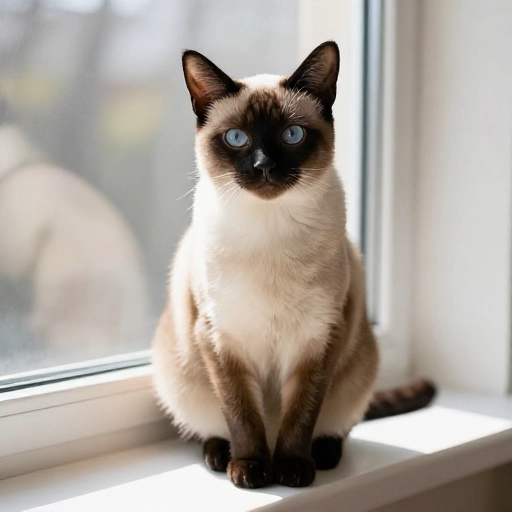
I have to admit, when I first brought home my Siamese cat, Luna, I was completely charmed by her big blue eyes and chatty personality. But then came the bites. Not the gentle nibbles, but the sudden, seemingly out-of-nowhere chomps that left me wondering what I did wrong. If you’re reading this, you’re probably in the same boat—loving your Siamese to pieces but tired of being used as a chew toy.
The good news? This behavior is almost never mean. Siamese cats are famously vocal, intelligent, and sensitive. Their biting is often a form of communication, play, or even affection. Once you understand the “why,” you can gently guide them toward better habits. Let’s dive into the most common reasons your Siamese might be biting too much and what you can do about it.
1. The “Love Bite” That Goes Too Far
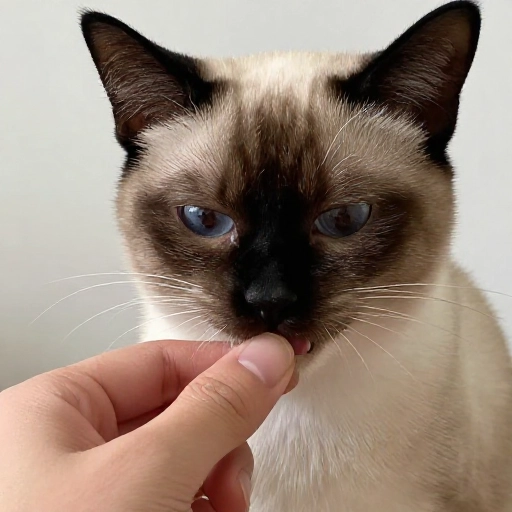
Siamese cats are known for being incredibly affectionate, sometimes to the point of being clingy. They love to knead, lick, and gently nibble on their favorite humans. This is often called a “love bite” or a “grooming bite.” It’s usually soft and doesn’t break the skin.
But sometimes, that gentle nibble turns into a harder pinch because your cat is simply overstimulated. They get so lost in the happy feeling of being petted that they don’t know how to turn off the switch. It’s like a happy hiccup that ends in a chomp.
- Watch for tail twitching or ear flattening—that’s the warning sign.
- If they bite hard during petting, stop and give them space for a few minutes.
- Try petting them in shorter sessions to prevent overstimulation.
2. They’re Bored and Want You to Play
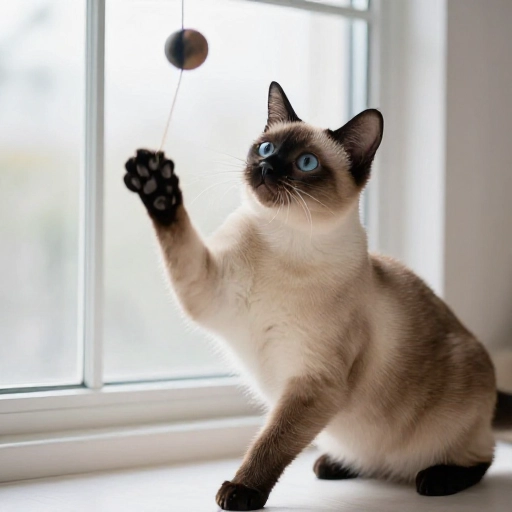
Siamese cats are the intellectuals of the cat world. They need mental and physical stimulation every single day. If they’re bored, they won’t just sit quietly—they’ll find a way to get your attention, and a quick bite on the ankle or hand is a very effective method.
This bite isn’t aggressive. It’s more like a tap on the shoulder saying, “Hey, I’m bored! Throw the toy!” If you’ve been sitting at your desk for a while and suddenly feel a nip, it’s probably a play invitation.
- Invest in puzzle feeders and interactive toys like wand toys.
- Schedule two dedicated play sessions of 15–20 minutes each day.
- Rotate their toys weekly to keep things fresh and exciting.
3. Teething Pain in Kittens
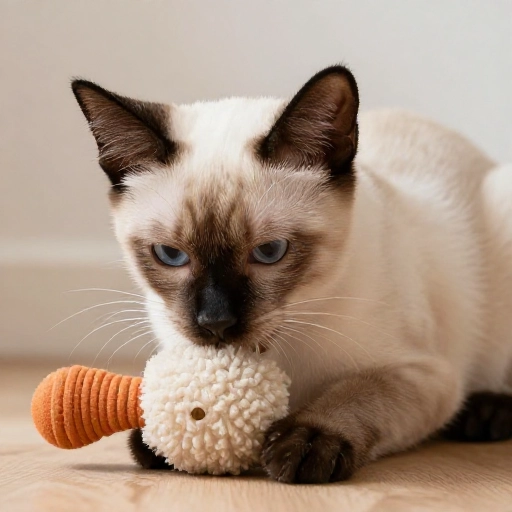
If you have a young Siamese kitten, biting is almost certainly related to teething. Just like human babies, kittens go through a phase where their gums are sore and they need to chew on things to relieve the pressure. Your fingers and toes are just convenient (and warm) teething rings.
This phase usually peaks around 4 to 6 months of age. The good news is that it’s temporary. The bad news is that you need to redirect this behavior before it becomes a habit.
- Offer cold, soft chew toys or a damp, frozen washcloth for them to gnaw on.
- Never use your hands as toys. Always use a toy to play.
- Be patient. This phase will pass, but consistency is key.
4. Overstimulation From Too Much Petting
This is a very common reason for Siamese bites. They love being petted, but they have a low tolerance for prolonged touch. What starts as a purring, happy cat can turn into a biting one in a split second. This is often called “petting-induced aggression.”
The cat isn’t being mean. They are simply saying, “Enough is enough.” The bite is their way of setting a boundary. It’s our job to learn their limits and respect them.
- Learn your cat’s “petting threshold.” Stop petting before they get agitated.
- Focus on petting the head, chin, and cheeks—avoid the belly and tail base.
- If they bite, calmly stand up and walk away. This teaches them that biting ends the fun.
5. They’re Feeling Anxious or Stressed
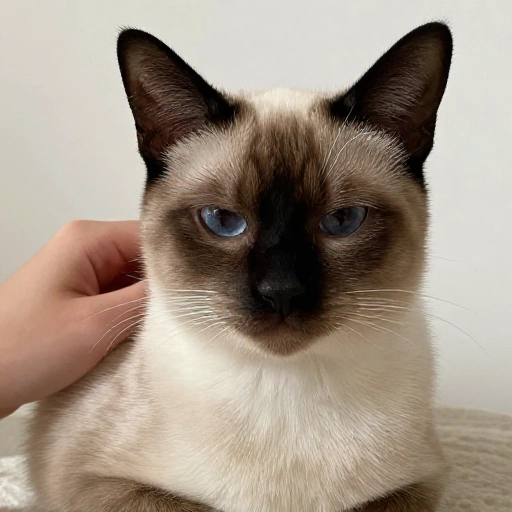
Siamese cats are very sensitive to their environment. Changes like a new pet, a move, loud noises, or even a change in your work schedule can make them anxious. Biting can be a way to release that nervous energy or to communicate their distress.
You might notice other signs of stress like hiding, excessive meowing, or changes in appetite. If the biting seems to come from a place of fear or nervousness, you need to address the root cause of the stress.
- Create safe, quiet spaces for your cat to retreat to, like a cat tree or a cozy bed.
- Use calming pheromone diffusers (like Feliway) in the rooms they spend the most time in.
- Maintain a consistent daily routine for feeding and playtime.
6. They’re Trying to Play Rough
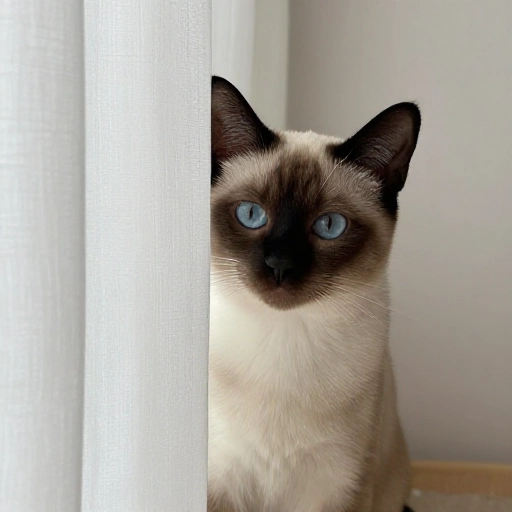
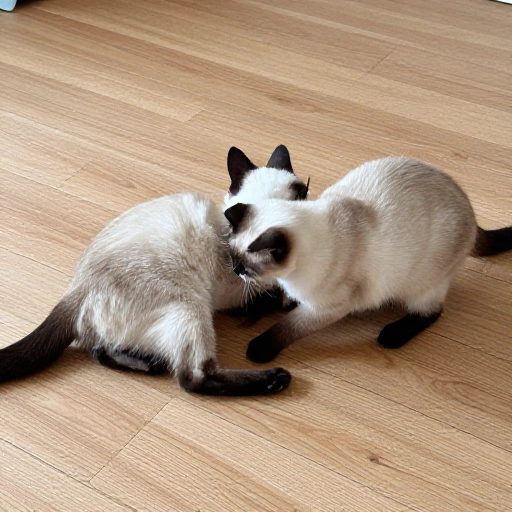
Siamese cats are natural hunters. They love to stalk, pounce, and wrestle. If you’ve ever played with them using your hands or feet, you’ve accidentally taught them that human body parts are acceptable toys. This is a hard habit to break, but it’s very fixable.
When they bite your hand during play, they aren’t being aggressive—they’re just playing the way they would with a littermate. But to us, it hurts. You need to teach them a new, gentler way to play.
- Always use a wand toy or a stuffed toy to play, never your hands.
- If they bite your hand, make a high-pitched “ow!” sound and stop all play immediately.
- Then, walk away for 30 seconds. This teaches them that biting ends the game.
7. They Want Your Attention (On Their Terms)
Siamese cats are masters of communication. They have a loud, distinctive meow and they aren’t afraid to use it. But if meowing doesn’t get your attention, a quick nip often does. They learn very quickly that biting makes you look at them, talk to them, or even pet them.
This is a learned behavior. If you’ve ever reacted to a bite by giving them attention (even negative attention), you’ve reinforced the behavior. They now know that biting = human interaction.
- Ignore the biting completely. Don’t look, talk, or touch. Just turn away.
- Reward them with attention only when they are calm and gentle.
- If they bite, get up and leave the room for a minute. This is a powerful message.
8. Redirected Aggression
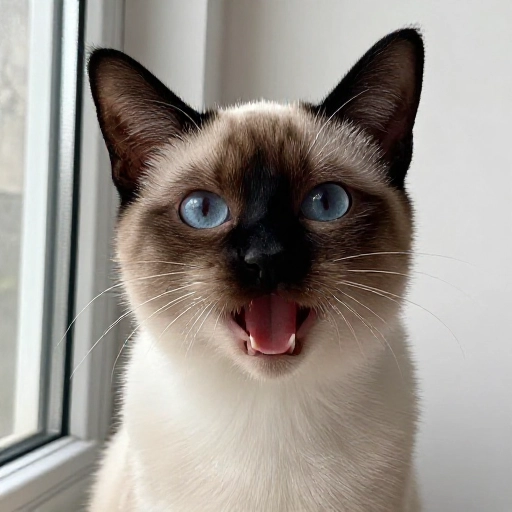
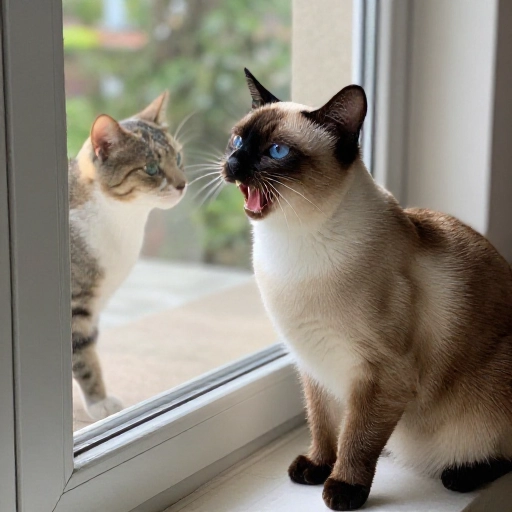
This happens when your cat is upset by something they can’t reach—like a bird outside the window or another cat in the yard. They get all worked up with no outlet for that energy, so they take it out on the nearest moving thing: you. It’s not personal, but it can be startling.
You might notice your cat staring intensely out the window, tail twitching, before suddenly turning and biting your leg. They are literally “redirecting” their hunting frustration onto you.
- Block the view of outside triggers with curtains or window film.
- If you see them getting agitated, distract them with a toy or a treat.
- Give them a high perch where they can watch the world safely.
9. They’re Not Feeling Well
Sometimes, biting is a sign of pain or discomfort. If your normally sweet Siamese suddenly starts biting more frequently or more aggressively, it’s worth considering a health issue. Dental problems, arthritis, or skin allergies can make a cat irritable and more likely to bite.
If the behavior change is sudden or if you notice other symptoms like lethargy, hiding, or changes in litter box habits, a vet visit is a good idea. Your cat might be trying to tell you that something hurts.
- Check their mouth for red gums or bad breath (signs of dental pain).
- Feel their body gently for any sore spots or sensitivity.
- Schedule a vet checkup to rule out any underlying medical causes.
10. They’re Just Being a Siamese
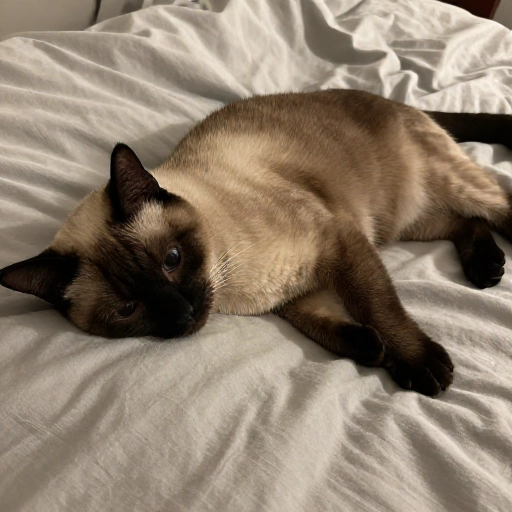
Finally, let’s be real. Some of this is just the Siamese personality. They are a vocal, active, and opinionated breed. They are not a “quiet lap cat” in the traditional sense. They are more like a dog in a cat’s body—they want to be involved in everything you do, and they have their own ideas about how things should go.
A little nibbling is often just part of the package. It doesn’t mean they don’t love you. In fact, it usually means they love you so much they want your full, undivided attention. The key is to channel that energy into positive interactions.
- Embrace their talkative and playful nature.
- Provide plenty of climbing spaces and interactive puzzles.
- Accept that a gentle love nibble is their way of saying “you’re mine.”

Conclusion
Living with a Siamese cat is a joy, but it comes with its own unique set of challenges. Biting is usually not a sign of aggression—it’s a sign of communication, playfulness, or overstimulation. By learning to read your cat’s body language and respecting their boundaries, you can dramatically reduce those unwanted nips.
Remember, patience and consistency are your best tools. Your Siamese is smart and will learn quickly if you teach them gently. With a little understanding and a lot of playtime, you and your blue-eyed friend can have a wonderful, bite-free (mostly) relationship.
[[IMG:IMG12]]
FAQ: Siamese Cat Biting
Q: Is it normal for Siamese cats to bite more than other breeds?
Yes, Siamese cats are generally more vocal and interactive, which can include more nipping. It’s often a form of communication or play, not aggression.
Q: How do I stop my Siamese kitten from biting my hands?
Never use your hands as toys. Redirect them to a wand toy or a soft chew toy. If they bite, make a sharp “ow” sound and stop playing for a moment.
Q: Why does my Siamese cat bite me when I’m petting her?
This is usually overstimulation. She loves being petted but has a low tolerance. Watch for tail twitching and stop petting before she gets overwhelmed.
Q: Should I punish my cat for biting?
No. Punishment (like yelling or spraying water) can make them anxious and worsen the behavior. Instead, use positive reinforcement and redirection.
Q: When should I be worried about biting?
If the biting is sudden, aggressive, and accompanied by other signs like hiding, hissing, or changes in appetite, consult your vet to rule out pain or illness.
[[IMG:IMG13]]