How to Support Cat Urinary Problems
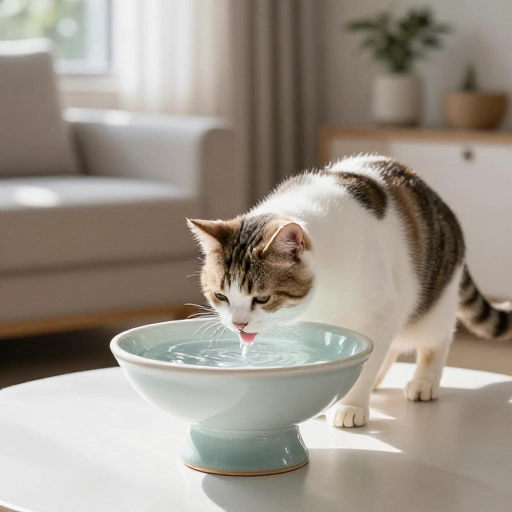
When my cat started visiting the litter box over and over without producing much, I knew something was off. Urinary issues in cats are scary, but they’re also something we can manage at home with the right steps. If your feline friend is struggling, you’re not alone—and there’s a lot you can do to help them feel better.
The key is to act fast, stay calm, and make small changes that support their urinary tract health. I’ve learned these tips through experience and research, and they’ve made a real difference for my own cat. Let me share what’s worked for us.
Remember, always check with your vet first. But once you have the all-clear, these ideas can help your cat heal and prevent future flare-ups.
1. Switch to Wet Food Immediately
Dry kibble is low in moisture, which can make urine more concentrated and irritating. Wet food adds water directly to your cat’s diet, helping flush their system naturally.
Look for high-moisture, grain-free options. Even adding a spoonful of warm water to their current wet food helps. My cat loves the extra broth—it’s like a little soup for them.
This simple swap can reduce crystals and keep things moving smoothly. Aim for at least 50% wet food in their daily meals.
2. Increase Water Intake Creatively
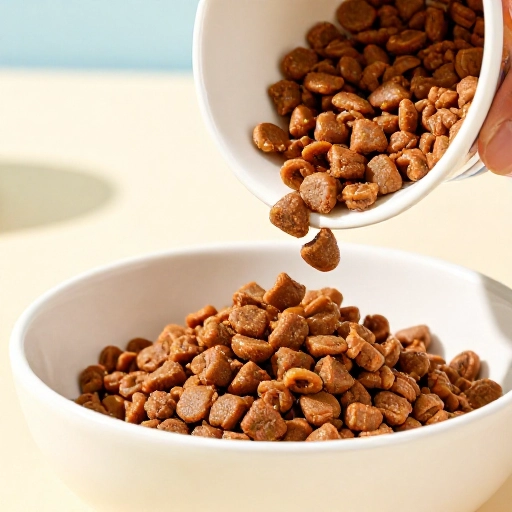
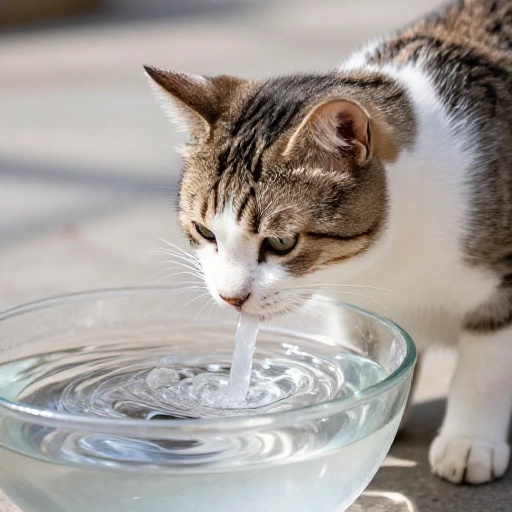
Cats are picky drinkers. They often don’t drink enough from a bowl. I’ve found that placing multiple water sources around the house encourages more sipping.
Try a ceramic fountain—many cats love moving water. You can also drop ice cubes made from low-sodium chicken broth into their bowl. Just make sure there’s no onion or garlic in the broth.
Another trick: leave small bowls of water in quiet spots, away from their food. Cats instinctively prefer separated water sources.
3. Reduce Stress in Their Environment
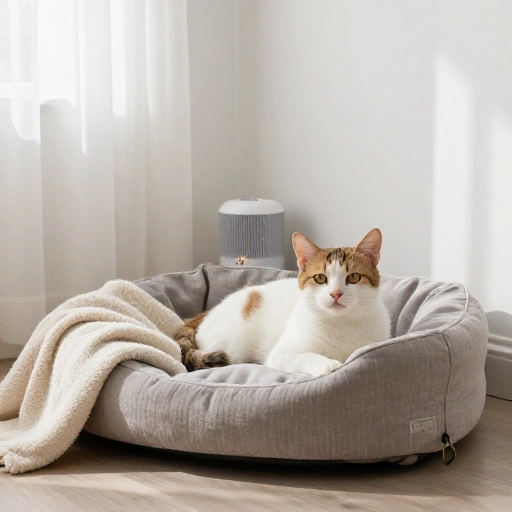
Stress is a major trigger for urinary problems. When my cat was anxious, she’d hold her pee too long, which made everything worse. Creating a calm home is essential.
Give your cat high perches, hiding spots, and a consistent routine. Use pheromone diffusers like Feliway—they really help. Also, avoid sudden changes in furniture or new pets if possible.
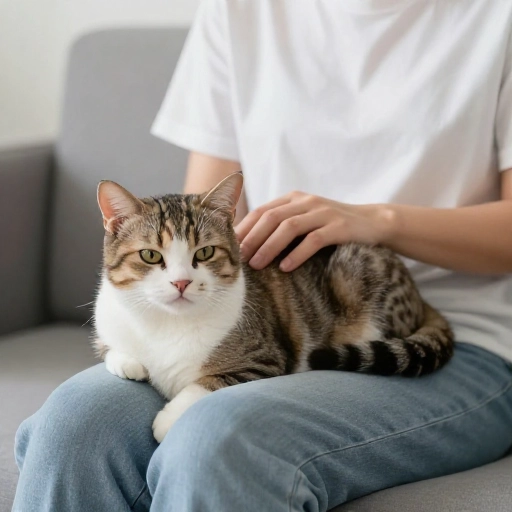
Spend quiet time with them daily. A few minutes of gentle brushing or just sitting nearby can lower their stress levels significantly.
4. Keep the Litter Box Pristine
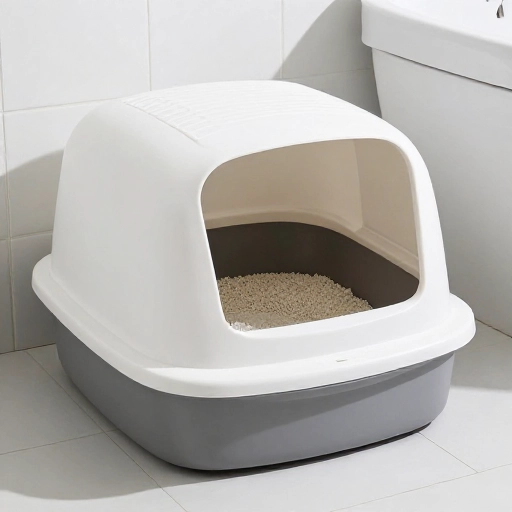
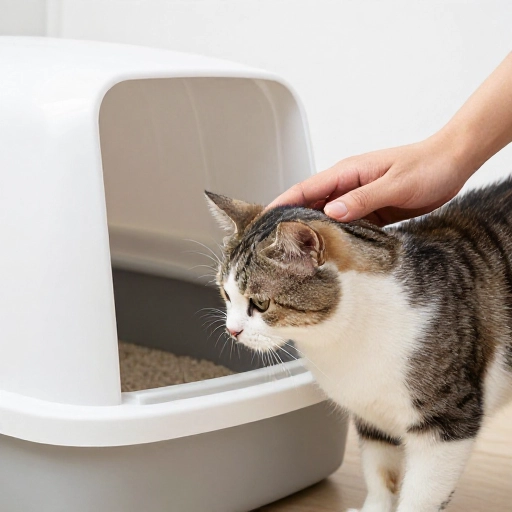
A dirty litter box can make cats hold their urine, leading to infections or crystals. I scoop mine twice a day and fully change the litter weekly.
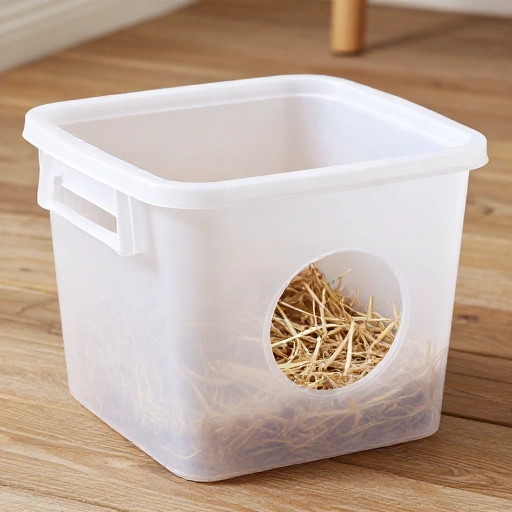
Use unscented, clumping litter. Some cats dislike perfumes. Place the box in a quiet, low-traffic area—not near their food or water. If you have multiple cats, follow the rule: one box per cat plus one extra.
Consider a box with low sides for easy entry, especially if your cat is older or sore.
5. Add a Urinary Health Supplement
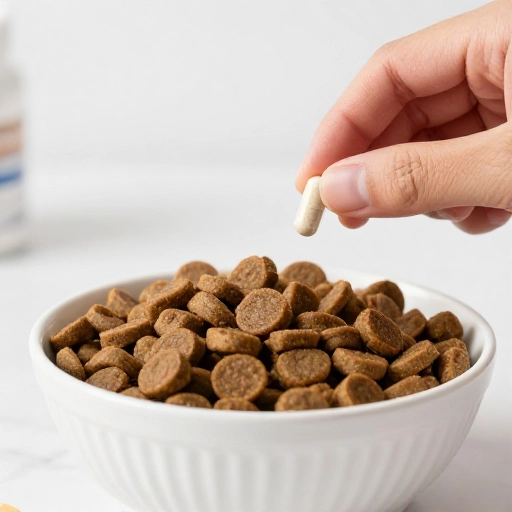
After a vet visit, I started using a supplement designed for urinary tract support. Look for ingredients like cranberry extract, D-mannose, or glucosamine. These can soothe the bladder lining.
Always check with your vet first, especially if your cat has a history of crystals. Some supplements come as powders you mix into food, others as tasty chews. My cat gobbles them up.
Consistency is key—use them daily as directed. They’re not a cure-all, but they can prevent recurrence.
6. Encourage Gentle Movement and Play
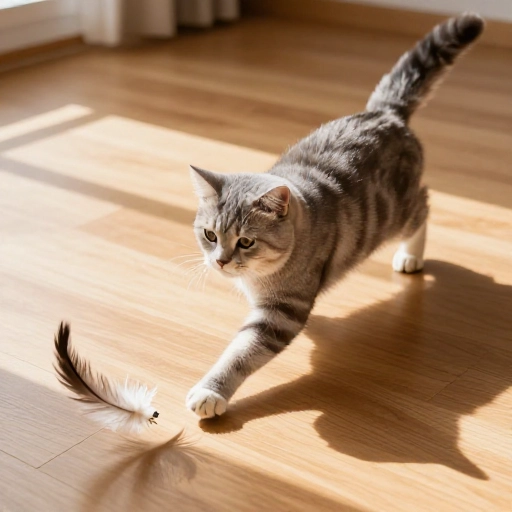
Exercise helps reduce stress and keeps the urinary system active. I schedule two short play sessions a day with a wand toy or laser pointer. It’s fun for both of us.
Even five minutes of chasing can make a difference. Movement encourages regular bathroom breaks and prevents urine from sitting too long in the bladder.
If your cat is less active, try puzzle feeders or treat balls. They’ll move a bit while eating, which is a win-win.
7. Monitor Their Bathroom Habits Closely
I keep a small notebook to track my cat’s litter box visits. Frequency, volume, color, and smell all matter. This helps me spot problems early.
If I notice straining, blood, or crying, I call the vet immediately. Early detection prevents emergencies. You can also use a smartphone app to log these details.
Being consistent with monitoring also helps you notice when things improve. It’s reassuring to see positive changes.
8. Use Prescription Diets If Needed
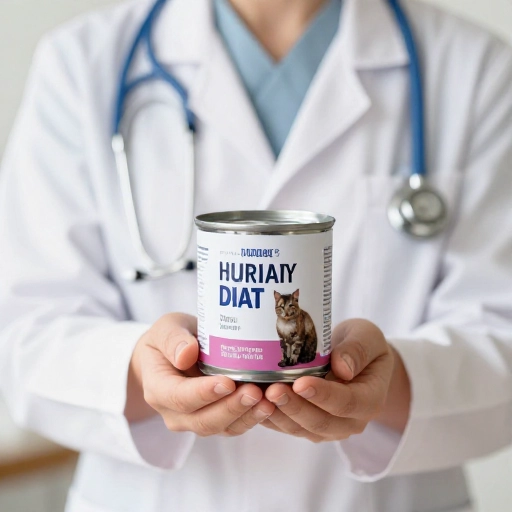
Sometimes regular wet food isn’t enough. My vet recommended a prescription urinary diet for a few months. These foods are formulated to dissolve certain crystals and maintain proper pH levels.
Follow your vet’s guidance strictly. Some cats need this diet long-term, others just during flare-ups. It’s not forever, but it can be life-saving.
Introduce it slowly by mixing with their current food to avoid tummy upset.
9. Limit Environmental Toxins
Certain household items can irritate a cat’s urinary tract. I switched to unscented cleaning products and avoid air fresheners or essential oil diffusers. Many are toxic to cats.
Also, check their water source. Tap water with high mineral content might contribute to crystals. Filtered water is a safer bet.
Keep toxic plants like lilies out of your home entirely. A safe environment supports overall health.

10. Stay Calm and Patient During Recovery
Urinary issues can be stressful for both you and your cat. I learned that cats pick up on our anxiety. Staying calm helps them feel safe.
Give them extra love without forcing interaction. Let them come to you. Recovery takes time—sometimes weeks. Celebrate small wins like a normal pee or a playful moment.
You’re doing your best, and your cat feels that. Patience and consistency are your best tools.
Conclusion
Supporting a cat with urinary problems isn’t just about one fix—it’s about creating a lifestyle that prevents issues before they start. From diet changes to stress reduction, every small step adds up. My cat is healthier and happier now, and I feel more confident handling future flare-ups.
Always involve your vet, but know that your daily choices matter most. You’ve got this. Your cat trusts you, and with these tips, you can help them feel better naturally.
Frequently Asked Questions
Can I treat my cat’s urinary problem at home?
Only after a vet confirms it’s not an emergency. Some issues like blockages require immediate care. Once cleared, home support like diet and hydration helps a lot.
How much water should a cat drink daily?
Most cats need about 3.5 to 4.5 ounces of water per 5 pounds of body weight. Wet food and fountains can help meet that.
What foods cause urinary problems in cats?
High-mineral dry foods, especially those with lots of magnesium, can contribute. Always choose high-quality, moisture-rich diets.
Is stress really a factor in cat urinary issues?
Yes, stress is a huge trigger. It can cause inflammation and make cats hold their urine. A calm home is essential for prevention.
When should I rush my cat to the vet?
If your cat can’t pee at all, is crying in the litter box, or has blood in urine, go to the vet immediately. These are signs of a blockage, which is life-threatening.