How to Get Rid of Ear Mites in Cat

If your cat has been shaking their head like crazy or scratching their ears nonstop, there’s a good chance ear mites are the culprit. These tiny bugs are super annoying for your cat—and honestly, for you too. I’ve been there, and I know how frustrating it is to see your furry friend uncomfortable.
Ear mites (Otodectes cynotis) are tiny parasites that live inside the ear canal. They feed on wax and oils, and they cause intense itching, redness, and that dark, crumbly gunk that looks like coffee grounds. The good news? They’re treatable. You don’t need to panic, but you do need to act quickly before things get worse.
Let’s walk through exactly how to get rid of ear mites in your cat, step by step. I’ll share what actually works, what doesn’t, and how to keep them from coming back.
1. Spot the Signs Early
Before you treat anything, make sure it’s actually ear mites. The biggest clue is dark, dry debris that looks like coffee grounds or black pepper inside the ear. Your cat might also shake their head, scratch at their ears, or hold their head tilted to one side.
Sometimes you might see tiny white specks moving around in the debris—those are the mites. If your cat’s ears are red, swollen, or smell bad, it could be a secondary infection, so keep an eye on that.
If you’re not sure, a quick vet check can confirm it. But honestly, the signs are pretty unmistakable once you know what to look for.

2. Don’t Use Q-Tips—Seriously
I know it’s tempting to grab a cotton swab and dig that gunk out, but please don’t. Q-tips can push debris deeper into the ear canal, which makes the problem worse and can even damage your cat’s eardrum. I learned this the hard way years ago with my first cat, and I still cringe thinking about it.
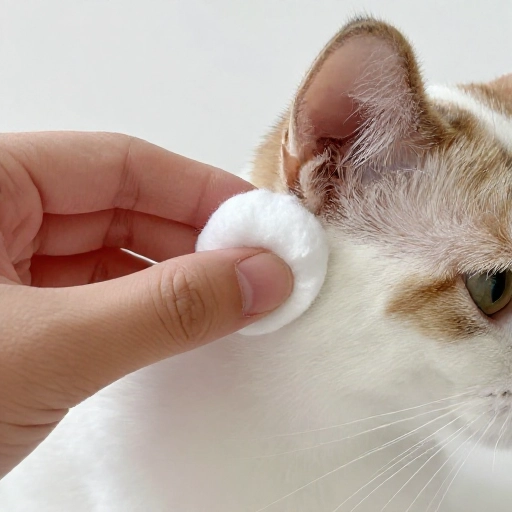
Instead, use a soft cotton ball or gauze pad. You can gently wipe away visible debris from the outer ear, but don’t go poking around inside. Your cat’s ear canal is shaped like an L, so stuff can get stuck easily.
Be gentle. Your cat is already uncomfortable, so the last thing they need is a rough cleaning session.
3. Choose a Vet-Approved Ear Mite Treatment
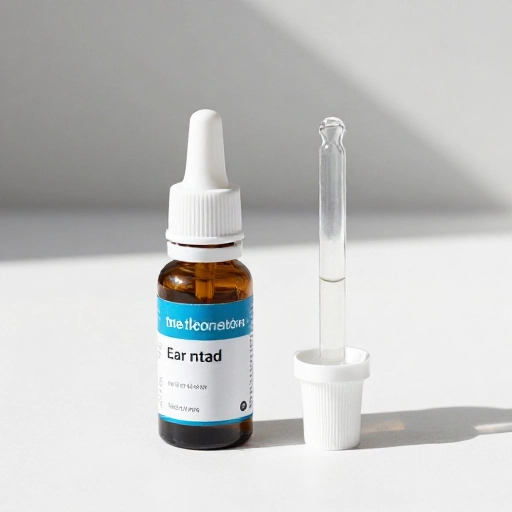
There are lots of over-the-counter ear mite treatments, but not all of them work well. Look for products that contain ingredients like pyrethrins, selamectin, or ivermectin. These are proven to kill mites and their eggs.
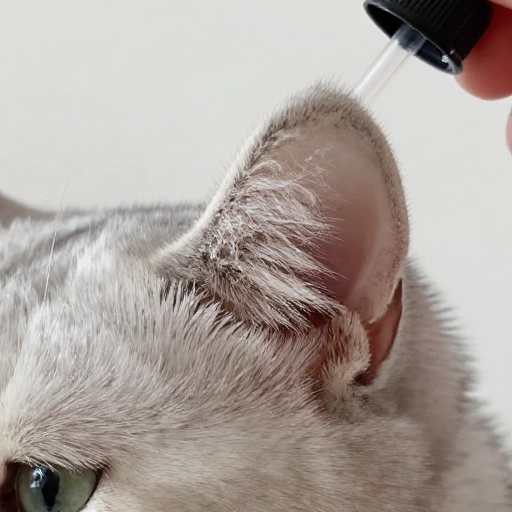
I personally like the topical drops that you apply directly into the ear. They’re easy to use and usually work within a week or two. Just follow the instructions carefully—more isn’t better, and you don’t want to irritate your cat’s ears.
If you’re unsure, your vet can recommend a specific brand. Some flea treatments also cover ear mites, so that’s worth asking about too.
4. Clean Before You Treat
Here’s a tip that makes a big difference: clean the ears before applying any treatment. If there’s a lot of wax and debris, the medicine won’t reach the skin where the mites are living. It’s like putting lotion on dirty hands—it just doesn’t work well.
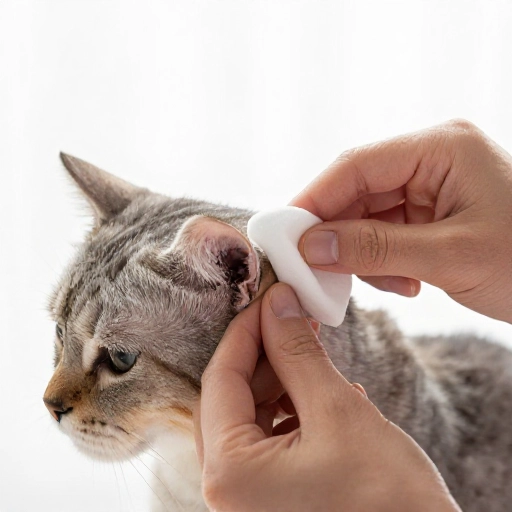
Use a gentle ear cleaner made for cats. Squirt a little into the ear, massage the base gently for about 30 seconds, then let your cat shake their head. Wipe away the loosened gunk with a cotton ball.
Do this once a day for a few days before starting treatment. Your cat might hate it at first, but it really helps the medicine do its job.
5. Treat All Pets in the House
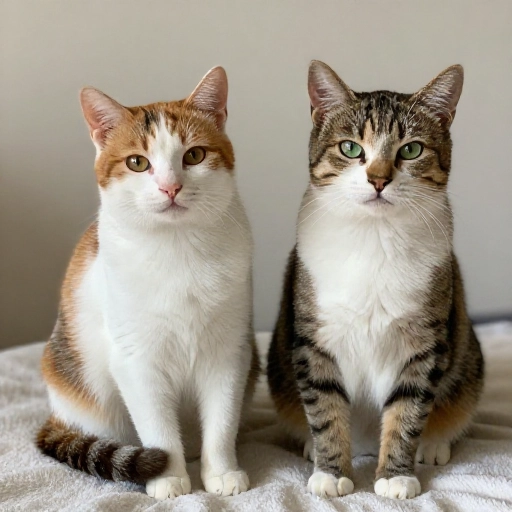
Ear mites are super contagious between cats and dogs. If you have more than one pet, you’ll need to treat all of them—even if they don’t show symptoms. I skipped this step once, and within two weeks, my other cat was scratching like crazy. Lesson learned.
You don’t have to treat every pet the same way, but at least check their ears and use a preventive product if possible. Mites can hop from one pet to another through shared bedding, grooming, or just hanging out together.
This is especially important if your cat goes outside or interacts with other animals. Trust me, treating everyone at once saves you a lot of headaches later.
6. Wash Everything Your Cat Touches
Ear mites can survive off the host for a little while, so you need to clean your cat’s environment. Wash their bedding, blankets, and any soft toys in hot water with detergent. Vacuum carpets, couches, and cat trees thoroughly.
I also like to wipe down hard surfaces like scratching posts and litter box edges with a pet-safe disinfectant. Mites don’t live long away from a host, but it’s better to be safe than sorry.
Do this cleaning routine once a week during treatment. It helps break the mite life cycle and prevents reinfestation.

7. Be Consistent with Treatment
Ear mite treatment isn’t a one-and-done thing. Most products need to be applied daily or weekly for at least two to three weeks. Mite eggs can survive treatment, so you have to keep going until all the eggs have hatched and been killed.
Set a reminder on your phone or write it on your calendar. I’ve definitely forgotten a dose before, and it set us back a week. Consistency is key.
If you stop too early, the mites will just come back. Stick with it, even if your cat’s ears look better after a few days.
8. Watch for Secondary Infections
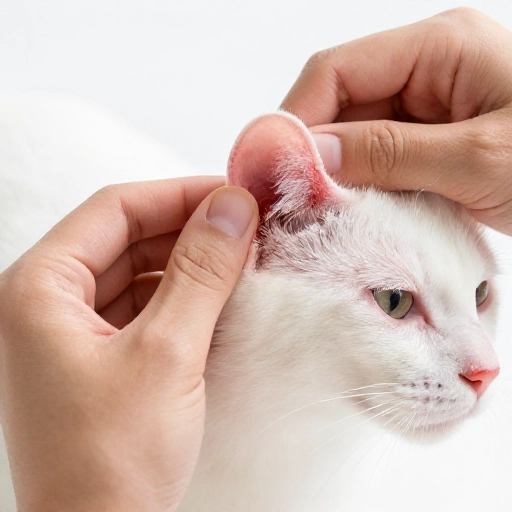
Ear mites can damage the skin inside the ear, which makes it easy for bacteria or yeast to grow. If your cat’s ears start to smell bad, look red and swollen, or have yellow or green discharge, you might be dealing with an infection.
In that case, you’ll need to see a vet. They might prescribe antibiotic or antifungal drops along with the mite treatment. Don’t try to treat an infection on your own—it usually needs prescription meds.
I always keep an eye on my cat’s ears during treatment. If something seems off, I call the vet. It’s better to catch an infection early than to let it get worse.
9. Try Natural Remedies (With Caution)
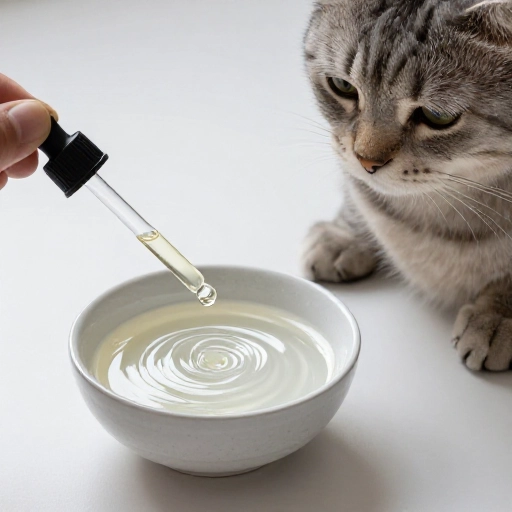
Some people swear by natural remedies like coconut oil, olive oil, or diluted apple cider vinegar. These can help soothe the skin and smother mites, but they’re not as effective as medicated treatments. I’ve used coconut oil in a pinch, and it helped a little, but it didn’t fully solve the problem.
If you want to try a natural approach, use it as a supplement to vet-approved treatment, not a replacement. And never put anything in your cat’s ear without checking with your vet first. Some oils can irritate sensitive ears.
Natural remedies are best for mild cases or for maintenance after the mites are gone. For a full-blown infestation, stick with the real stuff.
10. Prevent Future Outbreaks
Once the mites are gone, you want to keep them away. Regular ear checks are a good habit—just take a peek inside your cat’s ears once a week. If you see any dark debris, act fast before it becomes a big problem.
Keep your cat’s immune system strong with good food, fresh water, and low stress. Healthy cats are less likely to get severe infestations. Also, if your cat goes outside, consider using a monthly flea and mite preventive.
And don’t forget to clean their bedding regularly. A clean environment makes it much harder for mites to set up shop again.

Conclusion
Getting rid of ear mites in your cat takes a little patience, but it’s totally doable. The key is to catch it early, use the right treatment, and be consistent. Don’t forget to clean your home and treat all your pets at the same time. Your cat will thank you with happier, itch-free ears.
FAQ
1. Can humans get ear mites from cats?
It’s very rare, but possible. Ear mites prefer animals, but they can cause temporary itching on human skin if they land there. They don’t live long on humans, so don’t worry too much.
2. How long does it take to get rid of ear mites in cats?
Most treatments take 2–3 weeks. You’ll usually see improvement within a few days, but it’s important to complete the full course to kill all the eggs.
3. Can I use olive oil to treat ear mites?
Olive oil can help smother mites and soothe the ear, but it’s not a guaranteed cure. It’s best used as a supportive measure alongside vet-approved treatment.
4. Do ear mites go away on their own?
No, they usually don’t. Without treatment, the infestation will get worse and can lead to infections or hearing loss. Always treat them promptly.
5. How do I know if ear mites are gone?
Your cat will stop scratching, and the dark debris will disappear. You can also have your vet check with an otoscope to make sure the ears are completely clear.
[[IMG:IMG12]]