How to Make Your Puppy’s Homecoming Calm and Stress-Free (First-Day Guide for New Dog Parents)
Bringing a puppy home is one of those moments you dream about. I still remember the mix of excitement and pure panic when I first carried my little guy through the door. He was tiny, scared, and smelled like puppy breath and possibility. But I quickly learned that a calm homecoming doesn’t happen by accident. It takes a bit of planning and a lot of deep breaths.
The good news? You don’t need a perfect house or a fancy setup. You just need to think like a puppy for a few days. That means keeping things quiet, predictable, and gentle. In this post, I’m sharing the exact steps I wish I’d known from day one. These tips will help your new best friend feel safe, so you can actually enjoy those first snuggles.
Get Everything Ready Before Your Puppy Arrives
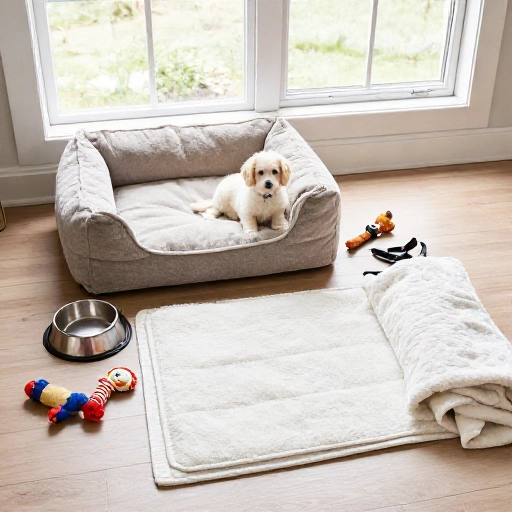
I made the mistake of thinking I could just wing it. Trust me, you don’t want to be running to the pet store while your puppy is crying in a crate. Set up a small, puppy-proofed area before pickup day. It doesn’t need to be fancy—just safe and boring in the best way.
Here’s what I always have ready:
- A crate or playpen with a soft bed
- Food and water bowls (stainless steel is easy to clean)
- Puppy food, treats, and a few chew toys
- Pee pads or a designated potty spot outside
- A quiet room away from heavy foot traffic
Keep the setup simple. Too many toys or people can overwhelm a tiny brain. I learned that less really is more on day one.
Create a Quiet, Cozy Puppy Zone
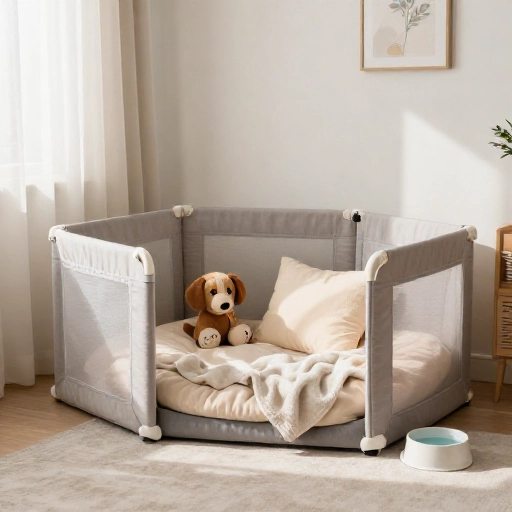
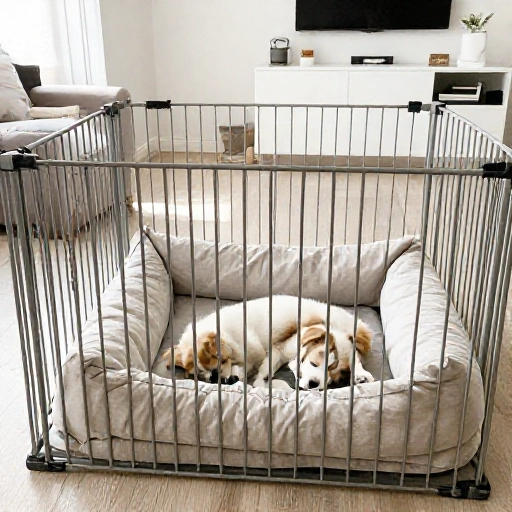
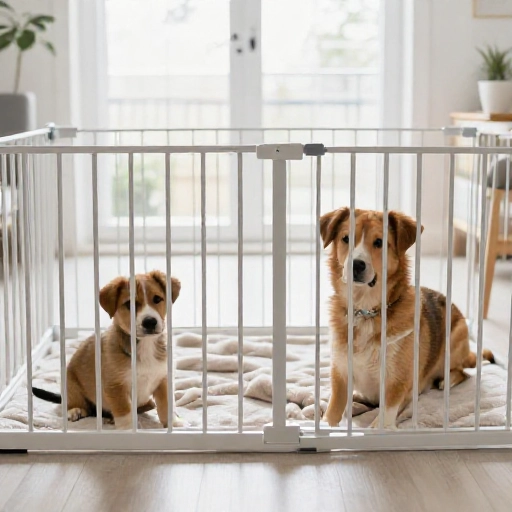
Your whole house is a giant, scary new world to a puppy. Instead of giving them free rein, I block off a small space using baby gates or a playpen. This becomes their safe haven—a place where they can retreat when things get loud.
I put the crate, a water bowl, and one soft toy in this zone. I also add a piece of clothing that smells like me. That familiar scent helps them relax when I’m not right there. Sometimes I play soft classical music or turn on a white noise machine.
Don’t feel guilty about keeping them confined for short periods. It’s not a jail—it’s a cozy den. Puppies actually feel calmer in small spaces because they don’t have to watch their back all the time.
Plan a Short, Calm Car Ride Home
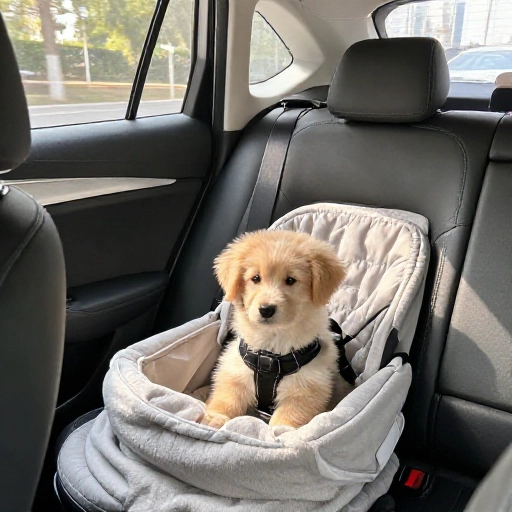
The car ride is often the first big stress test. I bring a towel, a crate, and a calm friend to help. I keep the temperature comfortable and the radio low. No loud podcasts, no excited squeals. Just soft, steady talk.
If your puppy whines, that’s normal. Don’t take them out of the crate while the car is moving. Instead, reach back and put a finger near the crate door so they can smell you. If you’re driving alone, a secure crate is the safest option.
Try to keep the ride under an hour if possible. If it’s longer, plan a quiet stop for a potty break. But avoid busy rest areas where other dogs might scare them. A quiet side street works just fine.
Do a Gentle, Low-Key Introduction to Your Home
When you walk through the door, resist the urge to show your puppy the whole house. I take them straight to the potty spot first. After they go, I carry them to their cozy zone. No parade, no cheering crowd.
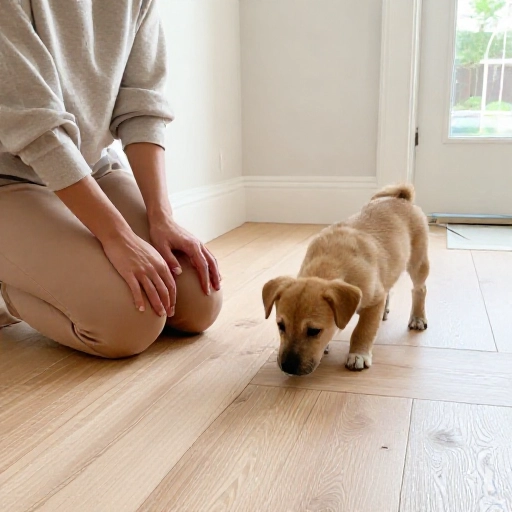
I sit on the floor and let them sniff around at their own pace. I don’t pick them up unless they seem scared. I keep my voice soft and my movements slow. If they hide under the couch, I don’t drag them out. I just wait.
This first hour sets the tone. If you’re calm, they’ll learn that this new place is safe. If you’re frantic, they’ll pick up on that energy fast. So breathe, smile, and let them explore one tiny corner at a time.
Keep the First Few Days Visitor-Free (or Very Limited)
I know everyone wants to meet the puppy. Your mom, your neighbor, your mail carrier. But a parade of new faces can send a puppy into overload. For the first three to five days, I keep visitors to zero or one calm adult.
If someone absolutely must come over, I ask them to ignore the puppy at first. No baby talk, no grabbing. Let the puppy approach them. If the puppy backs away, that’s a hard no. I also ask visitors to take off their shoes and sit still.
This isn’t about being rude. It’s about protecting your puppy’s emotional bandwidth. They’re already processing a new home, new smells, and new sounds. Adding ten strangers is like asking a toddler to host a dinner party.
Start a Simple, Predictable Routine Right Away
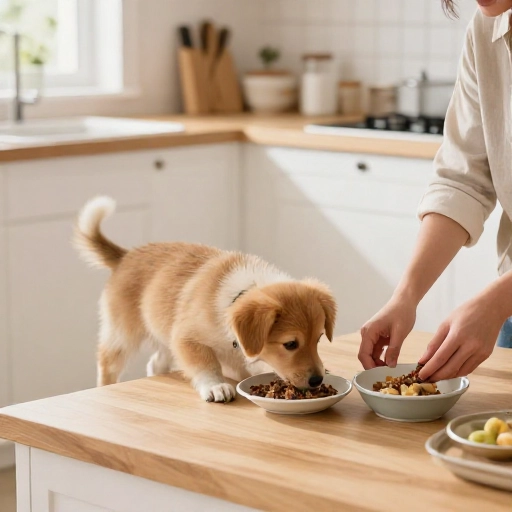
Puppies don’t wear watches, but their bodies love a schedule. I write down a simple routine and stick to it for the first few weeks. Same feeding times, same potty breaks, same nap windows, same bedtime. Even on weekends.
Here’s a sample day that worked for me:
- 7 AM: potty, breakfast, short play
- 9 AM: nap in crate
- 11 AM: potty, training game, lunch
- 1 PM: nap again
- 3 PM: potty, walk or sniff time
- 5 PM: dinner, calm chew
- 7 PM: potty, quiet cuddle
- 9 PM: potty, bedtime in crate
When your puppy knows what’s coming next, they stop bracing for surprises. That predictability is like a warm blanket for their nervous system. I noticed a huge difference in my puppy’s anxiety within three days.
Use Gentle Potty Breaks and Crate Training
Potty training and crate training go hand in hand. I take my puppy out every one to two hours—after meals, naps, play, and before bed. I go to the same spot every time. I stand still and boring. When they go, I praise calmly and give a tiny treat.
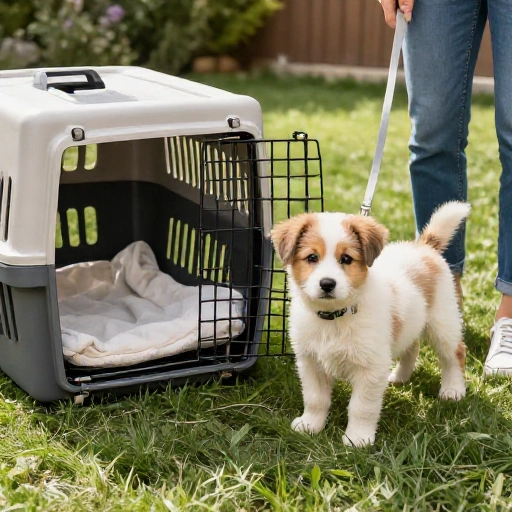
For the crate, I make it the best place on earth. I feed meals inside, toss treats in randomly, and leave the door open during the day. I never use the crate for punishment. If they whine at night, I ignore it unless I think they need a potty break.
Start with short crate sessions—five minutes while you’re in the same room. Then build up slowly. A stuffed frozen Kong can work magic. The goal is for your puppy to choose the crate on their own. That’s when real calm kicks in.
Introduce Other Pets Slowly and Safely
If you already have a dog or cat, the homecoming gets trickier. I never do a face-to-face meeting on day one. Instead, I keep them separated by a gate or closed door. They can smell and hear each other without any pressure.
Next, I swap blankets so they get used to each other’s scent. After a day or two, I do a leashed introduction in a neutral space. Two people, two leashes, lots of distance. Short and sweet—five minutes max. If either pet stiffens or stares, I end it.
Never leave them unsupervised, even if they seem friendly. Puppies don’t know the rules yet, and older pets need their space. Slow, boring introductions build lifelong trust. Rushed ones build fear.
Keep Playtime Short and Watch for Overstimulation
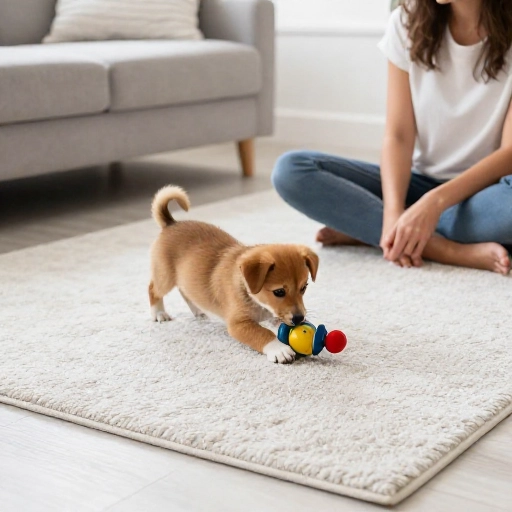
Puppies are like toddlers after a birthday party—they don’t know when to stop. I learned to cap play sessions at five to ten minutes. Then I switch to a calm activity like a chew toy or a gentle petting session.
Watch for these signs that play has gone too far:
- Wild zoomies that don’t stop
- Nipping and biting harder
- Glassy eyes or ignoring you
- Growling that sounds serious
When you see those, end the fun. Put your puppy in their cozy zone for a nap. An overtired puppy is a cranky puppy. And a cranky puppy can’t learn or bond well. Short bursts of play, then rest—that’s the recipe for a happy homecoming.
Learn Your Puppy’s Stress Signals and Give Space
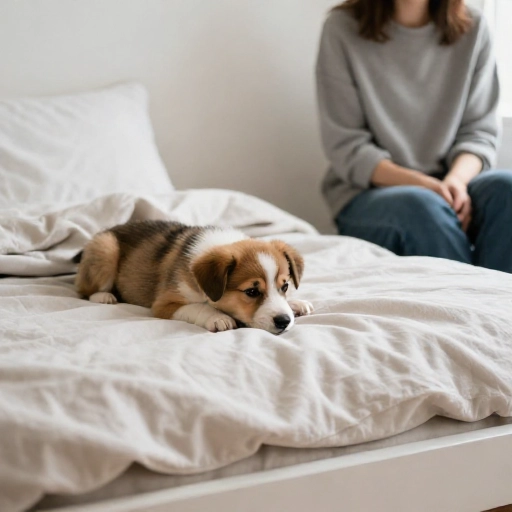
Puppies can’t say “I’m overwhelmed.” But their bodies tell you everything. I watch for yawning, lip licking, whale eye (showing the whites of their eyes), a tucked tail, or a stiff body. Those are polite ways of saying “please back off.”
When I see those signals, I don’t pick them up or force cuddles. I give them a quiet hiding spot—like an open crate or a corner with a blanket. I sit nearby but don’t touch. I let them come to me when they’re ready.
This builds trust faster than any treat. Your puppy learns that you respect their boundaries. And a puppy who feels respected is a puppy who relaxes. That’s the calm homecoming we’re all after.
Final Thoughts on a Peaceful Puppy Homecoming
Bringing a puppy home is a big deal for both of you. You’re excited, they’re terrified, and everyone’s sleep is about to change. But by keeping things quiet, predictable, and gentle, you can turn those first few days from chaotic to cuddly.
Remember: you don’t have to be perfect. You just have to be present. Give your puppy time to breathe, explore, and trust you. The bond you build in these early days will last a lifetime. And trust me—the calm version of homecoming is so much sweeter.
Frequently Asked Questions
How long does it take for a puppy to settle into a new home?
Most puppies start feeling comfortable within three to seven days, but full adjustment can take a few weeks. The key is a consistent routine and a quiet space they can retreat to. Some puppies settle faster, while more sensitive ones need extra patience.
Should I let my puppy sleep in my bed on the first night?
I don’t recommend it. A crate or a cozy bed right next to your bed works better. That way, your puppy can smell and hear you without learning that whining gets them a free pass to the people bed. You can always cuddle during the day.
What if my puppy cries at night?
Some crying is normal. I take them out for a silent potty break if it’s been a couple of hours. If they’re dry and safe, I let them cry for a few minutes before checking. Rushing in every time teaches them that crying equals attention. Stay calm and consistent.
How do I introduce my puppy to young kids?
Teach kids to sit on the floor and let the puppy come to them. No chasing, no picking up, no loud voices. Supervise every interaction. Short, calm meetings are best. If the puppy walks away, the kids must let them go. That’s how you build safe, happy bonds.
When can I start training my puppy?
You can start the very first day with simple things like name recognition and potty routine. Keep sessions to two or three minutes. Use tiny treats and lots of praise. Formal obedience classes can wait until your puppy has had their first vaccinations, usually around ten to twelve weeks.