7 Dog Aggression Signs You Can’t Ignore (Before It’s Too Late)
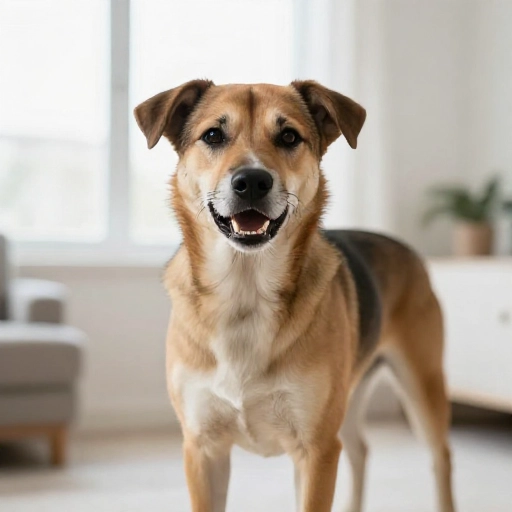
I still remember the knot in my stomach when my gentle rescue mutt, Daisy, froze mid-tail-wag and stared at my nephew. Nothing happened that day, but I learned a hard truth: dogs give us plenty of warnings before they snap.
Aggression doesn’t appear out of nowhere. It builds. And when we miss the early signs, we put ourselves, our families, and our dogs at risk.
Here are 7 dog aggression signs you can’t afford to ignore. I’ve seen them in my own dogs and in dogs I’ve fostered. Trust me, catching them early changes everything.
1. Growling, Snarling, or Showing Teeth
Growling is a gift. It’s your dog saying, “I’m uncomfortable, please back off.” I used to think a growl meant a bad dog, but it’s actually a warning that gives you time to act.
If your dog growls when you reach for their food bowl, touch their paw, or approach their favorite spot, don’t punish them. Punishing a growl can teach them to skip the warning and go straight to a bite.
Snarling and lip-curling are the next step up. That’s a clear “I’m about to defend myself” signal. Take it seriously and give space.
2. A Sudden Stiff Body and Frozen Stare
You know that moment when your dog goes completely still? Their mouth closes, their muscles tighten, and they stop wagging. That’s the “stiffening” phase.
I watched my foster dog do this when a child tried to hug him. He didn’t growl. He just froze. Two seconds later, he snapped. That freeze was the warning.
If you’re petting your dog and they suddenly stiffen, stop. Don’t keep going because you think they’re enjoying it. Give them an exit.
3. Whale Eye and Hard Stares
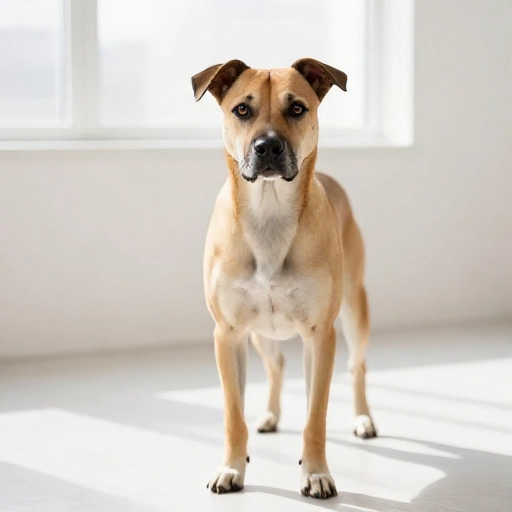
“Whale eye” is when your dog turns their head away but keeps their eyes on you, showing the whites. It looks cute in photos, but it’s actually a sign of stress or fear.
A hard stare is different. It’s direct, unblinking, and feels intense. My old terrier would give me that stare when I reached for his bone. I learned to respect it.
Never stare back or challenge your dog. That’s a great way to escalate things. Instead, look away and give them space.
4. Resource Guarding (Food, Toys, Beds, People)
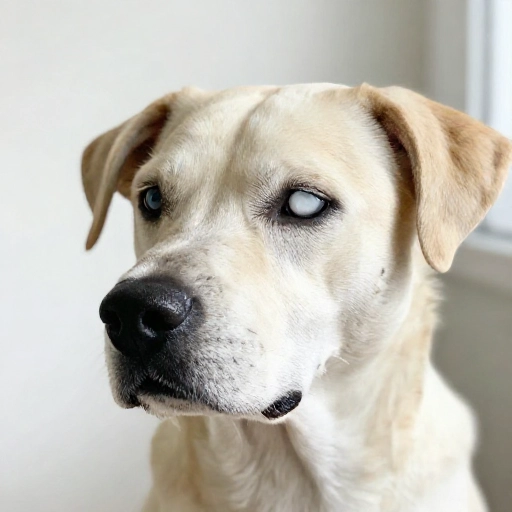
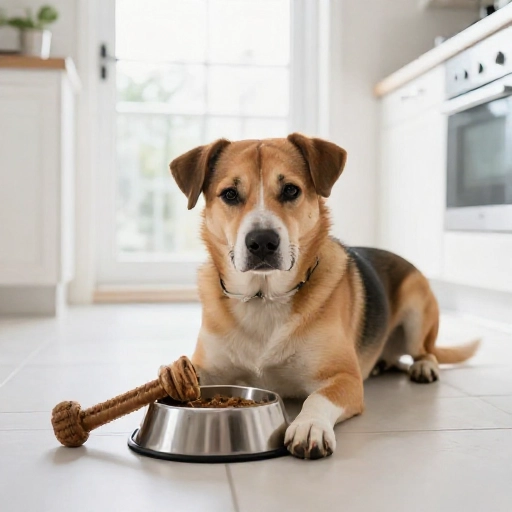
Does your dog growl when you walk past their food bowl? Or snap when you try to take a toy? That’s resource guarding, and it’s one of the most common aggression signs I see.
It’s not about being “dominant.” It’s about anxiety over losing something valuable. I’ve had dogs guard everything from a dirty sock to my own lap.
- Never punish guarding. It makes it worse.
- Instead, trade up: offer a high-value treat in exchange for the item.
- Manage the environment so they don’t feel the need to guard.
Remember, management is key. If your dog guards, remove the trigger or keep them separated during high-value times.
5. Snapping or Biting (Even If It Doesn’t Connect)
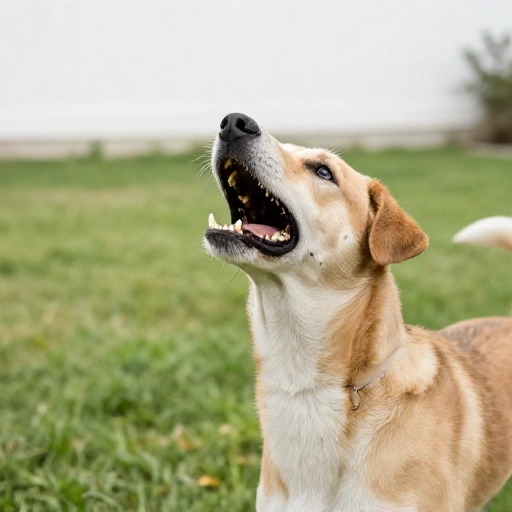
A snap that misses is still a bite attempt. I used to think, “Well, he didn’t actually bite me.” But that’s like ignoring a warning shot.
If your dog snaps at you, a family member, or another pet, that’s a major red flag. It means they’ve moved from warning to action.
Please don’t wait for a real bite. Call a certified behavior consultant or your vet right away. I’ve seen too many dogs surrendered because their owners missed this sign.
6. Lunging and Barking on Leash (Reactivity)
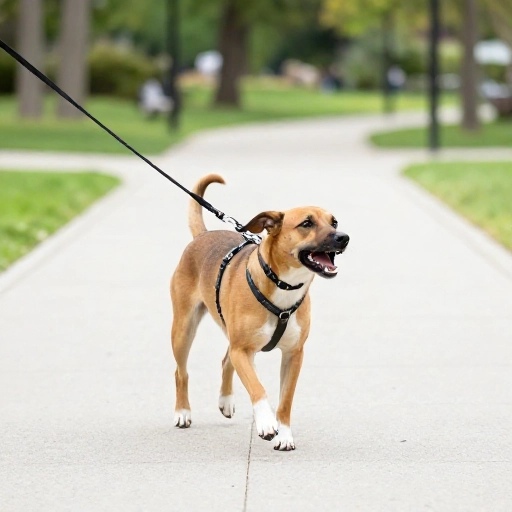
Leash reactivity isn’t always aggression, but it can be. If your dog lunges, barks, and snarls at other dogs or people, that’s a warning sign you can’t ignore.
I used to think my dog was just “excited” to see other dogs. But the stiff body, the deep growl, and the snapping air told a different story.
Reactivity often comes from fear or frustration. With the right training, it can improve. But ignoring it usually makes it worse.
7. Hiding Then Exploding When Cornered
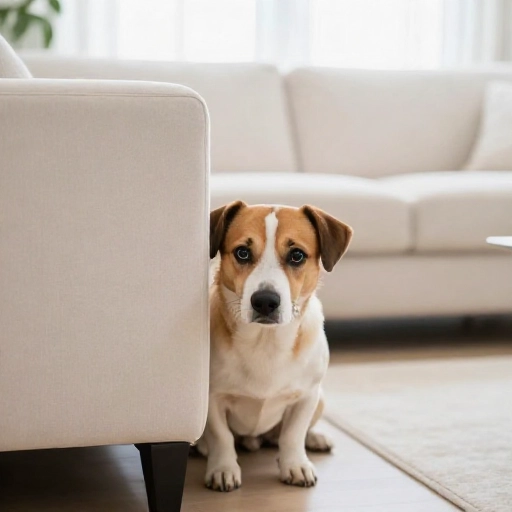
Some dogs don’t growl first. They hide under the bed or behind the couch. Then, when you reach for them, they explode.
This is fear-based aggression. I learned this the hard way with a rescue who had been abused. He’d retreat, and if I followed, he’d snap.
Respect the hiding spot. Don’t corner your dog. Instead, toss treats from a distance and let them come to you. If they feel trapped, they will defend themselves.
Final Thoughts: Trust Your Gut
If you’ve noticed any of these signs, please don’t blame yourself or your dog. Aggression is often rooted in fear, pain, or anxiety. It’s a cry for help, not a character flaw.
I’ve learned that the sooner I act, the better the outcome. Start with your vet to rule out medical issues. Then find a positive-reinforcement behaviorist. You can turn things around.
Your dog is counting on you to listen. Don’t ignore the whispers before they become bites.
FAQ: Dog Aggression Signs
Q: Is growling always a bad sign?
A: No. Growling is communication. It’s your dog telling you they’re uncomfortable. Punishing it can make aggression worse because they’ll skip the warning next time.
Q: Can a dog show aggression signs suddenly?
A: Sometimes. Sudden aggression can be caused by pain, illness, or a scary event. Always see a vet first to rule out medical problems.
Q: What should I do if my dog snaps at me?
A: Don’t punish. Give your dog space and contact a professional behaviorist immediately. A snap is a serious warning.
Q: Are some breeds naturally aggressive?
A: No. Breed doesn’t determine aggression. Upbringing, training, environment, and individual personality matter much more.
Q: Can I fix dog aggression on my own?
A: Mild cases might improve with management, but real aggression needs professional help. It’s not a DIY project. I always recommend hiring a certified trainer or behaviorist.