10 Stylish & Secure Dog Fence Ideas for Your Backyard (Any Budget!)
Let’s be real: keeping your dog safely in the yard while still having a beautiful outdoor space can feel like a constant battle. I’ve been there—watching my pup eye that one gap under the gate or try to squeeze through a bush. A good fence isn’t just about containment; it’s about giving your dog freedom and giving you peace of mind.
Whether you have a tiny Houdini or a giant gentle jumper, there’s a perfect solution out there. I’ve put together ten of my favorite, most practical dog fence ideas. These range from quick DIY fixes to full-on yard makeovers, so you’re sure to find something that works for your space and your pup’s personality.
1. The Classic Wood Privacy Fence: Secure & Sight-Proof
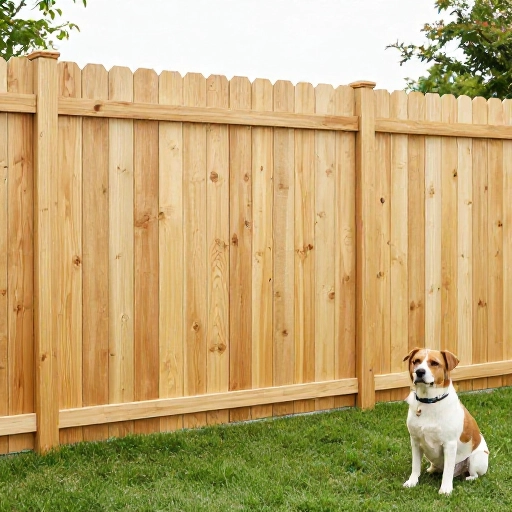
This is the gold standard for a reason. A solid, six-foot-tall wood fence blocks your dog’s view of the outside world, which stops a lot of barking and fence-running. It’s sturdy, private, and gives your yard a clean, finished look. I love that it creates a calm environment because your dog can’t see the mailman or the neighbor’s cat.
To make it extra secure, always set the posts in concrete and check that the bottom of the fence is flush with the ground. If your dog is a digger, you can attach a strip of hardware cloth or paving stones along the base. A simple coat of stain or paint every few years will keep it looking fresh.
2. Invisible Electric Fence: Unobstructed Views
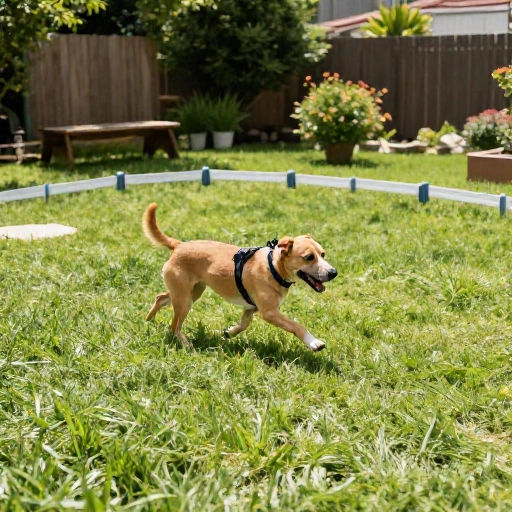
If you hate the idea of a physical fence blocking your beautiful landscaping or view, an underground electric fence is a popular choice. You bury a wire around the perimeter of your yard, and your dog wears a special collar that gives a warning beep and then a static correction if they get too close. It’s totally invisible, so your yard looks completely open.
The big catch is that it requires training and doesn’t stop other animals or people from coming into your yard. I’ve found it works best for dogs with a strong “stay close” instinct. It’s a great option if you have a large property where a traditional fence would be crazy expensive.
3. Chain-Link Fence: Budget-Friendly & Durable
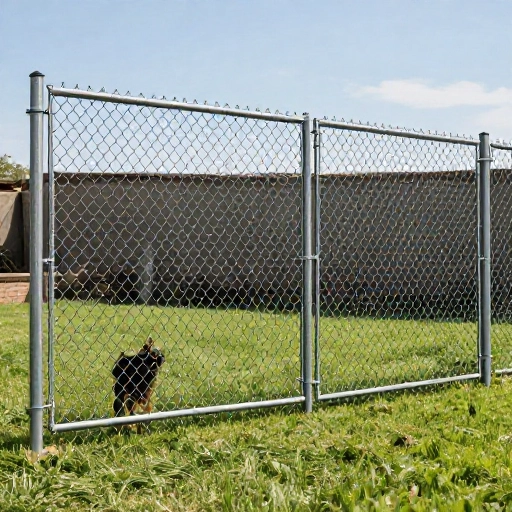
Don’t overlook the old faithful chain-link fence. It’s one of the most affordable and long-lasting options out there. It’s great for containing dogs that don’t try to climb, and it lets your pup see the world, which some dogs really enjoy. It’s also super easy to install yourself if you’re handy.
To make it more private and attractive, you can weave privacy slats through the links. For diggers, lay a row of large rocks or concrete pavers along the bottom edge. I also recommend getting a “no-climb” mesh if your dog is small or tends to stick their head through the openings.
4. Welded Wire or Hog Panel Fence: Strong & Simple
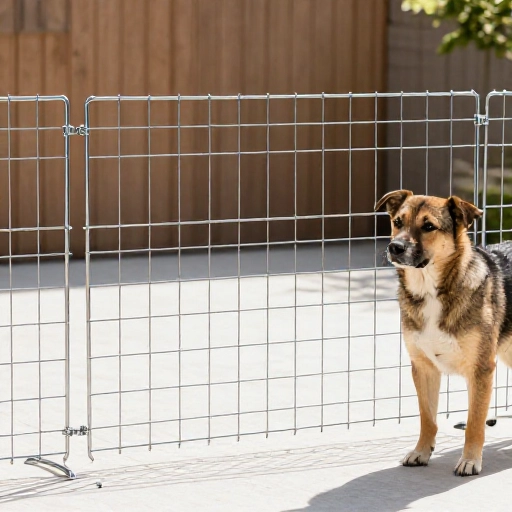
This is my secret weapon for a rustic, farmhouse-style yard that’s incredibly strong. Hog panels are heavy-gauge welded wire that comes in large rectangles. They are super tough and won’t sag over time like some other wire fences. They’re perfect for active dogs that might lean or push against a fence.
You can attach these panels to wooden posts for a really sturdy build. The openings are usually small enough to keep paws and noses out, but large enough to see through. It’s a very DIY-friendly project that looks clean and purposeful. Add a top rail of wood for a finished look.
5. PVC or Vinyl Fence: Low Maintenance & Sleek
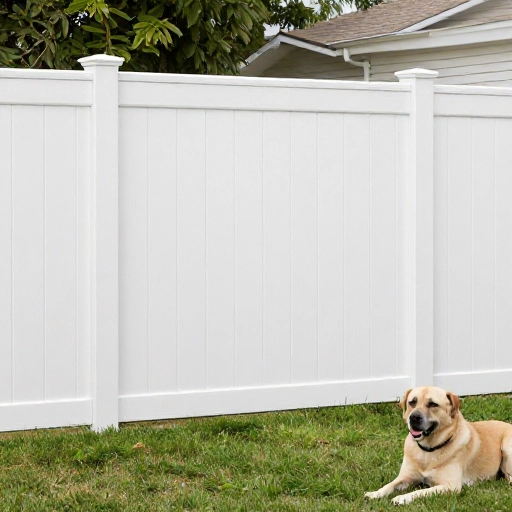
If you want the look of a white picket or privacy fence without the upkeep, vinyl is your answer. It never needs painting, staining, or sealing. A quick spray with the hose is all it takes to make it look new again. It’s also smooth, so it’s gentle on your dog’s nose and paws if they like to rub against it.
The downside is that it can be more expensive than wood, and some cheaper vinyl can become brittle in very cold weather. Look for reinforced vinyl or one with a lifetime warranty against cracking. It’s a fantastic choice for a clean, modern backyard that stays beautiful with zero effort.
6. The “L” Footer: The Ultimate Digging Defense
This isn’t a standalone fence, but a brilliant addition to any existing fence. If you have a dedicated digger, an “L” footer is your best friend. You bury a section of wire or metal mesh that extends horizontally outward from the bottom of the fence, creating an “L” shape underground.
When your dog tries to dig at the base of the fence, they will hit the buried mesh and stop. It’s almost foolproof. You can use heavy-gauge hardware cloth or even concrete. I’ve installed this on two sides of my yard, and it completely solved my escape artist’s digging habit.
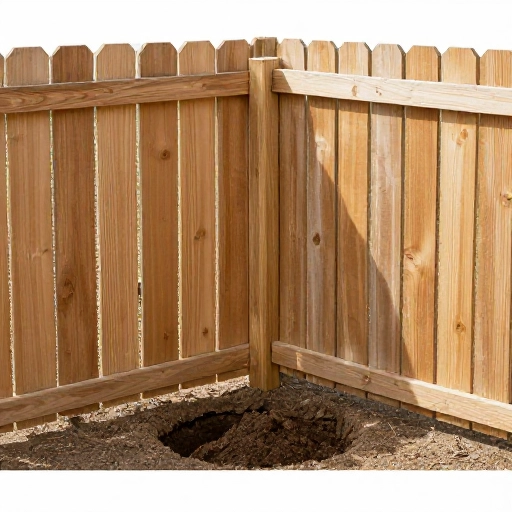
7. Cattle Panel Arch: For the High Jumper
Some dogs don’t dig; they soar. If your dog can clear a standard fence, you need to go higher. A simple and cheap solution is to install a cattle panel that curves inward at the top. You attach the panel to your existing fence posts and bend the top into an arch that leans back into your yard.
This confuses the dog because they can’t get a clear trajectory to jump. It looks a bit like the top of a zoo enclosure, but it’s incredibly effective. You can cover it with vines like morning glories or clematis to make it look like a beautiful garden feature.
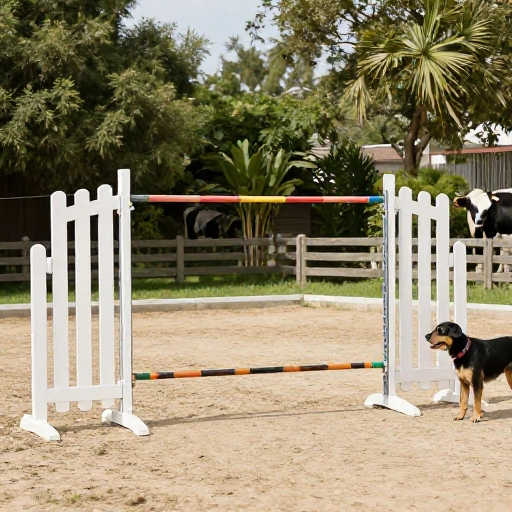
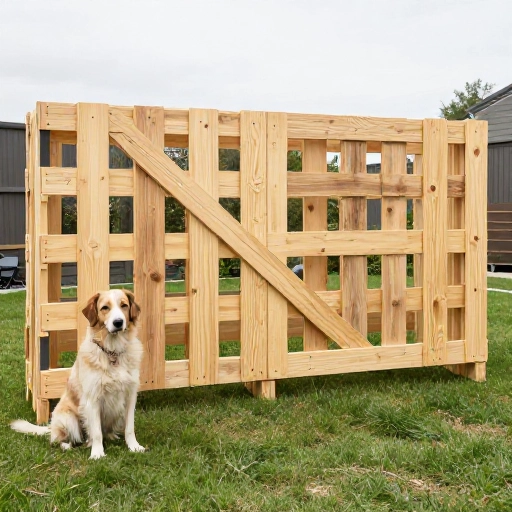
8. Pallet Fence: The Ultimate DIY & Upcycle
For a truly budget-friendly and rustic project, look for free wooden pallets. You can stand them upright and nail or screw them together to form a solid wall. It’s a fantastic way to create a secure, tall fence for almost no money. I love the weathered, farmhouse look they give a yard.
You’ll need to be careful to choose pallets that are heat-treated (stamped with “HT”) and not chemically treated. You can leave them as-is or paint them a fun color. The gaps between the slats are usually small enough for most dogs, but you can line the inside with hardware cloth for tiny breeds.
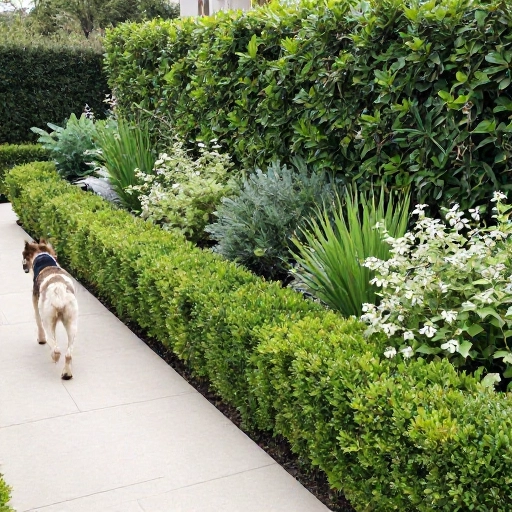
9. Living Fence (Hedges & Shrubs): Natural & Beautiful
A living fence is a gorgeous, eco-friendly option that provides privacy and noise reduction. Dense, thorny shrubs like barberry, holly, or arborvitae create a natural barrier that most dogs won’t try to push through. It’s the most beautiful way to mark your property line.
The downside is that it takes time to grow and requires regular trimming. A mature hedge can be just as secure as a wooden fence. For an instant effect, buy larger, more established plants. This is a long-term project, but the payoff is a lush, green, and totally natural enclosure for your pup.
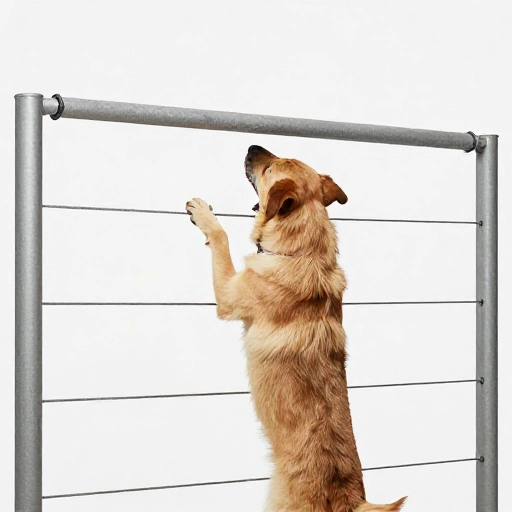
10. Tension Wire & Roller Bars: For the Climber
Some clever dogs can climb chain-link or even wooden fences. A simple fix is to add a tension wire at the very top of your fence. This makes the top unstable and wobbly, so the dog can’t get a good grip to pull themselves over. It’s a cheap and easy add-on.
For serious climbers, you can install a roller bar at the top of the fence. It’s a spinning bar that rotates when the dog tries to grab it, causing them to lose their grip. It looks a little industrial, but it’s incredibly effective for athletic dogs that treat the fence like a jungle gym.
Conclusion: Find the Right Fit for Your Furry Friend
There’s no single “best” dog fence, because every yard and every dog is different. The perfect solution depends on your dog’s size, energy level, and escape skills, as well as your budget and style. Start by watching your dog in the yard to see what their specific challenge is—are they a digger, a jumper, or a leaner?
From a simple “L” footer to a full privacy fence, you have so many options. The most important thing is that the fence is safe and secure. A happy dog is a dog that can run free in their own yard without the risk of getting out. Good luck, and enjoy your peace of mind!
Frequently Asked Questions
What is the cheapest way to fence a yard for a dog?
The cheapest option is usually a welded wire or chicken wire fence attached to wooden or metal t-posts. You can also find free pallets for a DIY pallet fence. A simple chain-link fence is also very affordable if you install it yourself.
How tall should a dog fence be to keep a dog in?
For most medium to large dogs, a 6-foot fence is the safest bet. Small breeds can often be contained by a 4-foot fence, but athletic dogs like Huskies or Labradors can easily clear lower fences. When in doubt, go taller.
Can I combine two different fence ideas?
Absolutely! Many of the best solutions are combinations. For example, you can use a wood privacy fence with an “L” footer to stop digging, or a chain-link fence with privacy slats and a top rail to prevent climbing. Mixing ideas is a great way to solve multiple problems.
What is the best fence for a dog that digs?
The “L” footer is the most effective solution. You can also bury chicken wire or hardware cloth at the base of your fence. Placing heavy rocks or paving stones along the fence line is another simple and effective deterrent.
Is a wooden fence or a chain-link fence better for dogs?
It depends on your dog. A wooden privacy fence is better for dogs that are reactive to what they see (like the mailman or other dogs), as it blocks their view. A chain-link fence is more affordable and allows your dog to see the world, which some dogs prefer. For security, wood is often more sturdy.