12 Life-Saving Winter Cat House Ideas
Winter is hard on outdoor cats. I’ve seen it myself—frosty mornings, freezing winds, and nowhere warm to hide. If you feed a stray or have a cat that loves the outdoors, a cozy shelter can truly save a life.
You don’t need to spend a fortune. Most of these ideas use things you already have at home. I’ve tested several of these over the years, and they work. Let’s walk through 12 practical cat houses that keep whiskers safe when temperatures drop.
1. The Simple Styrofoam Cooler House
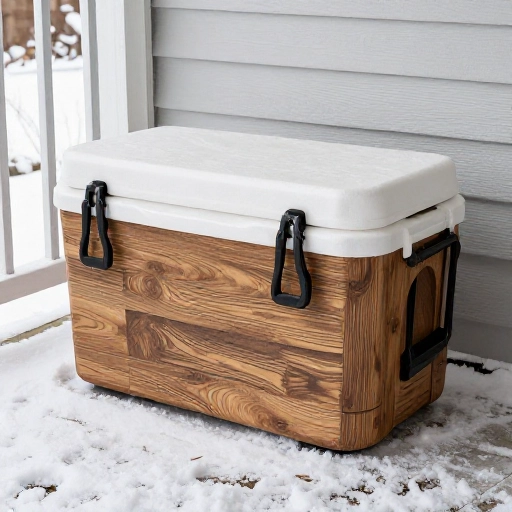
This is my go-to for emergency shelters. Grab a large styrofoam cooler from the grocery store. Cut a small door—about 6 inches wide—on one side. Line the inside with straw (not hay, straw is dry and warm).
Put the lid back on and tape it shut. For extra protection, place the cooler inside a plastic storage bin. Stuff the gap between cooler and bin with more straw or newspaper. Cats love how insulated styrofoam feels.
2. The Plastic Tote Transformation
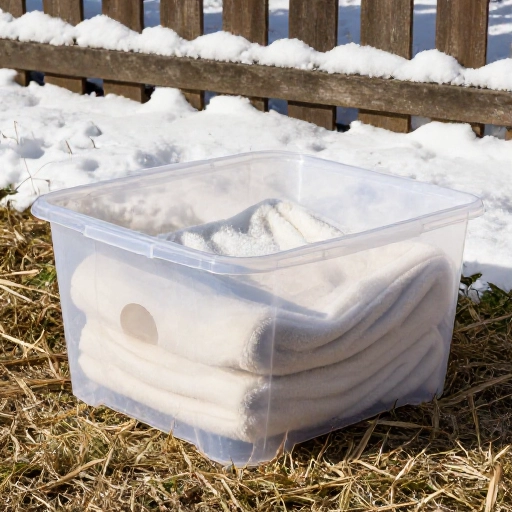
A sturdy 18-gallon plastic tote works wonders. Cut a 6-inch round hole in one short side. Sand the edges so no sharp plastic pokes a cat’s nose. Fill the inside with straw up to the door height.
Wrap the whole tote in an old blanket or bubble wrap, then tape it tight. I put a brick on top so wind doesn’t blow it away. This shelter stays dry even in heavy rain.
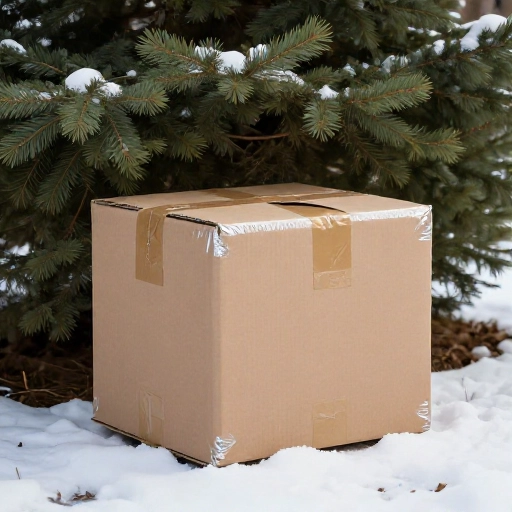
3. The Insulated Cardboard Castle
Cardboard alone won’t cut it. But layered cardboard with insulation works well. Take two large boxes—one slightly bigger than the other. Line the small box with a thick layer of newspaper or foam sheets.
Slide the small box inside the big one. Fill the gap with crumpled newspaper or old rags. Cut a door in both boxes, aligned. Cover the whole thing with a trash bag and duct tape. It’s not pretty, but it’s warm.
4. The Heated Cat Igloo
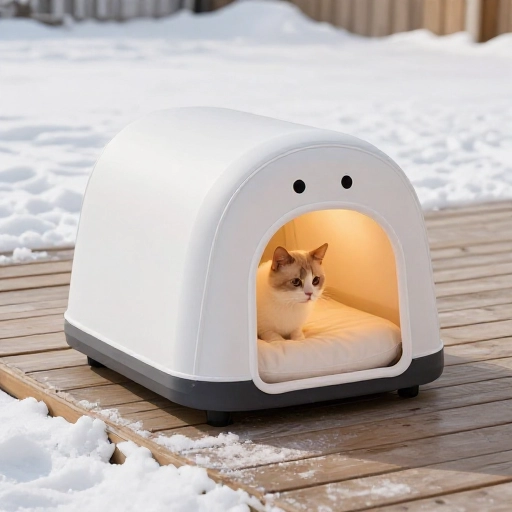
If you can run an extension cord safely, a heated pad is a game-changer. Buy a pet-safe heating pad (they don’t get too hot). Place it inside a plastic igloo-style cat house from a pet store.
I always put a thick towel over the pad so claws don’t puncture it. Add straw on top for extra warmth. Check the cord often for damage. Cats will camp out here all night long.
5. The Under-Deck Hideaway
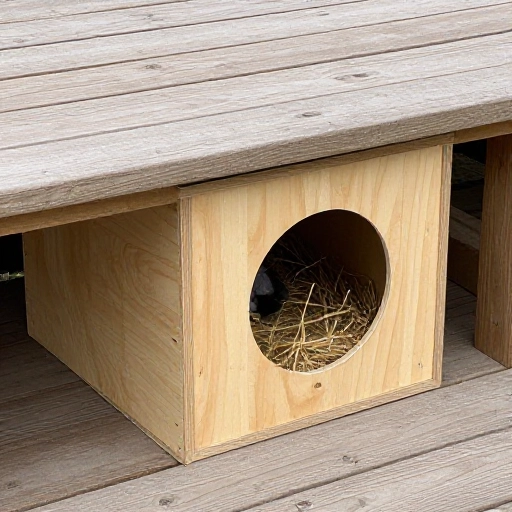
Got a deck or porch? Use the space underneath. Build a simple wooden box with a slanted roof. Make it big enough for two cats to snuggle. Use plywood for walls and line the inside with foam board insulation.
Cut a small door and add a flap made from a heavy plastic strip or an old car mat. Place it on bricks so it stays dry. This one blends right into your yard.
6. The Straw Bale Fortress
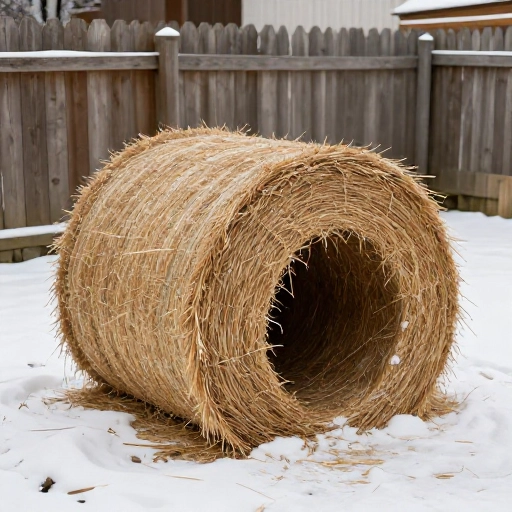
Straw bales are amazing insulators. Stack them into a U-shape, leaving a gap in the middle. Place a small wooden box or a plastic tote inside the gap. Top the bales with a piece of plywood for a roof.
Make sure the cat can squeeze between bales to reach the door. Straw bales block wind and hold heat. Just keep them dry—cover with a tarp if needed. This one looks rustic but works great.
7. The Repurposed Dog House Upgrade
Old dog houses can be winter-ready with a few tweaks. First, tilt the roof so rain runs off. Seal any cracks with caulk or tape. Line the inside with foam board or thick blankets.
Hang a heavy fabric strip over the door. I use an old pair of jeans cut into strips and sewn together. Fill the floor with straw. Dogs might be bigger, but cats love a spacious shelter with good insulation.
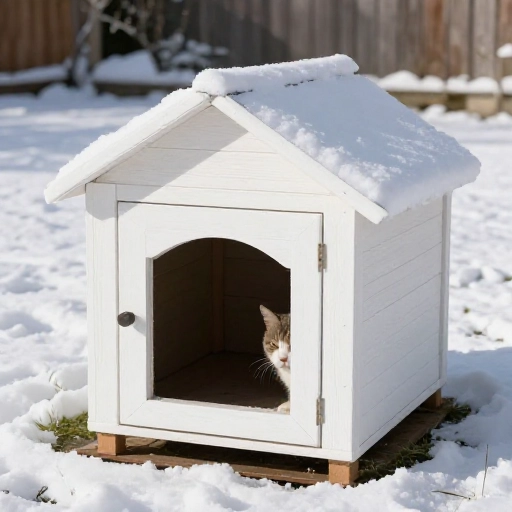
8. The Window Box Cat Cave
This one attaches to an outside window. Get a large plastic storage bin with a lid. Cut a hole in the side that lines up with your window sill. Screw a small wooden ramp from the window to the bin.
Line the bin with straw and put a small pet bed inside. Open your window just enough for the cat to climb out. They can come and go as they please. It’s like a private winter apartment.
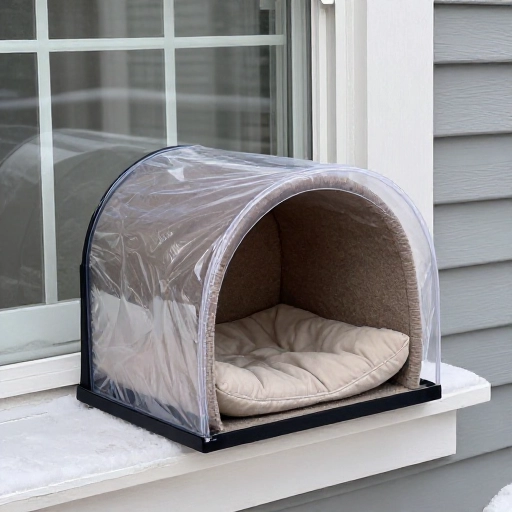
9. The Bucket Stack Shelter
Two 5-gallon buckets can become a cozy den. Flip one bucket upside down. Cut a door in the side. Place the second bucket on top like a hat. Tape them together with duct tape.
Fill the inside with straw. Wrap both buckets in an old blanket and then a trash bag. This is tiny but traps body heat really well. Perfect for a single cat who likes tight spaces.
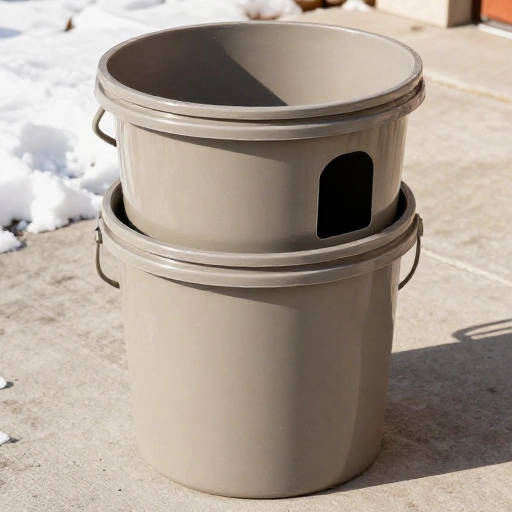
10. The Sleeping Bag Cocoon
An old sleeping bag can save a cat’s life. Lay it flat and fold it in half. Sew or pin the open side shut, leaving a small opening at one end. Place it inside a plastic tote for waterproofing.
Stuff extra rags or towels inside for cushioning. Cats burrow into the sleeping bag and stay incredibly warm. I keep one in my garage for neighborhood cats during cold snaps.
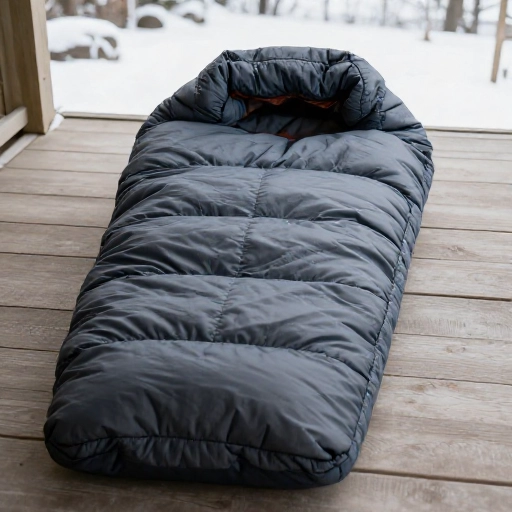
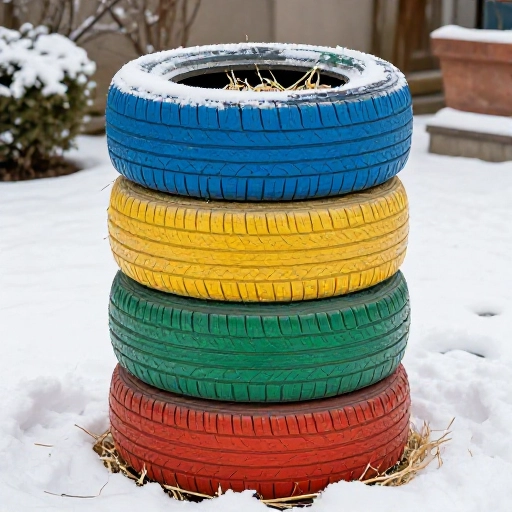
11. The Tire Tower House
Old tires are surprisingly good shelters. Stack two tires on top of each other. Fill the bottom tire with straw. Cover the top with a piece of plywood. Weigh the wood down with a brick.
Cut a door in the side of the bottom tire using a utility knife. Paint the tires black so they absorb sunlight during the day. The rubber traps heat and blocks wind. Just make sure tires are clean and free of sharp metal.
12. The Pallet & Foam Board Cabin
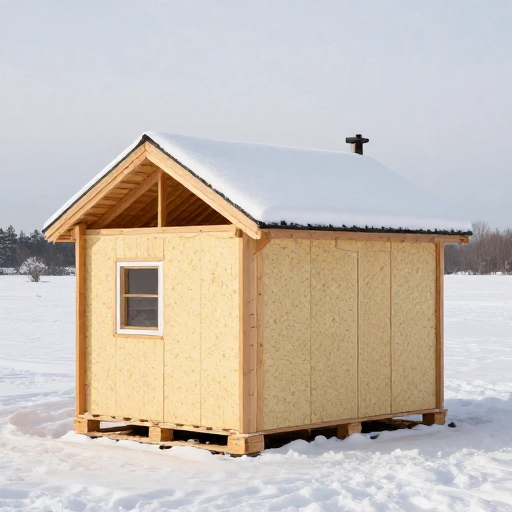
Pallets are free and easy to find. Stand four pallets on their sides to form a square. Nail them together. Place foam board insulation inside each wall. Top with a fifth pallet as a roof.
Cut a small door in one pallet. Add a flap made from a heavy tarp. Line the floor with straw and old blankets. This cabin is sturdy and can last for years. Paint it to match your garden.
Conclusion
Winter doesn’t have to be deadly for outdoor cats. A little effort and some basic materials can create a warm, dry space that makes all the difference. I’ve seen cats go from shivering to sleeping peacefully inside these shelters.
Pick one idea that fits your space and supplies. Even the simplest styrofoam cooler works wonders. Check the shelter weekly for dampness or damage. Your kindness can keep a cat safe until spring.
FAQ
1. What is the best material for warmth?
Straw is best. It stays dry and traps air. Avoid hay, blankets, or towels—they hold moisture and freeze.
2. How small should the door be?
About 6 inches wide. Just big enough for a cat to squeeze through. Smaller doors keep wind and predators out.
3. Can I use a heated cat bed?
Yes, but only pet-safe ones with chew-resistant cords. Always put a towel over it. Never use human heating pads unsupervised.
4. Where should I place the shelter?
Somewhere dry and sheltered. Under a porch, against a wall, or near bushes. Face the door away from wind. Elevate it on bricks or wood.
5. How often should I clean the shelter?
Once a week. Remove wet straw, wipe down surfaces, and add fresh straw. Cats won’t use a dirty, smelly house.