3 Quick Dog Boarding Facility Ideas for Beginners
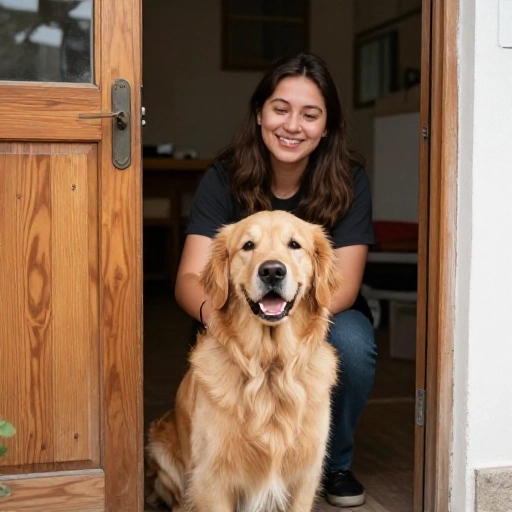
Starting a dog boarding business from scratch can feel like a lot. You might have the love for dogs but not the big budget or fancy space. I remember feeling stuck between wanting to help pets and not knowing where to begin. If that sounds like you, keep reading—I’ve got three simple ideas that don’t require a huge facility.
These ideas are perfect for beginners. They focus on safety, comfort, and making happy memories for both dogs and their owners. You don’t need a kennel with 50 runs. You just need a clear plan and a little creativity. Let’s walk through each idea step by step.
Think of this as your friendly guide to getting started without overwhelm. I’ll share what actually works in real homes and small spaces, so you can feel confident from day one.
1. The Cozy Home Boarding Setup
You don’t need a commercial building. Many pet parents actually prefer a home-like environment for their dogs. It feels less stressful and more like a sleepover. Start with just one or two dogs in your own home if you have a fenced yard.
Create a dedicated “guest room” with washable flooring and comfy beds. Use baby gates to block off areas that aren’t dog-proof. Rotate toys and offer quiet spaces for shy pups. This idea keeps startup costs low and builds trust fast.
Keep a simple daily routine: morning potty, playtime, rest, and evening walks. Dogs love predictability. Owners love updates with photos. You’ll fill up fast with word-of-mouth alone.

2. The Daycare-to-Boarding Hybrid Model
Start with daycare first, then add overnight stays. This lets you test the waters without full commitment. You can offer daycare from 7 a.m. to 7 p.m., and then boarding for your regular clients. It’s a natural next step.
Use a simple booking app or even a calendar. Set clear drop-off and pick-up windows. Offer a “daycare plus overnight” package so owners don’t have to rush. This hybrid model gives you steady daytime income while building your boarding reputation.
Start with just three to four dogs at first. You’ll learn their personalities and which ones get along. This makes overnight stays much smoother and safer for everyone.

3. The Pick-Up & Drop-Off Service Add-On
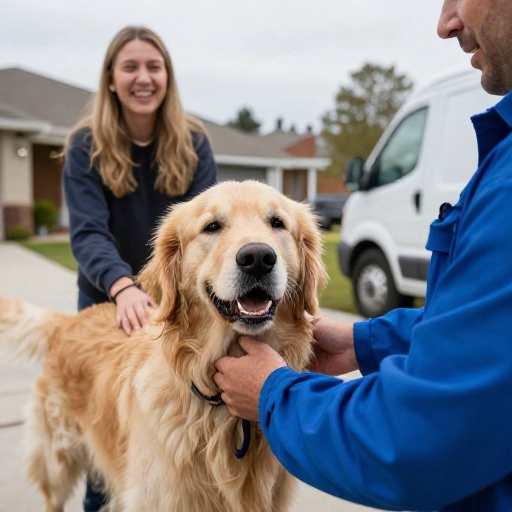
Many busy owners struggle with logistics. Offering a pick-up and drop-off service sets you apart immediately. You don’t need a fancy van—just a clean, well-ventilated car with a seat cover or crate.
Charge a small fee per trip or include it in your boarding rate. This convenience can fill your calendar faster than any ad. It also builds loyalty because you’re solving a real pain point.
Map out your service area clearly. Stick to a radius that makes sense for your time and gas. Offer a discount for clients who book multiple days with pick-up included. It’s a small effort with huge payoff.
4. Create a Simple Morning & Evening Routine
Dogs thrive on routine. Your boarding business will too. Write down a simple schedule for each day: feeding times, potty breaks, play sessions, and quiet time. Post it where you can see it easily.
Start each morning with a calm greeting and potty walk. Feed breakfast at the same time every day. Use afternoons for active play or training games. Evenings should wind down with cuddles and a final bathroom break.
This routine helps nervous dogs settle faster. It also helps you stay organized and not forget anything. Owners love hearing their dog followed a familiar schedule.

5. Stock Up on the Right Supplies (Without Overspending)
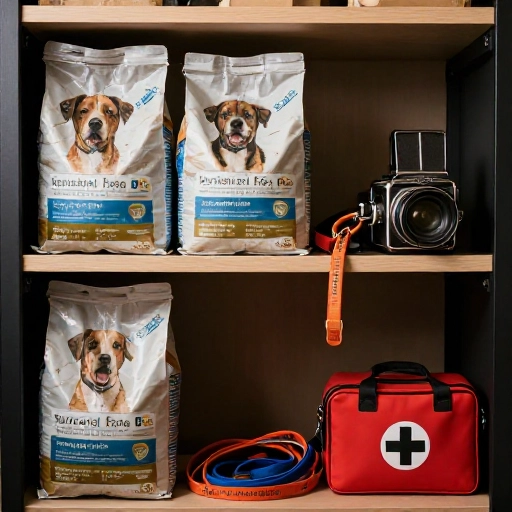
You don’t need to buy everything at once. Start with the basics: sturdy bowls, washable bedding, poop bags, and a first-aid kit. Add toys and treats gradually as you earn income.
Look for second-hand crates and beds that can be cleaned easily. Use old towels and blankets for bedding—they’re cheap and easy to wash. Keep a small supply of dog food for emergencies, but ask owners to bring their own.
Invest in a good vacuum and stain remover. Cleanliness is your best marketing tool. A clean space means healthy dogs and happy owners.
6. Set Safety Rules From Day One
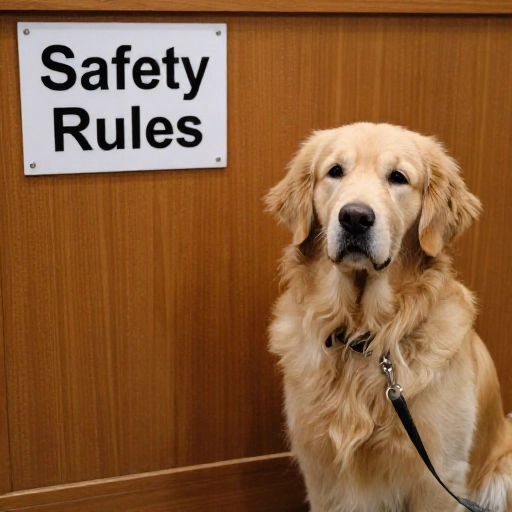
Safety isn’t just important—it’s everything. Have a simple intake form that asks about allergies, medications, and behavior quirks. Require proof of vaccinations before any stay.
Keep a first-aid kit handy and know basic pet CPR. Separate dogs during feeding time. Always supervise play between unfamiliar dogs. Have a quiet crate or room for dogs who need a break.
Write down a simple emergency plan. Know the nearest 24-hour vet clinic. Share your safety rules with owners so they trust you completely.
7. Use Low-Cost Marketing That Works
You don’t need a big website or ads. Start with a simple Facebook page or Instagram. Post photos of happy dogs playing and sleeping. Ask happy clients to leave reviews.
Offer a referral discount: “Bring a friend and get $10 off your next stay.” Partner with local pet stores or groomers for cross-promotion. Print simple flyers for dog parks and vet offices.
Word-of-mouth is your strongest tool. Be friendly, reliable, and responsive. Every happy owner becomes your salesperson.
8. Build a Simple Booking System
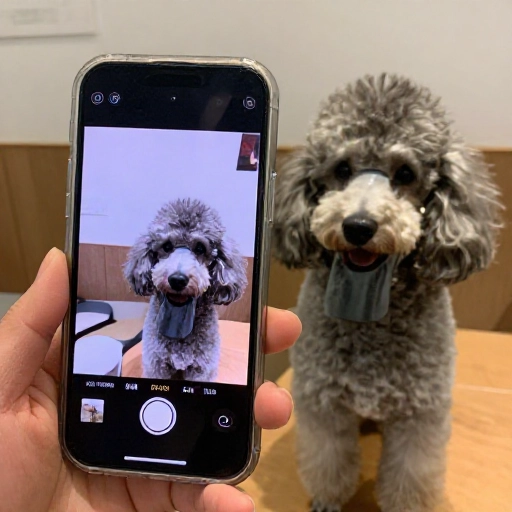
Use a calendar app or a free scheduling tool to manage bookings. Set clear policies for cancellations and deposits. Send reminders a day before each stay.
Keep a folder (digital or paper) for each dog with their owner’s contact info, vet details, and any special instructions. Update notes after each stay so you remember preferences.
A simple system prevents double-booking and confusion. It also makes you look professional even if you’re just starting out.

9. Focus on a Niche to Stand Out
You can’t be everything to everyone. Pick a niche you love. Maybe you specialize in small dogs, senior pets, or shy rescues. Or maybe you’re the only one who offers late-night pickups.
This makes your business memorable. Owners will say, “Oh, she’s great with anxious dogs!” or “He always takes the best photos of my pup.” A niche helps you market clearly and attract your ideal clients.
Start small and do one thing really well. Expand later if you want. Your niche becomes your superpower.

10. Get Insured and Stay Legit
Before you take any paying guests, get proper insurance. Pet business insurance protects you and the dogs. It’s not expensive and gives owners peace of mind.
Check your local laws about home-based pet care. Some areas require a license or inspection. Being legit from the start prevents headaches later.
Keep clear records of your income and expenses. Even a small business needs good paperwork. It helps at tax time and builds professionalism.
Conclusion
Starting a dog boarding business doesn’t have to be complicated or expensive. Focus on safety, routine, and connection with both dogs and their owners. Start small, learn as you go, and let happy clients spread the word.
Pick one idea from this list and take one small action today. Maybe it’s setting up a booking calendar or buying a crate. Every step counts. You’ve got this—and the dogs are waiting for you.
Frequently Asked Questions
1. Do I need a big house to start dog boarding?
No. Many successful boarders start with a small home and just 1–3 dogs. Focus on safety and comfort, not square footage.
2. How much should I charge for beginner boarding?
Research local rates and start slightly below to attract first clients. Raise prices as you gain experience and reviews.
3. What if a dog doesn’t get along with others?
Separate them during group time and offer solo play. Some dogs prefer being the only guest, and that’s okay.
4. Do I need a contract for each booking?
Yes. A simple agreement covering fees, policies, and liability protects both you and the owner. Keep it short and clear.
5. How do I handle emergencies after hours?
Have a vet’s number saved in your phone. Let owners know your emergency plan before the stay. Stay calm and act quickly.