How to Leash Train Your Puppy the Easy Way
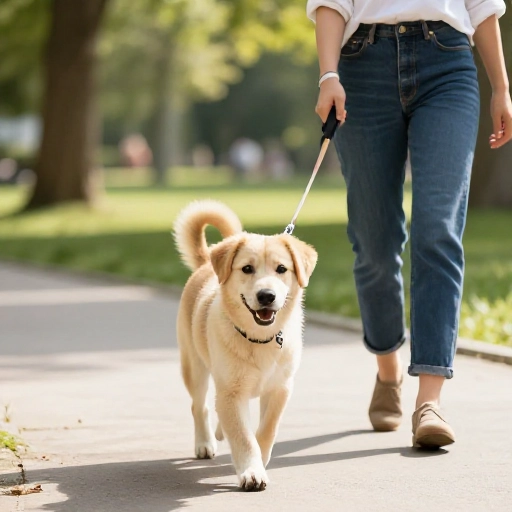
I remember the first time I clipped a leash onto my puppy’s collar. He looked at me like I had just attached a wild snake to his neck. He froze, flopped over, and refused to move. I panicked, thinking I had ruined walks forever.
Turns out, leash training doesn’t have to be a battle of wills. With a little patience and a few smart tricks, you can turn those awkward, tugging walks into peaceful, happy strolls. And yes, even your stubborn little floof can learn to walk nicely beside you.
Here’s exactly how I made leash training easy for my puppy—and how you can do it too.
Start Indoors, Not Outside
Don’t rush to the sidewalk on day one. Start in your living room or hallway where there are zero distractions. Your puppy needs to learn that the leash is no big deal before you add cars, squirrels, and neighbor dogs to the mix.
Let your puppy drag the leash around the house for a few minutes while you supervise. Pick it up and hold it loosely, letting them wander. Reward any calm behavior with a tiny treat. If they panic or bite the leash, stay calm and distract them with a toy.
Once they ignore the leash indoors, you’re ready for step two.
Use a Harness, Not Just a Collar
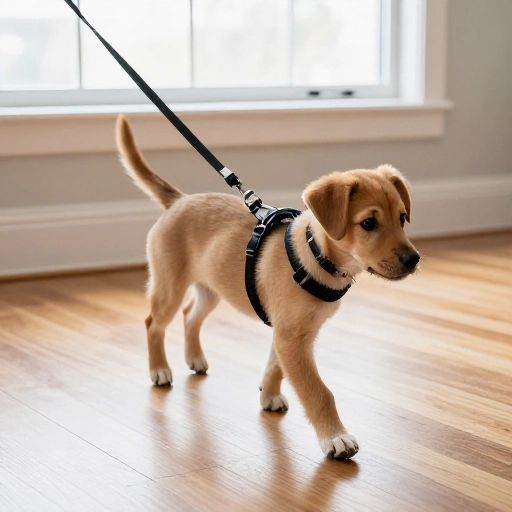
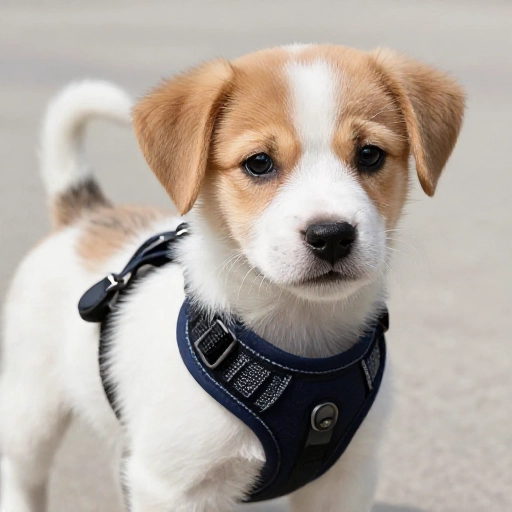
A collar puts pressure on your puppy’s neck, and most puppies instinctively pull against it. A good front-clip harness gives you more control and makes it easier to guide them without causing discomfort.
I switched to a harness after my puppy kept gagging on walks. It made an instant difference. He stopped pulling so hard, and I felt better knowing he was safe.
To train, let them wear the harness around the house for short periods. Clip the leash to the front ring for better steering. Reward them for wearing it calmly.
Teach “Let’s Go” with a Treat in Your Hand
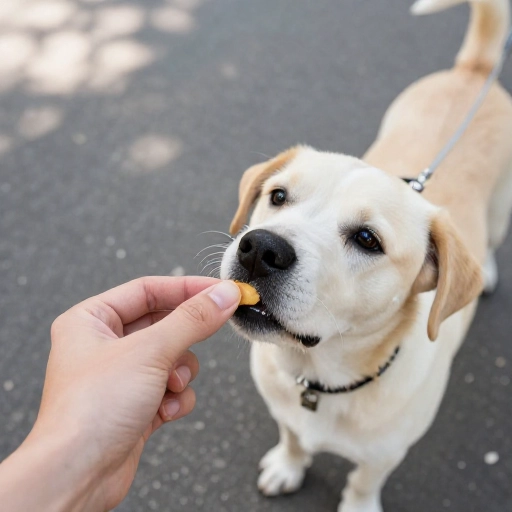
Hold a treat right in front of your puppy’s nose, say “Let’s go” in a happy voice, and take a few steps forward. When they follow the treat, give it to them. This teaches them that walking beside you equals good things.
Do this five or six times in a row, then stop. Keep sessions short—two to three minutes max. Puppies have tiny attention spans, and you want them to end the game wanting more.
After a few days, try saying “Let’s go” without showing the treat first. If they follow, reward big. If not, go back to the treat-in-hand method for another day.
Stop Every Time They Pull
Here’s the golden rule: pulling never works. If your puppy pulls ahead, stop walking completely. Stand still like a statue. Don’t say a word. Wait until the leash goes slack (even for one second), then start walking again.
At first, you might only move five feet in five minutes. That’s totally normal. Your puppy is learning that pulling = boring stop, and loose leash = fun walk.
Be consistent. Every single pull gets a stop. It feels tedious, but it works faster than you think.
Reward Eye Contact on Walks
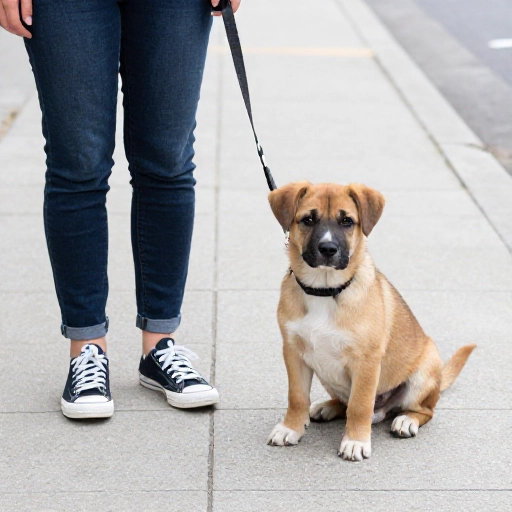
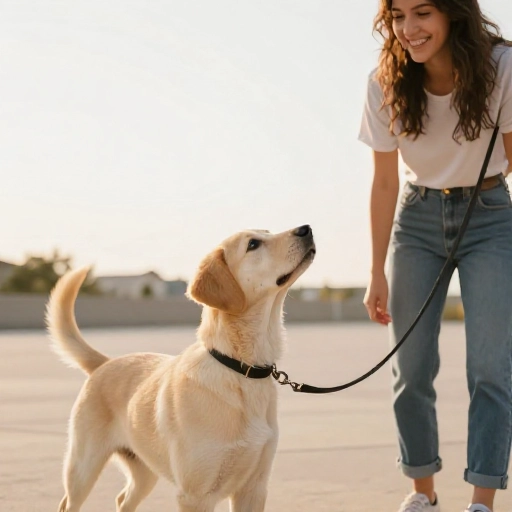
When your puppy looks back at you during a walk, that’s gold. It means they’re checking in, not just dragging you toward a smell. Reward that look with a treat and a happy “Good check!”
I started carrying a pouch of tiny, soft treats on every walk. Anytime my puppy glanced at me, I popped one in his mouth. Within a week, he was checking in constantly.
This builds a habit of paying attention to you instead of the world. It also makes loose-leash walking feel natural because they’re walking near you on purpose.
Practice in Short Bursts, Not Long Walks
A tired puppy isn’t always a well-behaved puppy. Overtired puppies get cranky and bitey, and they definitely won’t walk nicely. Keep training sessions super short—five minutes max for young puppies.
I aimed for two or three mini walks per day instead of one long one. This kept my puppy engaged and prevented him from getting overwhelmed. As he got older, we gradually increased the time.
Remember, leash training is about quality, not distance. A five-minute focused walk is better than a thirty-minute tug fest.
Use a Happy, High-Pitched Voice
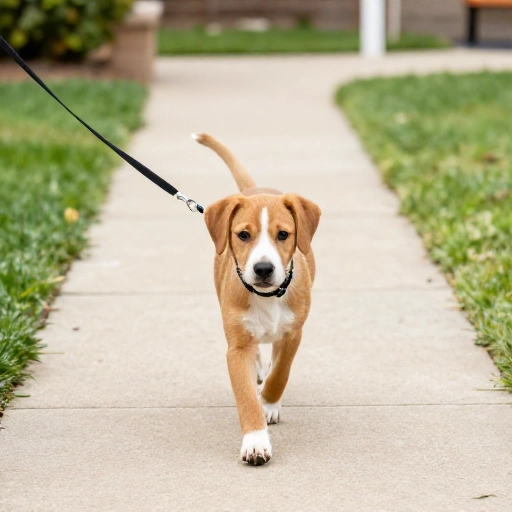
Your puppy reads your energy. If you sound stressed or angry, they’ll think walking is scary or bad. Keep your voice light, happy, and encouraging—even when you’re frustrated.
I used to get tense when my puppy pulled, and he pulled even more. Once I started using a silly, excited voice like “Let’s go, buddy! This way!”, he perked up and followed more willingly.
You don’t have to be a clown, but a cheerful tone makes a huge difference. Your puppy wants to please you. Show them that walking is a fun team activity.
Change Directions Often
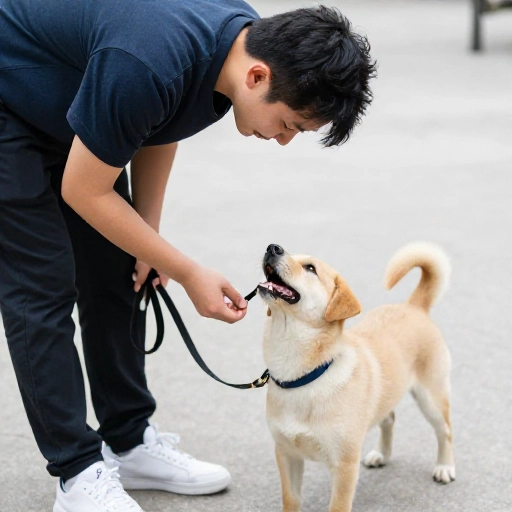
Instead of letting your puppy lead you straight ahead, surprise them by turning around and walking the other way. Call their name or make a kissy sound as you turn. When they follow, reward them.
This teaches your puppy to pay attention to where you’re going, not just where they want to go. It also breaks the habit of forging ahead.
I did this on every walk for the first month. My puppy learned to watch my feet, not just the horizon. It made loose-leash walking feel like a fun game of follow-the-leader.
Keep Treats Handy for Distractions
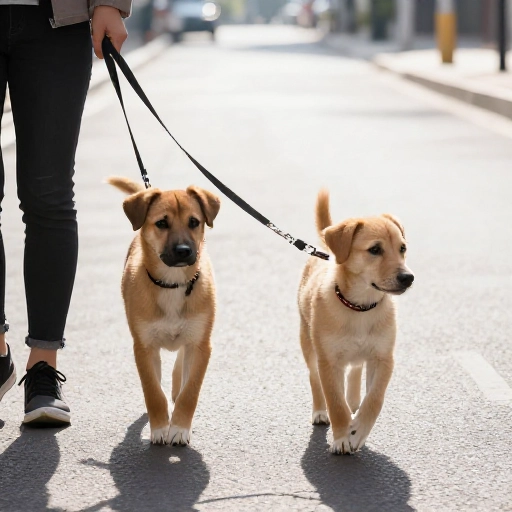
Squirrels, other dogs, and loud trucks will test your training. Prepare for these moments by having high-value treats ready. I used small pieces of boiled chicken or cheese for big distractions.
When you see a distraction coming, get your puppy’s attention with a treat before they react. Ask for a “sit” or “look at me.” Reward them for staying calm while the distraction passes.
Over time, your puppy will learn that ignoring distractions = treats. This takes practice, but it’s totally doable.
End Every Walk on a Positive Note
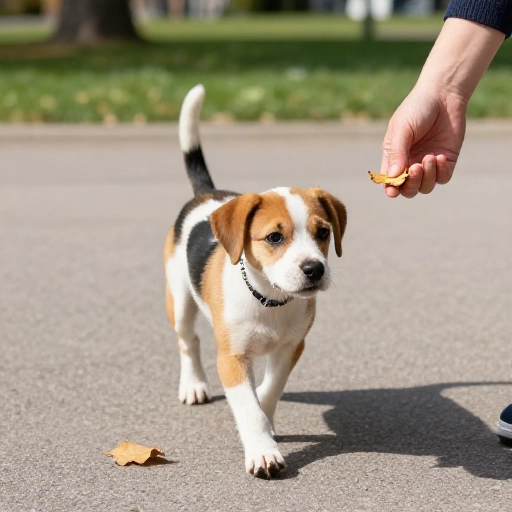
Don’t drag your puppy home when they’re tired or grumpy. End the walk while they’re still having fun. If they walked nicely for a few minutes, stop there, give lots of praise, and head home.
This builds a positive association with walks. Your puppy will think, “Walking is fun and I get treats and love.” They’ll be excited to go next time.
I always ended our short sessions with a little play session or a snuggle. It reinforced that walking together is a happy bonding time, not a chore.
Conclusion
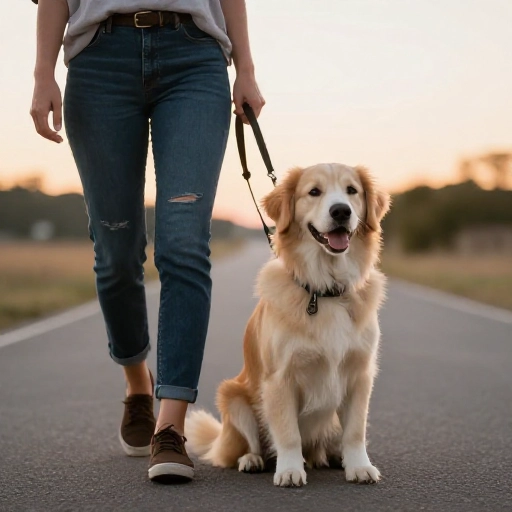
Leash training doesn’t happen in a day, and that’s okay. Your puppy is learning a whole new skill, and they’re doing their best. Be patient, stay consistent, and celebrate the small wins—like that one moment when they walk beside you without pulling.
Every calm step forward is progress. Your puppy wants to be with you. They just need a little guidance to learn how. You’ve got this.
FAQ
How long does it take to leash train a puppy?
Most puppies learn the basics in one to two weeks if you practice daily in short sessions. Full loose-leash walking can take a few months, especially with distractions.
My puppy bites the leash. What should I do?
Try spraying the leash with a bitter apple spray or offering a chew toy as a distraction. If they bite the leash, stop moving and wait. Don’t pull it away, as that turns it into a game.
Should I use a retractable leash for training?
No, avoid retractable leashes during training. They teach your puppy to pull because the tension stays constant. A standard six-foot leash gives you better control and clearer communication.
What if my puppy refuses to walk at all?
Stay calm and sit on the ground. Let them explore the area at their own pace. Use treats to encourage small steps forward. Never drag them. Some puppies just need time to build confidence.
Can I leash train an older puppy?
Absolutely. Leash training works at any age. Older puppies may have bad habits to unlearn, but the same methods work. Just be patient and consistent—it might take a little longer, but it’s totally possible.