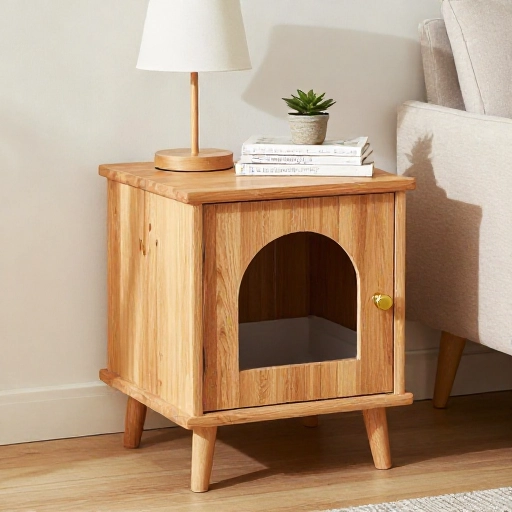
5 DIY Farmer’s Cat Food Recipes Your Feline Will Love
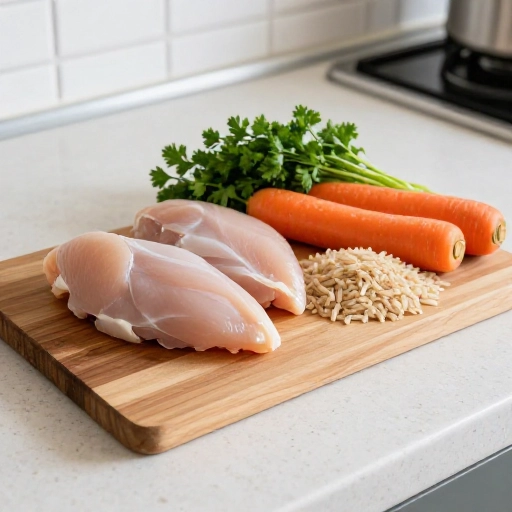
I never thought I’d be cooking for my cat, but here I am, standing in my kitchen on a Sunday afternoon, blending chicken livers and sweet potatoes. And you know what? My tabby, Mabel, has never been happier. She’s picky, the kind of cat who sniffs her food and walks away if it’s not fresh enough. But these homemade recipes? She licks the bowl clean every single time.
Cooking for your cat doesn’t have to be complicated or expensive. In fact, most of these recipes use simple ingredients you might already have in your fridge. Think of it as meal prep for your furry farmer friend—wholesome, hearty, and packed with the nutrients they need to thrive. Let’s get started!
Equipment You’ll Need
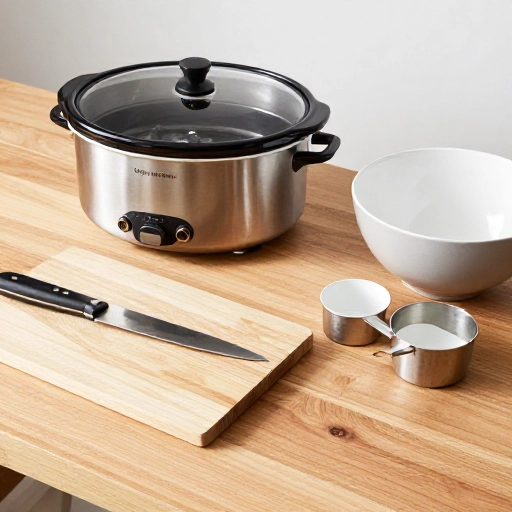
Before we dive into the recipes, let’s talk tools. You don’t need a fancy kitchen setup. I use a basic food processor, a medium-sized pot, and a few glass storage containers. A slow cooker can be handy for batch cooking, but a regular pot works just fine.
Here’s my go-to list: a sharp knife, cutting board, measuring cups, and a sturdy spoon. Oh, and don’t forget a fine-mesh strainer if you’re using bone broth. Trust me, you don’t want tiny bone fragments in your cat’s dinner.
One more tip: always use glass or stainless steel bowls for mixing. Plastic can absorb smells and bacteria over time. Your cat’s food deserves better!
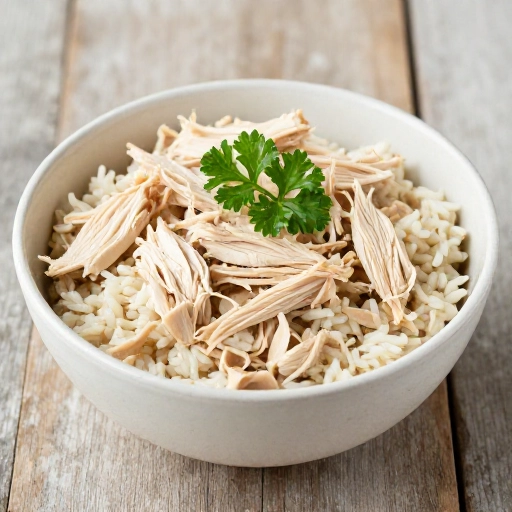
Recipe 1: Simple Chicken & Rice Stew
This is the recipe I make most often. It’s gentle on the stomach and perfect for cats who are a little finicky. My Mabel goes crazy for it.
Ingredients:
- 1 cup boneless, skinless chicken thighs
- 1/2 cup cooked brown rice
- 1/4 cup finely chopped carrots
- 1 tablespoon unsalted chicken broth (no onions or garlic)
How to Make It:
- Boil the chicken thighs in water until fully cooked (about 15 minutes). Let them cool, then shred into small pieces.
- Cook the brown rice according to package directions. You want it soft, not crunchy.
- Steam the carrots until tender, then mash them lightly with a fork.
- Mix everything together in a bowl. Add the chicken broth to give it a little moisture.
- Portion into small containers. Refrigerate for up to 3 days or freeze for longer storage.
Why This Recipe Works: Chicken is a lean protein that’s easy to digest. Brown rice provides fiber, and carrots add a touch of sweetness and vitamins. It’s like a comfort bowl for your cat.
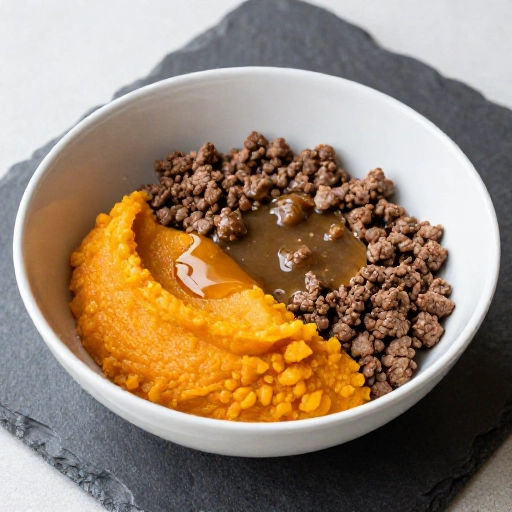
Recipe 2: Hearty Beef & Pumpkin Mash
Pumpkin is a superstar for cat digestion. I use canned pumpkin (100% pure, not pie filling) because it’s consistent and easy to find. This recipe is especially great for cats with sensitive tummies.
Ingredients:
- 1/2 pound ground beef (85% lean)
- 1/4 cup pure pumpkin puree
- 1 tablespoon finely chopped spinach (optional)
- A pinch of taurine powder (available at pet stores)
How to Make It:
- Brown the ground beef in a skillet over medium heat. Drain any excess fat.
- Let the beef cool slightly, then mix in the pumpkin puree.
- If you’re using spinach, steam it first, then chop it finely. Stir it into the mixture.
- Sprinkle in the taurine powder and mix well. Taurine is essential for cats—they can’t produce it on their own.
- Serve immediately or refrigerate for up to 2 days.
Why This Recipe Works: Beef is rich in iron and protein. Pumpkin helps regulate digestion, and spinach adds a boost of vitamins. The taurine ensures your cat gets the nutrients she needs for a healthy heart and eyes.
Recipe 3: Fish & Sweet Potato Delight
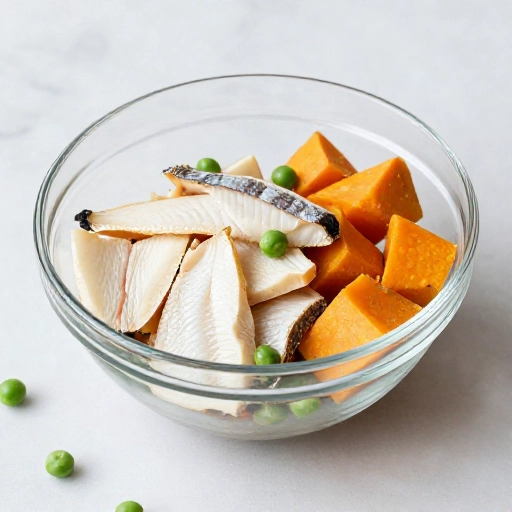
I was nervous about feeding my cat fish at first. I’d heard stories about mercury and bones. But this recipe uses canned salmon (packed in water, no salt added), which is safe and convenient. The sweet potato balances the richness of the fish.
Ingredients:
- 1 can (5 oz) wild-caught salmon, drained
- 1/2 cup mashed sweet potato (cooked and cooled)
- 1 tablespoon plain Greek yogurt (optional)
- 1 teaspoon fish oil (for extra omega-3s)
How to Make It:
- Flake the canned salmon into a bowl, removing any large bones.
- Mix in the mashed sweet potato until well combined.
- Stir in the Greek yogurt if you’re using it. This adds probiotics for gut health.
- Drizzle the fish oil over the mixture and stir gently.
- Serve right away or store in the fridge for up to 2 days. This recipe is best fresh.
Why This Recipe Works: Salmon is packed with omega-3 fatty acids, great for a shiny coat and healthy joints. Sweet potato provides complex carbs for energy, and the yogurt supports digestion. It’s a delicious, nutrient-dense meal.
Recipe 4: Turkey & Zucchini Bowl
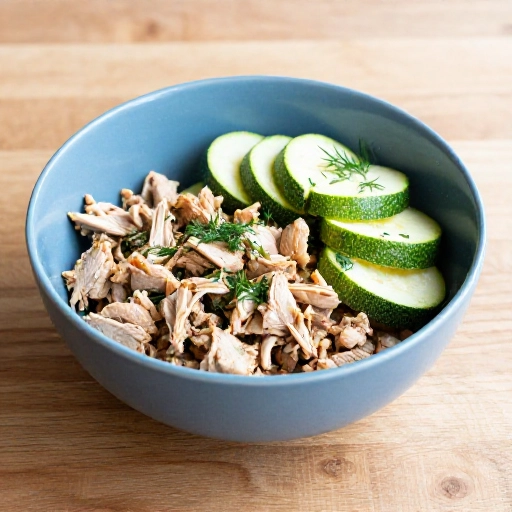
This is my go-to when I have leftover turkey from a roast dinner. Zucchini adds moisture without extra calories. My cat, Mabel, thinks she’s getting a treat, but it’s actually a balanced meal.
Ingredients:
- 1 cup cooked, shredded turkey (no skin or seasoning)
- 1/4 cup grated zucchini
- 1 tablespoon unsalted chicken broth
- 1/2 teaspoon dried catnip (optional, for fun)
How to Make It:
- Shred the turkey into small, bite-sized pieces.
- Grate the zucchini using a box grater. You don’t need to cook it—raw is fine and adds crunch.
- Mix the turkey and zucchini together in a bowl.
- Add the chicken broth to moisten the mixture. Sprinkle with catnip if your cat enjoys it.
- Serve immediately. This recipe doesn’t store well because the zucchini releases water, so make it fresh.
Why This Recipe Works: Turkey is a lean, low-fat protein. Zucchini is hydrating and low in calories, making it perfect for weight management. Catnip is just for fun—it can make mealtime more exciting for your feline friend.
Recipe 5: Liver & Oatmeal Porridge
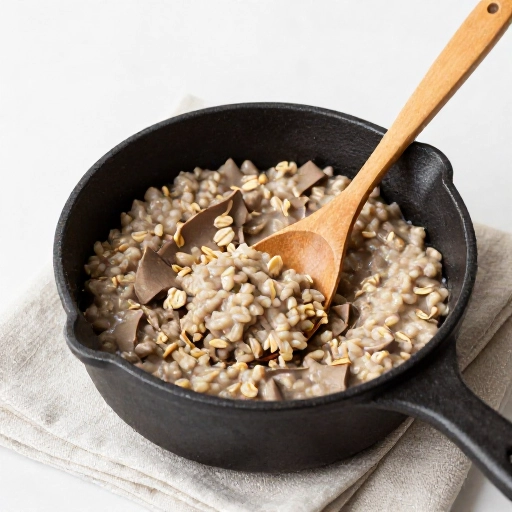
Okay, this one sounds a bit odd, but hear me out. Liver is incredibly nutrient-dense, and oatmeal provides a gentle source of fiber. I make this once a week as a special breakfast for Mabel.
Ingredients:
- 2 ounces chicken liver (cleaned and trimmed)
- 1/4 cup rolled oats
- 1/2 cup water
- 1 teaspoon unsalted butter
How to Make It:
- Cook the chicken liver in a pan with a little water until no longer pink inside (about 5 minutes). Let it cool, then chop into tiny pieces.
- In a small pot, bring the water to a boil. Add the oats and reduce heat to low. Cook for 5 minutes, stirring occasionally, until the oatmeal is thick and creamy.
- Stir in the butter until melted.
- Mix in the chopped liver. Let the porridge cool to room temperature before serving.
- Portion into small servings. Refrigerate for up to 2 days.
Why This Recipe Works: Liver is a powerhouse of vitamin A, iron, and B vitamins. Oatmeal is gentle on the stomach and provides sustained energy. The butter adds a tiny bit of fat for taste and calorie density. Just don’t overdo it—liver should be fed in moderation.
Tips for Success & Safety
Before you start cooking, a few important notes. Always check with your vet before switching your cat to a homemade diet, especially if they have health issues. Cats have specific nutritional needs, like taurine and arginine, that must be met.
Rotate recipes to keep things interesting. I like to alternate between chicken, beef, and fish so Mabel gets a variety of nutrients. And always introduce new foods slowly—mix a little with their current food for a few days.
Storage matters. Most of these recipes keep in the fridge for 2-3 days. I freeze single servings in silicone molds for easy portioning. Just thaw overnight in the fridge before serving.
One more thing: never use onions, garlic, or excessive salt in your cat’s food. These are toxic to felines. Stick to simple, whole ingredients and you’ll be fine.
Frequently Asked Questions
Q1: Can I use raw meat instead of cooked?
A: I recommend cooking all meat for safety. Raw meat can carry bacteria like salmonella that can make your cat sick. Cooking also makes the nutrients more digestible.
Q2: How much should I feed my cat per day?
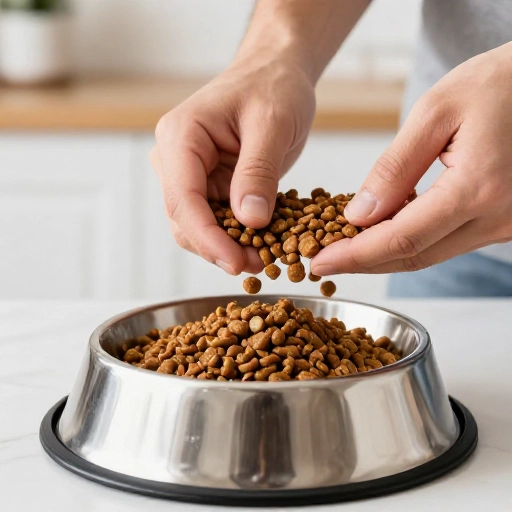
A: It depends on your cat’s size, age, and activity level. A general guideline is about 2-3% of their body weight per day. For an average 10-pound cat, that’s roughly 4-6 ounces of food daily, split into two meals. Always check with your vet for personalized advice.
Q3: Do I need to add supplements to these recipes?
A: Yes, I highly recommend adding a taurine supplement to all homemade cat food recipes. Cats cannot produce taurine on their own, and it’s vital for their heart and eyesight. You can find taurine powder at most pet stores or online.
Q4: Can I substitute ingredients in these recipes?
A: Absolutely. You can swap chicken for turkey, or pumpkin for sweet potato. Just make sure any substitutions are cat-safe. Avoid grapes, raisins, and chocolate entirely. If you’re unsure, a quick online search can help.
Q5: How long can I store homemade cat food in the freezer?
A: Properly stored in airtight containers, homemade cat food will last up to 3 months in the freezer. I like to label each container with the date and recipe name. Thaw in the fridge overnight, never at room temperature.
Final Thoughts
Cooking for your cat is one of the most rewarding things you can do as a pet parent. It’s not about being a gourmet chef—it’s about knowing exactly what goes into your furry friend’s bowl. Every time I watch Mabel dig into her homemade dinner, I feel a little proud.
Start with the Simple Chicken & Rice Stew if you’re nervous. It’s foolproof and your cat will love it. Then experiment with the other recipes as you get comfortable. Remember, your cat doesn’t need perfection—they just need love and good food.
So grab your apron and get cooking. Your feline farmer friend is waiting for their next delicious meal!