13 Natural Remedies for Dog Anxiety: Calm Your Pup the Safe Way
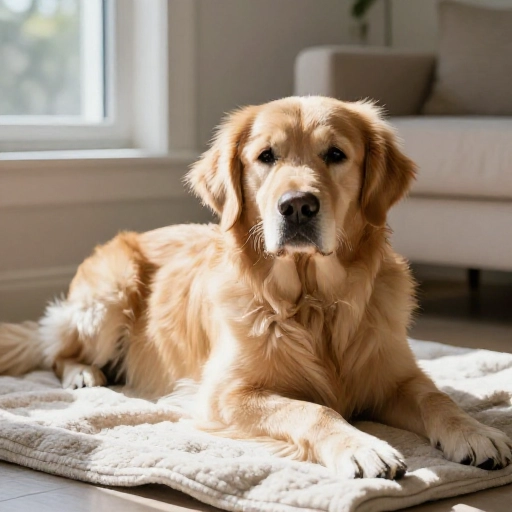
If you’ve ever come home to shredded pillows or watched your pup tremble through a thunderstorm, you know how heartbreaking dog anxiety can be. I’ve been there. My own rescue dog, Milo, used to pace and whine for hours whenever I left the house. It’s tough to see them struggling.
The good news? You don’t always need a prescription to help your furry friend feel safe. There are plenty of gentle, natural remedies that can make a big difference. These are the strategies I’ve tried and tested with my own anxious pup, and they work without harsh side effects.
Let’s walk through 13 safe, effective ways to bring calm back into your home. Remember, always check with your vet before starting a new routine, especially if your dog’s anxiety is severe.
1. The Power of a Weighted Blanket
Just like people, dogs can find deep pressure therapy incredibly soothing. A weighted blanket or a snug-fitting anxiety wrap applies gentle, constant pressure. It feels like a warm hug, which can release calming hormones.
Start with a light weight—around 5-10% of your dog’s body weight. Let them sniff it first, and never leave it on unsupervised. I drape one over Milo during fireworks, and he settles down within minutes.
You can buy a dog-specific wrap or repurpose a small child’s weighted blanket. Just make sure it’s breathable.

2. Chamomile Tea (Yes, Really)
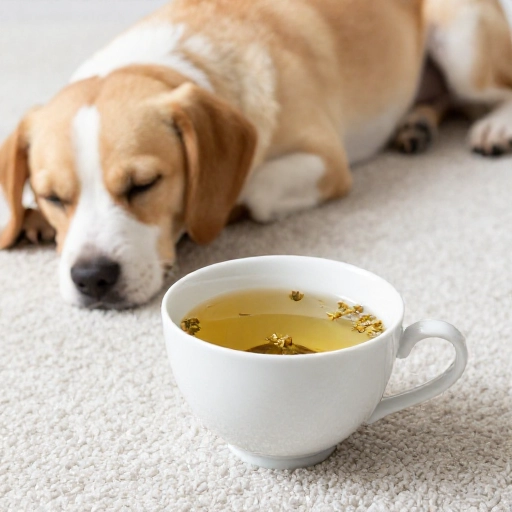
Chamomile isn’t just for humans. This gentle herb is known for its mild sedative properties. A little cooled chamomile tea can help take the edge off before a stressful event.
Brew a cup, let it cool completely, then add a tablespoon or two to your dog’s water bowl. Start with a small amount to see how they react. Never use tea with caffeine or added sugars.
Some dogs love the taste, others turn up their nose. If your pup is picky, try a chamomile-infused dog treat instead.
3. Create a Safe Den
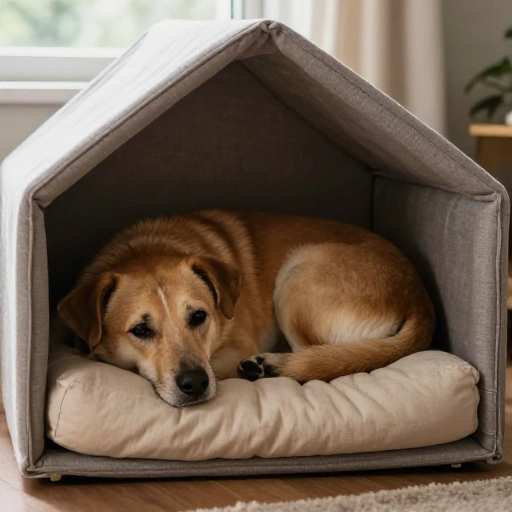
Sometimes the best remedy is a quiet corner. Dogs are den animals by nature, and a cozy, enclosed space can feel like a fortress. I turned a corner of my living room into Milo’s “calm cave.”
Use a crate with a soft blanket draped over it, or set up a bed in a closet. Add a familiar toy or an old t-shirt that smells like you. The goal is a quiet, low-traffic spot where your dog can retreat.
Let your pup discover it on their own. Toss a treat inside. Make it their happy place, not a punishment zone.
4. Lavender Aromatherapy
Lavender’s calming scent is backed by science. Studies show it can lower stress levels in dogs. But we’re not talking about harsh essential oils—just a gentle, diluted approach.
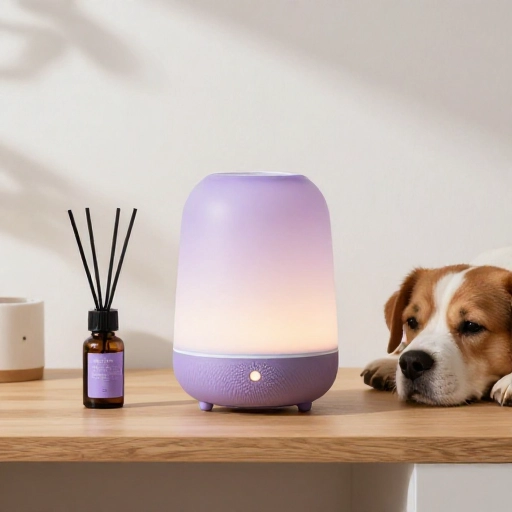
Put a few drops of dog-safe lavender oil on a cotton ball and place it near their bed (but out of reach). You can also use a lavender-scented spray made for dogs. Never apply oils directly to their skin.
I spritz Milo’s bed before a storm. The scent alone seems to signal “time to relax.” Always choose high-quality, pet-safe products.
5. Calming Music or White Noise
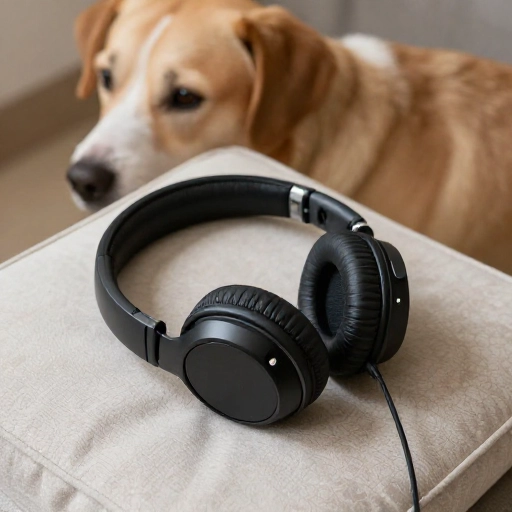
Loud, sudden noises are a major trigger. But soft, rhythmic sounds can mask those scary sounds and help your dog settle. Classical music with a slow tempo works wonders for many pups.
I have a playlist just for Milo. It’s mostly piano and soft strings. When I leave for work, I leave it playing on low volume. The consistency seems to comfort him.
You can also try white noise machines or even a fan for gentle background hum. Just keep the volume low—dogs have sensitive ears.
6. L-Theanine Supplements
L-Theanine is an amino acid found in green tea. It promotes relaxation without drowsiness. For dogs, it helps ease nervousness during travel or vet visits.
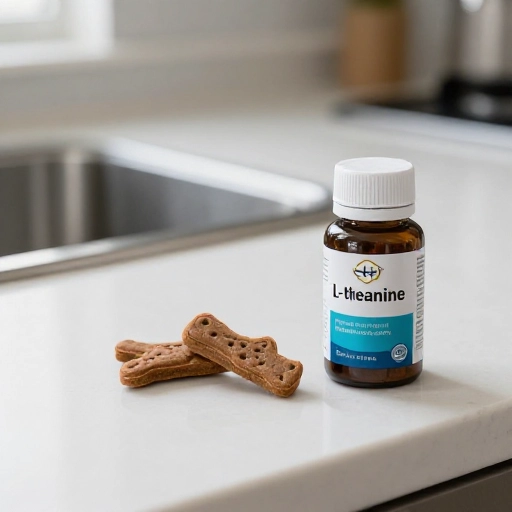
You’ll find it in many natural calming chews. Look for a product with pure L-Theanine and few other ingredients. Start with the recommended dose for your dog’s size.
Milo gets one about 30 minutes before a car ride. It doesn’t knock him out, just takes the edge off his panting.
7. Exercise Before Stressful Events
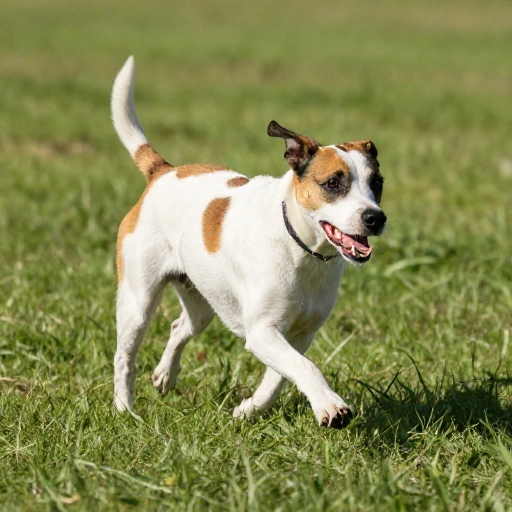
A tired dog is a calm dog. Physical activity burns off that nervous energy. A long walk, a game of fetch, or even a short run can make a huge difference.
I always take Milo for a brisk walk before a visitor comes over. He’s much less jumpy when he’s already a little worn out. The key is to tire them mentally too—try some simple training tricks.
Just don’t overdo it. You want them relaxed, not exhausted. A 20-minute walk is often enough.
8. CBD Oil for Dogs
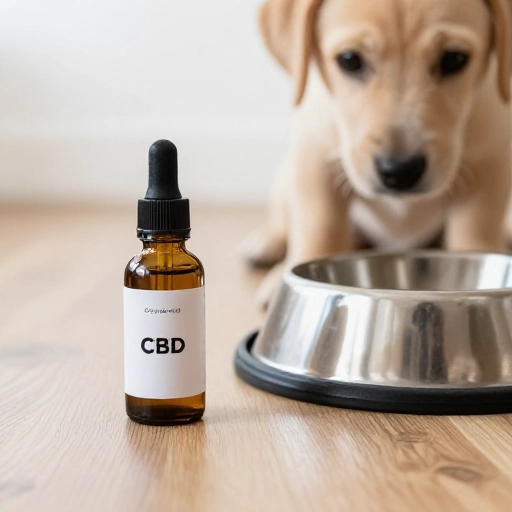
CBD oil has become a popular natural option for anxiety. It interacts with your dog’s endocannabinoid system to promote a sense of calm. Many pet parents swear by it.
Always choose a product made specifically for pets, with no THC. Start with a low dose and observe your dog’s reaction. I use a dropperful in Milo’s dinner on high-anxiety days.
It can take 30-60 minutes to work, so plan ahead. And yes, talk to your vet first—especially if your dog is on other medications.
9. Massage and Touch
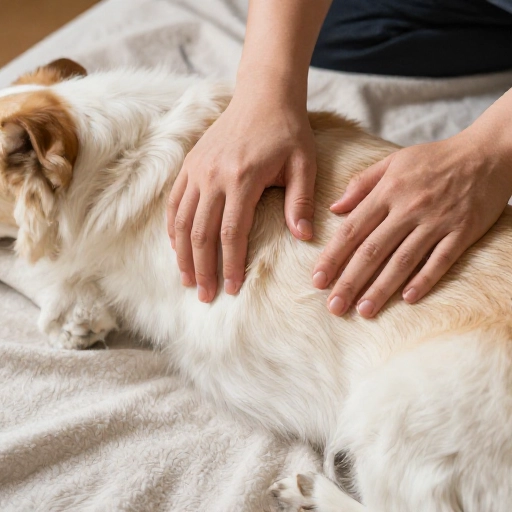
Physical touch releases oxytocin, the “bonding hormone.” A gentle massage can lower your dog’s heart rate and ease muscle tension. It’s also a great way to bond.
Start at the neck and shoulders, using slow, circular motions. Watch for signs of enjoyment—soft eyes, relaxed tail. If they lean into your hand, you’re doing it right.
I do this during TV time. It’s become a nightly ritual for us both. Even five minutes can make a difference.
10. Pheromone Diffusers
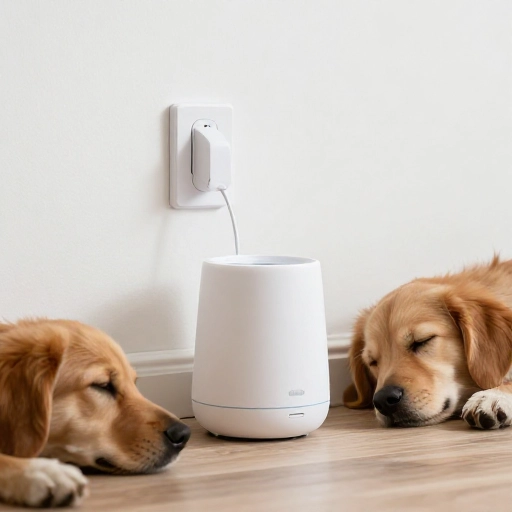
Dogs communicate through scent. Synthetic pheromones mimic the calming signals a mother dog gives her puppies. Plug-in diffusers release these scents into the room.
They’re subtle but effective for some dogs. You won’t smell anything, but your pup will. Place the diffuser in the room where your dog spends most of their time.
Milo’s diffuser is in the living room. I noticed less pacing within a few days. It’s not a cure-all, but it’s a helpful tool in the toolbox.
11. Herbal Calming Treats
Many pet stores sell chews with ingredients like valerian root, passionflower, and ginger. These herbs have been used for centuries to soothe nerves.
Read the label carefully. Look for treats with simple, recognizable ingredients. Avoid fillers and artificial flavors. Start with half a treat to test tolerance.
I keep a stash in my bag for unexpected vet visits. They’re convenient and easy to give. Just remember, they work best when given before anxiety peaks.

12. Routine and Predictability
Dogs thrive on structure. A predictable daily routine can reduce anxiety because your pup knows what to expect. Feed, walk, play, rest—all at roughly the same time.
I set alarms for Milo’s meals and walks. The repetition makes him feel secure. Even small rituals, like a special treat at bedtime, provide comfort.
Anxiety often stems from uncertainty. A steady routine is one of the simplest, most effective remedies there is.
13. Interactive Puzzle Toys
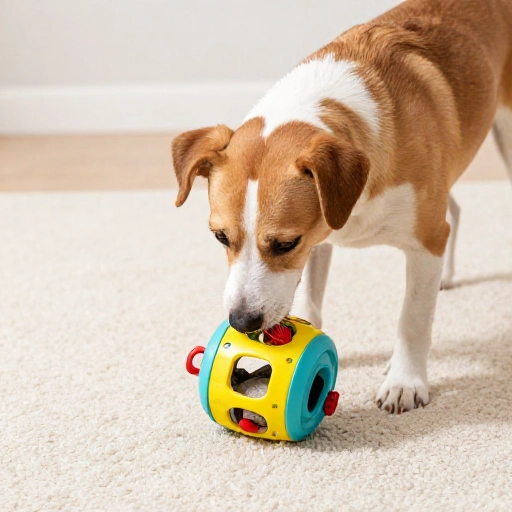
A busy mind is a calm mind. Puzzle toys that dispense treats can distract your dog from their worries. The mental challenge is both tiring and rewarding.
Fill a Kong with peanut butter (xylitol-free) and freeze it. Or use a snuffle mat to hide kibble. The act of sniffing and problem-solving is naturally calming.
Milo gets his puzzle toy when I leave the house. He’s so focused on the treat that he barely notices the door closing.
Conclusion
Helping an anxious dog takes patience, love, and a little creativity. Not every remedy works for every pup, and that’s okay. Start with one or two ideas, see how your dog responds, and adjust from there.
The goal isn’t to “fix” your dog—it’s to help them feel safe. Your calm presence is the most powerful tool you have. With time, you’ll find the combination that brings peace to both of you.
Always listen to your dog. If natural remedies aren’t enough, don’t hesitate to reach out to your vet or a professional trainer. You’re not alone in this journey.
[[IMG:IMG15]]
Frequently Asked Questions
Can I use human anxiety medication for my dog?
No, never give your dog human medication without a vet’s guidance. Many human drugs are toxic to dogs. Always use products made specifically for pets.
How long does it take for natural remedies to work?
It varies. Some, like massage or music, work immediately. Others, like supplements or pheromones, may take a few days or weeks to show effects. Be patient.
Are essential oils safe for dogs?
Only a few are safe, and they must be heavily diluted. Lavender and chamomile are generally safe when used properly. Never apply undiluted oils to your dog’s skin or let them ingest them.
What if my dog’s anxiety is severe?
Natural remedies can help, but severe anxiety may need professional help. Talk to your vet or a veterinary behaviorist. There’s no shame in using medication when needed.
Can I use multiple remedies at once?
Yes, but introduce them one at a time. That way you can see what works and what doesn’t. Combining a few strategies—like a safe den plus calming music—can be very effective.