Morning Puppy Routine for Easier Potty Training: 10 Simple Steps That Finally Worked for Me
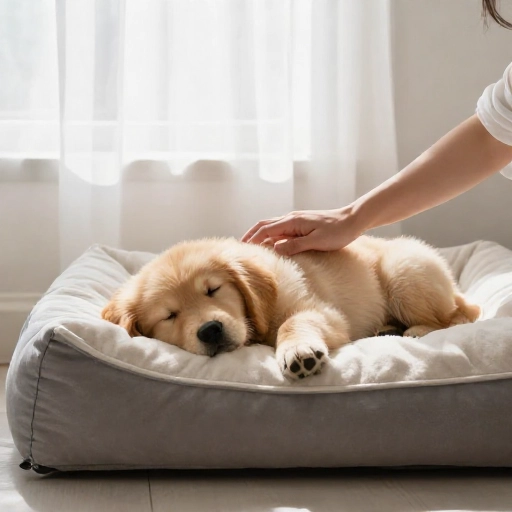
When I first started potty training my puppy, I thought the hardest part would be the middle of the night. Turns out, the morning rush was the real make-or-break moment. My puppy woke up with a tiny bladder, a big appetite, and a whole lot of energy — and if I wasn’t ready, accidents happened fast.
What changed everything for me was creating a calm, predictable morning puppy routine. Not a complicated one. Just the same simple steps in the same order every day. Puppies thrive on rhythm, and once my puppy learned what came first, potty training got so much easier.
Below is the exact morning routine I wish I had known from day one. It’s practical, Pinterest-friendly, and easy to tweak for your own puppy’s age and breed. If you’re tired of cleaning up surprised puddles before coffee, this is for you.
1. Wake Up at the Same Time Every Morning
I used to hit snooze and hope my puppy would magically sleep in. Nope. Puppies have tiny bladders, and their bodies run on routine. Waking up at the same time each morning helped my puppy learn when potty time was coming.
I’m not saying you need to wake up at 5 a.m. forever. Just pick a reasonable time and stick with it — even on weekends. That consistency made the biggest difference in our potty training progress.
When my puppy knew what to expect, he stopped pacing and whining as much. The morning felt less like a surprise attack and more like a team routine.
2. Go Outside Before You Do Anything Else
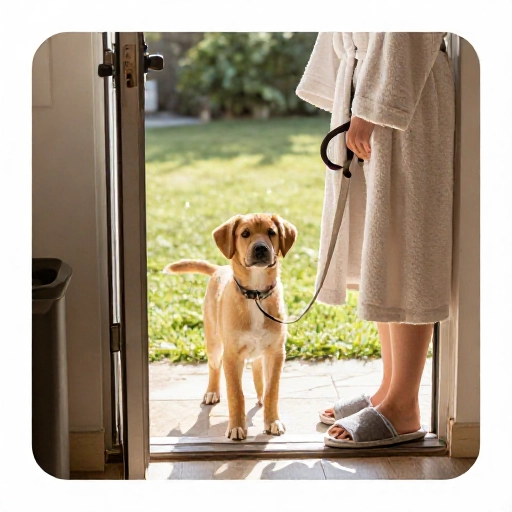
Before coffee. Before checking my phone. Before even saying good morning, I clipped on the leash and took my puppy straight outside. This one habit prevented so many accidents.
Puppies often need to potty within minutes of waking up. If I stopped to pour coffee or answer a text, that was enough time for a puddle by the door.
- Pick your puppy up from the crate if they’re very young.
- Keep the leash on so they don’t wander or get distracted.
- Go straight to the potty spot, no detours.
The goal is simple: empty bladder first, then everything else. Once I treated morning potty like the emergency it often is, our accident count dropped fast.
3. Choose One Potty Spot and Stick to It
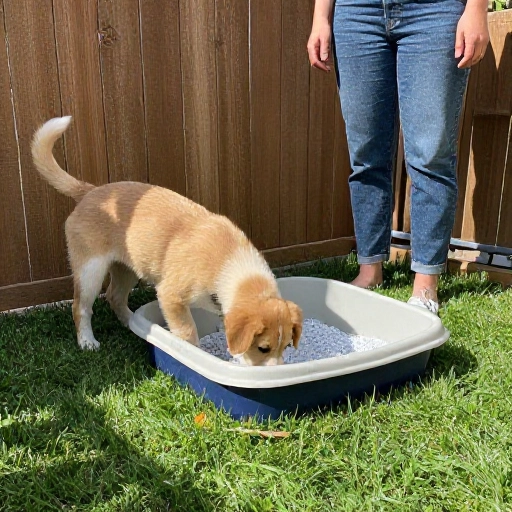
I tried letting my puppy choose his own potty spot in the yard, and he mostly chose “wherever the wind blows.” That didn’t help either of us. So I picked one small patch near the fence and used it every single morning.
Dogs are scent-driven. When a spot already smells like potty, it sends a clear message: this is the bathroom. I took the same path to that spot every time, and soon my puppy started heading there on his own.
If you live in an apartment, choose one patch of grass or one pee pad area and keep it consistent. The less your puppy has to guess, the faster they learn.
4. Use a Simple Potty Cue Word Every Time
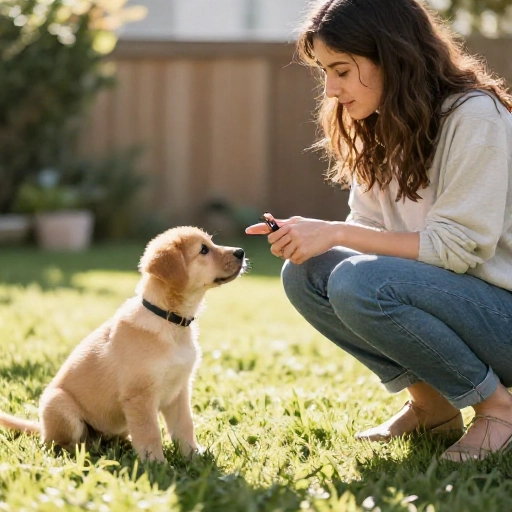
I started saying “go potty” in a calm, quiet voice every time my puppy was in his spot. I didn’t chant it or repeat it ten times. Just one clear cue, then I waited.
The magic happened when he finally went. I praised him right away — not after we walked back inside. “Yes! Good potty!” in a happy voice, then a tiny treat. That instant feedback helped him connect the word, the action, and the reward.
Now when I say “go potty,” my puppy knows exactly what I mean. It’s one of the most useful phrases we have, especially on rushed mornings.
5. Keep the First Hour Calm and Boring
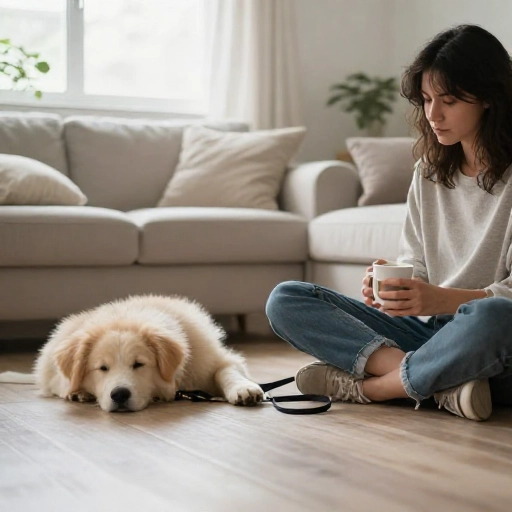
After potty, my instinct was to play and cuddle and make morning fun. But too much excitement made my puppy forget he had just emptied his bladder. Then he’d zoom around and suddenly need to go again.
I learned to keep the first hour after potty calm and boring. A quiet cuddle, a chew toy, or just sitting together was enough. Save the wild play for after the next potty break.
This wasn’t about being strict. It was about protecting the progress we just made. A calm puppy is a puppy who can hold it a little longer while you finish your coffee.
6. Feed Breakfast at the Same Time Daily
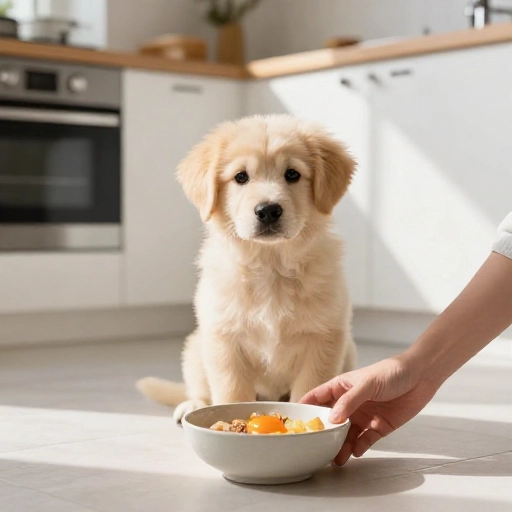
Feeding my puppy breakfast at the same time every morning made our whole potty schedule more predictable. Food in means potty out — usually within 10 to 30 minutes.
I fed him right after his first morning potty, not before. That way, he wasn’t trying to eat with a full bladder. And I logged the time in my phone so I could spot patterns.
- Same food, same bowl, same place.
- Same time each morning, even on weekends.
- Fresh water available, but watch how much they gulp.
When breakfast is consistent, your puppy’s digestion becomes more consistent too. That’s a win for everyone.
7. Watch for Post-Breakfast Potty Cues
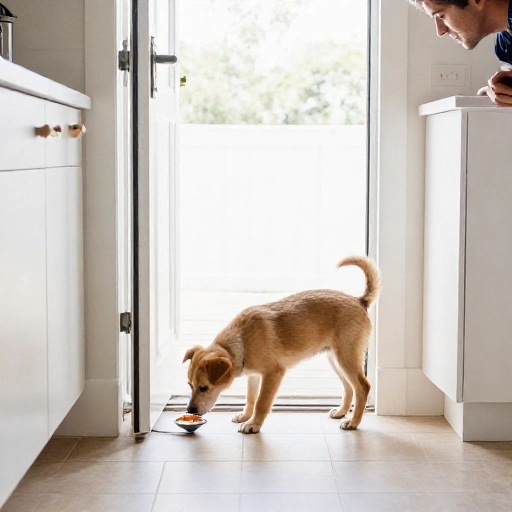
After breakfast, I became a puppy detective. I watched for sniffing, circling, whining, or that sudden “I’m on a mission” walk toward the door. Those were my cues to head outside immediately.
I stopped waiting for my puppy to whine loudly. By then, it was often too late. Instead, I took him out proactively about 10 to 20 minutes after eating, even if he seemed fine.
- Sniffing the floor? Go out.
- Circling or pacing? Go out.
- Suddenly quiet and hiding? Go out.
If I caught an accident starting, I didn’t scold. I calmly interrupted, picked him up, and took him to the potty spot. Then I praised him for finishing outside.
8. Add a Short Training or Play Session After Potty
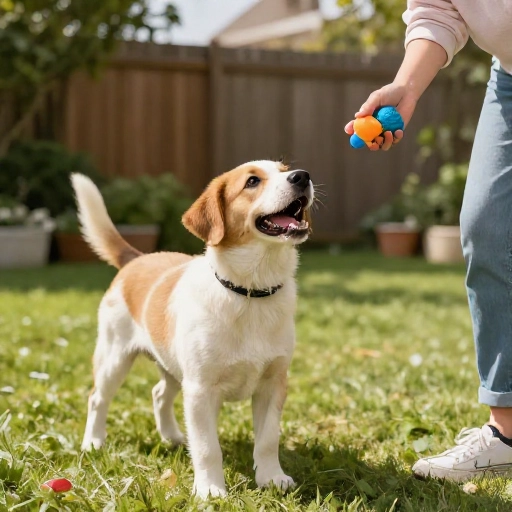
Once my puppy pottied outside, I rewarded him with a short, low-key play or training session. This taught him that potty first leads to fun after. It also burned a little energy before his morning nap.
I kept it to five or ten minutes. A few sits, a gentle game of tug, or a puzzle toy were enough. Nothing too wild that would make him need to pee again instantly.
This step made potty training feel less like a chore and more like a partnership. My puppy started offering potty behavior because he knew good things followed.
9. Track Morning Potty Wins and Accidents
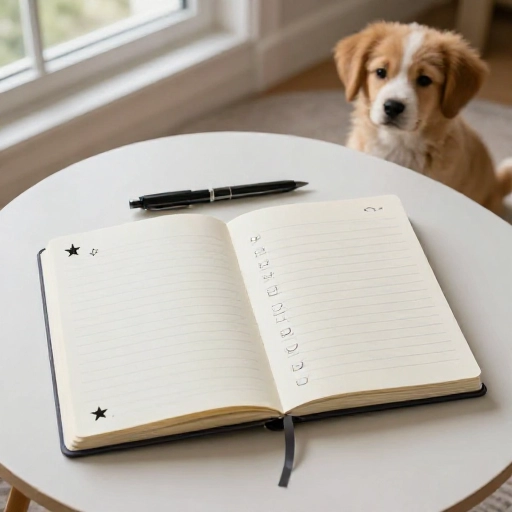
I kept a simple note on my phone: time of potty, time of breakfast, any accidents, and what happened right before. After a week, patterns popped out. My puppy almost always needed to go again at 7:20 a.m., like clockwork.
Tracking helped me adjust the routine without guessing. It also gave me something useful to share with our vet when we had questions.
- Note the time your puppy wakes up.
- Note when they potty outside successfully.
- Note any accidents and what led up to them.
You don’t need a fancy chart. A notes app or a scrap of paper works. The point is to learn your puppy’s rhythm, not to be perfect.
10. Plan a Mid-Morning Potty Break Before Nap
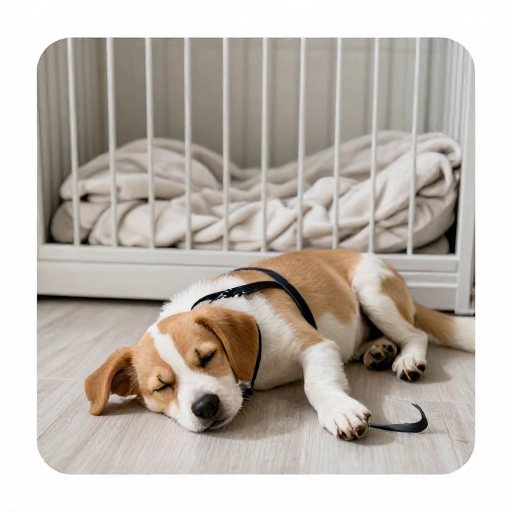
Puppies can’t hold it for long, especially after breakfast, play, and training. I learned to plan one more potty break before my puppy’s morning nap. That single break stopped a lot of crate accidents.
I set a timer for about an hour after the last potty, or whenever my puppy started getting sleepy. Then we went out to the same spot, used the same cue, and celebrated the same way.
After that, my puppy went down for a nap while I finally had my coffee. The morning felt less chaotic, and potty training started to feel like a routine instead of a race.
Conclusion: Small Morning Habits, Big Potty Training Wins
Potty training didn’t get easier because I found some secret trick. It got easier because I made the morning predictable. Same wake-up, same potty spot, same cue, same reward. Puppies don’t need perfect owners — they need consistent ones.
There were still accidents. Some mornings I moved too slowly, and some days my puppy was just distracted. But the routine gave us a baseline to come back to. Instead of starting from scratch every day, we built on small wins.
If you’re in the messy middle of puppyhood, pick just one or two steps from this morning routine and try them tomorrow. Then add another. Before you know it, your puppy will be leading you to the door instead of surprising you on the rug.
FAQ
How long should a morning puppy potty routine take?
For most puppies, the core routine takes about 10 to 20 minutes: wake up, go outside, potty, praise, breakfast, and another potty break. Add play or training and it can stretch to 30 minutes, but the potty parts are quick.
Should I wake my puppy up to go potty in the morning?
If your puppy is very young, yes. Young puppies often can’t hold it through the night. Waking up at a consistent time and taking them out immediately helps prevent accidents and builds a reliable schedule.
What if my puppy won’t potty outside in the morning?
Stay calm and quiet. Give them five to ten minutes in the potty spot. If nothing happens, bring them inside, supervise closely, and try again soon. Don’t let them roam free until they’ve pottied.
Should I use pee pads as part of our morning routine?
Pee pads can work for very young puppies or apartment living, but they can confuse potty training if you’re also teaching outdoor potty. If you use them, keep them in one spot and transition to outside as soon as your puppy is ready.
How do I stop morning accidents for good?
Go outside before anything else, use the same potty spot, watch for early cues, and clean accidents with an enzyme cleaner. Most importantly, keep the routine consistent. Your puppy learns from repetition, not perfection.