7 Reasons Dogs Dig + How to Stop It Fast (No More Holes in Your Yard!)
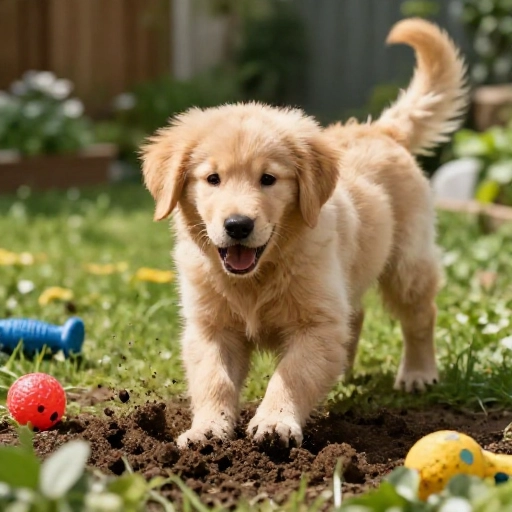
I still remember the morning I walked outside and found my sweet Labrador, Daisy, standing proudly next to a crater that looked like a small meteor had landed. She wagged her tail like she’d just won an award. I was not amused.
If you’re here, you’ve probably had a similar moment. Maybe it’s a few tiny holes near the fence, or maybe your whole backyard looks like a minefield. Either way, dog digging is frustrating—but it’s also one of the most common and fixable behaviors.
I spent weeks reading, testing, and gently redirecting Daisy. Here are the seven real reasons dogs dig, plus the fastest ways I found to stop it without turning my yard into a battle zone.
1. Boredom and Pent-Up Energy
The number one reason I see in most dogs? Plain old boredom. If your dog isn’t getting enough physical exercise or mental stimulation, digging becomes their version of a hobby.
Think about it: you’re gone for eight hours, the backyard is the same every day, and there’s no puzzle, no playmate, no job. Digging is fun, satisfying, and gives them something to do.
Fast fix: Increase exercise. A brisk walk, a game of fetch, or a puzzle toy can make a huge difference. I started giving Daisy a frozen stuffed Kong before I left, and the digging dropped by half in a week.
2. Instinct and Breed Tendencies
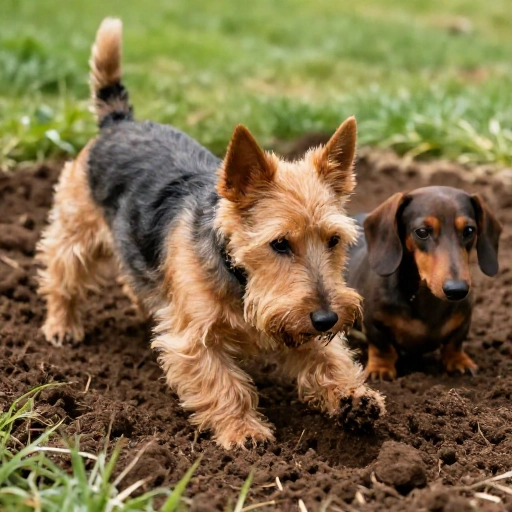
Some dogs are literally born to dig. Terriers, Dachshunds, and Beagles were bred to flush out prey from underground. Northern breeds like Huskies dig to make cool beds in the snow.
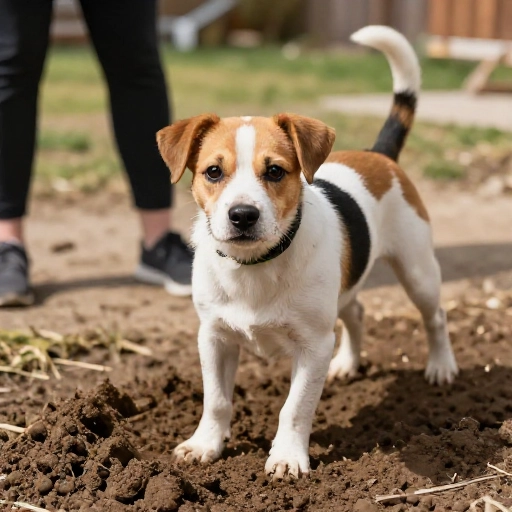
Even if your dog is a mixed breed, that instinct doesn’t just disappear. My neighbor’s Jack Russell mix would dig along the fence line every single day—not because she was bored, but because her brain said “there might be something down there.”
Fast fix: Give them a legal digging spot. I made Daisy a sandbox filled with loose dirt and buried toys in it. Whenever she started digging elsewhere, I’d redirect her to her box and reward her. It took repetition, but it worked.
3. Seeking Comfort (Temperature and Denning)
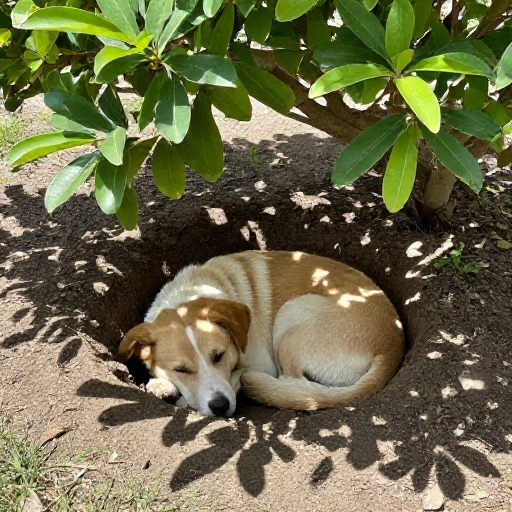
Dogs dig to stay cool in summer and warm in winter. If you’ve ever seen your dog scrape out a shallow pit and lie in it, that’s pure comfort.
Pregnant dogs or dogs who feel insecure may also dig “dens” to feel safe. It’s a natural nesting behavior.
Fast fix: Provide a cool, shaded spot in summer and a warm, insulated dog house in winter. I added a mesh cot for Daisy in the shade, and she stopped digging near the rose bushes.
4. Hiding Treasures (and Food)
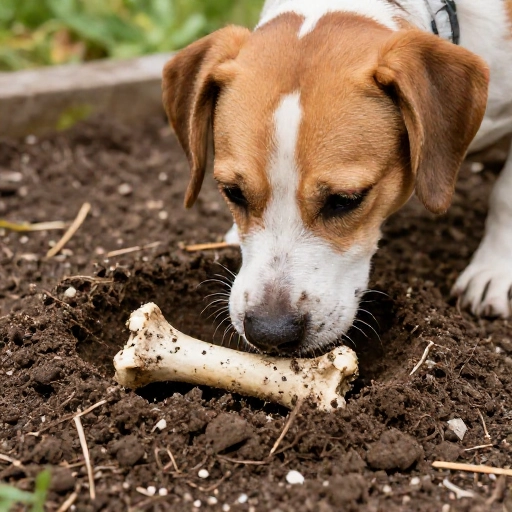
Dogs bury bones, toys, and even kibble. It’s an ancient survival instinct: save it for later.
If you have multiple dogs, one might dig to hide a prized chew from the others. I’ve watched Daisy “bury” a biscuit in the couch cushions—same instinct, different surface.
Fast fix: Feed meals on a schedule, pick up leftovers, and offer safe chew toys instead of real bones. If your dog is a serious hoarder, give them a designated digging pit where they can bury and unbury toys to their heart’s content.
5. Anxiety and Stress
Digging can be a coping mechanism. Dogs with separation anxiety often dig near doors, fences, or gates—trying to escape or just release nervous energy.
Changes like a new baby, a move, or a loud thunderstorm can trigger it. I noticed Daisy dug more during fireworks season.
Fast fix: Address the anxiety first. Crate training, calming chews, or a chat with your vet can help. For mild cases, I left a worn T-shirt of mine near her favorite digging spot, and it seemed to soothe her.
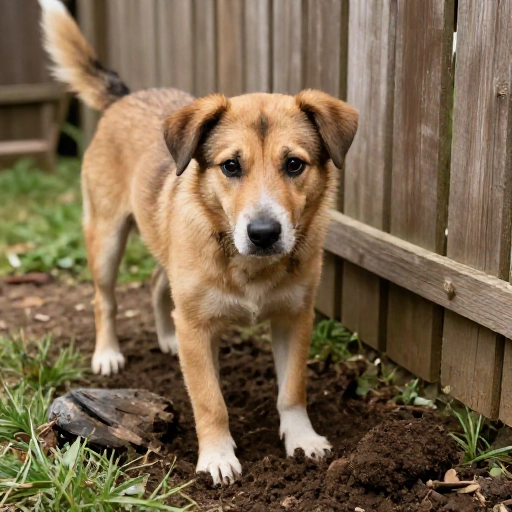
6. Attention-Seeking (They Know It Works)
Dogs are smart. If digging makes you come outside, yell, or chase them, that’s attention—even if it’s negative.
I learned this the hard way. Every time Daisy dug, I’d run out and scold her. She started digging more. A trainer told me, “Any reaction is a reward for a bored dog.”
Fast fix: Ignore the digging when you catch it (if safe), and reward the opposite. I started praising Daisy every time she chewed a toy instead of the lawn. It felt silly, but it worked.
7. Escape or Chase
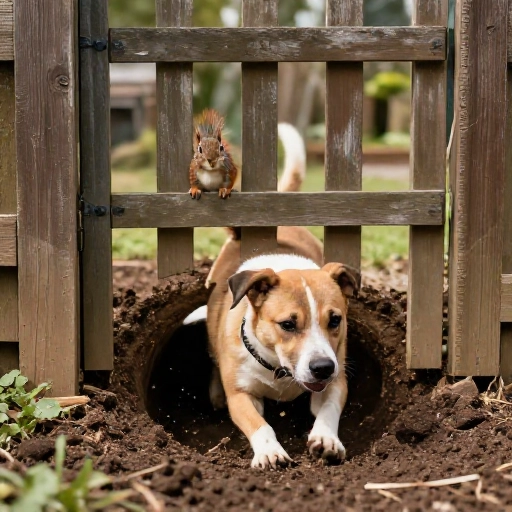
If your dog digs along the fence, they might be trying to get out—to chase a squirrel, visit a neighbor dog, or just explore.
This is the most dangerous reason because it can lead to them getting lost or hurt. My friend’s husky dug under the fence twice before she installed wire mesh.
Fast fix: Bury chicken wire or paving stones along the fence line. Also, supervise outdoor time and block visual triggers like roaming cats. For serious escape artists, a secure kennel run or a tie-out (never leave them unattended) can help.
Final Thoughts: You Can Stop the Digging
Digging is not a personal attack on your yard. It’s a dog being a dog—bored, instinctual, anxious, or just trying to get comfortable. Once you figure out the “why,” the fix becomes much clearer.
Start with more exercise and mental games. Then add a designated digging spot and remove the rewards for digging (like your attention). Be patient. Daisy still slips up when she’s bored, but my yard is no longer a construction site. Yours can get there too.
FAQ: Quick Answers About Dog Digging
Q: Why does my dog dig after it rains?
A: Wet soil is softer and easier to dig. Plus, the smells come alive after rain—it’s like a treasure hunt for their nose.
Q: Is digging ever a sign of a health issue?
A: Rarely, but excessive licking or digging at one spot could indicate pain, allergies, or even a skin infection. If it’s sudden and obsessive, check with your vet.
Q: What’s the fastest way to stop dog digging?
A: Combine more exercise, a designated digging pit, and ignoring the behavior when it happens. Consistency is key—most dogs improve in 1–2 weeks.
Q: Do dog repellents work for digging?
A: Some sprays and granules can help, but they’re a band-aid. They don’t fix the root cause like boredom or anxiety. I tried one; Daisy just dug two feet to the left.
Q: Should I punish my dog for digging?
A: No. Punishment usually makes anxiety worse and can damage your bond. Redirect and reward the behavior you want instead.