New Puppy Shopping List: Essentials vs Nice-to-Haves (What I’d Buy First)
Bringing home a puppy is equal parts joy and mild panic. I remember standing in a pet store aisle, staring at forty kinds of chew toys, wondering which ones actually mattered. The honest truth? You need far less than the internet wants you to buy.
So I split everything into two piles: the stuff your puppy genuinely needs in the first week, and the extras that are lovely but can wait. That way you’re not spending $400 before your puppy has even peed on your rug.
Here’s the list I wish someone had handed me — organized by category, with a clear line between essential and nice-to-have.
1. Crate and Bed: The Sleep Setup That Saves Your Sanity
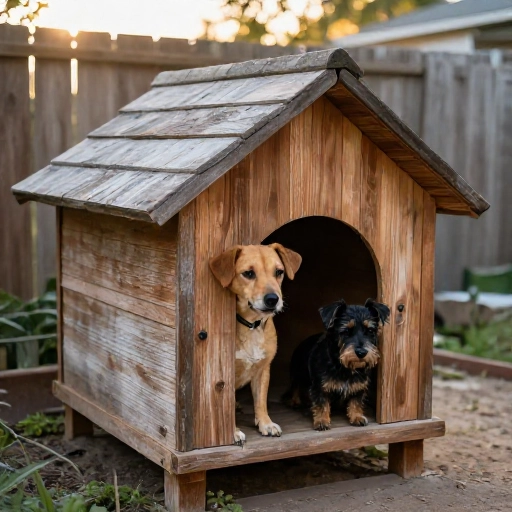
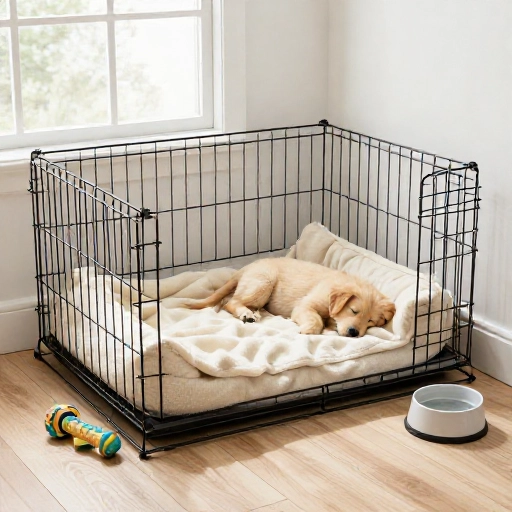
A crate is the one thing I’d never skip. It gives your puppy a safe den, speeds up potty training, and keeps them out of trouble when you can’t watch them. Get one that fits their adult size with a divider panel so it grows with them.
For bedding, start cheap on purpose. Puppies chew, shred, and occasionally have accidents. A washable pad or a couple of old towels beats a fancy orthopedic bed in month one.
- Essential: crate with divider, washable crate pad, two blankets you don’t love
- Nice-to-have: plush bed, crate cover, cooling mat
Set the crate up in your bedroom for the first few nights. Trust me — you’ll all sleep better when your puppy can hear you breathing nearby.
2. Food, Bowls, and a Feeding Routine
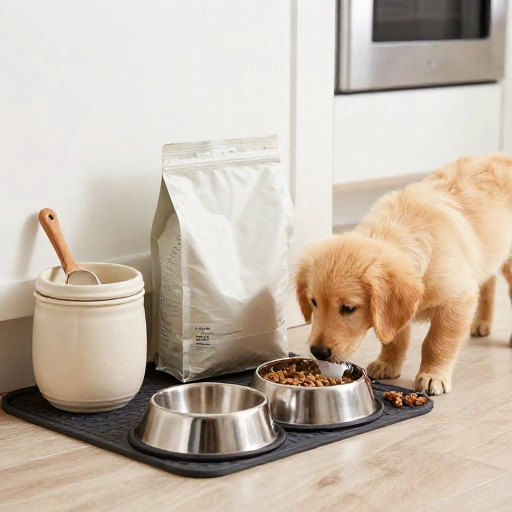
Ask your breeder or shelter what your puppy has been eating and buy that exact food first. Switching foods overnight causes stomach upset, and nobody wants that at 2 a.m. If you do want to change brands, do it slowly over a week or two.
For bowls, stainless steel or ceramic are the easy winners — they’re sturdy, dishwasher-safe, and don’t hold onto smells the way plastic can.
- Essential: the same kibble they’re used to, two bowls, a measuring cup
- Nice-to-have: elevated bowl stand, slow-feeder bowl, treat pouch
I also keep a small scoop of kibble in my pocket during the day. Free training treats, zero extra cost.
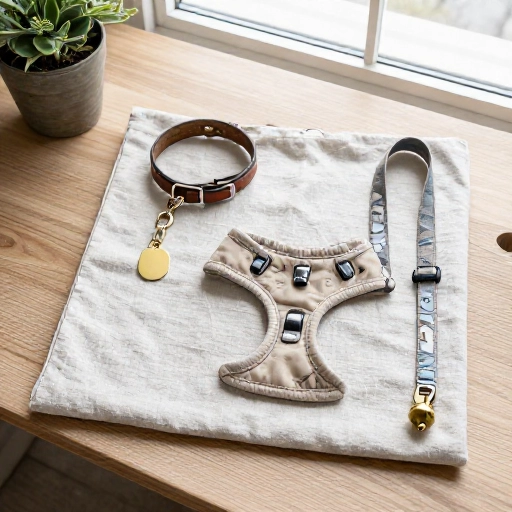
3. Collar, Harness, Leash, and ID Tags
Even if your puppy never leaves the yard, they need a collar with an ID tag. Puppies bolt. Tags cost a few dollars and can save you a very bad day.
For walks, I prefer a simple harness over a collar. Puppies pull, cough, and wiggle, and a harness spreads the pressure across their chest instead of their throat.
- Essential: adjustable collar, 4–6 ft leash, ID tag with your phone number
- Nice-to-have: no-pull harness, long training lead, second leash for the car
Skip the retractable leash for now. It teaches pulling and it’s genuinely hard to control a puppy on one.
4. Potty Training Gear: Pads, Cleaners, and Patience
Potty training is 80% routine and 20% supplies. Take your puppy out every hour, after every meal, after every nap, and after every play session. Reward immediately with a treat the second they finish.
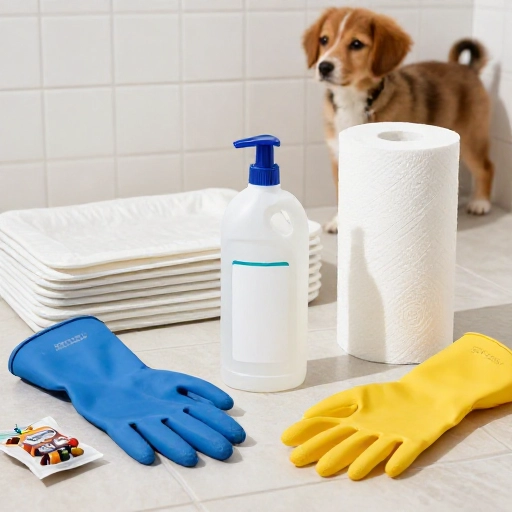
Enzymatic cleaner is the real MVP here. Regular household cleaner doesn’t break down the scent markers, so your puppy keeps returning to the same spot. Enzyme spray actually kills the smell they’re attracted to.
- Essential: enzymatic cleaner, poop bags, a consistent schedule
- Nice-to-have: pee pads (useful for apartments and travel), bell for the door
If you live in an apartment or your puppy isn’t fully vaccinated yet, pads are a smart bridge — just don’t rely on them forever.
5. Toys and Chews: What They’ll Actually Play With
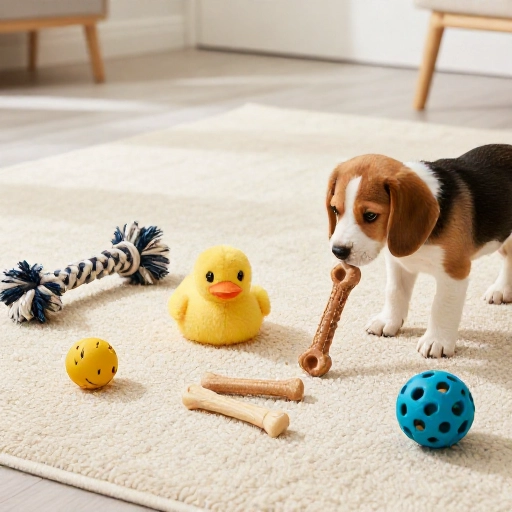
You do not need a basket of thirty toys. Puppies really only need a few categories: something to chew, something to chase, something to snuggle, and something to solve.
Chew toys matter most during teething, which hits hard around 3–5 months. Hard rubber chews and safe edible chews help a lot. Avoid anything you can’t dent with a fingernail — that’s too hard for puppy teeth.
- Essential: 2–3 chew toys, a soft toy, a rope or tug toy
- Nice-to-have: puzzle toys, treat-dispensing balls, plush squeakers (they die fast)
Rotate toys every few days instead of leaving them all out. Old toys suddenly feel new again, and your floor stays less cluttered.
6. Grooming Basics: Brush, Nails, and Bath Time
Start handling your puppy’s paws, ears, and mouth from day one, even for thirty seconds at a time. It makes future nail trims and vet visits so much easier.
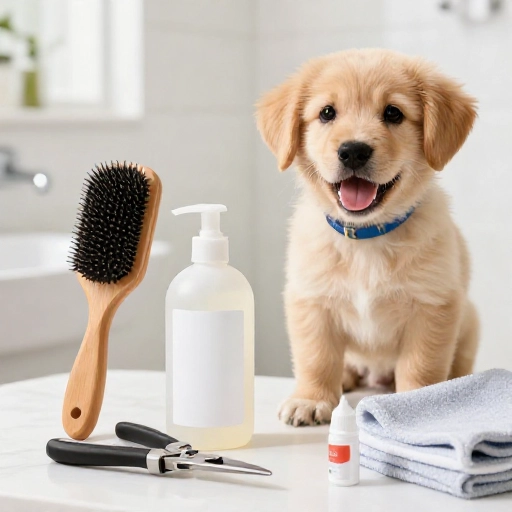
A good brush depends on coat type — slicker brush for long coats, rubber curry for short. And puppy-specific shampoo is worth it because their skin is sensitive and their pH is different from ours.
- Essential: brush suited to their coat, nail clippers or grinder, puppy shampoo
- Nice-to-have: grooming gloves, ear cleaner, paw balm, salon appointments
Bathe sparingly — every 4–6 weeks is plenty for most puppies unless they’ve found something disgusting to roll in.
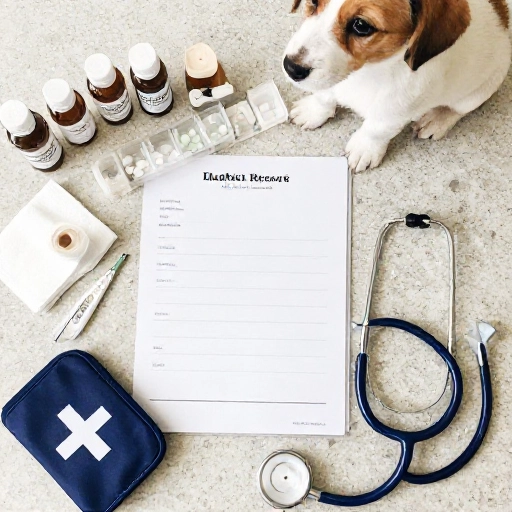
7. Vet Starter Kit: Records, Meds, and a First-Aid Pouch
Book your first vet visit within a few days of bringing your puppy home. Bring any vaccination records and a stool sample if you can — it saves a second trip.
At home, a small kit covers most minor mishaps. I keep it in a zip pouch in the closet so I’m not digging through cabinets while something is bleeding.
- Essential: vet contact info, vaccine records, tick/flea prevention, a small first-aid pouch
- Nice-to-have: pet insurance research, digital thermometer, styptic powder
Ask your vet about a puppy wellness plan. Some clinics bundle vaccines, exams, and spay/neuter into a monthly payment that’s easier on the wallet.
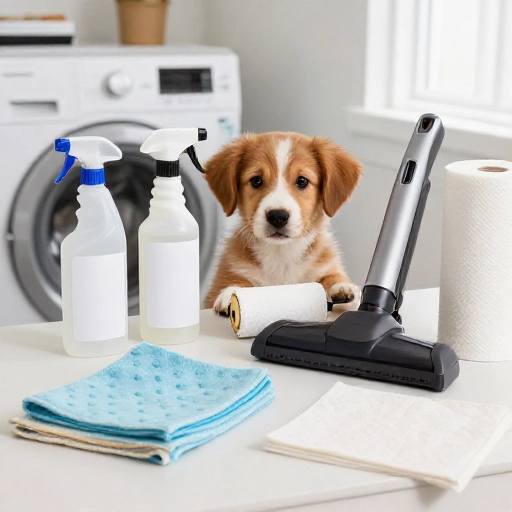
8. Cleaning Supplies You’ll Use Way More Than You Think
Nobody warns you how much laundry a puppy generates. Between muddy paws, accidents, and drool, you’ll be washing blankets constantly.
Keep a dedicated basket of puppy-cleaning stuff so you’re not hunting for a rag at the worst moment.
- Essential: enzymatic cleaner, paper towels, old towels for muddy paws
- Nice-to-have: handheld vacuum, lint roller, washable floor mats, pet-safe floor cleaner
A cheap extra-large towel by the back door is a tiny habit that keeps your floors dramatically cleaner.
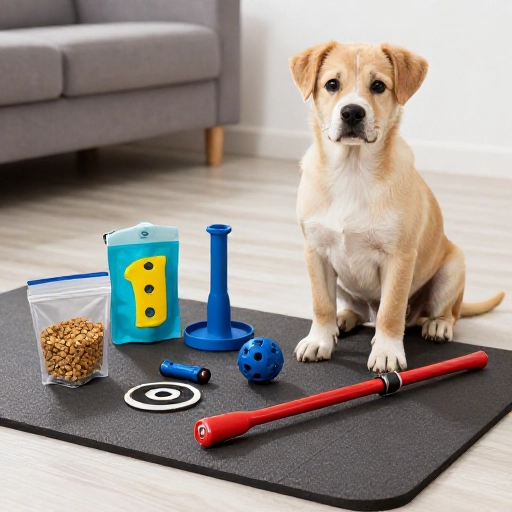
9. Training Tools: Treats, Clicker, and Puzzle Feeders
Training starts the day your puppy comes home. Short sessions — two to five minutes — work way better than long ones, especially with young puppies.
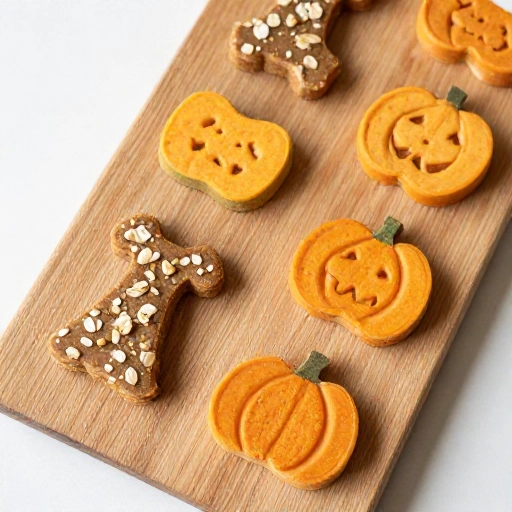
Soft, pea-sized treats are ideal because you can reward quickly without filling them up. If your puppy is food-motivated, that’s your fastest path to a well-behaved dog.
- Essential: small soft treats, a treat pouch, a crate or pen for timeouts
- Nice-to-have: clicker, puzzle feeder, snuffle mat, training classes
Puzzle feeders aren’t just fun — they slow down fast eaters and tire out a busy brain, which is honestly a gift on rainy days.
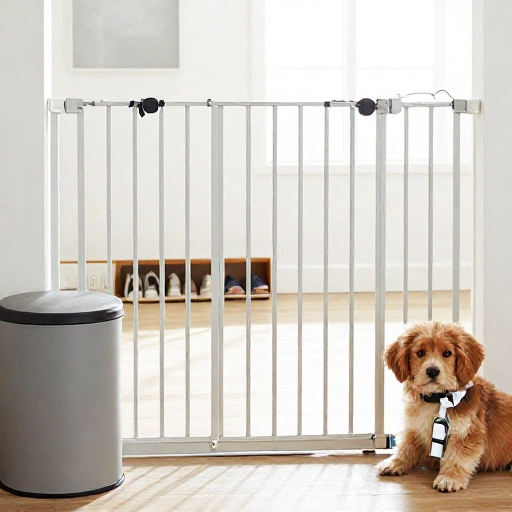
10. Puppy-Proofing: The Extras That Prevent Expensive Mistakes
Before your puppy comes home, crawl around the room at their eye level. You’ll spot cords, houseplants, shoes, and small objects you’d completely forgotten about.
Baby gates are the one thing I’d buy immediately. They let you block off stairs or rooms without shutting your puppy in a crate all day.
- Essential: baby gate, cord covers, a safe bin for shoes and remotes, trash can with a lid
- Nice-to-have: playpen, outdoor tie-out, pet camera, door scratch guard
You don’t need to buy all of this at once. Pick up the essentials, watch how your puppy behaves, and fill gaps as they come up. That’s much cheaper than guessing.
Final Thoughts: Buy Less, Watch More
The best puppy purchase isn’t a product — it’s time. Most behavior problems come from boredom, not from missing gear. A tired puppy with a few good toys and a solid routine is a happy puppy.
Start with the essentials: crate, food, bowls, collar with a tag, leash, enzymatic cleaner, a few chews, and a vet appointment. Everything else can wait until you know your puppy’s personality.
And keep your receipts. Half of what you buy in excitement ends up unused in a closet — I’ve been there more than once.
FAQ: New Puppy Shopping Questions
How much should I budget for a new puppy’s supplies?
You can cover the essentials for roughly $150–$300, depending on crate size and food brand. Fancier gear can easily double that, and it’s rarely necessary.
What should I buy before my puppy comes home?
Crate, crate pad, food and bowls, collar with ID tag, leash, a few chew toys, and enzymatic cleaner. Set those up first and you’re ready for day one.
Do puppies really need a crate?
They don’t strictly need one, but a crate makes potty training and safe alone-time far easier. If you skip it, use a playpen or gated area instead.
When should I switch from puppy pads to going outside?
As soon as your puppy has enough vaccinations to be outdoors safely in your area — usually around 16 weeks. Ask your vet for the timeline in your region.
What’s the most commonly wasted puppy purchase?
Fancy beds and too many plush toys. Puppies shred both within weeks. Buy cheap washable bedding and replace it once they’ve outgrown the chewing phase.