Best Cat Food for Indoor Cats: Keep Them Healthy and Happy
Best Cat Food for Indoor Cats: Keep Them Healthy and Happy
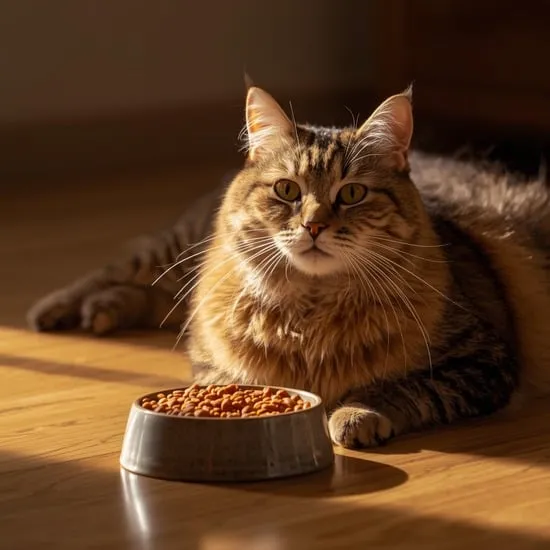
As someone who’s shared their home with cats for years, I’ve learned that indoor cats have very different needs from their outdoor counterparts. My cat, Luna, spends her days basking in sunny windows and chasing invisible bugs, and while her life indoors is safe and cozy, it also means she depends entirely on me to keep her healthy. Choosing the best cat food for indoor cats became more than a shopping task—it became a way to show her love every single day.
Indoor cats tend to be less active, more prone to weight gain, and can have sensitive digestive systems. The right food helps balance their energy, maintain a healthy coat, and support overall wellness.
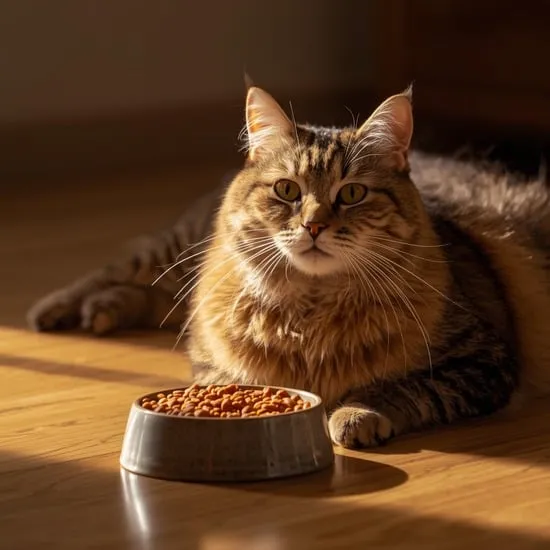
Why Indoor Cats Need Special Nutrition
Indoor cats live a life of comfort—but that comfort comes with some challenges. Without outdoor exercise and stimulation, they burn fewer calories. They may also be more susceptible to hairballs, digestive issues, or boredom-related overeating. That’s why feeding them the right balance of protein, fiber, and nutrients is essential.
When I switched Luna to a food specifically designed for indoor cats, I noticed changes within weeks—her coat grew shinier, she had more energy to play, and she stopped leaving behind as much hair during brushing sessions. It was a reminder that the right food truly makes a difference.
What to Look for in the Best Indoor Cat Food
When shopping for cat food, it’s easy to get overwhelmed by all the labels and marketing claims. But here’s what really matters for your indoor cat’s health:
- High-Quality Protein: Look for real meat, poultry, or fish as the first ingredient. Cats are obligate carnivores—they need protein to thrive.
- Fiber and Hairball Control: Indoor cats groom more, so fiber helps prevent hairballs and supports digestion.
- Healthy Fats: Omega-3 and Omega-6 fatty acids keep their coat glossy and their skin healthy.
- Controlled Calories: Indoor cats don’t burn as much energy, so food with moderate fat and calorie content prevents unwanted weight gain.
- No Fillers or Artificial Ingredients: Avoid foods with corn, soy, or artificial colors—they add bulk but not nutrition.
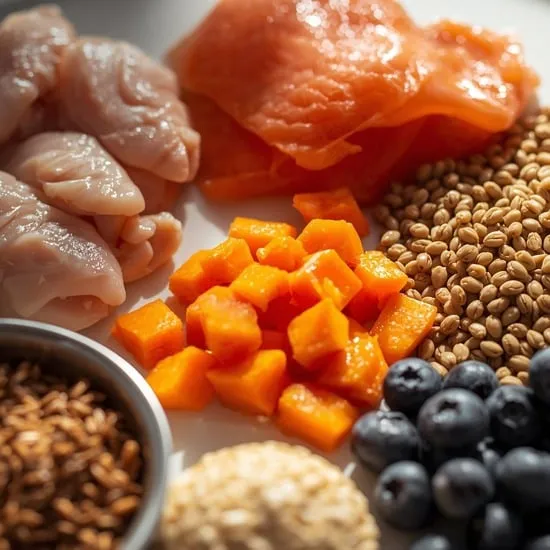
Top Ingredients for Indoor Cat Wellness
Some of the best cat food for indoor cats includes wholesome, natural ingredients that support their unique lifestyle. Here are a few ingredients to look for on the label:
- Chicken or Turkey: Excellent lean protein sources for maintaining muscle health.
- Salmon: Rich in omega fatty acids for coat and heart health.
- Brown Rice or Barley: Provides gentle, digestible carbohydrates for steady energy.
- Sweet Potatoes: Adds natural fiber for healthy digestion.
- Blueberries and Cranberries: Natural antioxidants that support urinary health and immunity.
When I first started reading labels carefully, I realized how many fillers some brands use. Finding food with simple, high-quality ingredients changed Luna’s diet completely—and honestly, I feel better knowing exactly what she’s eating.
Wet vs. Dry Food for Indoor Cats
Both wet and dry foods have their advantages. Dry food is convenient, helps with dental health, and is easy to portion. Wet food, on the other hand, keeps cats hydrated and tends to be more flavorful. For many indoor cats, a combination of both is ideal—it gives variety and ensures balanced hydration and nutrition.
Luna, for example, gets dry food for breakfast and a portion of wet food at dinner. It’s our little routine, and she absolutely loves it. Watching her enjoy her meals so happily is one of the best parts of my day.
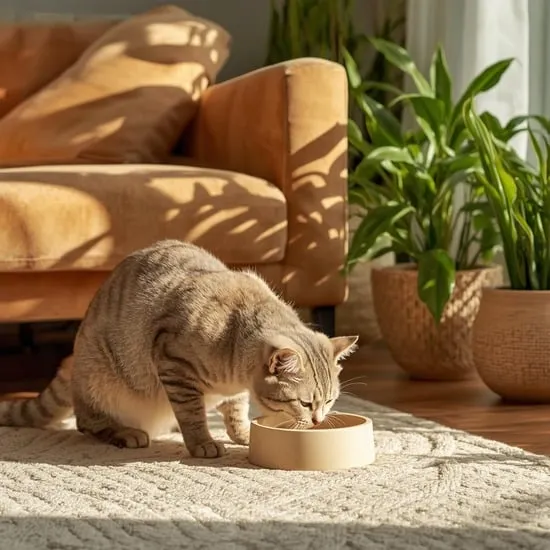
Homemade and Natural Cat Food Options
If you prefer a more hands-on approach, homemade or natural cat food can be an excellent choice—but it’s important to do it right. Cats need precise levels of protein, vitamins, and minerals, so always consult your vet before switching to a homemade diet. Simple recipes with cooked chicken, salmon, pumpkin, and rice can make wonderful, wholesome meals when properly balanced.
Natural cat foods that are free of grains, artificial preservatives, and additives are also becoming increasingly popular. They focus on whole-food ingredients and offer peace of mind to pet parents who want the best for their furry companions.
Tips for Transitioning to a New Cat Food
Cats can be creatures of habit (and, let’s be honest, a little picky). To help your indoor cat adjust to new food, mix it gradually with their old one over 7–10 days. Start with 25% new food and 75% old food, then slowly increase the ratio. This prevents digestive upset and helps them accept the change more easily.
Also, pay attention to portion sizes. Indoor cats don’t need as much food as active outdoor cats, so it’s better to measure carefully than overfeed.
Final Thoughts: Feed with Love, Not Just Food
Choosing the best cat food for indoor cats is about more than reading labels—it’s about understanding your cat’s unique lifestyle and showing love through mindful care. Every meal you serve is a way to nurture their health, happiness, and trust.
When I see Luna curled up after dinner, content and purring softly, I’m reminded that good nutrition isn’t just about keeping her healthy—it’s about giving her a life full of energy, comfort, and joy. And really, that’s what every cat deserves.