12 Dog Grooming & Boarding Layout Ideas That Make Pet Parents Say “Wow”
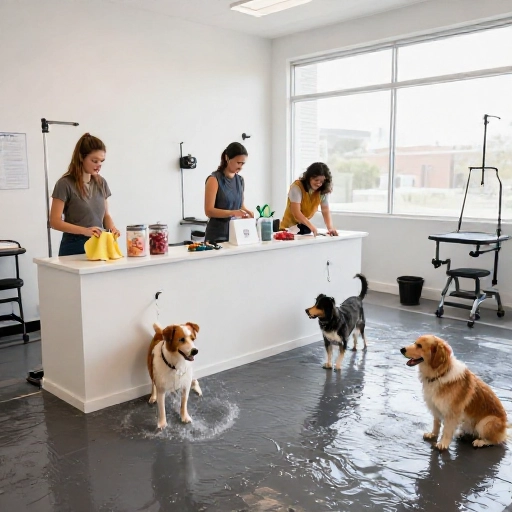
When I first started mapping out my dream grooming and boarding space, I thought cute kennels and a good tub would be enough. Then I watched a nervous doodle slip past three other dogs in a crowded hallway—and I realized layout is everything. A smart floor plan keeps pets calm, staff efficient, and clients confident.
Below are 12 dog grooming and boarding layout ideas I’d use again. Some are big-picture, like separating wet and dry zones. Others are tiny but mighty, like where you put the treat jar. Mix and match based on your square footage, budget, and the type of pets you serve.
Each idea is Pinterest-friendly and practical, whether you’re building from scratch or refreshing a rented space. Let’s make your pet business feel less chaotic and a lot more bookable.
1. Begin With a “Happy-to-Wet” Reception Zone
Your lobby sets the mood. I like a bright check-in area that smells fresh, not like wet dog. Keep grooming intake near the door but behind a low partition, so excited pets don’t greet every newcomer nose-to-nose.
Add a small retail display, a treat jar, and a wipeable bench. A half-wall with a trailing plant can separate waiting clients from the team without making the space feel cramped.
If you can, create two paths: one for calm check-ins and one for wet or wiggly pickups. That tiny split saves so much stress on busy Saturdays.
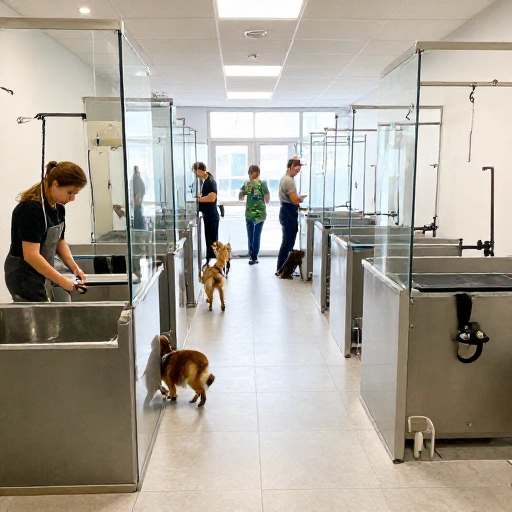
2. Create a One-Way Flow for Grooming
Grooming works best when pets move forward, not backward. I map the journey as intake → prep → bath → dry → finish → pickup. When each step has its own spot, you’re not dragging a wet poodle through a crowded nail-trim station.
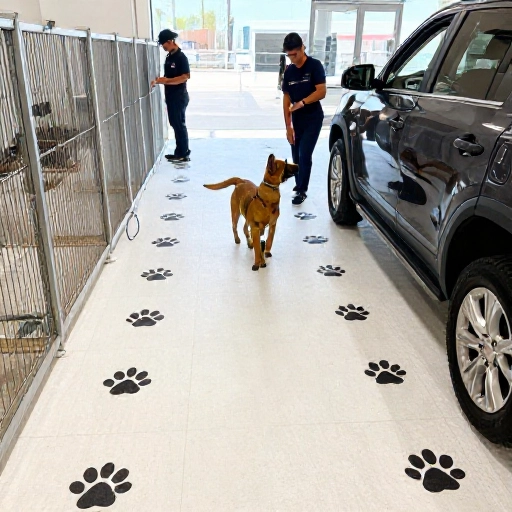
Use color-coded floor tape or paw-print decals to mark the path. It sounds simple, but it helps new staff learn the flow fast.
- Intake table near the front
- Bath and dry stations in the middle
- Finish and pickup at the back or side
Even in a small salon, a one-way flow reduces bottlenecks and keeps pets from crossing paths when they’re anxious.
3. Build a Quiet Boarding “Neighborhood”
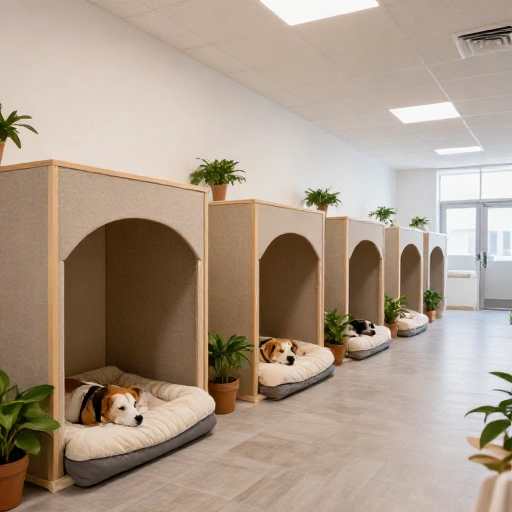
Boarding dogs don’t need a loud, open warehouse. They need a calm neighborhood. I’d group kennels into small pods with privacy panels, soft lighting, and a shared quiet aisle.
Think of each pod as a cul-de-sac. Dogs can hear familiar sounds but not see every single movement. That lowers barking and helps shy pets settle faster.
Add a white noise machine or gentle music near the ceiling. The goal is rest, not a doggy disco.
4. Use Glass-Front Suites With Privacy Options
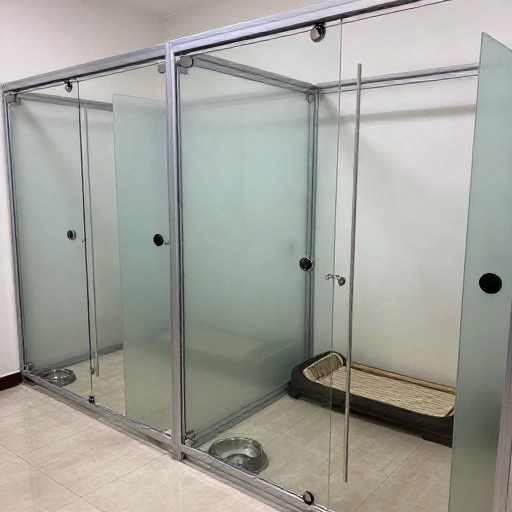
Glass-front suites look amazing on tours and social media, and they’re easy to clean. Pet parents love being able to peek in and see a clean, cozy space.
But not every dog wants to be on display. Add frosted film, a curtain, or a slide-over panel so nervous guests can hide when they need to.
I also like a raised bed, a durable toy, and a name card on each suite. It makes the boarding area feel personal instead of institutional.
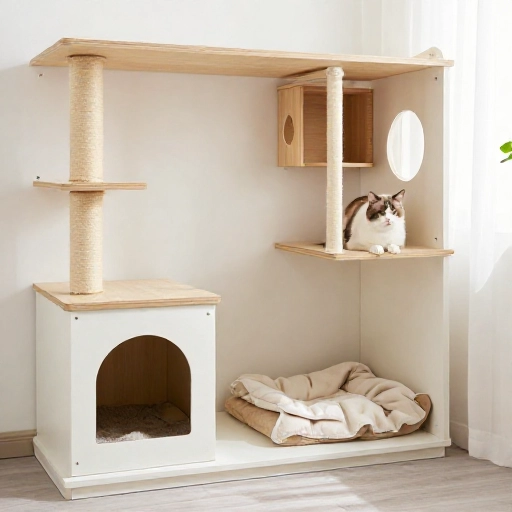
5. Carve Out a Cat or Small-Pet Nook
Even if dogs are your main focus, a separate cat or small-pet room is a smart layout move. Cats hate the sound of barking, and small pets need their own climate and calm.
Use vertical space: wall shelves, cubbies, and hideaway beds. A solid door with a quiet sign keeps dogs from staring in.
If you don’t offer cat boarding yet, you can still use the nook for nervous tiny dogs or senior pets who need a break from the group.
6. Design a Wet Room That Can Take a Hose-Down
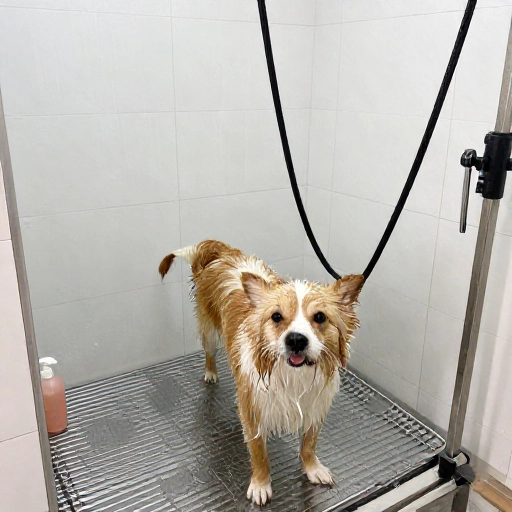
The wet room is where mess happens, so let it be messy. I’d choose non-slip epoxy floors, wall panels instead of drywall, and a floor drain that actually slopes the right way.
Store shampoos, towels, and hoses on stainless shelves or in closed cabinets. Open shelving looks cute until it’s covered in conditioner and dog hair.
Good lighting matters here too. Bright, cool light helps you see skin issues, mats, and whether that paw is really dry.
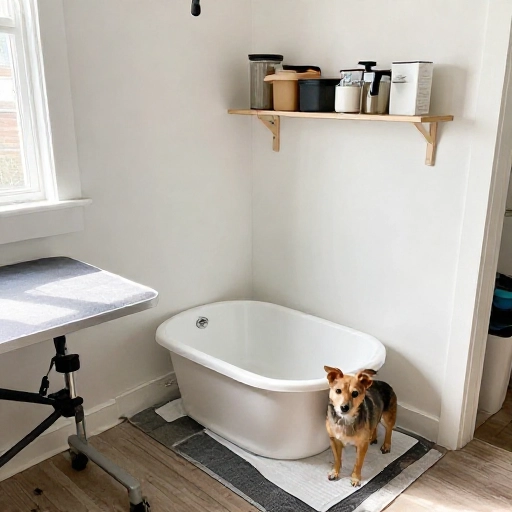
7. Invest in a Raised Tub and Adjustable Table
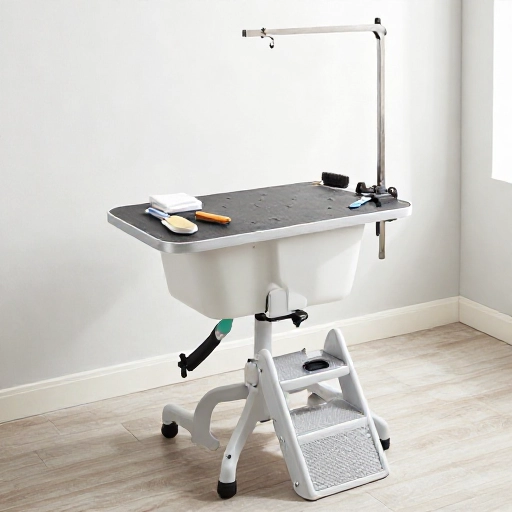
My back votes for a raised tub every single time. A tub at waist height means less bending, less lifting, and fewer injuries for your team.
Pair it with an adjustable grooming table that moves up and down. Small dogs feel safer when the table is low, and tall dogs are easier to reach when it rises.
Add a ramp or steps for senior dogs. It’s a small detail that makes your salon more inclusive and easier to market.
8. Make the Drying Zone a Little Soundproof
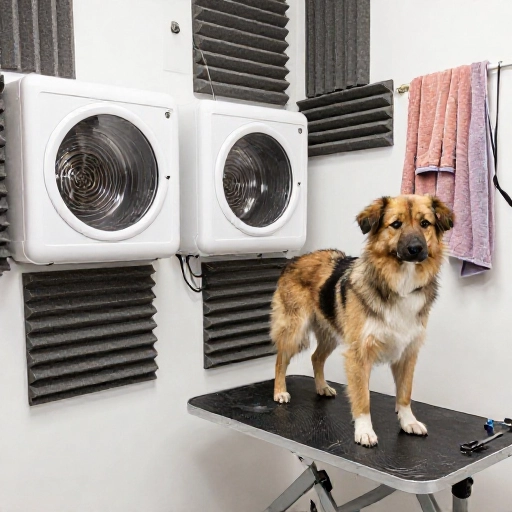
Dryers are loud. If your drying area opens right into boarding, everyone hears the roar. I’d tuck dryers into a separate room or a corner with acoustic panels and a solid door.
Ventilation is non-negotiable. Moisture and pet dander need to leave the building, not float into the lobby.
Use a timer or checklist so no dog is left under a dryer too long. Safety and calm can live in the same room.
9. Plan a Secure Potty and Play Yard
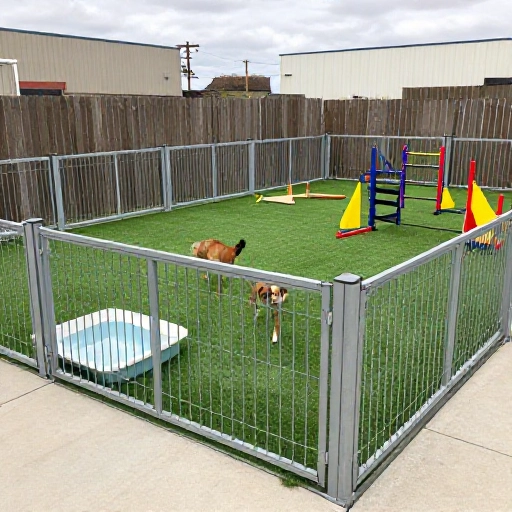
Outdoor space is a huge selling point for boarding. I’d divide it into two or three small yards instead of one giant field, so you can rotate dogs by size, energy, and temperament.
Use double gates, tall fencing, and a covered potty strip for rainy days. Artificial turf, gravel, or pea gravel can all work—just make sure it drains.
Add shade, water stations, and a bench for staff. A yard that’s easy to supervise gets used more often.
10. Add a Laundry and Supply Hub
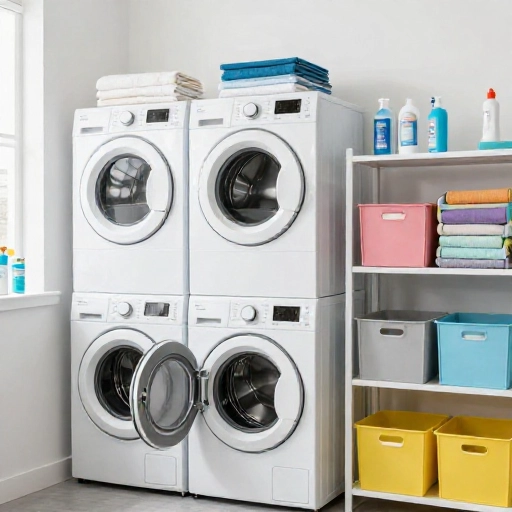
Towels disappear. Cleaning bottles multiply. A dedicated laundry and supply hub keeps the chaos behind a door instead of in the grooming room.
I like labeled bins for dirty towels, clean towels, and grooming capes. A stacked washer and dryer, a deep sink, and locked chemical storage make the space work harder.
If you can, put the hub between grooming and boarding. That way, both teams can grab what they need without crossing the whole building.
11. Set Up a Camera-Friendly Pickup and Drop-Off Lane
Drop-off can make or break your morning. A clearly marked lane, a small awning, and a numbered parking spot keep traffic moving.
I love a curbside check-in option where clients text when they arrive. Staff can meet them at the door, take the pet, and skip the lobby chaos.
Add a camera-friendly sign or a cute photo spot near the entrance. Clients will snap a picture, and you get free local buzz.
12. Sprinkle In Photo-Ready Cozy Details
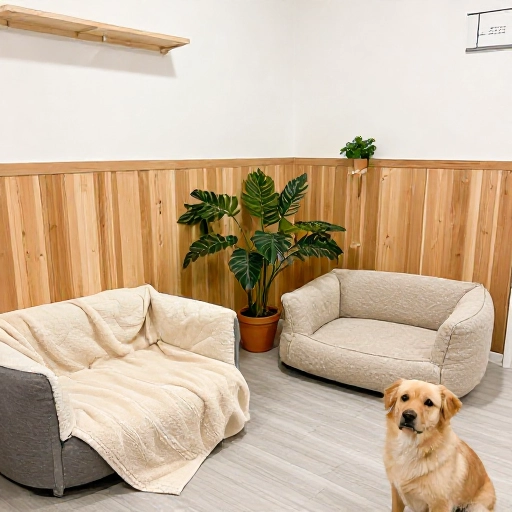
Layout isn’t just about flow. It’s also about feeling. A mural, a chalkboard menu of services, or a basket of bandanas can make your space memorable.
I’d keep the colors calm—sage, cream, soft blue—and add one or two bold accents. Then place a photo wall or “freshly groomed” sign where clients naturally wait.
These little moments turn a practical grooming and boarding layout into a place people want to show off. And that’s exactly what Pinterest is for.
Conclusion
A great dog grooming and boarding layout doesn’t have to be huge or fancy. It just has to guide pets gently, help your team move efficiently, and make clients feel confident leaving their best friend with you.
Start with the flow, then add the cozy details. Even one change—like a quiet boarding pod or a separate drying room—can lower stress and make your business run smoother.
FAQ
What is the best layout for a small dog grooming salon?
Focus on a one-way flow: intake near the front, bath and dry in the middle, and finish or pickup at the back. Use vertical storage and fold-down tables to save space.
How do I separate grooming from boarding?
Use a wall, door, or soundproof partition between the two areas. Keep the wet room and dryers away from kennels, and give boarding its own quiet aisle.
Should dog boarding kennels face each other?
Not if you can help it. Facing kennels can increase barking and stress. If you must, add privacy panels and stagger the rows so dogs aren’t staring at each other.
What flooring is best for dog grooming and boarding?
Non-slip, waterproof flooring with good drainage is ideal. Epoxy, rubber mats, and sealed concrete are popular because they’re easy to clean and tough on paws.
How can I make my pet business more Pinterest-friendly?
Use good lighting, calm colors, and one or two photo-worthy details like a mural, treat jar, or cute pickup sign. Then take bright, vertical photos of your best spaces.