15 Must-See Landscaping Ideas for a Dog-Friendly Backyard (That Still Looks Gorgeous)
When we first brought our puppy home, I had big dreams for the backyard. Then reality hit: muddy paws, chewed shrubs, and one very determined digger. I learned fast that a beautiful yard and a happy dog can absolutely coexist — you just have to plan for both.
Over the years (and a few replanted flower beds later), I’ve collected the landscaping tricks that actually hold up to daily zoomies, potty breaks, and endless sniffing. These are the ones I’d recommend to any dog parent who still wants a yard that looks good from the kitchen window.
Here are 15 dog-friendly backyard landscaping ideas worth stealing. Pick a few, or go all in — your dog won’t complain either way.
1. Start With a Fence That Can Handle Real Life
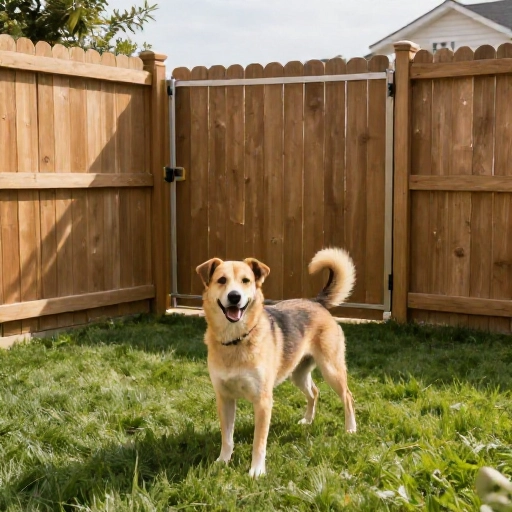
Everything else in this list depends on one thing: a secure boundary. Before I planted a single shrub, I walked my fence line and checked for gaps, loose slats, and spots where a determined dog could squeeze through.
Height matters more than most people think. If your dog is a jumper or a climber, go taller than you think you need and skip chain link with footholds. Solid wood or vinyl panels give you privacy from neighbors and block a lot of visual triggers that send dogs into barking fits.
Don’t forget a gate latch your dog can’t nudge open. I added a self-closing spring hinge for maybe twenty dollars, and it’s saved me at least a dozen panicked sprints down the street.
2. Give Them a Dedicated “Zoomie Zone”
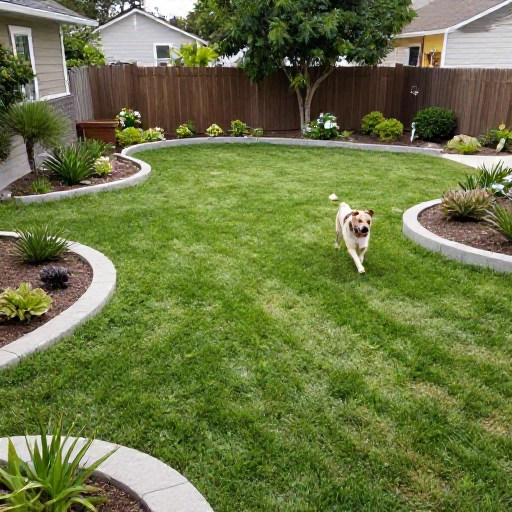
Dogs need a place to sprint, and if you don’t give them one, they’ll choose your flower beds. I carved out a rectangular patch at the back of the yard with nothing but durable ground cover and called it the zoomie zone.
Inside that area, there’s nothing to knock over, nothing precious, nothing that matters. It took my dog about three days to figure out that this was the running lane, and my perennials have been safe ever since.
You can soften the edges with a low border of hardy grasses so it reads as intentional design rather than a bald patch of dirt.
3. Swap Out Toxic Plants for Pet-Safe Ones
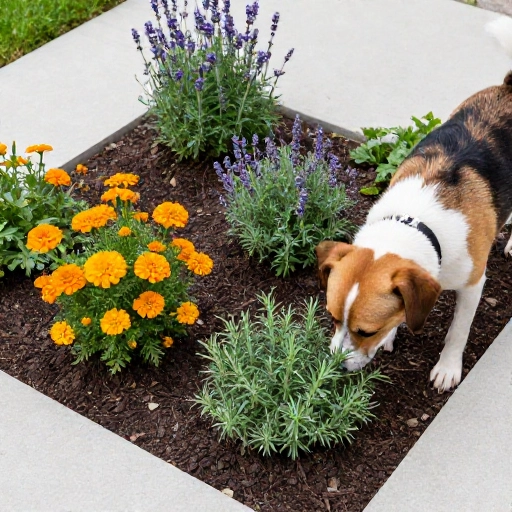
This one is non-negotiable. Plenty of common landscaping plants are toxic to dogs — sago palms, oleander, azaleas, and lily of the valley are just a few I had sitting in my yard without knowing.
I replaced mine with safe options that still look lush: lavender, rosemary, camellia, marigolds, and ornamental grasses. Bonus — rosemary and lavender smell amazing and hold up well to foot traffic.
If you’re not sure about a plant you already have, snap a photo and look it up before you leave it in reach. It takes two minutes and saves a very expensive vet visit.
4. Build Shade They Can Actually Lie In
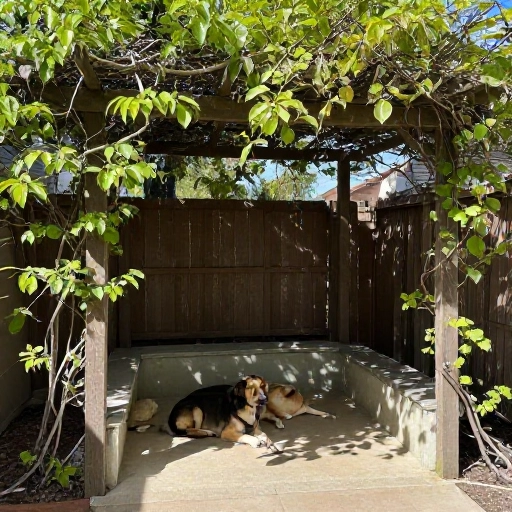
Dogs overheat faster than we do, especially flat-faced breeds and double-coated ones. A tree that “sort of” shades the patio isn’t enough — they need a cool, solid patch of shade to sprawl out in.
I planted a fast-growing shade tree near the middle of the yard, and I also added a small pergola over one corner. That pergola became the official summer nap spot within a week.
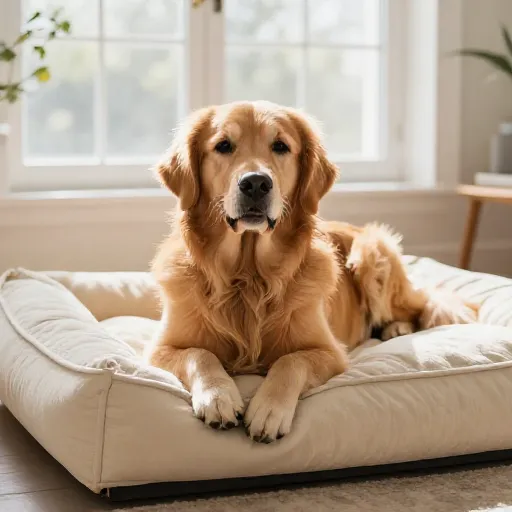
Add a raised cot or a cooling mat underneath and you’ve basically built a dog spa. Mine refuses to come inside now.
5. Lay a Paw-Friendly Path
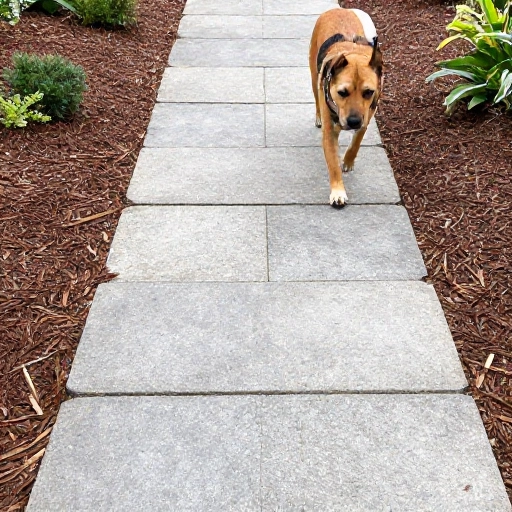
Hot pavers and sharp gravel are rough on paws. I switched my main walkway to smooth flagstone set in sand, which stays cooler and feels better underfoot.
If you want something even softer, decomposed granite or packed pea gravel works well too — just avoid the jagged stuff. Test it with your own bare foot before you commit.
A good path also does double duty: it keeps muddy paws off the lawn and gives your dog a clear route to their favorite spots, which cuts down on trampled grass.
6. Add a Digging Pit (Yes, Really)
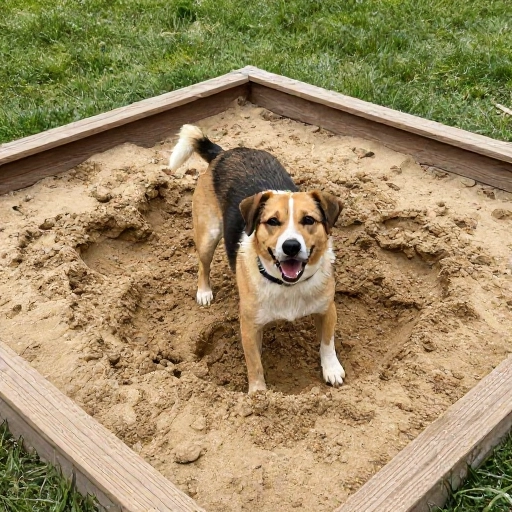
Digging is instinct, not misbehavior. Fighting it is exhausting. Redirecting it is easy.
I built a simple sandbox-style pit using landscape timbers and play sand, then buried a few toys in it the first week. Every time my dog started digging in the beds, I walked him over to the pit and praised him for digging there instead.
It worked faster than I expected. Now the beds stay intact and he gets to be a dog about it.
7. Use Raised Beds to Protect Your Vegetables
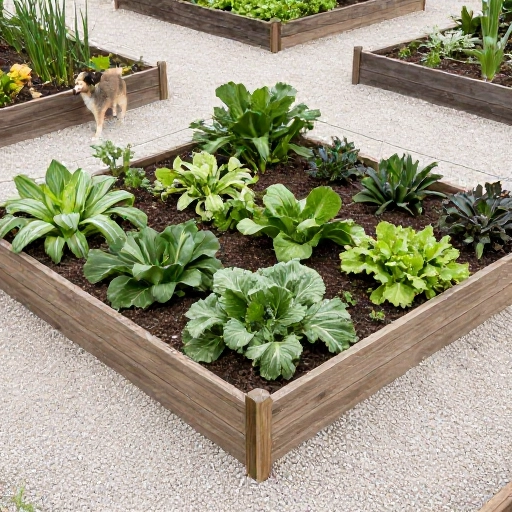
If you garden, raised beds are your best friend. They lift your plants above leg-lift height, which solves about 80% of the problem right there.
I built mine 18 inches tall, which is high enough that my dog can’t easily reach over the edge but low enough that I can still harvest comfortably. Add a simple wire hoop over the top if you’ve got a climber or a dedicated tomato thief.
The bonus is that raised beds look tidy and intentional, so your dog-safe yard doesn’t look like a fortress.
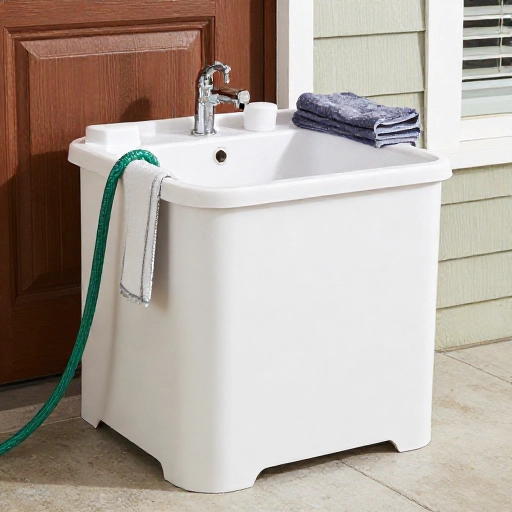
8. Create a Rinse Station Near the Door
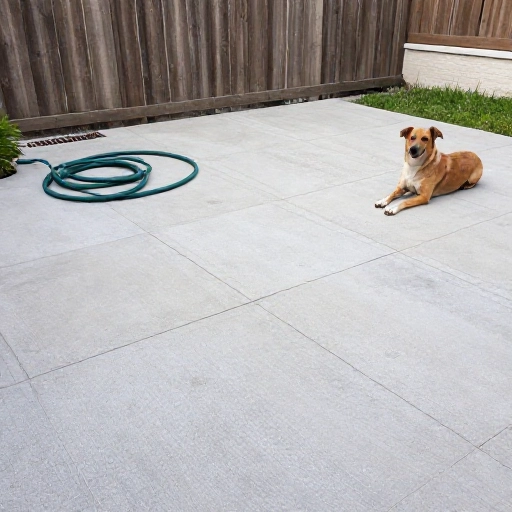
Muddy paws are the number one thing that ruins my floors. A simple outdoor rinse area fixed it almost overnight.
Mine is just a hose bib, a coiled hose, a stack of microfiber towels in a weatherproof bin, and a small gravel pad so water drains away instead of pooling. Total cost was under a hundred dollars.
If you want to go bigger, a raised wash basin or a plumbed dog wash station is a fantastic upgrade — especially for big dogs who hate the bathtub.
9. Choose Grass (or Ground Cover) That Survives Dog Urine
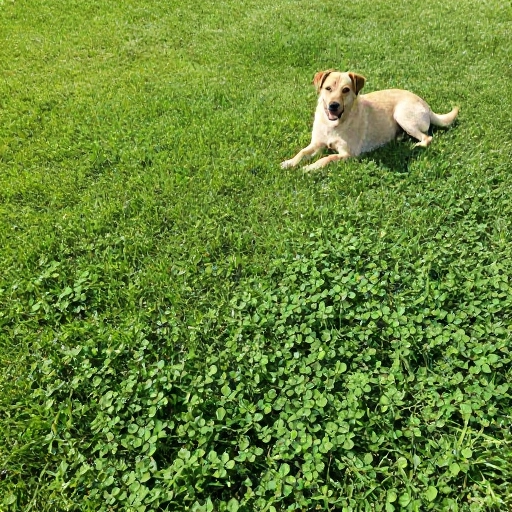
Those brown burn spots are from nitrogen in urine, and some grasses handle it far better than others. Tall fescue and perennial ryegrass are the most forgiving in my experience.
If your yard gets heavy traffic, consider mixing in clover or switching high-traffic zones entirely to mulch or artificial turf. It’s less work than reseeding every spring.
You can also water the spots your dog uses most right after they go — diluting the nitrogen makes a noticeable difference.
10. Add a Splash Zone for Hot Days
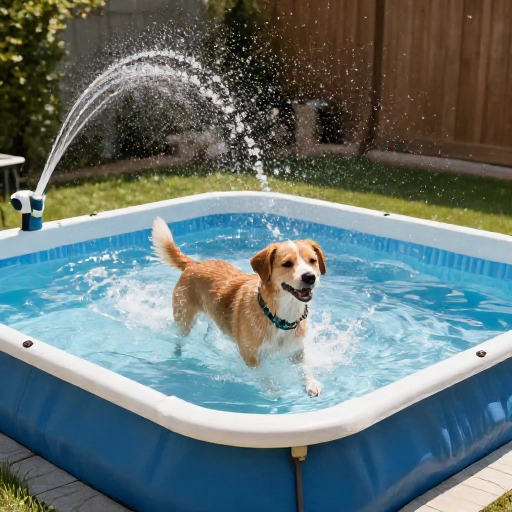
A small, shallow water feature gives your dog a way to cool off without you dragging out the sprinkler every afternoon. I used a sturdy pre-formed basin set into the ground, shallow enough that my dog can stand in it comfortably.
Keep it simple and safe: shallow depth, non-slip bottom, and a drain plug so you can swap the water easily. Skip anything with slick liners or steep sides.
Mine also doubles as a birdbath and a very fancy drinking fountain, depending on the day.
11. Plant a Sniff Trail
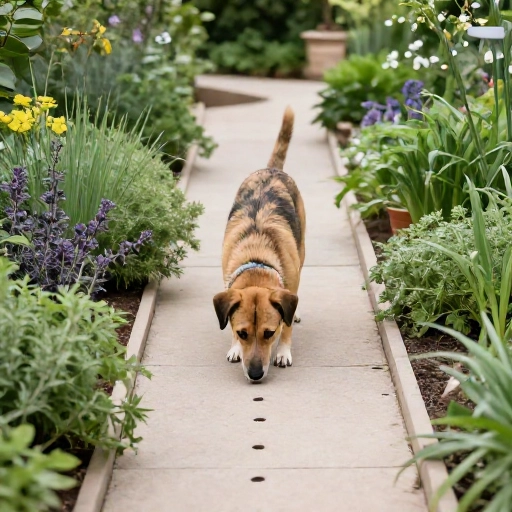
Mental exercise tires dogs out faster than running. A sniff trail is a line of interesting scents along a path — lavender, mint, rosemary, ornamental grasses — that gives your dog something to explore every single day.
I planted mine along the fence line and now our morning walk through the yard takes twice as long. He’s calmer afterward, which is worth every plant.
Refresh the trail occasionally by moving pots around or adding a new herb. Novelty is what makes it work.
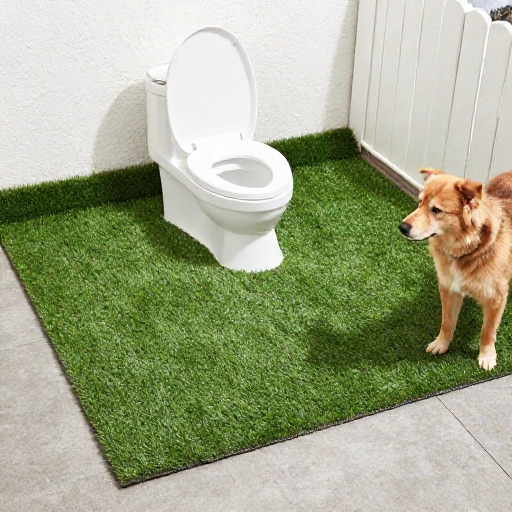
12. Put Artificial Turf in the Potty Corner
I resisted this for years because I thought it would look fake. Then I installed a small section in the one corner where grass refused to grow, and I wish I’d done it sooner.
Modern pet-specific turf drains well, doesn’t stain, and rinses clean with a hose. Choose one with a shorter pile and antimicrobial backing — the cheap stuff gets smelly fast.
It’s not for every yard, but in a small, high-traffic potty spot it’s a game changer. Just treat it like a lawn and rinse it regularly.
13. Mix Hardscape In to Cut Down on Mud
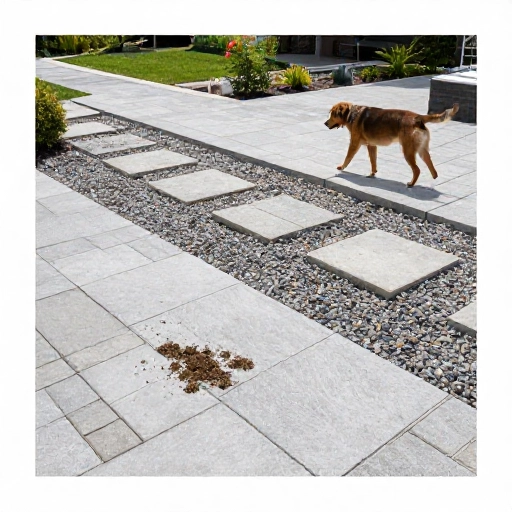
Mud happens where water sits and grass disappears. Adding hardscape — flagstone, pavers, gravel — breaks up the muddy zones and gives paws somewhere dry to land.
I widened my patio by a few feet and added a gravel border along the fence, and suddenly my “mud season” went from four months to about two weeks.
Aim for paths at least three feet wide so both you and your dog can walk comfortably without stepping into the beds.
14. Set Up a Toy and Gear Station
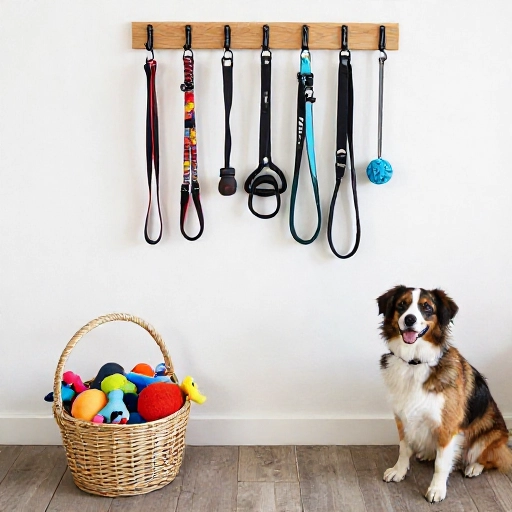
Nothing makes a nice yard look messy faster than a random scatter of tennis balls, ropes, and half-chewed frisbees. A designated storage spot fixes it in one afternoon.
I used a weatherproof deck box near the back door and hung a small basket for leashes and poop bags on the wall above it. Everything is within arm’s reach when we head out.
It sounds small, but it keeps the yard photo-ready and means I’m not digging through the garage before every walk.
15. Plan for Easy Cleanup From the Start
The best dog-friendly yards are designed to be cleaned, not just admired. That means thinking about drainage, materials, and access before you plant anything.
A few things that made my life easier:
- Mulch beds with cedar or another pest-resistant option rather than fine bark that clings to fur
- Grade the yard slightly away from the house so water never pools near the door
- Leave a wide, hose-accessible strip along the fence for rinsing
- Skip anything with sharp edges, thorns, or tiny gravel that sticks between paw pads
Do this groundwork early and maintenance drops to a quick weekly tidy instead of a whole weekend project.
Final Thoughts
A dog-friendly backyard doesn’t mean giving up on design. It just means choosing materials that can take a beating, plants that are safe to nibble, and layouts that let your dog be a dog without wrecking everything you love.
Start with the fence and the safety basics, then layer in the fun stuff — the zoomie zone, the shade spot, the splash area. You’ll end up with a yard that works for both of you, and honestly, that’s the version I enjoy most.
Frequently Asked Questions
What is the best ground cover for a dog-friendly backyard?
Tall fescue and perennial ryegrass hold up best to traffic and urine. For high-traffic or shaded spots, mulch, clover, or pet-specific artificial turf are solid alternatives.
How do I stop my dog from destroying my garden beds?
Raised beds, low decorative fencing, and a dedicated digging pit usually solve it. Give them an approved place to dig and redirect them there consistently — punishment rarely works.
Are there plants I should definitely avoid in a dog-friendly yard?
Yes. Skip sago palms, oleander, azaleas, rhododendrons, and lily of the valley. Safe swaps include lavender, rosemary, camellia, marigolds, and most ornamental grasses.
How do I fix urine burn spots in my lawn?
Water the spot right after your dog goes to dilute the nitrogen. For existing damage, rake out the dead grass, add a little compost, and overseed with a tough grass variety.
Does artificial turf work for dogs?
It can, especially in small potty areas. Choose pet-specific turf with good drainage and antimicrobial backing, and rinse it regularly to keep odors down.