10 Weather-Protected Cat Houses for Outdoor Kitties (Cozy & Safe All Year!)
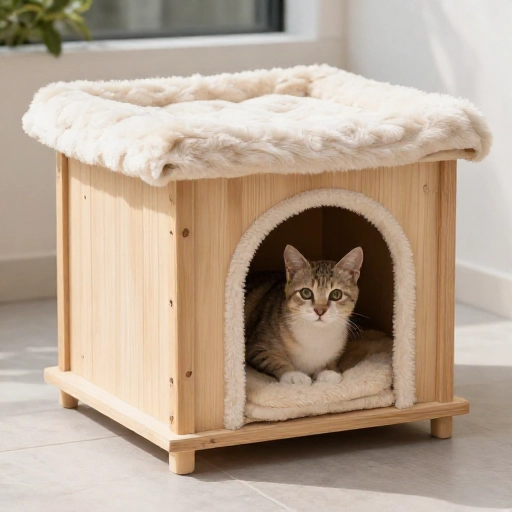
If you feed or care for outdoor cats, you already know how quickly the weather can turn. One day it’s sunny and mild, the next it’s freezing rain and wind that cuts right through fur. I’ve tried a few different shelters over the years, and let me tell you: not all cat houses are created equal when it comes to weather protection.
That’s why I put together this list of 10 weather-protected cat houses for outdoor kitties. These are the designs and features that actually keep cats dry, warm, and safe—whether it’s a snowy winter, a rainy spring, or a scorching summer. I’ve focused on practical stuff like insulation, elevation, wind blocking, and easy access.
Below, you’ll find ideas ranging from simple DIY setups to sturdy store-bought options. I’ve also included a quick FAQ at the end to answer common questions about outdoor cat shelters. Let’s dive in and find the purr-fect fit for your backyard cats.
1. Heated Cat House with Thermal Padding
When temperatures drop below freezing, a heated cat house can be a lifesaver. I love these because they plug in and provide a gentle warmth that helps cats maintain their body temperature. Look for one with thermal padding inside—it reflects heat back to your cat instead of letting it escape.
Most heated houses have an insulated shell and a small entrance with a flap. The flap is key for blocking wind and rain. I also like models with a thermostat or timer so it doesn’t get too hot. Just make sure the cord is protected from chewing and moisture.
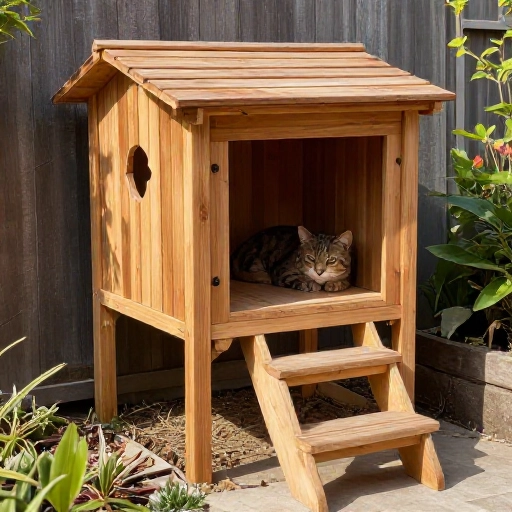
2. Insulated Wooden Cat House with Elevated Floor
Wood is a classic choice for outdoor cat houses, and when it’s insulated, it’s incredibly effective. I’ve found that an elevated floor is a game-changer—it keeps the cold ground from sucking heat out of the shelter. A good wooden house will have thick walls, a slanted roof, and a raised platform underneath.
You can add straw or a self-heating pad inside for extra coziness. I also recommend placing the door away from prevailing winds. If you’re handy, you can build one yourself, but there are plenty of pre-made options that are already weather-treated.
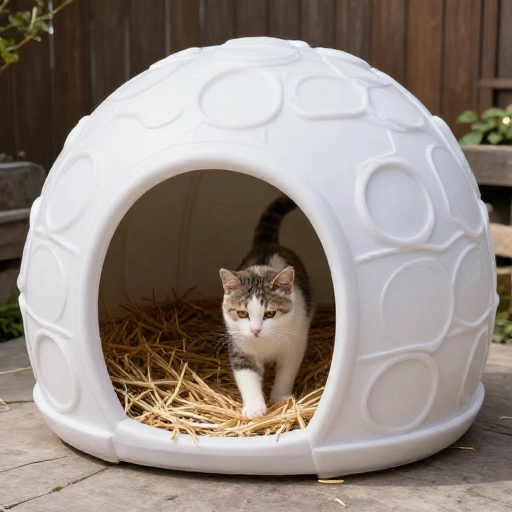
3. Igloo-Style Plastic Cat House with Straw Bedding
Plastic igloo cat houses are lightweight, easy to clean, and surprisingly weather-resistant. I like them for rainy or damp climates because plastic doesn’t rot or absorb moisture. The rounded shape helps wind slide right off, and the small doorway keeps drafts out.
Fill the bottom with clean straw—not blankets, which can hold moisture and freeze. Straw insulates and lets cats burrow. Just check it regularly and replace it if it gets wet. This setup is simple, affordable, and works great for community cats.
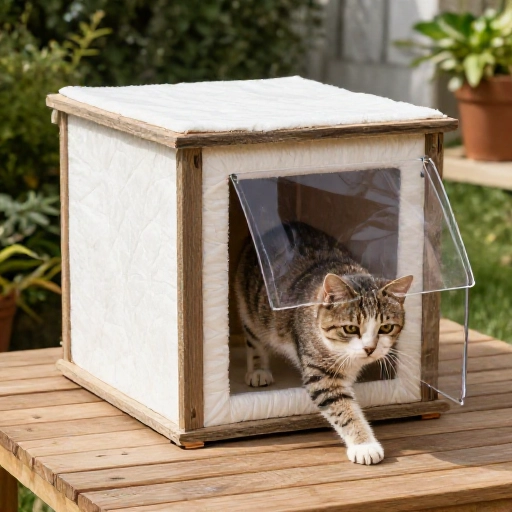
4. Cat House with Removable Clear Door Flap
A clear door flap might seem like a small detail, but it makes a huge difference. I’ve noticed that cats are more likely to use a shelter if they can see out. The clear flap blocks wind and rain while still letting light in, so it doesn’t feel like a dark cave.
Look for a flap that’s removable for easy cleaning. Some cats will push through it right away; others need a little encouragement. I usually tape the flap open for a few days until they get used to the house. Once they’re comfortable, I let it hang down for full weather protection.
5. Multi-Level Cat Condo with Weatherproof Roof
If you have multiple outdoor cats, a multi-level condo can reduce squabbles and give everyone their own space. The best ones have a weatherproof roof, like shingles or corrugated plastic, that overhangs the sides. That overhang keeps rain from running down the walls and into the entrances.
I also look for raised floors on each level and a narrow staircase or ramp. This design keeps cats off the cold ground and allows them to move to a higher, warmer spot if needed. Just make sure it’s sturdy—wind can topple a flimsy condo.
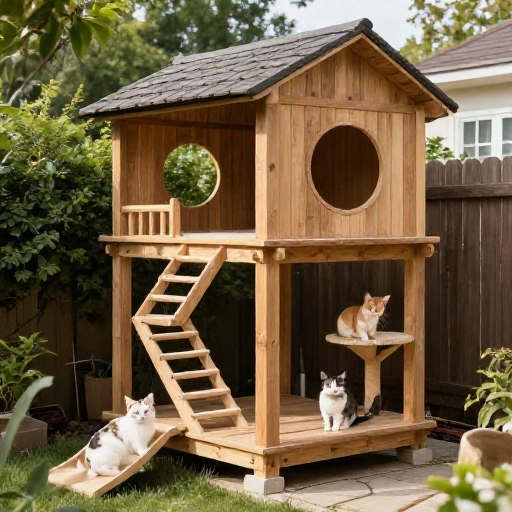
6. DIY Rubbermaid Bin Cat Shelter with Straw
This is my go-to for a quick, cheap, and surprisingly effective shelter. You take a large plastic storage bin, cut a small hole in one side (up high, so water can’t get in), and line the inside with Styrofoam or reflective insulation. Then you fill it with straw.
The lid keeps rain and snow out, and the small entrance keeps body heat in. I’ve used these for years and they hold up well. Just make sure the hole edges aren’t sharp, and place the bin on bricks or a pallet so it’s off the ground. It’s not fancy, but it works.
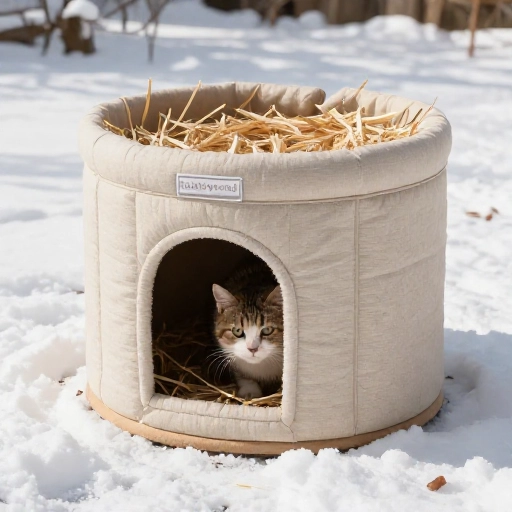
7. Cedar Cat House with Extended Roof Overhang
Cedar is naturally resistant to rot, insects, and moisture, which makes it a fantastic material for outdoor cat houses. I love a cedar house with an extended roof overhang—it creates a little porch area that keeps the entrance dry even in heavy rain.
The natural oils in cedar also help repel fleas and mites, which is a nice bonus. Just be aware that some cats are sensitive to strong cedar smells. If your cat sneezes or avoids it, air it out for a few days before they move in.
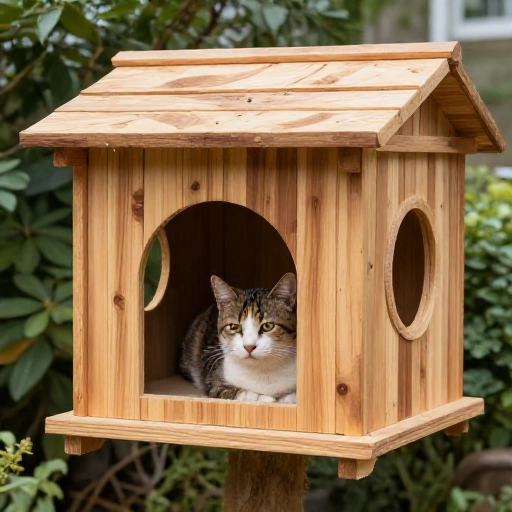
8. Cat House with Heated Pad and Timer
Sometimes you don’t need a full heated house—just a heated pad inside a well-insulated shelter. I like this setup because it’s flexible. You can use the pad only during the coldest nights and save energy with a timer.
Look for a pad that’s designed for outdoor use and has a chew-resistant cord. Place it under a layer of straw or a thin blanket so your cat can adjust how much heat they want. Always check the pad for wear and tear, and never use one that’s damaged.
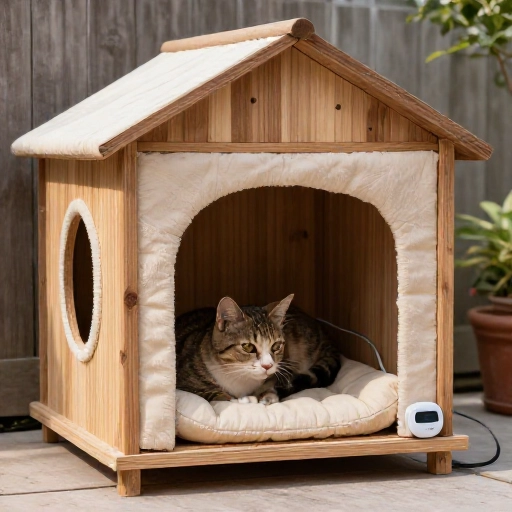
9. Converted Dog House with Insulation and Door
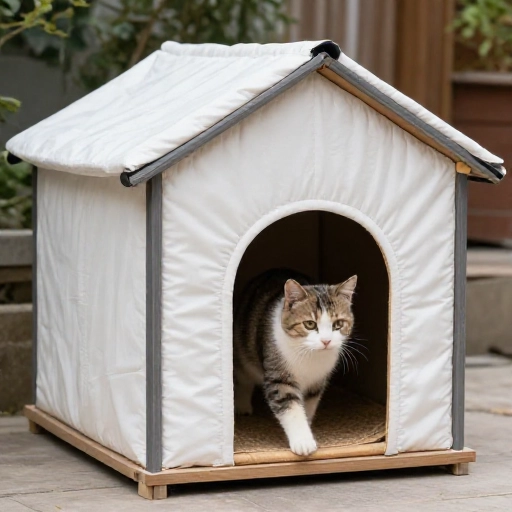
If you already have a dog house, you can convert it into a cozy cat shelter. I’ve done this by adding foam board insulation to the walls, floor, and ceiling. Then I cut a smaller cat-sized door and added a heavy plastic flap.
The key is to reduce the interior space so a cat’s body heat can warm it up quickly. You can also add a partition inside to create a small entryway that blocks wind. It’s a budget-friendly way to reuse what you have and keep outdoor kitties protected.
10. All-Season Catio with Covered Shelter Area
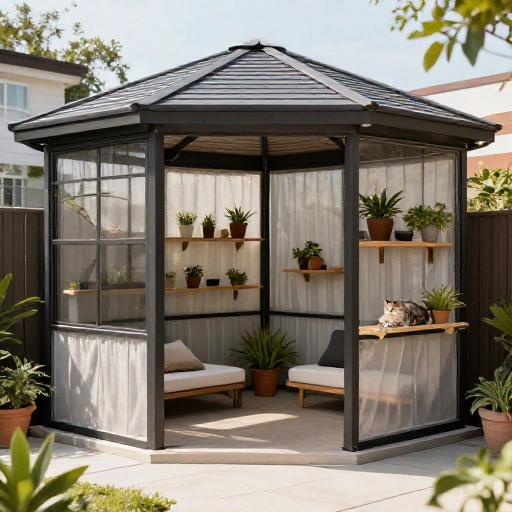
For cats that spend a lot of time outside, a catio with a covered shelter area is the ultimate weather protection. The catio gives them room to move around, while the covered section keeps them dry and shaded. I like catios with a solid roof and at least one wall to block wind.
Inside the covered area, place an insulated cat house or heated pad. This combo works in every season—sun, rain, snow, or wind. Just make sure the catio is secure and has plenty of perches and hiding spots. It’s a bigger investment, but it keeps outdoor cats safe and happy year-round.
Final Thoughts
No matter which weather-protected cat house you choose, the goal is the same: keep outdoor kitties dry, warm, and safe from the elements. I’ve learned that elevation, insulation, and a small, wind-blocked entrance are the three most important features. You don’t need to spend a fortune—sometimes a simple DIY bin shelter works just as well as a fancy heated house.
Check your shelter regularly, especially after storms. Replace wet bedding, make sure the door isn’t blocked, and clean it out now and then. A little maintenance goes a long way. Your outdoor cats will thank you with purrs and maybe even a slow blink or two.
Frequently Asked Questions
Q: What’s the best bedding for an outdoor cat house?
A: Straw is the best because it repels moisture and insulates even when damp. Avoid blankets and towels—they absorb water and can freeze. If you use a heated pad, place it under a thin layer of straw.
Q: How do I keep rain from blowing into the cat house?
A: Position the entrance away from prevailing winds, add a door flap, and make sure the roof has an overhang. Elevating the house also helps keep water from pooling around the entrance.
Q: Will outdoor cats actually use a heated cat house?
A: Most cats love warmth, but they need time to trust a new shelter. Leave the door open or taped for a few days, and put a little catnip or familiar-smelling item inside. Once they feel safe, they’ll use it regularly.
Q: How often should I clean an outdoor cat house?
A: Check it weekly and do a deep clean once a month, or more often if it’s damp. Remove old bedding, wipe down surfaces with pet-safe cleaner, and let it dry completely before adding fresh straw.
Q: Can I use a dog house for an outdoor cat?
A: Yes, but you’ll need to make it smaller and cozier. Add insulation, a smaller door with a flap, and a partition to block drafts. Cats need a tighter space than dogs to stay warm.