10 Creative Dog Park Ideas to Build the Ultimate Play Area for Your Pup
I’ve spent countless weekends watching my dog race around local parks, and one thing always sticks with me: not all play areas are created equal. Some are boring, muddy rectangles. Others feel like magic for both dogs and their humans. If you’re dreaming up a new dog park or sprucing up an old one, you want it to be a place where tails never stop wagging.
After talking to trainers, landscape designers, and plenty of dog owners, I’ve pulled together the ten best ideas that really work. These aren’t just fancy concepts — they’re practical, fun, and designed to keep every pup safe and happy. Whether you’re working with a small backyard or a community space, these ideas will help you create a play area that dogs actually love.
1. Separate Zones for Big and Small Dogs
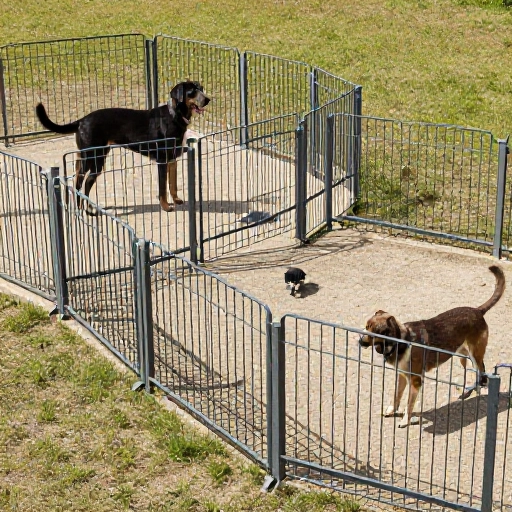
This is the golden rule of dog park design. Big dogs play rough, and tiny pups can get overwhelmed or hurt. I’ve seen a 10-pound terrier freeze in fear near a pack of Labradors. Having two fenced sections lets small dogs run free without stress.
Make the dividing fence sturdy but see-through so dogs can sniff and get used to each other. Add double-gated entry points for safety. Place water stations in both zones so no one has to share bowls.
- Use at least 4-foot fences for small dogs
- Use 6-foot fences for large breeds
- Include separate seating for each zone
2. Digging Pits That Save Your Grass
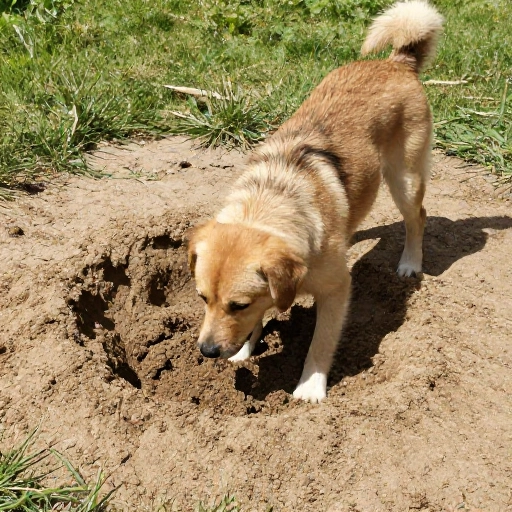
Some dogs just love to dig. Instead of fighting it, give them a dedicated spot. A sand pit with soft, clean sand is perfect. I fill mine with buried toys and treats so my dog gets a reward for digging in the right place.
Frame the pit with low logs or rubber edging so it stays contained. Cover it when not in use to keep critters out. You’ll save your lawn and give your pup a favorite hobby.
- Use playground-grade sand
- Add drainage underneath
- Bury safe chew toys weekly
3. Agility Equipment for Smart Pups
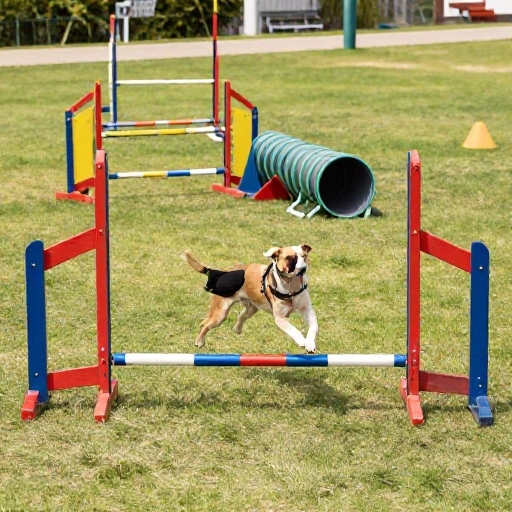
Dogs need mental challenges, not just running. Simple agility features like low jumps, weave poles, and tunnels turn a flat park into an adventure. You don’t need expensive gear — PVC pipes and sturdy fabric tunnels work great.
Place these in a low-traffic corner so dogs can practice without chaos. I like to rotate equipment every few weeks to keep things fresh. Even shy dogs gain confidence after mastering a small ramp.
- Keep jump heights under 16 inches
- Use non-slip surfaces on ramps
- Add a pause box for training
4. Shade Structures That Actually Work
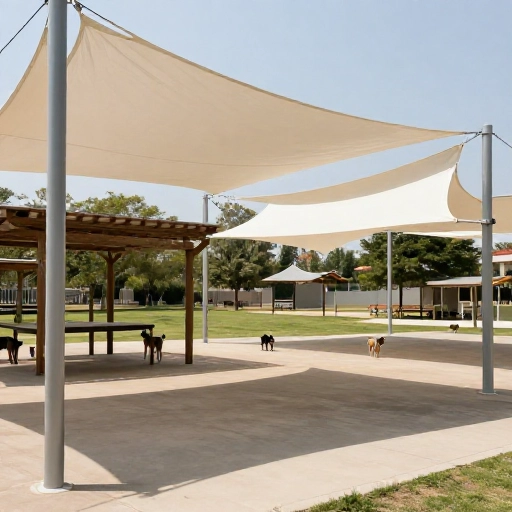
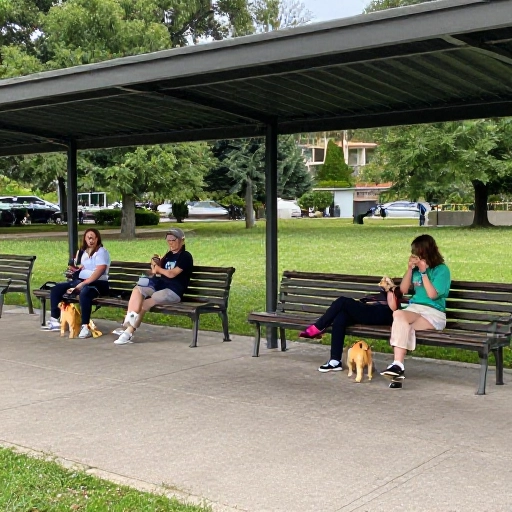
Sunny days are fun, but dogs overheat fast. A park without shade is unusable by mid-afternoon. I recommend a mix of natural shade from trees and built structures like sail shades or wooden pergolas.
Place seating under these areas so owners can watch comfortably. Add a few misting stations on hot days — dogs love them. Remember that some breeds, like bulldogs, need extra cool spots.
- Plant fast-growing shade trees
- Install shade sails at 10 feet high
- Keep water bowls in shaded areas
5. Splash Zones for Water-Loving Dogs
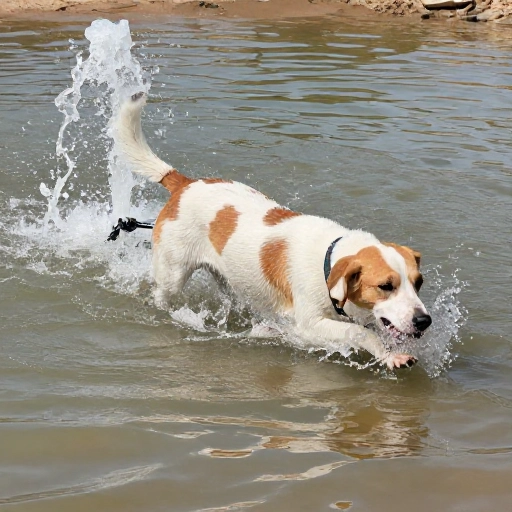
If your park gets hot, add a splash zone. A shallow, recirculating water feature or a simple sprinkler system makes dogs go wild. I’ve seen Labs refuse to leave a kiddie pool filled with fresh water.
Make sure the water is filtered and changed often to prevent algae. Use non-slip surfacing around the area. Add a drain so it doesn’t turn into a mud pit.
- Keep water depth under 12 inches
- Use pet-safe cleaning products
- Include a drying station with towels
6. Sensory Gardens That Calm and Stimulate
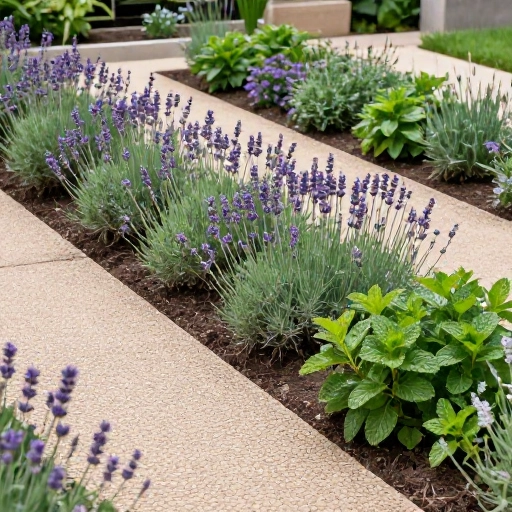
Dogs experience the world through smell. A sensory garden with dog-safe plants like lavender, mint, and rosemary gives them a peaceful place to explore. I plant these along the fence line so dogs can sniff on walks.
Avoid toxic plants like lilies or daffodils. Add different textures like soft moss, smooth stones, and bark chips. This area works wonders for anxious dogs who need a break from play.
- Use raised beds to protect plants
- Include a few low benches
- Plant in clusters for strong scents
7. Wide, Soft Paths for Senior Dogs
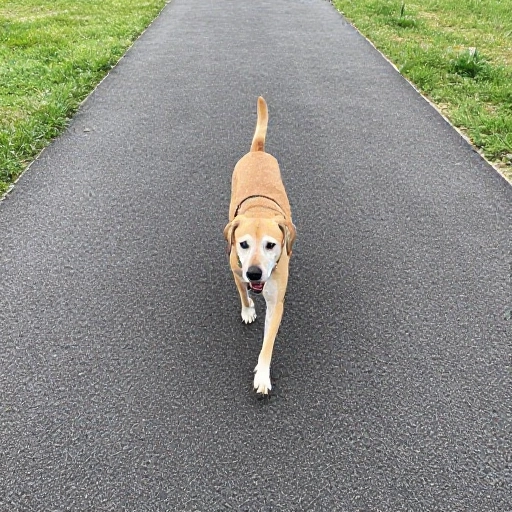
Not every dog wants to sprint. Older pups need gentle walking loops with soft surfaces. I use rubber mulch or fine gravel that’s easy on joints. These paths should be wide enough for two people to walk side by side.
Place benches every 50 feet so owners can rest. Add gentle slopes instead of stairs. A designated senior zone near the entrance lets older dogs enjoy the park without being knocked over.
- Use recycled rubber paths
- Avoid sharp turns
- Keep paths shaded
8. Dog-Friendly Seating for Owners
Happy owners come back often. I’ve found that comfortable, shaded seating makes a huge difference. Use picnic tables with built-in hooks for leashes and bags. Add a few rocking chairs or Adirondack chairs near the small dog zone.
Include a small table for coffee cups and phones. Some parks even add charging stations. When owners stay longer, dogs get more exercise and socialization.
- Use weather-resistant materials
- Add cup holders
- Space seating away from gates
9. Poop Bag Stations That Don’t Run Out
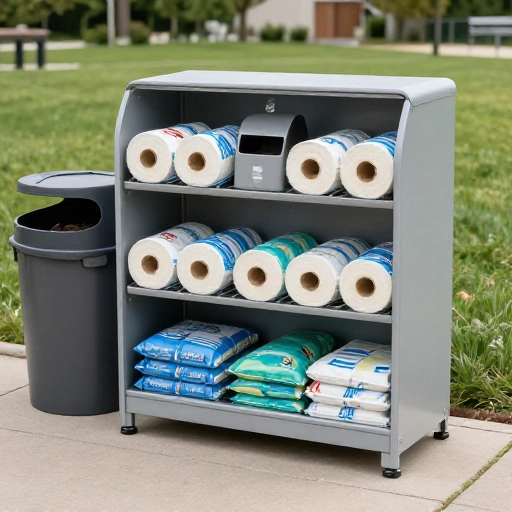
Nothing ruins a park faster than waste everywhere. I install multiple stations with sturdy dispensers and a sign asking owners to restock if they take the last bag. Place them near entrances and along main paths.
Add a clearly marked trash can with a lid at each station. Some parks use compostable bags to be eco-friendly. A clean park is a park people want to visit again.
- Check and refill weekly
- Use bright-colored dispensers
- Include a small sign with rules
10. Social Corners with Obstacles and Tunnels
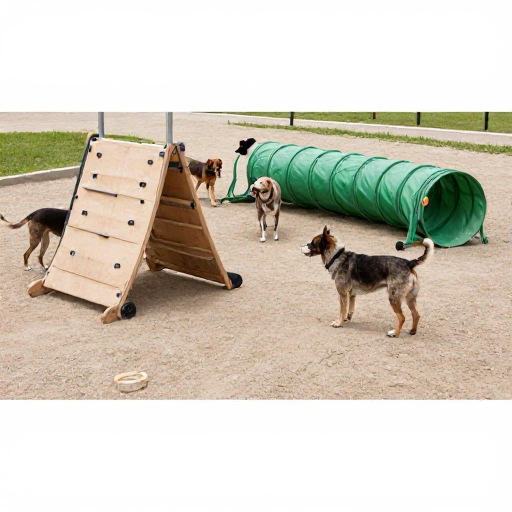
Dogs love to chase and be chased. Create a social corner with low tunnels, A-frames, and wide barrels. This encourages group play without the chaos of wide-open spaces. I place these features in a circle so dogs can run loops naturally.
Use bright colors so dogs can see obstacles easily. Add a few hiding spots for timid dogs. This corner becomes the heart of the park where friendships are made.
- Keep obstacles low and safe
- Use soft, rounded edges
- Rotate layout every season
Conclusion
Building a dog park that truly works takes a little thought, but the payoff is huge. I’ve seen shy dogs blossom in sensory gardens and senior dogs find joy again on soft paths. Every idea here is designed to make your park a place where dogs and people feel at home.
Start with one or two features and see how your pup reacts. You might be surprised what makes their tail wag the most. A great dog park isn’t about fancy equipment — it’s about creating space for play, rest, and connection.
Frequently Asked Questions
What is the best surface for a dog park?
I recommend washed concrete or compacted gravel for high-traffic areas, and rubber mulch or artificial turf for play zones. Grass is nice but gets muddy fast.
How big should a dog park be?
A good rule is at least 1,000 square feet for small dogs and 2,000 square feet for large dogs. Even a small backyard can work if you use the space wisely.
How do I keep my dog safe at a dog park?
Always supervise, know your dog’s body language, and leave if they seem stressed. A well-designed park with separate zones and clear rules helps a lot.
Can I build a dog park on a budget?
Yes! Start with a fenced area, add a water station, and use repurposed materials for agility features. You can expand over time as your budget grows.
What plants are safe for dog parks?
Safe options include lavender, rosemary, sunflowers, and marigolds. Avoid lilies, azaleas, and sago palms. Always check with a local nursery for your region.