10 Clever Ways to Build a Side Yard Dog Run (Small Space Ideas That Actually Work)
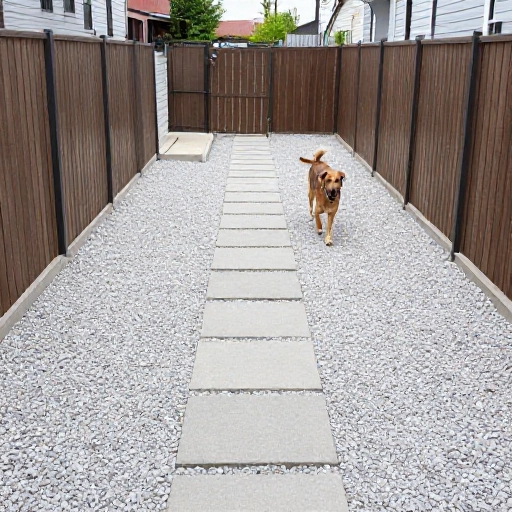
When I looked at the skinny strip beside my house, I saw weeds, mud, and a whole lot of wasted space. Then I realized my dog saw something else: a perfect private potty and play zone. That’s when I started planning a side yard dog run.
A side yard dog run is basically a long, narrow dog area that gives your pup a safe place to stretch, sniff, and do their business without taking over the whole backyard. It can be as simple as gravel and a fence, or as polished as turf and a shade sail.
These are the 10 ideas I’d try first. Whether you have a tiny city lot or a wider suburban side yard, there’s a setup here that can work for your space, your budget, and your dog’s personality.
1. Start With a Simple Gravel and Paver Dog Run
The easiest side yard dog run I’ve built started with a cleared strip, a layer of weed barrier, and rounded pea gravel. I edged it with pavers so the gravel stayed put and the space looked intentional.
Gravel drains fast, which is a huge win for muddy side yards. It also keeps paws cleaner than dirt and cuts down on the swampy smell that happens when dogs use the same spot over and over.
Choose rounded pea gravel, not jagged rock, because sharp stones can hurt paws. If your dog is a digger, add a layer of wire mesh under the gravel before you top it off.
2. Turn a Narrow Strip Into a Mulch and Stepping Stone Path
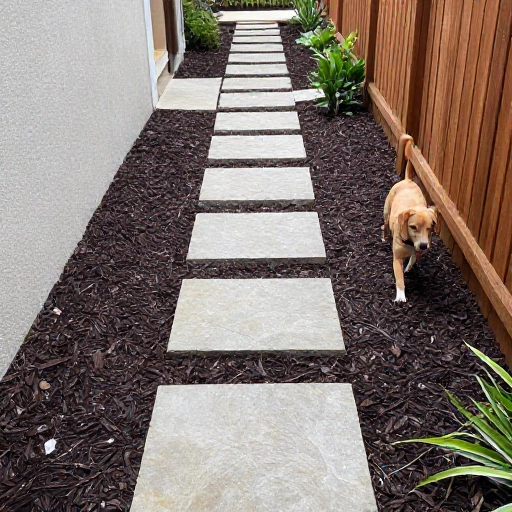
If grass refuses to grow in your side yard, mulch can be a budget-friendly base for a dog run. I like wood chips or playground mulch because they soften the ground and break down naturally over time.
Place stepping stones down the center so you can walk through without sinking into mud. Your dog gets a soft surface, and you get a dry path for scooping, refilling water, or just checking on things.
A mulch dog run looks tidy with almost no effort. Just avoid cocoa mulch, which can be toxic to dogs, and refresh the top layer once or twice a year.
3. Use Artificial Turf for a Clean, Low-Maintenance Run
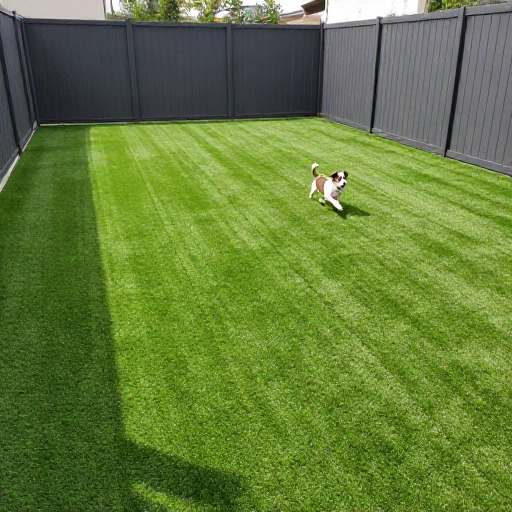
Artificial turf gives you that instant green look without watering, mowing, or muddy paws. I’d pick a pet-safe turf with a decent backing and drainage holes so urine can rinse through.
Install it over compacted base rock and a weed barrier, not straight on dirt. That keeps the surface stable and helps prevent odors from soaking into the soil underneath.
It’s not cheap, but it’s hard to beat for a side yard dog run that stays clean. Rinse it weekly, scoop solids right away, and your side yard will look good even in winter.
4. Build a DIY Pea Gravel Potty Zone With a French Drain
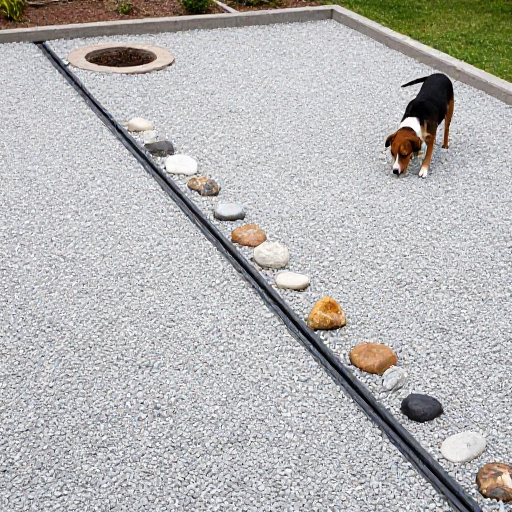
For dogs who need a dedicated potty spot, a pea gravel potty zone plus a French drain is my favorite combo. It sounds fancy, but it’s really just a gravel area with a hidden drainage trench.
Dig a trench along the lowest side of the run, add perforated pipe, and cover it with gravel. Then top the whole area with pea gravel. Rain and urine drain away instead of pooling in the middle.
This keeps the side yard from turning into a swamp. It’s a little more work upfront, but the payoff is huge if you live somewhere with heavy rain or clay soil.
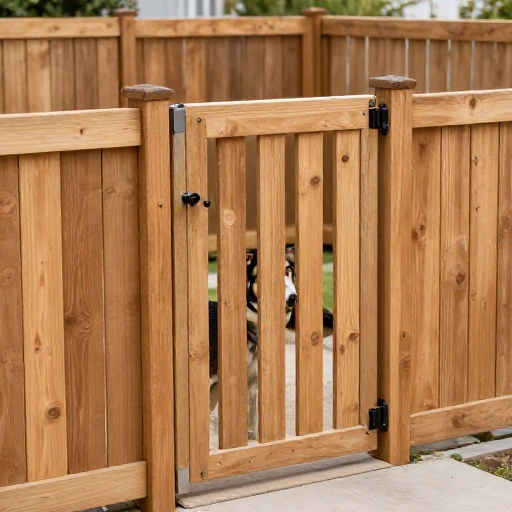
5. Add a Tall Privacy Fence With a Dog-Friendly Gate
A side yard dog run only works if your dog can’t see everything and bolt. I’d install a tall, solid fence with no gaps at the bottom, because small dogs can squeeze through spaces you’d never notice.
Privacy helps with barking, too. If your dog can’t watch the neighbor’s cat all day, they’re usually calmer and more likely to relax in their run.
Add a self-closing gate and a lock your dog can’t nudge open. For extra safety, use a double gate system if your side yard connects to the front yard.
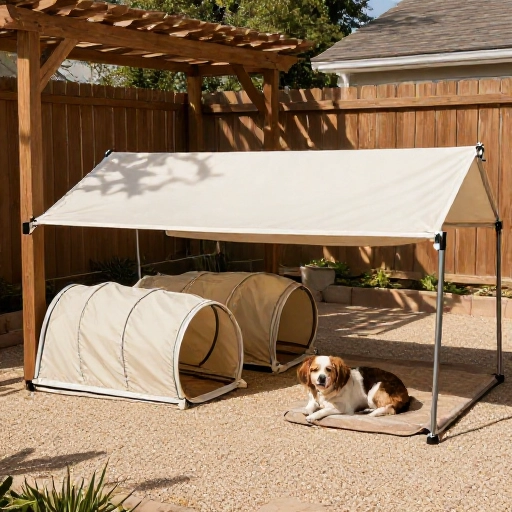
6. Create a Shaded Tunnel With a Removable Awning
Side yards can become heat traps in summer. I learned that the hard way when my dog started lying in the only shadow instead of using the rest of the run.
A removable awning or shade sail over part of the run can drop the temperature and give your dog a cool place to nap. Choose a UV-blocking fabric and angle it so rain runs off instead of pooling.
In winter, you can take it down or roll it up. That flexibility makes this one of the smartest upgrades for a narrow side yard dog run.
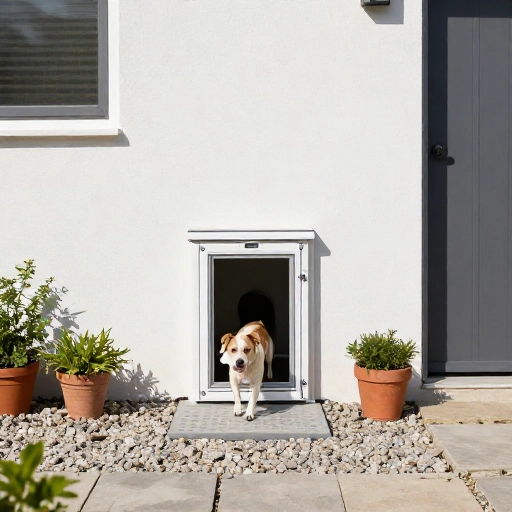
7. Install a Dog Door and Side Yard Potty Station
If your side yard connects to the house, a dog door can turn the run into a self-serve potty station. I’d put the dog door near the kitchen or mudroom, then create a small potty area right outside.
Use gravel, turf, or a pea gravel pad for that potty spot. Keep it separate from the main play area if you can, so your dog isn’t stepping in waste while they’re trying to chase a ball.
Train your dog to use it with treats and a consistent routine. A dog door isn’t for every dog, but for busy mornings it feels like magic.
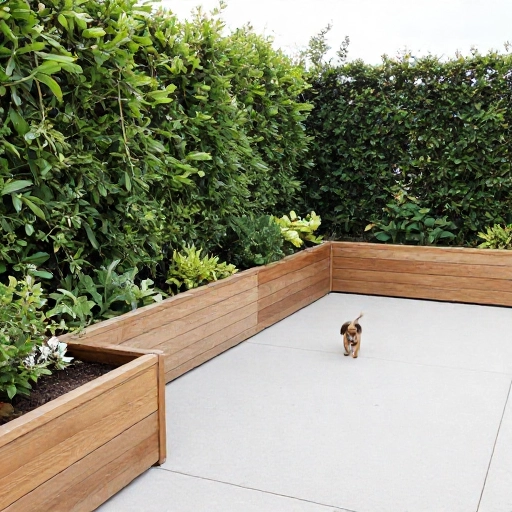
8. Use Raised Planters and a Vine Screen for a Pretty Barrier
You don’t have to choose between a dog run and a nice view. Raised planters can create a soft visual barrier while still letting air and light through.
I’d plant dog-safe, non-toxic vines or tall grasses. Check the ASPCA list before you plant anything, because some common garden favorites are dangerous for dogs.
The planters also stop dogs from digging along the fence line. Leave a narrow walking path for yourself, and the whole side yard feels like a garden instead of a kennel.
9. Make a Long, Lean Fetch Lane With Durable Ground Cover
Some dogs don’t need a potty patch; they need a place to sprint. A long side yard is perfect for a fetch lane, especially if you have a ball-obsessed dog.
I’d use packed decomposed granite, rubberized track, or tough turf for the surface. Keep it clear of obstacles so your dog can run full-out without slipping or tripping.
Add a ball launcher and a couple of durable toys. This setup is also great for tug, quick training drills, or burning off energy before you leave for work.
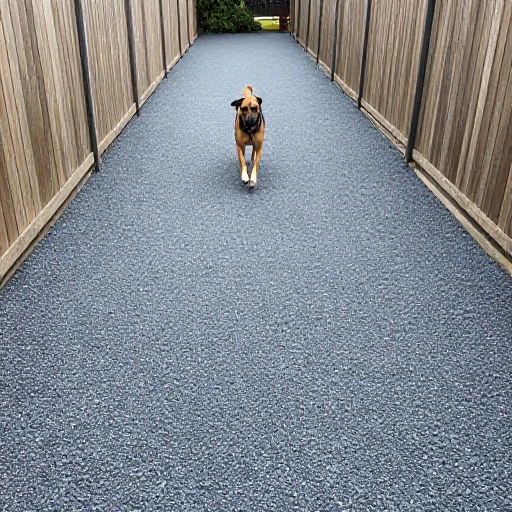
10. Add a Small Wash Station and Toy Bin at the Exit
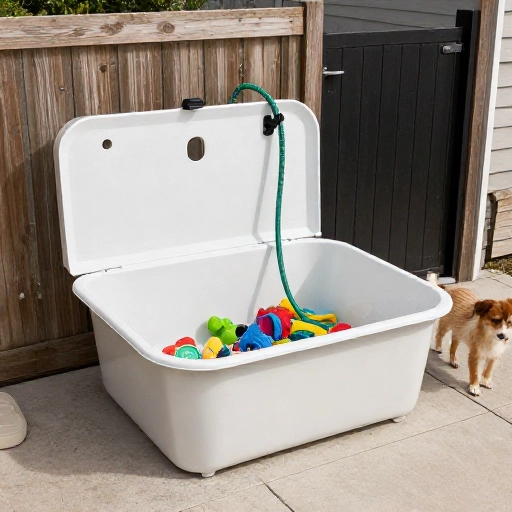
The best side yard dog run is one that doesn’t track mud into the house. I’d add a small wash station near the exit with a hose bib, a shallow basin, and a few old towels.
If you have space, a covered toy bin keeps leashes, balls, and poop bags together. That way you’re not hunting for supplies when you’re already running late.
This little detail makes the dog run feel like part of your home, not an afterthought. It’s also a lifesaver after rainy days and muddy paw season.
Final Thoughts on Building a Side Yard Dog Run
A side yard dog run doesn’t have to be fancy. Start with the surface, fencing, and drainage, then add comfort features like shade, turf, or a wash station as you go.
My best advice is to build it in phases. Test one material for a week, watch how your dog uses the space, and adjust. A side yard dog run should make your life easier and your dog happier, not become a weekend project you regret.
FAQ: Side Yard Dog Run Questions
Q: How wide does a side yard dog run need to be?
A: For a potty run, 3 to 4 feet wide can work for small and medium dogs. For running and playing, aim for at least 5 to 6 feet if you can. Even a narrow strip can work if you focus on length.
Q: What is the best ground cover for a side yard dog run?
A: It depends on your dog and climate. Pea gravel drains well, mulch is budget-friendly, artificial turf stays green, and decomposed granite is great for active dogs. Avoid sharp rocks and cocoa mulch.
Q: How do I stop my side yard dog run from smelling?
A: Pick up poop daily, rinse pee spots, and add good drainage. A French drain or gravel base helps a lot. Avoid letting waste soak into bare soil, because that’s where odors start.
Q: Can I build a dog run on a narrow side yard with no grass?
A: Yes. Grass is not required. Gravel, mulch, turf, and pavers all work. Just make sure your dog has shade, clean water, and a comfortable spot to rest.
Q: Do I need a permit for a side yard dog run?
A: Sometimes. Fence height, setbacks, and drainage rules vary by city. Check local rules before you dig or build, especially if you’re adding a tall fence or a permanent structure.