Adopted a Dog With a Mystery Past? Start Here: 10 Gentle Steps to Build Trust
When I adopted my dog, the shelter knew almost nothing. No history, no name, just a scared pair of eyes and a wag that came and went. I wanted to fix everything in a weekend. That backfired. What worked was slowing down, observing, and letting her tell me what she needed.
If you’re in the same boat, take a breath. A mystery past doesn’t mean a broken dog. It means you get to be the person who writes the next chapter. Here are 10 things I wish I’d known from day one.
None of this is about being perfect. It’s about being predictable, patient, and curious. Let’s get into it.
1. Create a Quiet Decompression Zone First
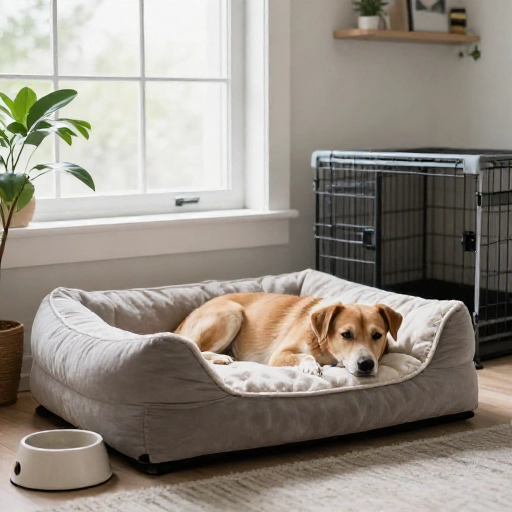
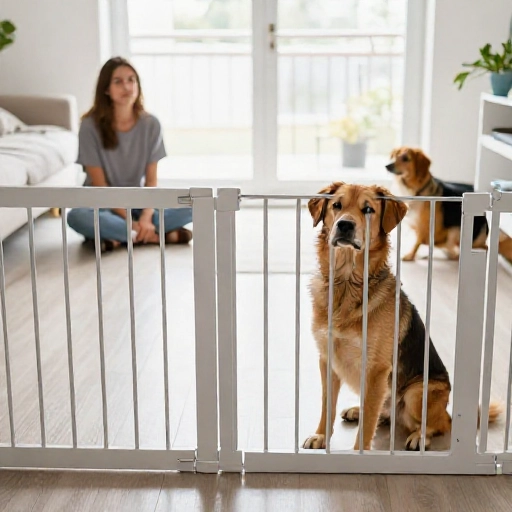
Before toys, before cuddles, before anyone meets your new dog, set up a small, safe space. A corner with a bed, water, and a baby gate. Not a crate in the middle of the living room. Somewhere they can watch the world without being part of it yet.
I used a spare bedroom and sat on the floor nearby, reading out loud. No eye contact, no reaching. Just my voice. It felt weird. But after three days, she came out on her own.
This isn’t forever. It’s a landing pad. The goal is to lower their stress hormones so they can actually learn.
2. Read the Whole Body, Not Just the Tail
A wagging tail doesn’t always mean happy. A tucked tail isn’t always fear. I learned to look at the whole picture: ears, eyes, mouth, weight shift, and breathing.
- Whale eye (whites showing) = stressed.
- Closed mouth with tight lips = worried.
- Play bow or exaggerated wiggle = relaxed.
- Freezing or turning away = please give space.
When I started narrating her signals out loud, I got better fast. “You’re licking your lips. That’s a lot of noise. Let’s back up.”
Your dog is talking. You just need the dictionary.

3. Build a Routine They Can Count On
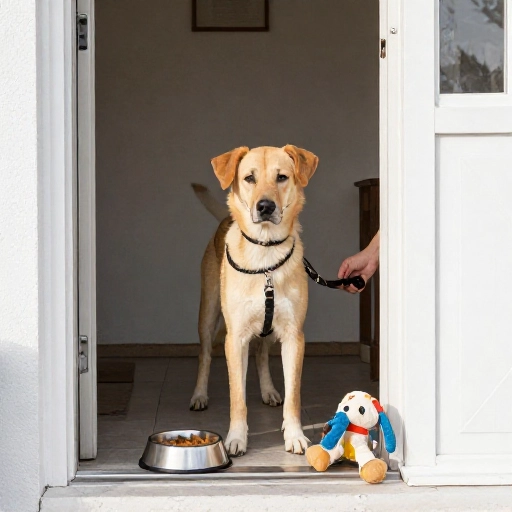
Mystery pasts often mean unpredictable pasts. So be the opposite. Same wake-up time, same walk route, same feeding order, same bedtime ritual.
I wrote our schedule on a whiteboard. Potty, breakfast, nap, sniff walk, training game, dinner, chew, bed. Boring? Yes. Magic? Also yes.
Within a week, she started waiting by the door at 7 a.m. Not because I trained her. Because she finally knew what came next.
4. Introduce New People and Pets at a Snail’s Pace
I wanted my friends to meet her immediately. Big mistake. A stranger in the house felt like a home invasion to her.
Instead, do parallel walks. You and your dog on one side of the street, the other person and their dog on the other. No greeting. Just moving in the same direction.
For people, have them toss treats without looking at your dog. Let your dog approach. If they don’t, that’s fine. Tomorrow is another chance.
Slow introductions aren’t setbacks. They’re investments.
5. Use Treats Like a Trail, Not a Bribe
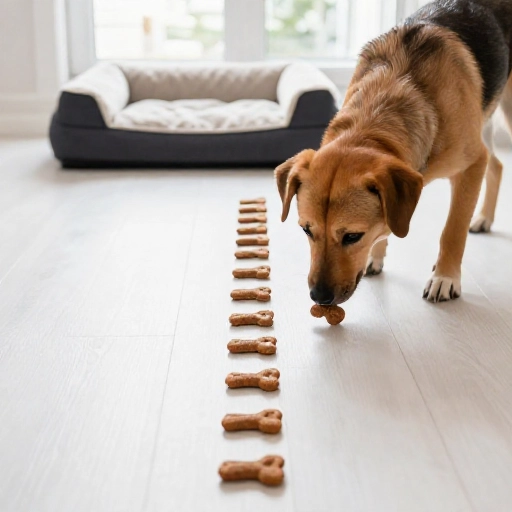
I used to hand my dog a treat to calm her down. That just rewarded the scared moment. Instead, I started dropping treats behind me as I walked. She followed the trail without thinking about the scary thing.
Try this: scatter a handful of kibble on the floor when the doorbell rings. Or toss a treat into her bed when she chooses to rest there.
You’re not spoiling. You’re building positive associations with the scary stuff.
6. Never Force Affection or Handling
This one hurts. You just want to hug them. But a dog with a mystery past might panic when cornered or touched unexpectedly.
I taught my dog a “touch” cue: I hold out my hand, she bumps it with her nose. That’s consent. If she walks away, I don’t follow.
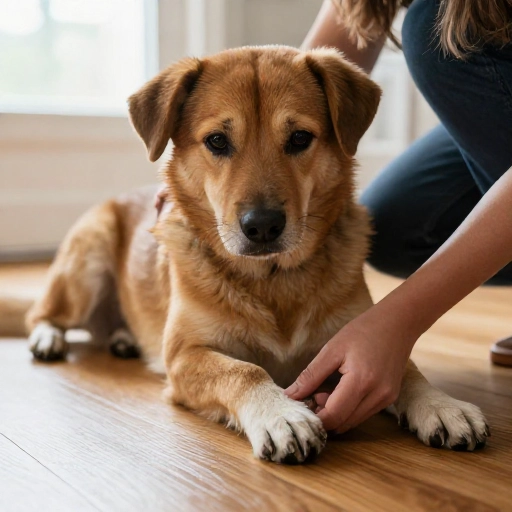
For nail trims or vet checks, use a treat scatter and go one nail at a time. If she pulls back, stop. Trust grows faster than toenails.

7. Map Their Hidden Triggers
I kept a notes app list. What made her freeze? Men in hats. The vacuum. A specific squeaky toy. The beep of the dishwasher.
Once I knew the triggers, I could prepare. I’d turn on the vacuum in another room, then reward calm. I’d ask guests to remove hats before entering.
You won’t catch everything. But you’ll catch more than you think. And every trigger you soften is a win.
8. Stack Easy Wins to Build Confidence
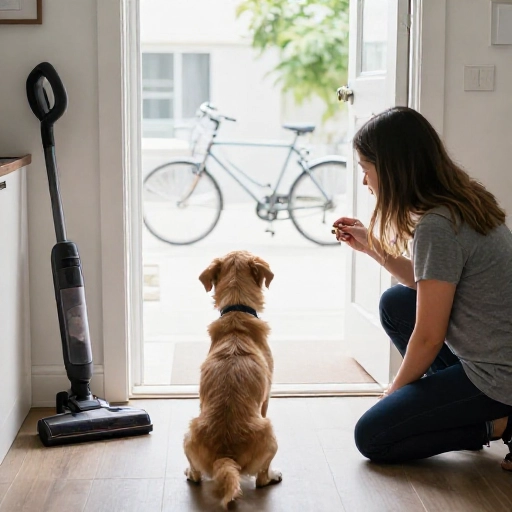
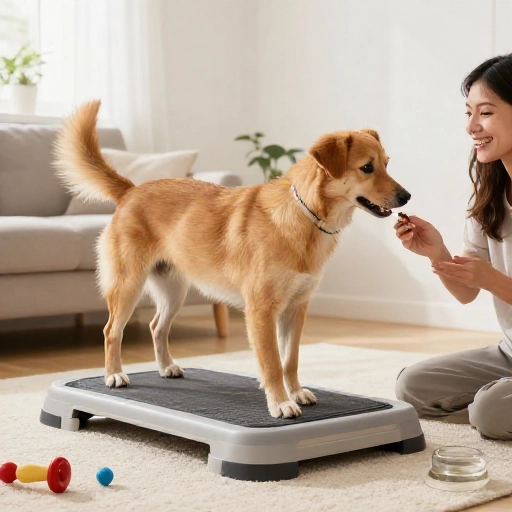
Confidence doesn’t come from big adventures. It comes from small, repeatable successes. I taught my dog to touch a target stick, sit on a mat, and find a hidden treat under a cup.
Each win took 30 seconds. But she started offering behaviors instead of hiding. She learned that trying things was safe.
Pick three tricks your dog can do easily. Practice them in different rooms. That’s it.
9. Make Vet Visits a Low-Stress Mission
My first vet visit was a disaster. I learned to call ahead. Ask for a quiet exam room, a fear-free vet, and a time when the waiting room is empty.
Bring high-value treats (cheese, chicken). Ask the vet to sit on the floor. Do a “happy visit” where you just weigh your dog and leave.
Also, get a baseline. Bloodwork, fecal test, heartworm check. A mystery past might include untreated issues. Better to know now.

10. Expect Regression and the “Honeymoon” Phase
For the first two weeks, my dog was perfect. Then she chewed a shoe, growled at a guest, and hid under the bed for a day. I panicked. I thought I’d failed.
That’s normal. It’s called the honeymoon phase. Your dog was shut down before. Now they’re comfortable enough to show you the hard stuff.
Go back to basics. More routine, more decompression, fewer demands. This too shall pass.

Final Thoughts: You’re Writing Their Next Chapter
Adopting a dog with a mystery past is not about solving a puzzle. It’s about building a relationship one quiet moment at a time. You won’t get it right every day. Neither will they.
But every predictable morning, every gentle no, every treat tossed instead of forced—it adds up. You’re not just their owner. You’re their safe place.
Start with one thing today. Just one. And let tomorrow be a little easier.
FAQ: Quick Answers for New Rescue Parents
How long does it take for a rescue dog to settle in?
Give it at least three months. The 3-3-3 rule is a rough guide: three days to decompress, three weeks to learn your routine, three months to feel at home. Some dogs take longer. That’s okay.
Should I crate my dog if they hate it?
No. Forcing a crate can backfire. Use a baby gate and a small, safe room instead. Let them choose the crate if they want it. Never use it as punishment.
My dog won’t eat. What do I do?
Try hand-feeding, warm water, or a little plain chicken. If they still won’t eat for more than 24 hours, call your vet. Stress can kill appetite, but so can illness.
How do I stop my dog from growling at me?
Don’t punish the growl. It’s a warning. Back away, give space, and figure out what triggered it. Then work on desensitization with treats. A growl is better than a bite.
When can I start training?
Start with name recognition and a simple “touch” on day one. Keep sessions under two minutes. Formal obedience can wait until your dog is less stressed. Relationship first, commands second.