7 Affordable DIY Dog Fence Ideas That Look Great and Keep Your Pup Safe
Let’s be honest—buying a pre-made fence is expensive. When I looked into fencing in my backyard for my rescue pup, the quotes made my eyes water. The good news? You don’t need to spend a fortune to give your dog a safe, happy space to run.
Over the last few years, I’ve built and tested several budget-friendly fence hacks. Some are perfect for renters, others are great if you own your home. Whether you have a tiny yard or a sprawling property, there’s a DIY option here that will work for you.
Here are my seven favorite affordable DIY dog fence ideas that are easy to build, look polished, and actually keep your dog contained.
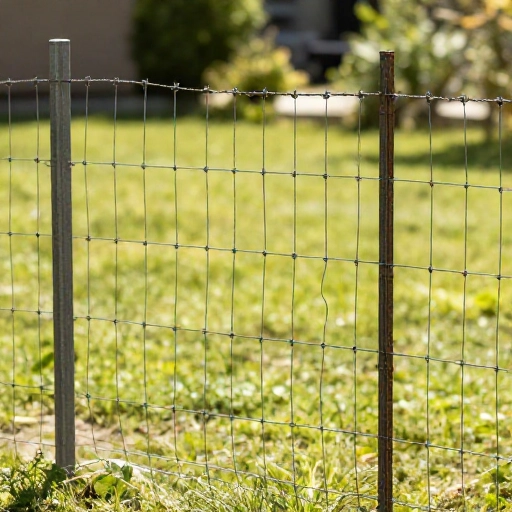
1. The Classic Metal T-Post and Wire Mesh Combo
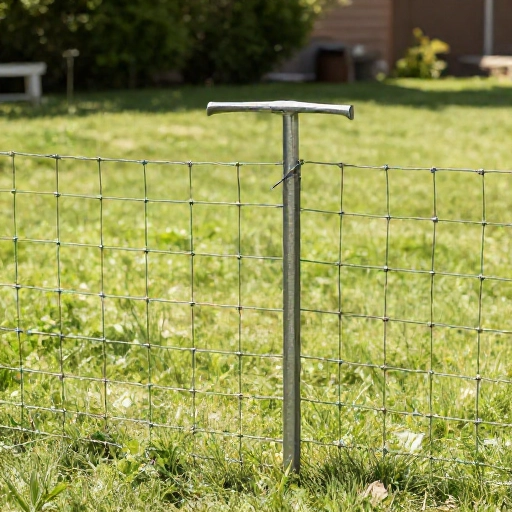
This is the workhorse of budget fencing. It’s the first fence I ever built, and honestly, it’s still my go-to for a permanent solution. You can get metal T-posts for about $3 each, and a roll of welded wire mesh is super affordable at any hardware store.
The trick is to hammer the posts deep into the ground—at least 18 inches. Then, attach the mesh with zip ties or heavy-duty wire. Make sure you bury the bottom few inches of the mesh underground. This stops diggers before they even start.
This fence is strong enough to hold in a big dog, but it’s also see-through, so your pup won’t feel closed off from the world.
- Cost: Under $50 for a small yard.
- Difficulty: Easy—needs a sledgehammer.
- Best for: Permanent yards.
2. The No-Dig Temporary Fence with Pvc Pipes
Renting? This one is for you. I used this idea when I was renting a house and couldn’t dig holes. It takes about an hour to set up and just as long to tear down when you move.
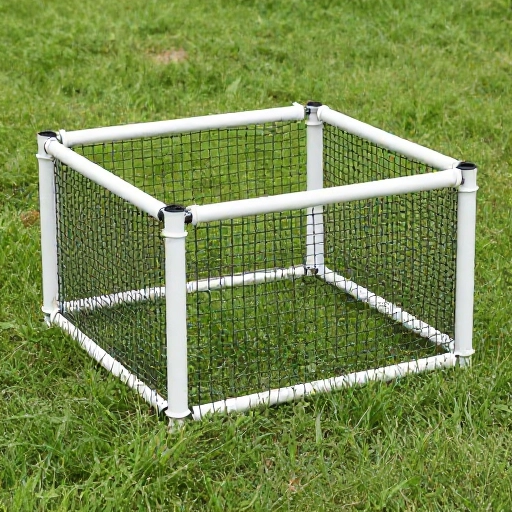
Get a few lengths of PVC pipe and some base flanges. You can stand the pipes upright and fill the bases with sand or gravel to weigh them down. Then, run a roll of plastic garden fencing or deer netting between the poles.
It’s not the prettiest option, but it’s incredibly practical. The best part? You can reposition it easily if you change your mind about the layout. It’s also perfect for creating a temporary pen for a puppy that’s still learning.
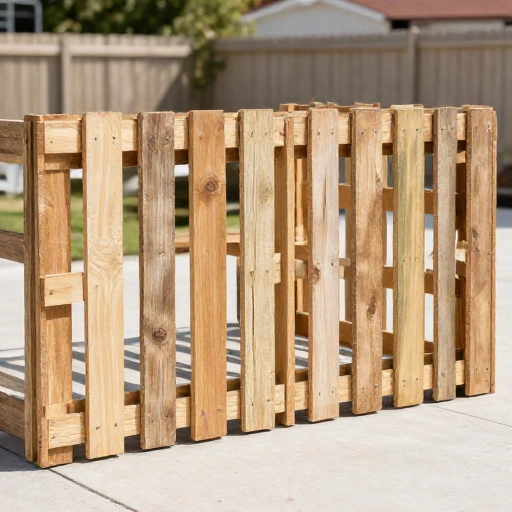
3. The Pallet Fence for a Rustic Look
If you love a farmhouse or rustic vibe, pallets are your best friend. I found free pallets at a local grocery store—they were more than happy to get rid of them. Just make sure you choose pallets that are heat-treated (stamped with “HT”) and not chemically treated.
Stand the pallets upright and connect them with heavy-duty hinges or wire. You can paint them to match your house, or leave them natural for that charming, weathered look. This creates a solid privacy fence that even the most determined jumper can’t see through.
One word of caution: sand down any rough edges. Splinters are no fun for anyone, especially your dog’s paws.
4. The Invisible Electric Wire (The Cheapest Option)
Okay, this isn’t a physical fence you can see, but it works incredibly well for keeping your dog in your yard. The kit I bought came with a transmitter, a collar, and a long wire. It cost me less than a single panel of wooden fencing.
You bury the wire around the perimeter of your yard, and the collar gives a gentle warning beep when your dog gets too close. The key here is training. You have to walk the boundary with your dog for a few days, using treats and praise to teach them where the safe zone is.
This is a great option for wide-open yards where building a physical fence would be too costly. It won’t keep other animals out, but it will keep your dog in.
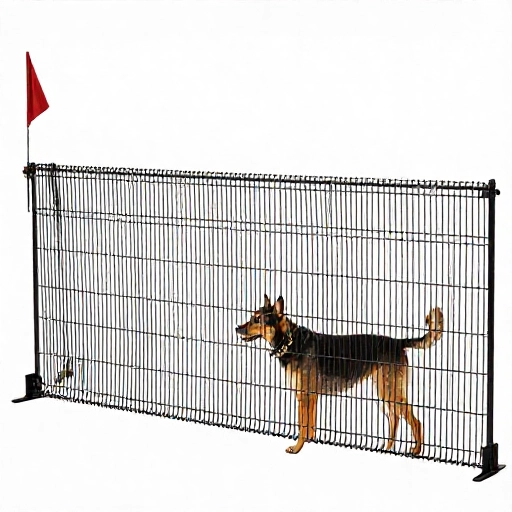
5. The Chicken Wire and Rebar Fence
For smaller breeds, chicken wire is all you need. I used this for my parents’ mini dachshund, and it was perfect. The trick to making it look neat is using rebar stakes instead of flimsy plastic ones.
Push the rebar into the ground every 4-5 feet. Then, unroll the chicken wire and attach it to the rebar with zip ties. You can fold the top edge over a piece of wood or dowel to give it a finished look and prevent sagging.
It’s not going to stop a determined husky, but for small and medium dogs, this is a super cheap and effective barrier. Plus, it takes up very little visual space in your garden.
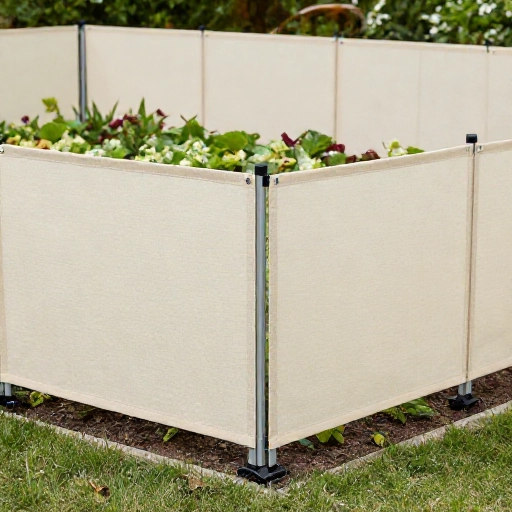
6. The Garden Border Fence with Fabric Panels
Here’s a clever hack: buy those decorative metal garden panels (the ones with pretty patterns) and attach them to steel posts. They look like fancy yard art, but they function as a solid dog fence.
I found these panels at a big-box store for about $20 each. They come in all sorts of designs—vines, leaves, geometric shapes. They are super sturdy and don’t rust easily.
This is a fantastic option if you want something that looks intentional and pretty. You can also add some climbing plants to the bottom to make it blend into your garden even more.
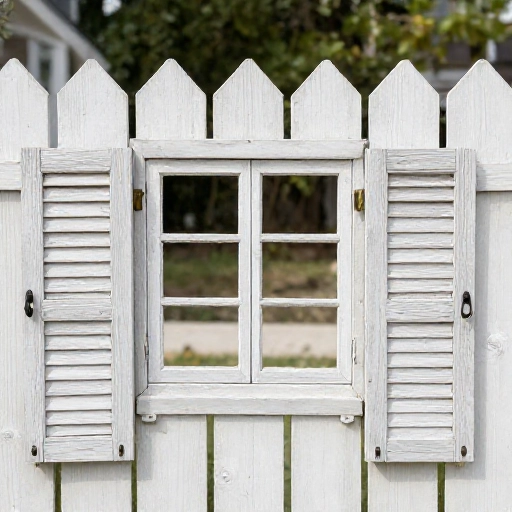
7. The Upcycled Window Shutter Fence
This is the most creative option on the list. I found a stack of old wooden shutters at a flea market for pennies. They had a lovely chipped paint look that gave my yard a ton of character.
You can attach the shutters to wooden posts or even T-posts using deck screws. Because they are solid, they provide great privacy and block the wind. Just make sure you secure them well so they don’t swing in the breeze.
This is a great eco-friendly option that will make your yard stand out. It’s a conversation starter for sure, and your dog will love the security of a solid wall.
Final Thoughts
Building a dog fence doesn’t have to break the bank. With a little creativity and some basic tools, you can create a safe space for your furry friend that looks great and lasts for years. My best advice? Start with the cheapest option that fits your dog’s size and energy level.
It’s so rewarding to watch your dog run freely and safely in a space you built with your own two hands. Pick the idea that fits your style, grab your tools, and get started this weekend. Your pup will thank you!
Frequently Asked Questions
Q: How much does it typically cost to build a DIY dog fence?
A: The cost varies wildly. You can build a simple temporary fence for under $30, while a more permanent wooden or metal setup might cost between $100 and $300. It all depends on the size of your yard and the materials you choose.
Q: What is the best height for a dog fence?
A: For most medium dogs, a 4-foot fence is usually enough. If you have a jumper like a border collie or a big breed like a lab, you should aim for 5 to 6 feet. Always check your dog’s jumping ability before you commit.
Q: How do I stop my dog from digging under the fence?
A: The best trick is to bury the bottom edge of the fence at least 6 inches underground. You can also lay large rocks or bricks along the bottom edge to create a physical barrier that’s hard to dig through.
Q: Can I use this fence for a puppy?
A: Absolutely. In fact, a temporary fence is great for puppies because you can easily adjust the size of the pen as they grow. Just make sure the gaps in the mesh are small enough that they can’t squeeze through.
Q: Are these fences safe for escape-artist dogs?
A: For very determined escape artists, I recommend reinforcing the bottom with extra stakes and using stronger wire mesh. If your dog is a climber, adding a 45-degree angle extension at the top will usually stop them in their tracks.