15 Affordable DIY Dog Fence Ideas That Actually Look Good (and Save You Hundreds)
Let’s be real—buying a pre-made dog fence can cost a small fortune. And if you’re like me, you want your pup to have room to run without spending your whole paycheck. That’s why I started looking into DIY dog fence ideas that are budget-friendly and don’t look like an eyesore.
After testing a few setups myself (and talking to other dog owners who’ve done the same), I’ve rounded up 15 affordable options. Most of these use materials from your local hardware store, and some you might already have lying around. Ready to give your dog a safe space without breaking the bank? Let’s jump in.
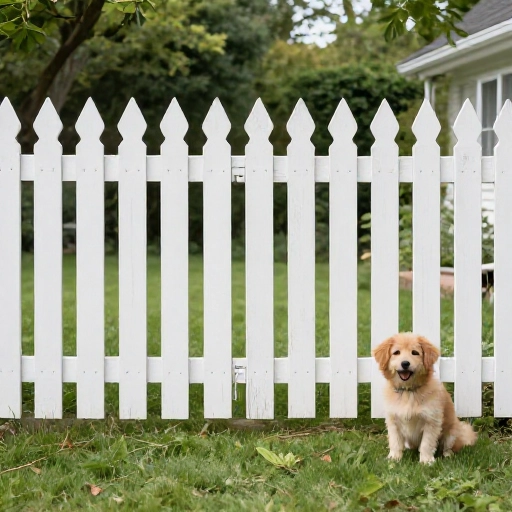
1. Classic Picket Fence with a Budget Twist
You don’t need expensive cedar pickets. Grab untreated pine or even reclaimed wood from a salvage yard. It costs a fraction of the price and ages beautifully if you seal it.
Space the pickets close enough so small dogs can’t squeeze through—about 2 to 3 inches apart. For larger breeds, you can go a bit wider. This fence is sturdy, looks charming, and is easy to paint or stain.
Pro tip: Use galvanized screws instead of nails—they hold up better over time and are easy to remove if you need to adjust.
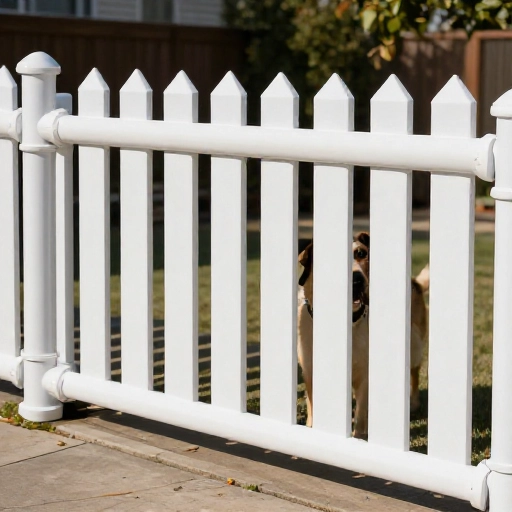
2. PVC Pipe Fence (Lightweight and Portable)
PVC pipes are cheap, lightweight, and surprisingly strong. You can build a modular fence that you take apart and move around the yard. This is perfect for renters or anyone who likes to rearrange their outdoor space.
All you need is PVC pipe, connectors, and some netting or chicken wire. Cut the pipes to your desired height, assemble the frame, and attach the mesh with zip ties. It’s a weekend project that costs under $50 for a small yard.
One thing I love: you can hose it down when it gets muddy. No rust, no rot.
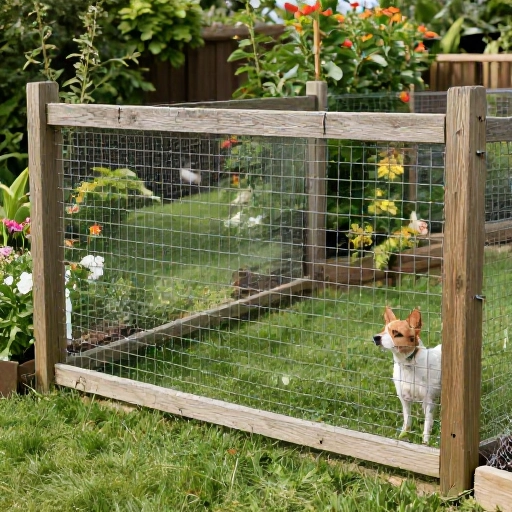
3. Chicken Wire with Wooden Posts (Classic and Cheap)
This is probably the most traditional DIY fence idea. Wooden posts (pressure-treated or cedar) and a roll of chicken wire. Dig post holes, set the posts with quick-set concrete, and staple the wire on.
It’s not the prettiest option, but it works. To make it look nicer, you can add a wooden top rail or plant climbing vines along the base. The cost is mainly the posts—chicken wire is very affordable.
Make sure the bottom is buried a few inches deep or pinned down so digging dogs don’t escape.
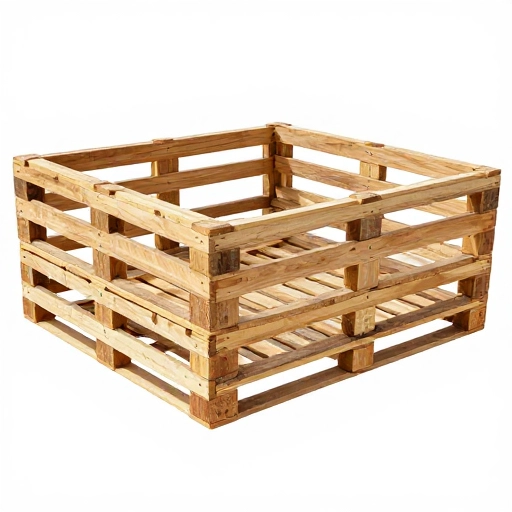
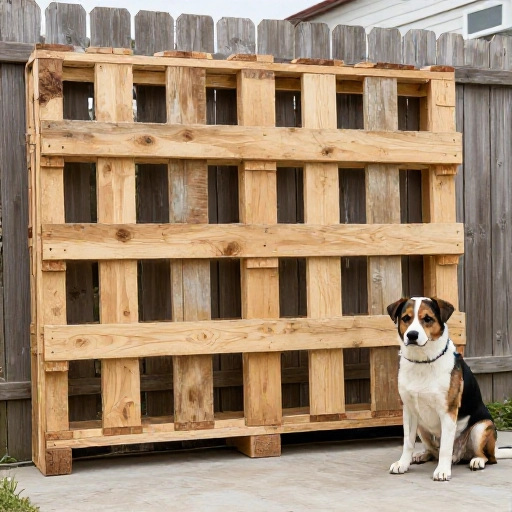
4. Repurposed Pallet Fence (Rustic and Free)
If you can get your hands on free pallets, this is one of the cheapest options out there. Disassemble them carefully (watch out for nails) and attach the slats to a simple frame.
Pallets give a rustic, farmhouse look that’s very Pinterest-friendly. You can leave them natural or paint them. They’re also sturdy enough to contain most medium to large dogs.
Just make sure the pallets weren’t treated with harmful chemicals—look for “HT” (heat-treated) stamps.
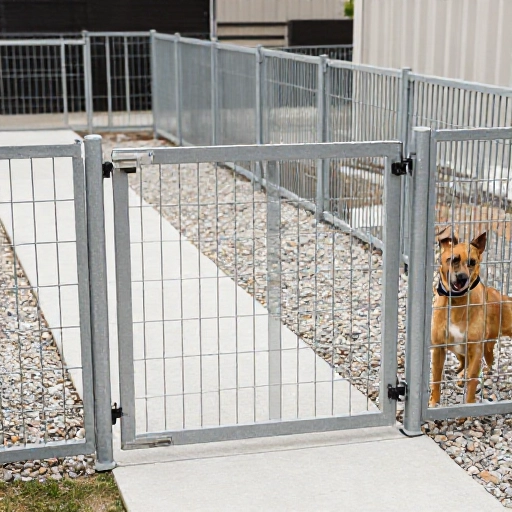
5. Wire Mesh Panel Fence (Super Strong)
Welded wire mesh panels are stronger than chicken wire and still very cheap. You can buy them in 4×8-foot sheets at most hardware stores. Attach them to T-posts or wooden posts.
This fence is great for dogs that like to lean or push against the fence. The small grid pattern also keeps out small critters. If you want a clean look, you can frame the panels with wood.
I’ve used this setup for my own dog—it’s held up through heavy rain and wind without any issues.
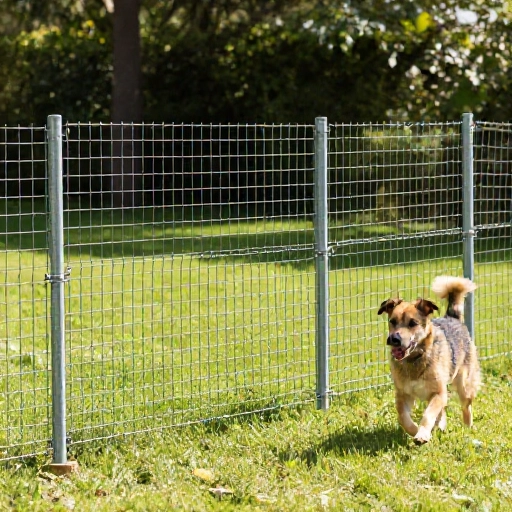
6. Bamboo Roll Fence (Natural and Stylish)
Bamboo rolls are inexpensive, easy to install, and give your yard a calm, natural feel. You can attach them to existing posts or a simple wooden frame.
Bamboo is surprisingly durable, but it does need to be sealed or treated if you live in a wet climate. Otherwise, it can crack over time. For the price, it’s a great way to add privacy while keeping your dog contained.
This is one of my favorite DIY dog fence ideas because it looks so much more expensive than it actually is.
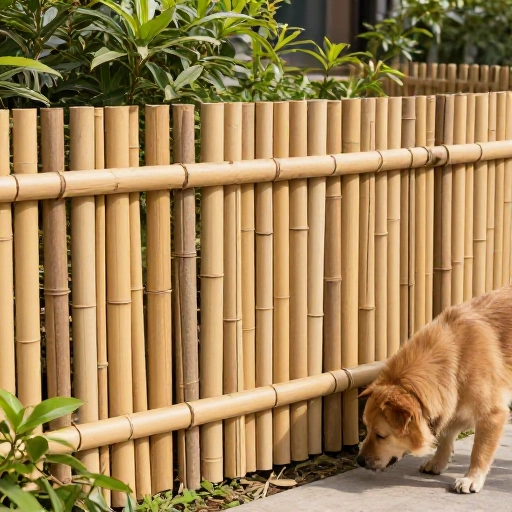
7. Garden Trellis Fence (Cute and Low-Cost)
Garden trellises are usually meant for climbing plants, but they work great as a small dog fence. They come in wood or metal, and you can find them at dollar stores or discount garden centers.
Attach several trellises together with zip ties or screws, and secure them with stakes. This fence is best for small to medium dogs. It’s also perfect for creating a designated play area within your yard.
Add some flowering vines, and it becomes a beautiful garden feature.
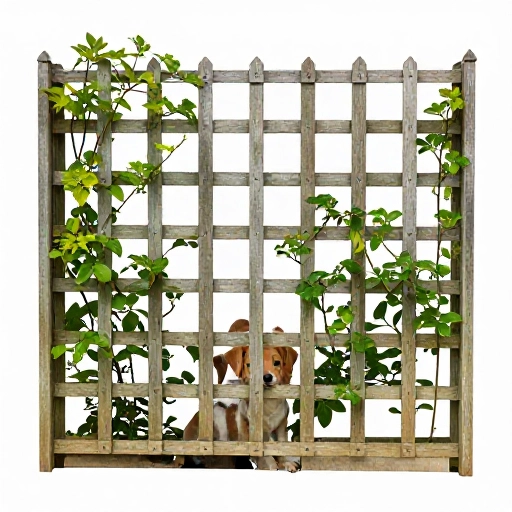
8. Cattle Panel Arch Fence (Arched and Unique)
Cattle panels are heavy-duty wire panels typically used for livestock. They’re affordable (around $20–$30 each) and very strong. You can bend them into an arch shape or use them flat.
This fence is great if you want to create a run along the side of your house or a curved enclosure. Secure the panels to T-posts or wooden posts. The grid is large enough to see through but small enough to contain most dogs.
It has a farmy look, but you can dress it up with paint or vines.
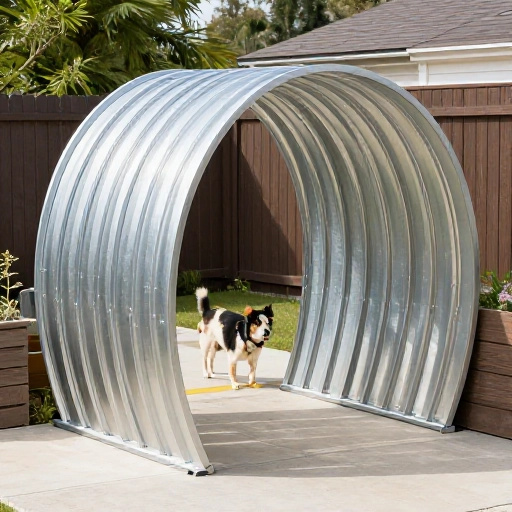
9. Snow Fence (Temporary and Dirt Cheap)
Snow fence is made of wooden slats and wire, and it’s super cheap. You can find it at hardware stores for pennies per foot. It’s not the most durable, but it works great as a temporary or seasonal fence.
Attach it to metal or wooden posts. It rolls up easily for storage, so you can take it down in winter if needed. I’ve used this for camping trips and backyard play areas—it’s lightweight and fast to set up.
Just know that determined diggers might get under it, so weigh the bottom down with rocks or boards.
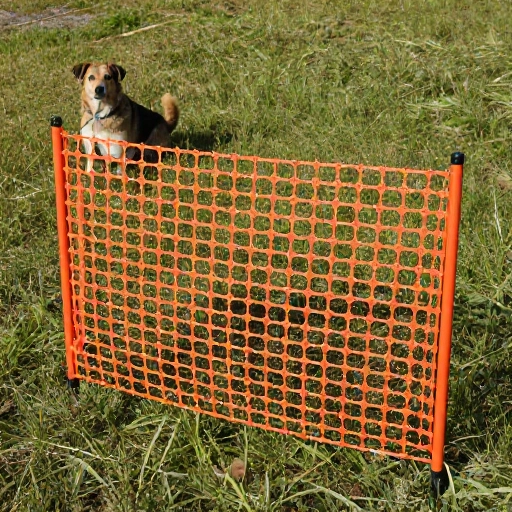
10. Stockade Fence Panels (Privacy on a Budget)
Stockade fence panels are pre-made sections of privacy fence. They’re not as cheap as chicken wire, but they’re much cheaper than custom fencing. You can buy a few panels and create a small enclosed area.
Set the panels on concrete blocks or dig them into the ground. They provide full privacy and a solid barrier for dogs that bark at passersby. The look is clean and classic.
This is a good option if you need a fence quickly and don’t want to build from scratch.
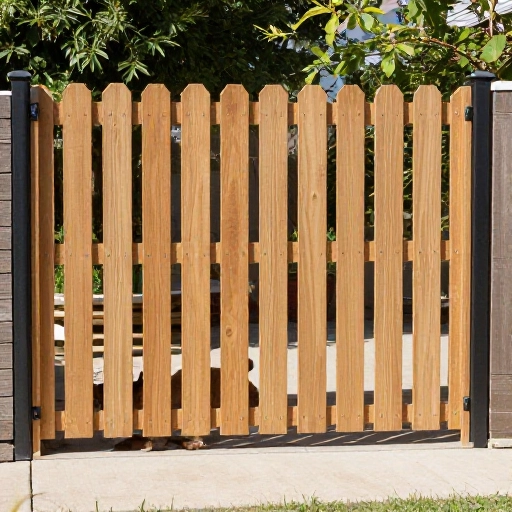
11. Repurposed Baby Gate Fence (Indoor or Outdoor)
Old baby gates can be turned into a small dog fence, especially for puppies or small breeds. Attach them to walls, posts, or even between two trees. They’re already designed to be safe and easy to open.
You can often find baby gates at thrift stores or garage sales for a few dollars. If you have multiple gates, connect them to create a larger playpen. This is perfect for a deck or patio area.
It’s not ideal for large yards, but for a small space, it’s genius.
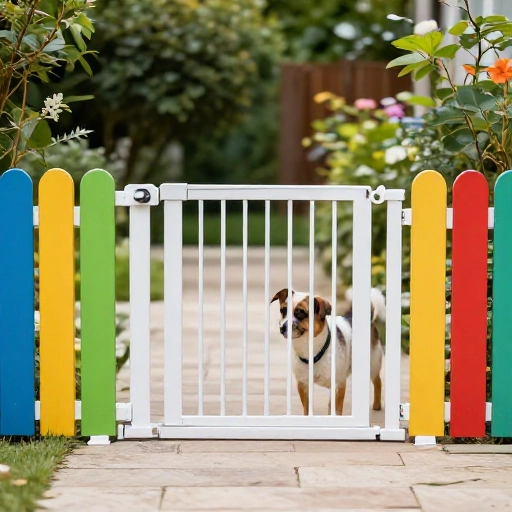
12. Hog Wire Fence (Modern and Strong)
Hog wire (also called hog panel) is similar to cattle panel but with smaller openings. It looks more modern and clean. You can frame it with wood for a fence that feels custom.
This fence is very strong and can handle large, active dogs. The open design lets you see through it, which is nice if you have a view. The cost is mid-range, but it lasts for years.
I love how this fence combines strength with a minimalist look.
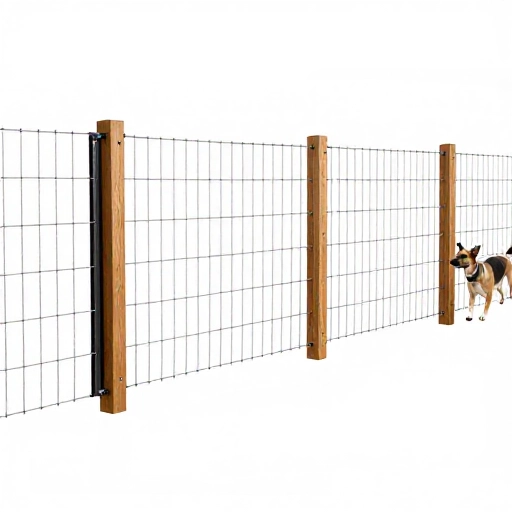
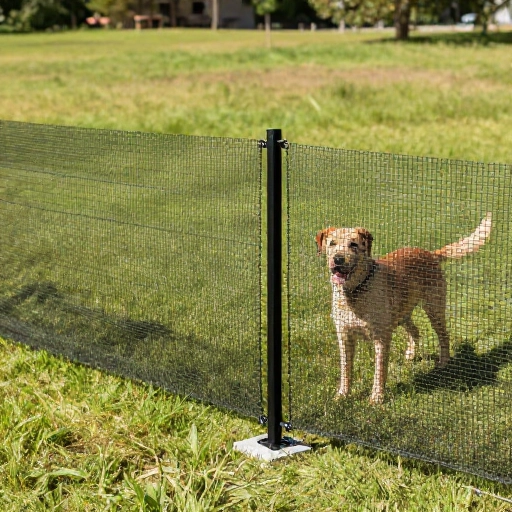
13. T-Post and Mesh Combo (Fastest Setup)
This is the go-to for people who need a fence up in an afternoon. Drive T-posts into the ground (you can rent a post driver), then attach welded wire mesh or field fencing. Use zip ties or clips to secure it.
No concrete, no digging deep holes—just posts and mesh. It’s not the prettiest, but it’s incredibly functional. Add a top rail of PVC or wood to make it look more finished.
This is one of the most affordable DIY dog fence ideas for large areas.
14. Log or Branch Fence (For the Rustic Lover)
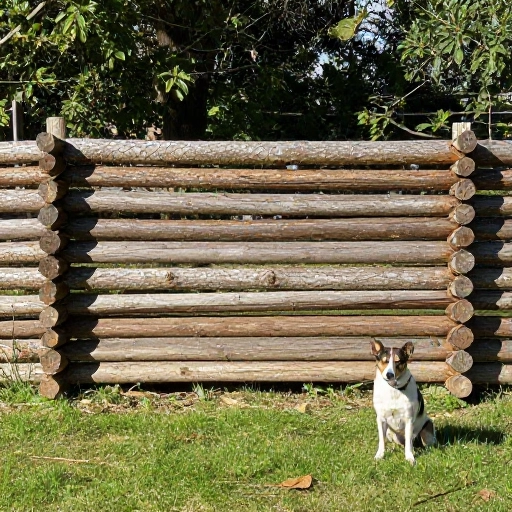
If you have access to fallen branches or logs, you can build a fence that looks like it belongs in a forest. Stack logs horizontally between vertical posts, or weave branches like a wattle fence.
This fence is completely free if you have the materials. It’s also biodegradable and eco-friendly. The look is very natural and blends into wooded yards perfectly.
It works best for dogs that aren’t aggressive chewers—some pups might try to gnaw on the wood.
15. Cable and Pulley Run (Exercise Without a Full Fence)
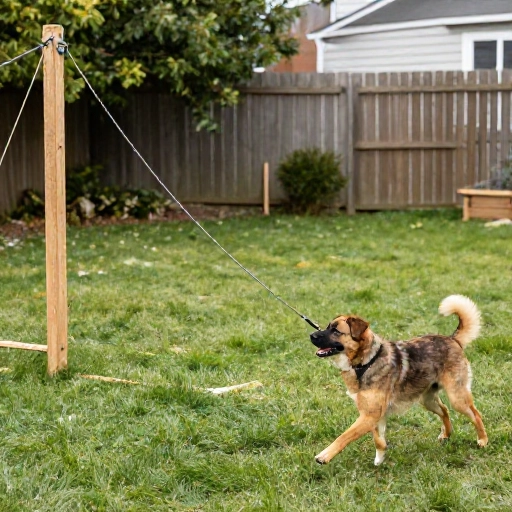
If you can’t fence your whole yard, a cable run is a great alternative. Install a long cable between two sturdy trees or posts, and attach your dog’s leash to a pulley. This gives them a long path to run without needing a perimeter fence.
Make sure the cable is high enough so your dog won’t trip, and use a harness instead of a collar for safety. This setup costs under $50 and takes less than an hour to install.
It’s not a fence in the traditional sense, but it keeps your dog safe and active.
Conclusion
You don’t need a contractor or a huge budget to give your dog a safe outdoor space. These 15 affordable DIY dog fence ideas prove that a little creativity and some basic materials can go a long way. Whether you want a rustic pallet fence or a modern hog wire setup, there’s something here for every yard and every pup.
Start with what you have, keep it simple, and your dog will thank you (with lots of happy zoomies).
Frequently Asked Questions
1. What is the cheapest material for a DIY dog fence?
Chicken wire and repurposed pallets are usually the cheapest options. If you can get pallets for free, that’s even better. Snow fence is also very affordable for temporary setups.
2. How high should a DIY dog fence be?
Most dogs need a fence at least 4 feet high. For jumpers like huskies or labs, go 5 or 6 feet. Measure your dog’s jumping ability and add a foot to be safe.
3. Can I build a dog fence without digging holes?
Yes. T-posts, PVC pipe frames, and cable runs don’t require digging. You can also use concrete blocks to hold wooden posts above ground.
4. How do I stop my dog from digging under the fence?
Burry the bottom edge a few inches deep, or lay chicken wire flat on the ground along the fence line. You can also place large rocks or paving stones at the base.
5. Is it safe to use pallets for a dog fence?
Yes, as long as they are heat-treated (stamped with “HT”) and not treated with chemicals. Remove all nails and splinters before assembling.