15 Things Your Senior Dog Will Thank You For
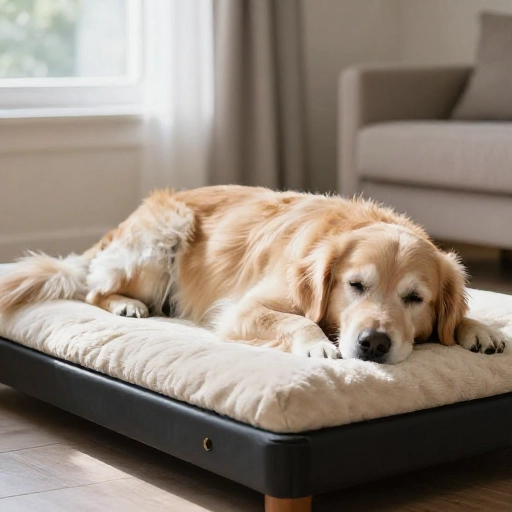
There’s something extra special about living with a senior dog. Those gray muzzles, the slower wags, the way they know exactly where to find the sunbeam in the living room. They’ve spent years being your shadow, your comfort, and your happiest greeter. Now it’s our turn to make their golden years truly golden.
Small changes in our daily routine can make a huge difference in how comfortable and loved our old dogs feel. Some of these ideas are practical, some are sentimental, but all of them come straight from the heart. Here are fifteen things your senior dog will thank you for—no words needed, just that soft tail wag against your leg.
1. A Soft, Supportive Bed
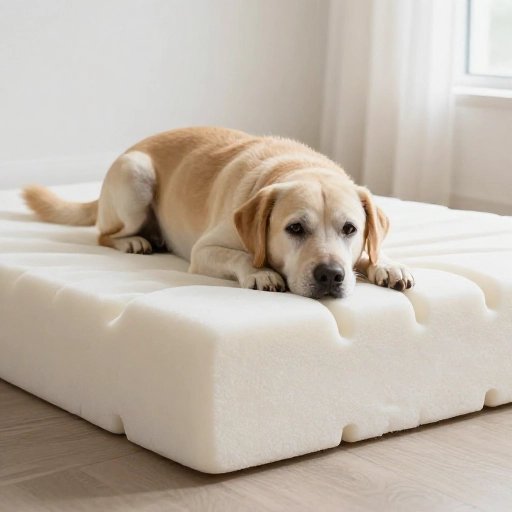
That old crate pad isn’t cutting it anymore. Senior dogs develop joint stiffness and pressure points just like we do. A thick orthopedic bed with memory foam can literally change how your dog starts their day.
Look for a bed with low sides so they can step in easily. Place it away from drafts and in a quiet corner. Your dog will stop circling and just sink into sleep. That’s a thank you right there.
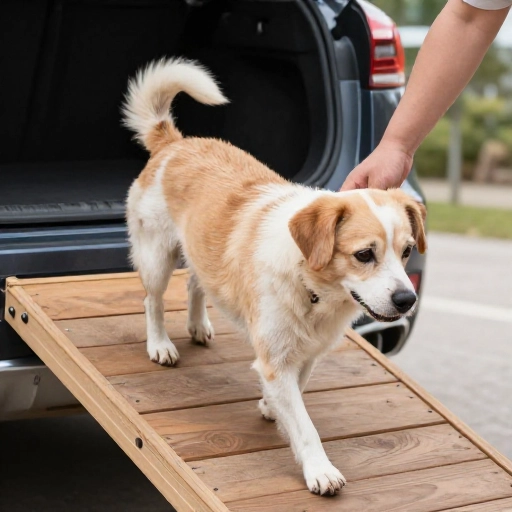
2. Ramp Access to the Couch or Car
Jumping down is one of the worst things for aging joints. A simple ramp or a set of pet stairs can prevent painful landings. Your dog might look at you funny at first, but after one or two gentle tries, they’ll get it.
Place the ramp by the car door or the foot of the bed. It’s a small change that spares them a lifetime of sore hips. They’ll thank you by hopping up for cuddles without hesitation.
3. Shorter, More Frequent Walks
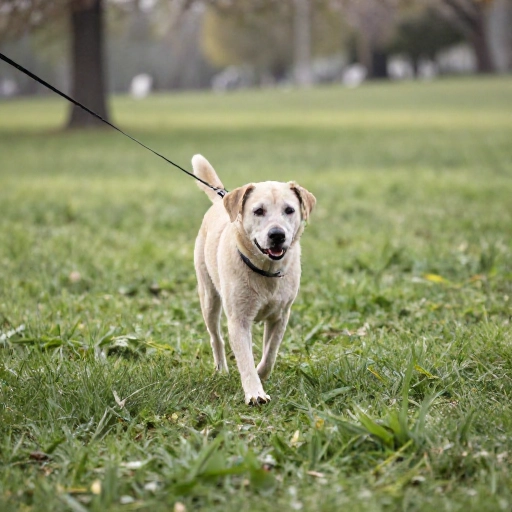
Your old friend doesn’t need that two-mile loop anymore. In fact, it probably leaves them sore for days. Instead, try three short walks a day—maybe ten minutes each. Let them sniff as much as they want.
Sniffing is mentally stimulating and doesn’t strain their body. You’ll notice they come home happier, less tired, and more relaxed. Quality over distance from now on.
4. A Warm Coat in Cold Weather
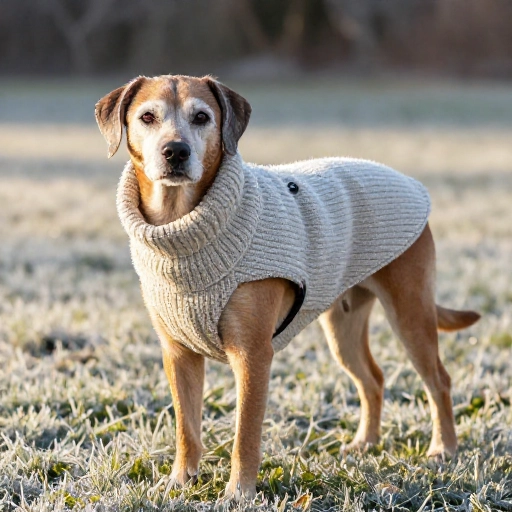
Senior dogs lose muscle mass and have a harder time regulating body temperature. A simple fleece or padded coat makes winter walks comfortable again. Don’t worry about fashion—focus on fit and warmth.
Make sure the coat covers the belly and chest. If your dog shivers even indoors, consider a heated pet bed or a warm blanket fresh from the dryer. They’ll curl into a little donut and sigh with relief.
5. Gentle Grooming Sessions
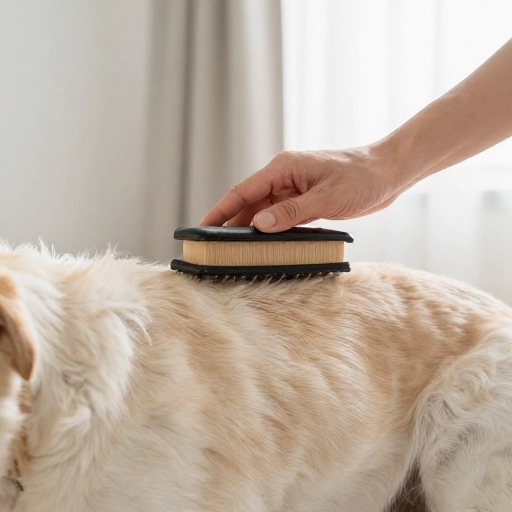
Baths and brushing can feel like chores, but for an old dog, they’re acts of love. Their skin is drier, their coat might be thinning, and they can’t reach every spot to clean themselves. A soft brush and a warm, calm grooming session feels amazing to them.
Check for lumps, bumps, or sore spots while you brush. Use a damp cloth to gently wipe their eyes and paws. Keep it short and sweet. End with a treat and a belly rub.
6. Raised Food and Water Bowls
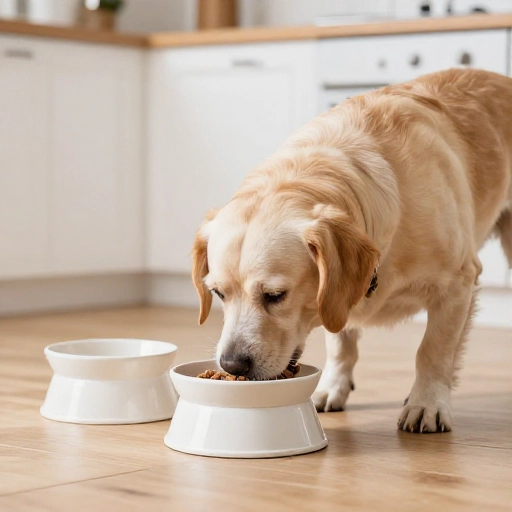
Bending down to eat puts strain on an older dog’s neck and back. Elevated bowls make swallowing easier and reduce the risk of bloating. You can buy a stand or just stack a couple of sturdy books under their current bowls.
The height should be about chest level for your dog. You’ll notice they eat more calmly and don’t leave food scattered everywhere. A simple change that makes mealtime comfortable again.
7. Regular Vet Checkups (Even When They Seem Fine)
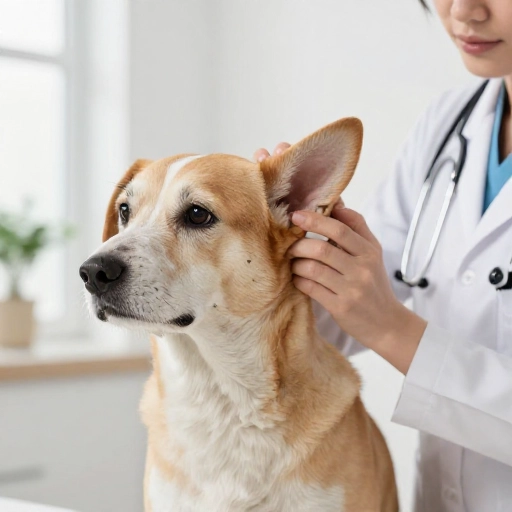
Senior dogs are masters at hiding discomfort. A twice-yearly vet visit can catch things early—dental disease, arthritis, kidney issues. Blood work tells a story your dog can’t put into words.
Ask your vet about joint supplements, pain management, and dental cleaning. Your dog might not enjoy the car ride, but they’ll benefit from the care. Preventive love is the best kind.
8. Nail Trims That Don’t Hurt
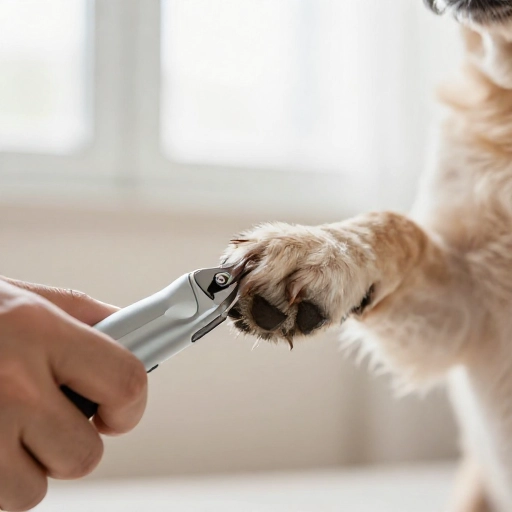
Long nails are painful for any dog, but for seniors, they can alter their entire posture. Overgrown nails make walking on hard floors slippery and uncomfortable. Keep them short and smooth.
If your dog is nervous about nail trims, try a scratch board or go to a groomer who specializes in gentle handling. Even a tiny trim once a week helps. Your dog will walk with more confidence.
9. Non-Slip Flooring or Runners
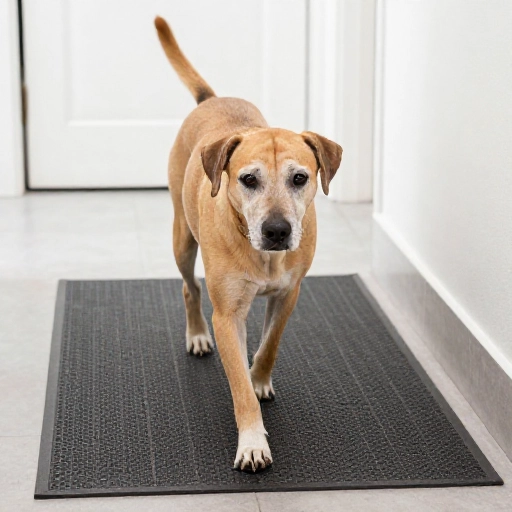
Hardwood floors are beautiful, but they’re a hazard for old dogs. Their paws slide, their hips give out, and they start to hesitate before moving. A few strategically placed rugs or non-slip runners can change everything.
Focus on the paths they use most—from their bed to the door, from the couch to the water bowl. You’ll see them walk more freely and with less fear. That’s a huge thank you.
10. Mental Enrichment That’s Gentle on the Body
Senior dogs still need mental stimulation, but they can’t chase balls for hours. Try snuffle mats, frozen Kongs, or simple nose work games. Hide treats under a towel or scatter kibble in the grass.
These activities tire them out mentally without hurting their joints. A tired senior dog is a happy senior dog. Plus, watching them figure out a puzzle is pure joy.
11. Patience With Accidents
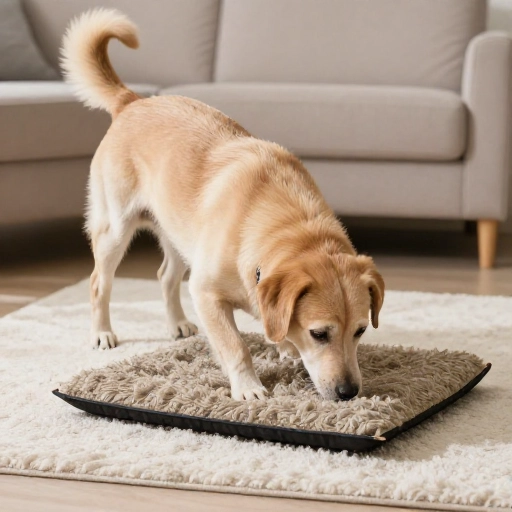
Bladder control can slip with age. It’s not defiance, it’s just biology. Yelling or punishing only creates anxiety. Instead, increase potty breaks and consider washable pee pads near the door.
Use enzymatic cleaner to remove odors so they don’t repeat in the same spot. Stay calm, clean up, and move on. Your dog feels shame already—your patience is their peace.
12. A Quiet, Predictable Routine
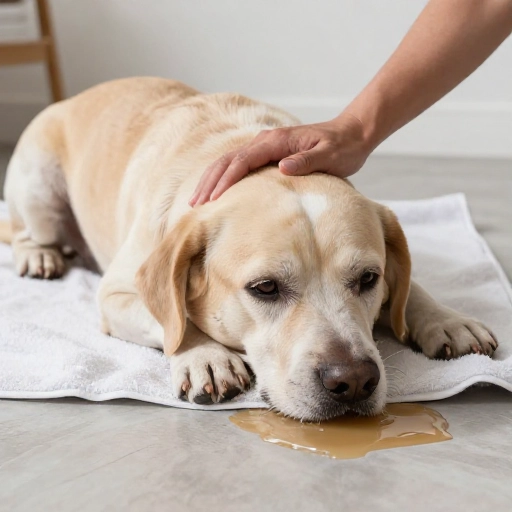
Senior dogs thrive on routine. They feel safe when they know what’s coming next. Try to keep meal times, walks, and bedtime consistent. Changes can cause confusion or anxiety.
If you need to shift the schedule, do it gradually. Announce your actions with a calm voice. Your dog will relax knowing you’re in charge and everything is okay.
13. Extra Time for Sniffing and Exploring
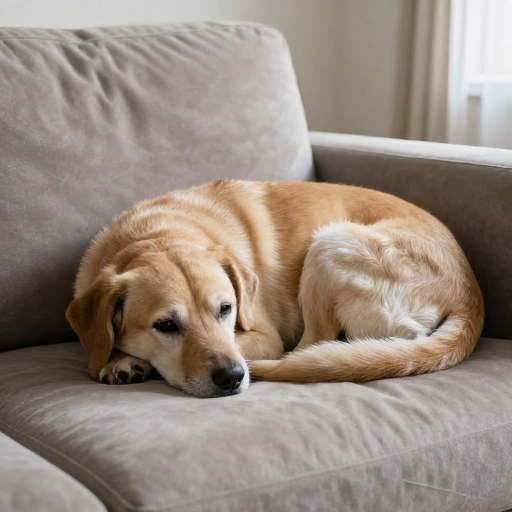
Old dogs don’t need speed. They need sensory experiences. Let them stop and sniff every bush, fire hydrant, and mailbox on your walk. That’s their way of reading the news.
Don’t rush them. Stand still, hold the leash loose, and let them take their time. They’re collecting information and feeling connected to their world. It’s a small gift that means everything to them.
14. Comforting Them Through Confusion
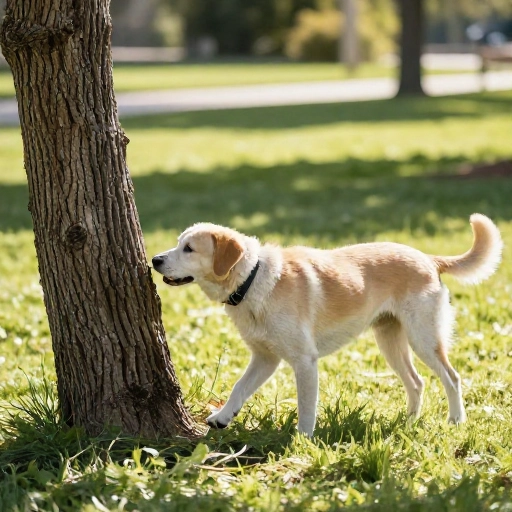
Some senior dogs develop cognitive decline, similar to dementia in humans. They might get lost in corners, stare at walls, or forget their name. It’s heartbreaking, but your calm presence is their anchor.
Speak softly, use hand signals, and keep their environment simple. Night lights can help with disorientation. Never scold them for being confused. Just guide them back with love.
15. Being Present in Their Final Chapter
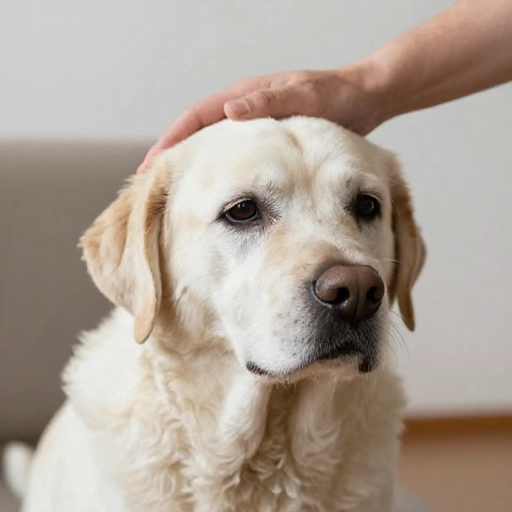
This is the hardest one. Your senior dog will thank you for not rushing their goodbye. For sitting with them on the floor when they can’t get up. For holding their paw at the vet. For whispering “good dog” one last time.
Being present means showing up even when it hurts. It means choosing quality of life over your own fear of loss. Your dog doesn’t understand time, but they understand love. And you gave them that, fully.
Conclusion
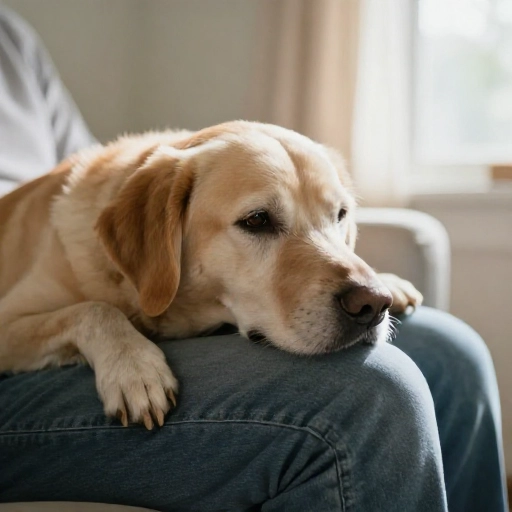
Caring for a senior dog is a privilege not everyone gets to experience. It’s slower, softer, and deeper than any other stage of their life. These fifteen things aren’t about perfection—they’re about paying attention.
Your dog has given you years of loyalty, joy, and unconditional love. Now it’s your turn to give them comfort, dignity, and a gentle hand. Every small change you make is a thank you note written in action. And trust me, they read every single one.
[[IMG:IMG17]]
Frequently Asked Questions
At what age is a dog considered senior?
Small breeds are often considered senior around 10–12 years, while larger breeds may be senior as early as 7–8 years. Your vet can help you determine when to start senior care.
How can I tell if my senior dog is in pain?
Signs include limping, stiffness after rest, reluctance to jump, changes in appetite, excessive panting, or irritability. If you notice any of these, consult your vet.
Should I change my senior dog’s diet?
Often yes. Senior diets are lower in calories and higher in joint-supporting nutrients like glucosamine and omega-3s. Always transition food gradually and ask your vet for recommendations.
Is it normal for senior dogs to sleep more?
Yes, it’s very normal. Senior dogs often sleep 16–20 hours a day. As long as they wake up alert and responsive, extra sleep is just part of aging gracefully.
How do I make my home safer for an older dog?
Add rugs on slippery floors, use baby gates to block stairs if needed, keep pathways clear, and provide soft bedding in multiple rooms. Night lights can also help with vision loss.
[[IMG:IMG18]]