13 Modern DIY Cat Furniture Plans That Will Actually Impress Your Guests
Let’s be real—most cat furniture is an eyesore. That giant carpet-covered tower in the corner? It clashes with everything. But here’s the good news: you don’t have to choose between a happy cat and a stylish home. With a little wood, some rope, and a weekend of effort, you can build modern pieces that look like they belong in a design magazine.
I’ve rounded up 13 of my favorite DIY cat furniture plans that are as beautiful as they are functional. Whether you’re a beginner with just a drill or a seasoned woodworker, there’s something here for you. Grab your coffee, bookmark this page, and let’s get building!
1. The Floating Shelf Catwalk
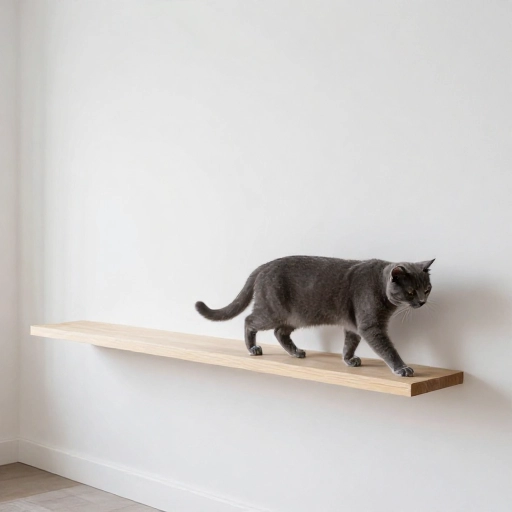
Wall-mounted shelves are the ultimate space-saver, and they look incredibly sleek. Instead of a bulky tree, you create a pathway along your wall using simple wooden shelves. Your cat can leap from shelf to shelf, and when you’re not home, they just look like minimalist decor.
You’ll need solid wood planks, heavy-duty brackets, and some carpet or stick-on grip pads for traction. Space them out in a zig-zag pattern to encourage jumping. Make sure to drill into studs—safety first!
The best part? You can paint the shelves to match your trim or leave them natural for a warm, Scandinavian vibe. It’s a project you can finish in an afternoon.
2. The Minimalist Cube Tower
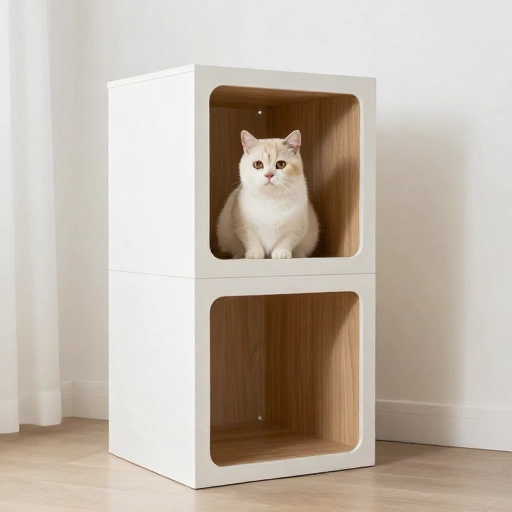
Forget the fuzzy, overstuffed towers. This design uses clean geometric lines and open cubes. It’s basically a modern bookshelf, but for your cat. You can use birch plywood and assemble it with simple butt joints or pocket holes.
Each cube can serve a different purpose: one for sleeping, one for hiding, and one with a scratching pad at the bottom. The open design means no trapped fur and easy cleaning—just wipe it down with a damp cloth.
To keep it stable, anchor it to the wall with a simple L-bracket at the top. You’ll love how it doubles as a side table or room divider.
3. The Upside-Down Wall Planter Hideout
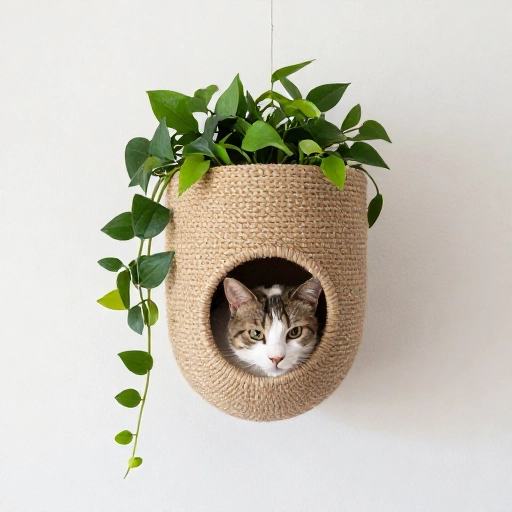
This one is a total crowd-pleaser. You take a large, modern planter pot (the kind with a wide rim), flip it upside down, and mount it to the wall. Inside, you create a cozy nest with a soft cushion.
Cut a circular hole in the bottom (which is now the top) for entry, or leave the side open like a half-dome. Add a wooden base plate to the top so it sits flat against the wall. It looks like a piece of art.
It’s surprisingly sturdy if you use good wall anchors. Plus, the smooth ceramic surface is easy to wipe down and doesn’t trap odors like fabric does.
4. The Mid-Century Cat Lounge
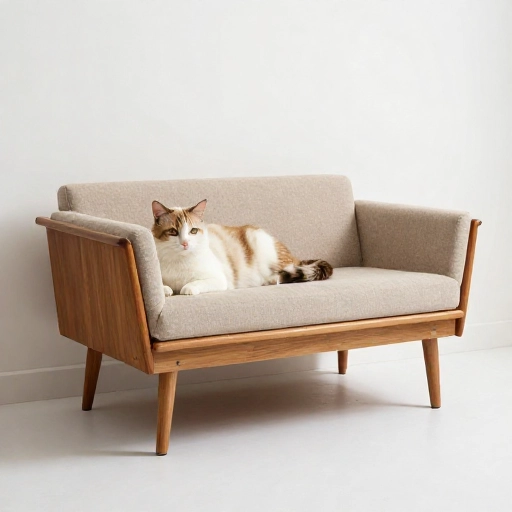
Think of a sleek, curved wooden console table with a hollowed-out center. This is a statement piece. It gives your cat a private cave to nap in while giving you a surface for your coffee mug or a stack of books.
You can build this with bent plywood, or for a simpler approach, use a pre-made wooden crate and add curved legs. Paint it in a retro teal or leave it in walnut stain for that authentic mid-century look.
Add a plush cushion inside and maybe a small sisal mat attached to one side for scratching. This piece will be the talk of your living room.
5. The Branch-to-Branch Climber
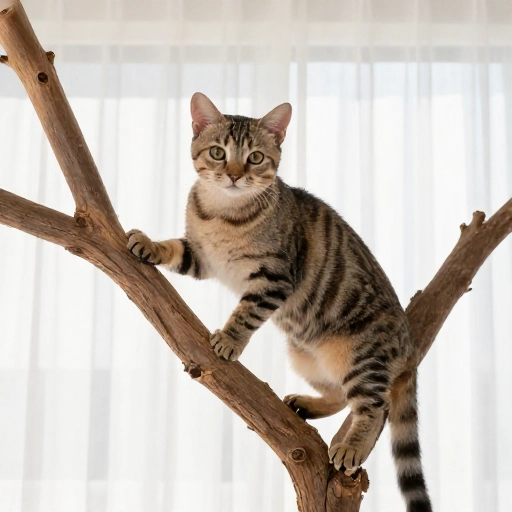
Bring the outdoors in with this rustic yet refined idea. Use a sturdy, sanded natural branch (like manzanita or oak) and secure it between a wood base and the ceiling. It’s a natural climbing gym.
You’ll need a ceiling mount plate and a heavy base. Make sure the branch is completely dry and free of sap. You can wrap parts of it in sisal rope to double as a scratching post.
It’s a bit more work to install, but the payoff is huge. It looks like a piece of driftwood art, and your cat will love the vertical challenge.
6. The Saddle-Style Window Perch
Who doesn’t love a cat watching birds from a sunny window? This DIY perch is a simple wooden saddle that straddles the windowsill. No drilling into the wall required.
Cut a piece of hardwood to fit your sill, then add two side supports that hang down over the edge. Add a non-slip mat on top. For extra flair, add a small, rounded front lip so your cat can rest their chin.
It’s a beginner-friendly project that takes under an hour. It’s also portable, so you can move it from room to room as the sun shifts.
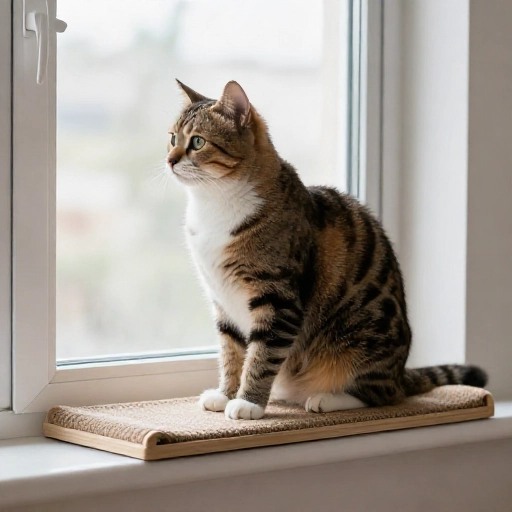
7. The Geometric Cat Cave
This is where modern design meets cat instincts. Build a diamond or hexagon-shaped wooden frame and cover it with felt or wool balls. It’s a stylish take on the classic igloo bed.
Use thin plywood or MDF to create the geometric frame, then wrap it with upholstery foam and your choice of fabric. The opening should be just big enough for your cat to feel safe and hidden.
It’s a bit more crafty than pure woodworking, but the result is a soft, sculptural object that looks amazing in any room. Plus, it’s warm and cozy for winter naps.
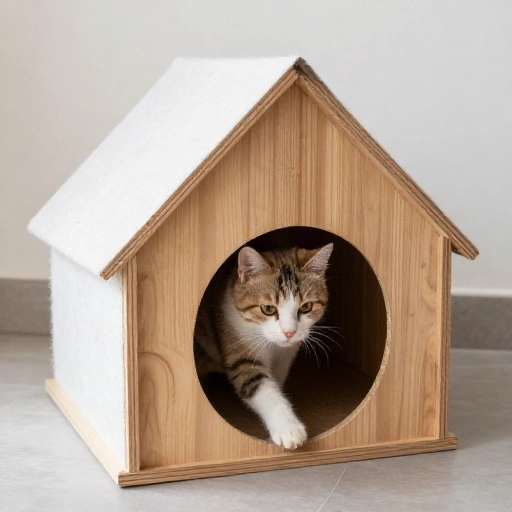
8. The Ladder Bookshelf Combo
Lean a wooden ladder against the wall and attach small platforms at each rung. This is a space-efficient climbing structure that leans against the wall, taking up very little floor space.
You can buy a pre-made ladder or build one from scratch with two side rails and dowels. Attach small wooden planks to each step to create mini shelves.
It’s perfect for small apartments. You can even weave a little basket onto one of the steps to hold cat toys. Paint it black for a dramatic look or keep it natural.
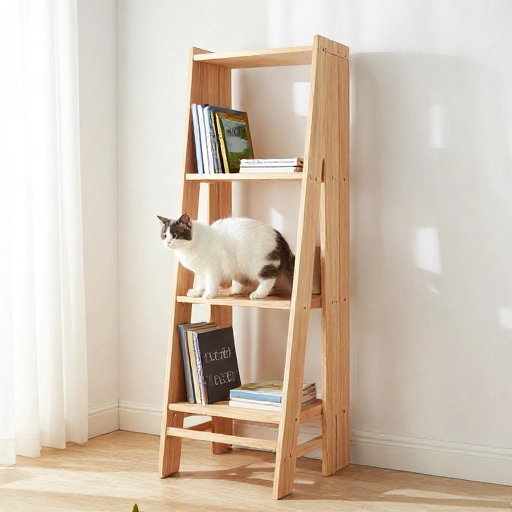
9. The Concrete Block Modernist
If you love industrial style, this is for you. Use a few large, hollow concrete blocks and stack them in a stable pattern. The holes become cubbies for your cat to sleep in.
Sand the edges to make them smooth and safe. You can paint them with a masonry sealer to prevent dust. Add wooden caps on top to create a flat surface for sitting.
It’s incredibly sturdy and won’t tip over. It’s also very cheap to make. You can arrange the blocks in different configurations whenever you want a new look.
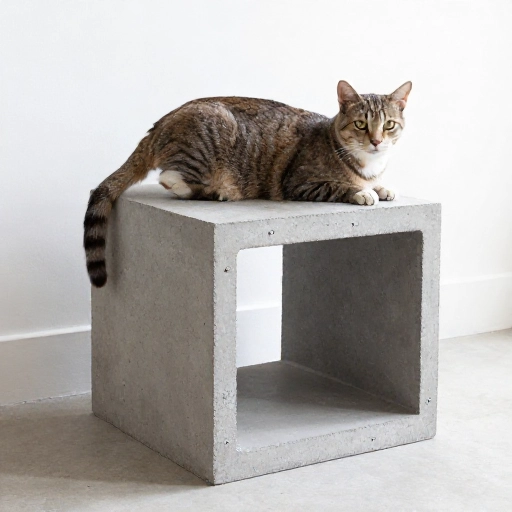
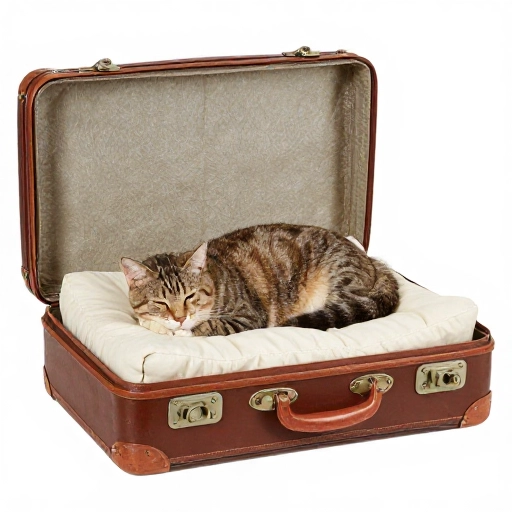
10. The Repurposed Suitcase Bed
Vintage suitcases are charming, but they’re not great for travel anymore. Give one a second life as a cat bed. It’s a nostalgic and unique piece that adds character.
Find a hard-shell suitcase at a thrift store. Open the lid and cut a hole in the top or the side for entry. Line the inside with a soft, washable cushion.
Add four small wooden legs to the bottom to elevate it off the floor. The best part is the hardware—the clasps and corners give it an automatic vintage look.
11. The Tiered Planter Shelf
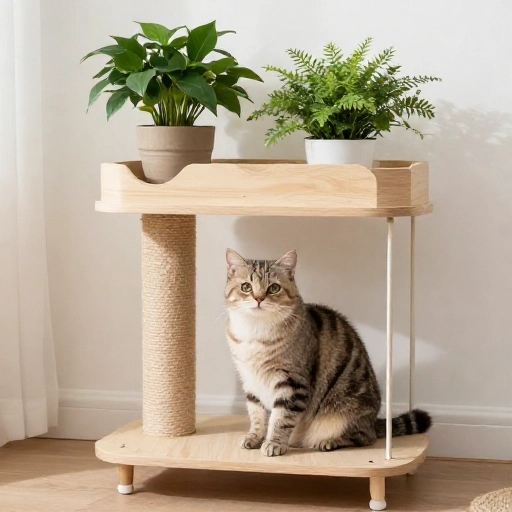
Imagine a set of wooden floating shelves, but each one is slightly deeper than the last, creating a stair-step effect. It’s a simple build that looks super high-end.
You can buy three different sized wooden boards and mount them in a staggered pattern on the wall. Add a little cat grass or spider plant (non-toxic!) to one of the shelves.
Cats love to sit among the greenery. It’s like a little jungle gym for them and a living art piece for you.
12. The Curved Plywood Rocker
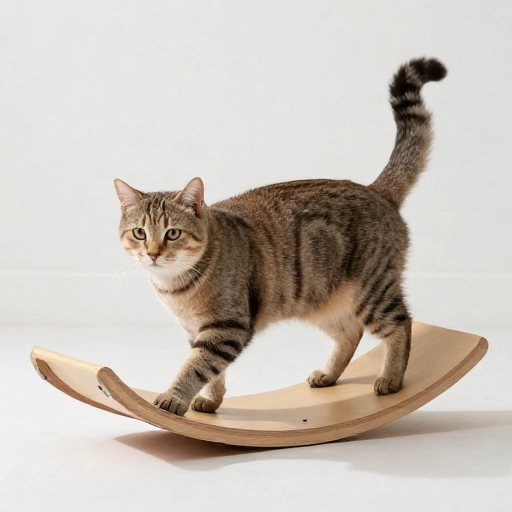
This is a more advanced project, but the result is stunning. It’s a rocking lounger made from a single sheet of bent plywood. It gives your cat a gentle rocking motion when they climb in.
You’ll need to create a form to bend the wood, or you can use a steamer if you’re handy. Alternatively, you can create the curve by laminating thin layers of wood together.
The finish is sleek and modern. It’s a true statement piece that shows off your woodworking skills. Your cat will love the soothing motion.
13. The Multi-Level Corner Unit
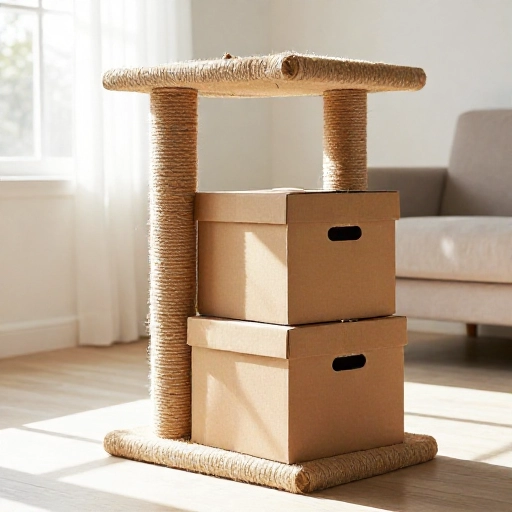
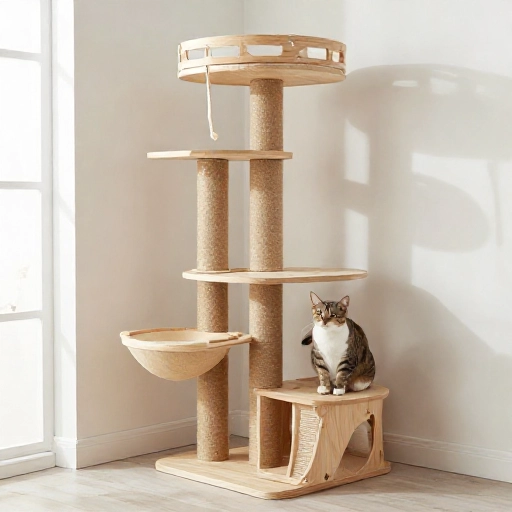
Corners are often wasted space. This DIY unit fits perfectly into a corner, using both walls for support. It’s a modern take on the traditional cat tree, but with clean boxes and platforms.
Build three or four wooden boxes of decreasing size and mount them in a corner, alternating heights. Use a thick wooden dowel wrapped in sisal to connect the levels.
It maximizes vertical space without looking bulky. You can even add a small LED strip light underneath one of the shelves for a cozy evening glow.
Conclusion
Building your own cat furniture is incredibly rewarding. Not only do you save money, but you also get exactly the style you want. Start with a simple project like the window perch or the suitcase bed, and work your way up to the more complex builds.
Your cat doesn’t care if it’s perfect—they just want to be close to you and have a place to call their own. So, pick a plan, gather your tools, and get ready to impress both your feline friend and your human guests.
FAQ
1. What is the easiest project for a beginner?
The Saddle-Style Window Perch is definitely the easiest. It requires a single piece of wood, a saw, and some sandpaper. You can finish it in under an hour without any fancy tools.
2. What type of wood is best for cat furniture?
Birch plywood is a great all-rounder—it’s strong, smooth, and looks good. For a more premium look, use solid oak or walnut, but keep in mind they are heavier and more expensive.
3. How do I make sure the furniture is stable and safe?
Always anchor tall pieces to the wall using brackets or L-brackets into studs. For floor pieces, ensure the base is wider than the top. Sand all edges to avoid splinters.
4. What can I use for scratching surfaces?
Sisal rope is the classic choice. Wrap it tightly around posts or attach sisal mats to the sides of the furniture. It’s durable and satisfies your cat’s urge to scratch.
5. How do I keep the furniture clean?
Use washable cushion covers that you can throw in the machine. For wooden surfaces, a quick wipe with a pet-safe cleaner works wonders. Vacuum the sisal rope weekly to remove loose fur.