14 Simple & Effective Dehydration Remedies for Your Dog
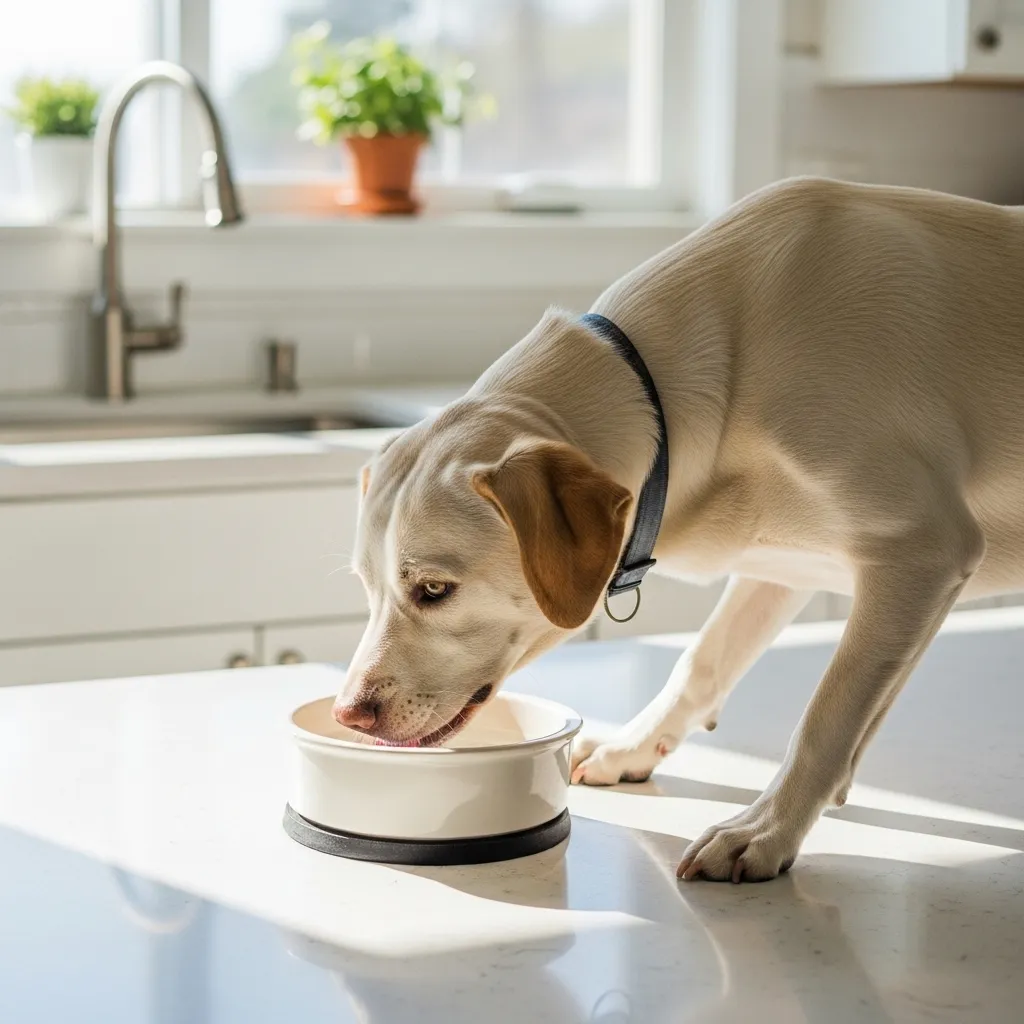
I know that panicked feeling when you notice your dog isn’t drinking enough. Maybe their gums feel sticky, or their energy is just a little off. Dehydration in dogs can sneak up quickly, especially on hot days or after a bout of play. It’s more than just thirst—it’s a sign their body is struggling to function properly.
As a pet owner, I’ve learned that waiting for it to become an emergency isn’t an option. The good news is, there are so many simple, at-home strategies we can use to get our pups happily hydrated again. This guide is my collection of the most practical, vet-approved remedies I’ve used and trusted.
Remember, severe dehydration needs immediate veterinary care. But for mild cases, these tips can make all the difference. Let’s get that tail wagging and that water bowl emptying!
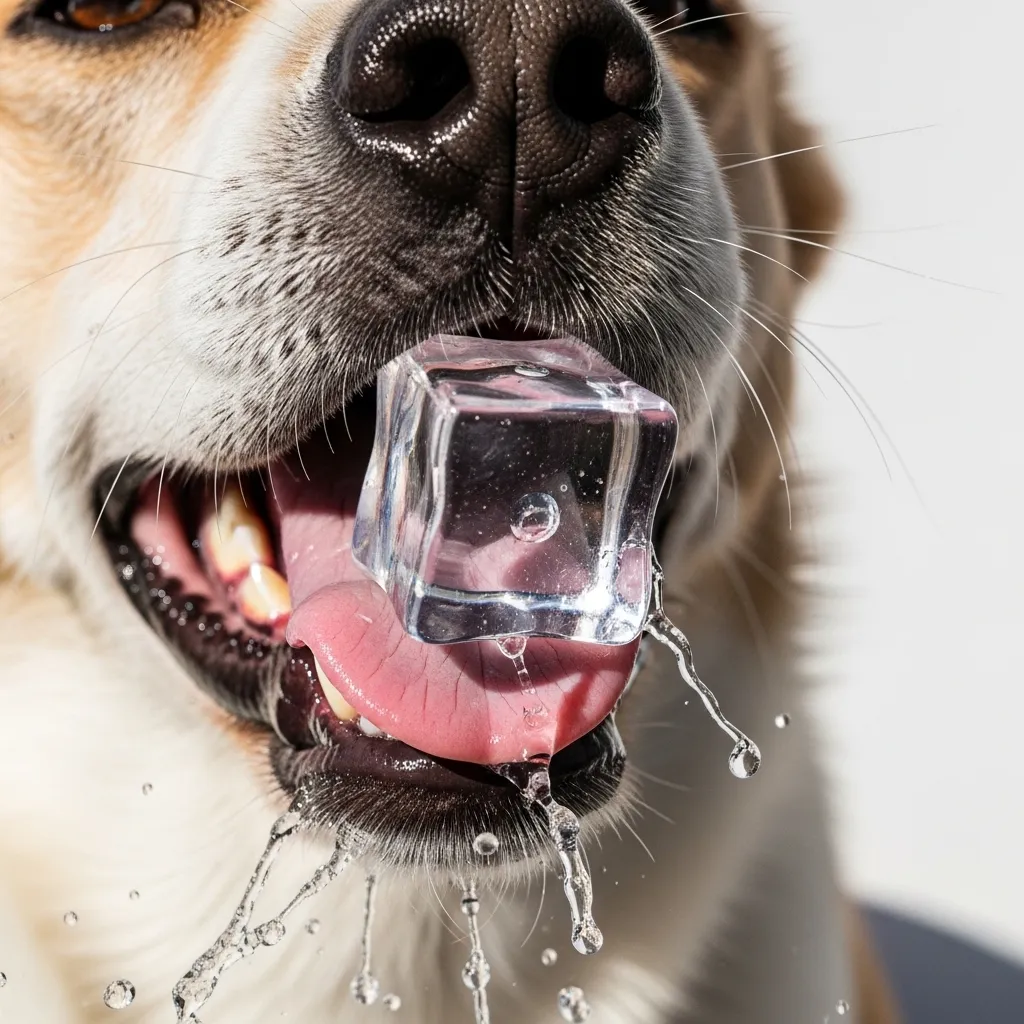
1. The Ice Cube Trick
Sometimes, the simplest solutions are the best. Many dogs are fascinated by ice cubes and will happily chase and crunch them. It’s a fun game that secretly delivers water.
I like to toss a few cubes on the floor for my dog to slide around, or drop them right into the water bowl to create a little “iceberg” effect. You can even use low-sodium broth cubes for an extra flavor incentive.
It’s a zero-effort way to increase fluid intake, especially for pups who are playful or curious. Just supervise to ensure they don’t try to swallow a whole cube without chewing.
2. Upgrade to a Water Fountain
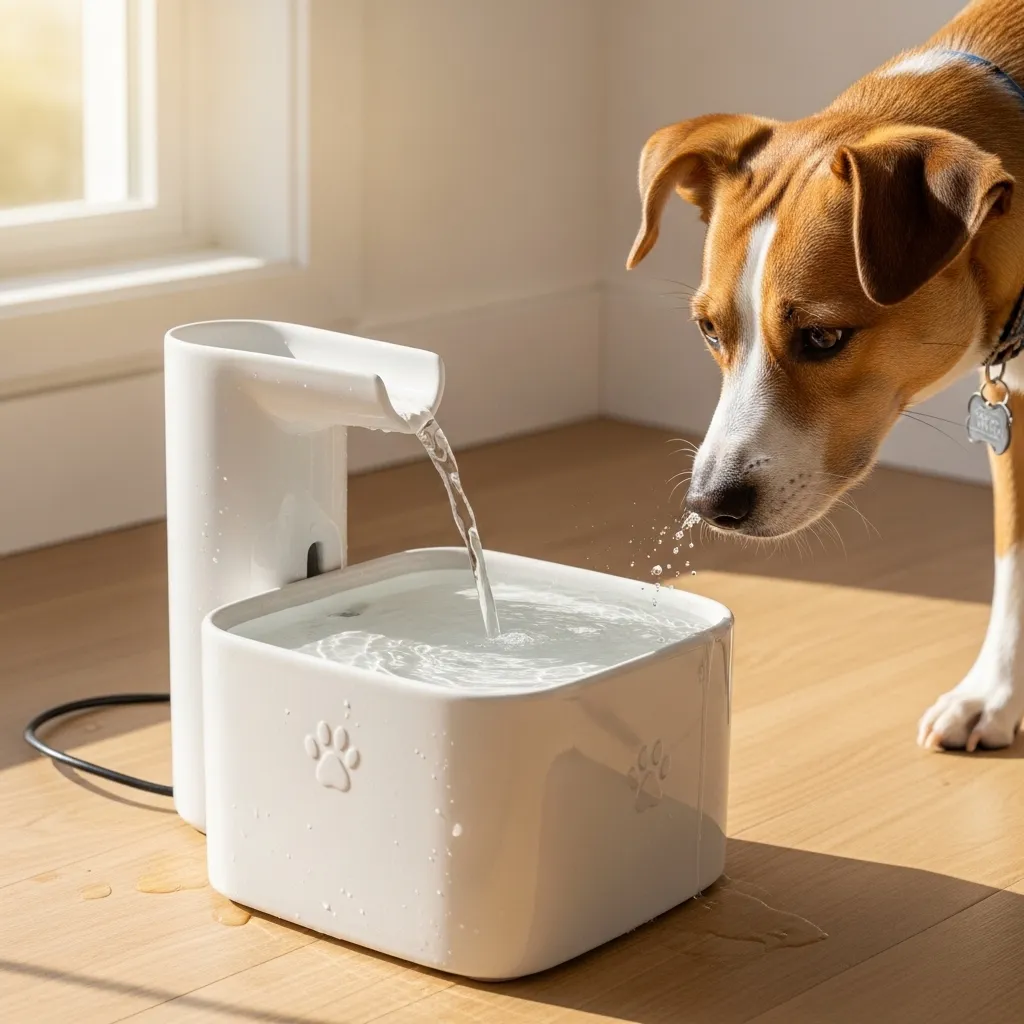
Dogs are often attracted to moving water—it seems fresher and more appealing to them. A pet water fountain provides a continuous, filtered flow that encourages drinking.
I switched to a fountain and noticed my dog visited it more often. The sound of the trickling water seems to be an invitation. Plus, the charcoal filter keeps it tasting clean.
It’s a great investment for any pet home. Choose one with a quiet pump and easy-to-clean parts to make hydration hassle-free.
3. The Power of Wet Food
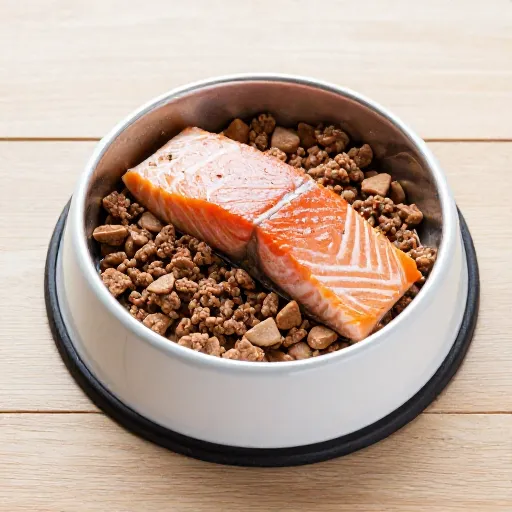
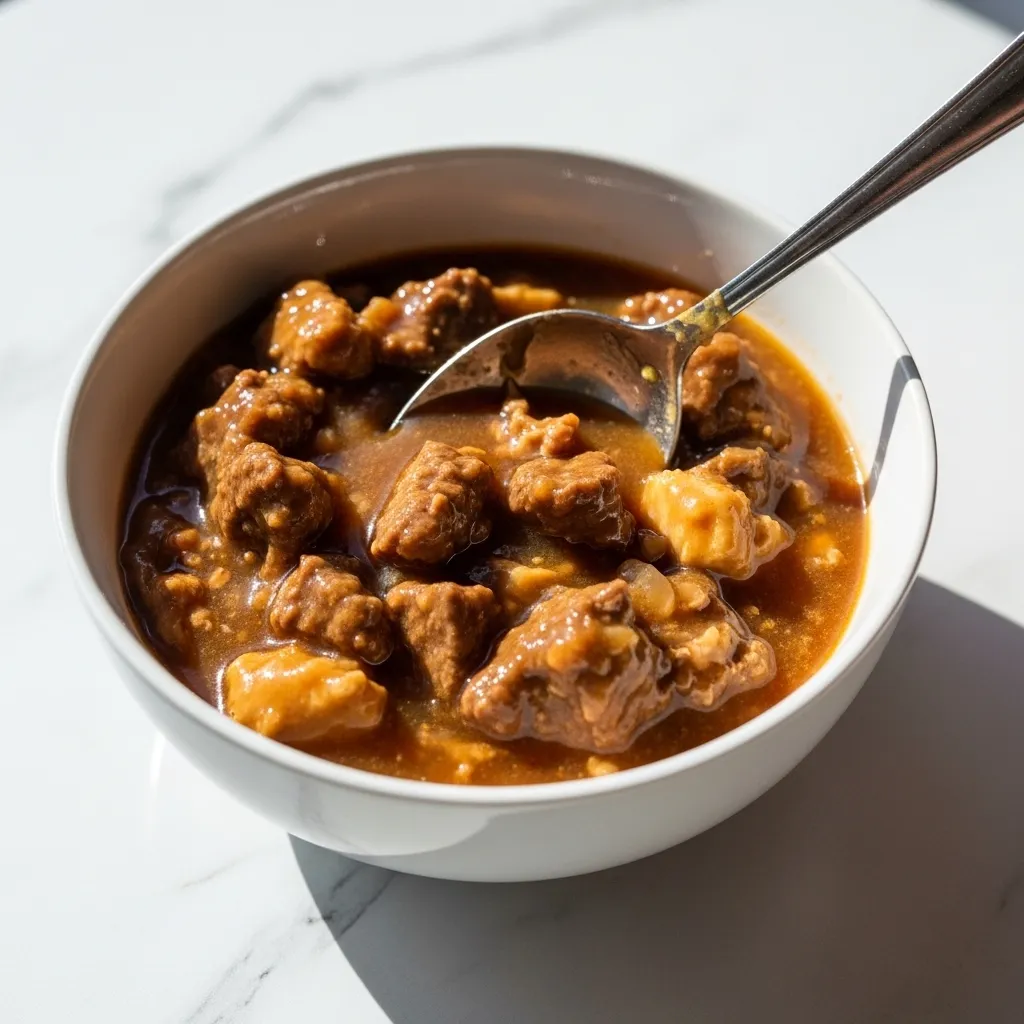
If your dog is stubborn about drinking, let them eat their water. Adding wet food to their diet is one of the easiest ways to boost moisture intake significantly.
You don’t have to switch entirely. I simply mix a spoonful or two of high-quality canned food into my dog’s kibble. You can also add a splash of warm water to create a delicious, hydrating gravy.
It turns mealtime into a hydration session. Look for wet foods with high moisture content and simple, healthy ingredients.
4. Create a “Pupsicle”
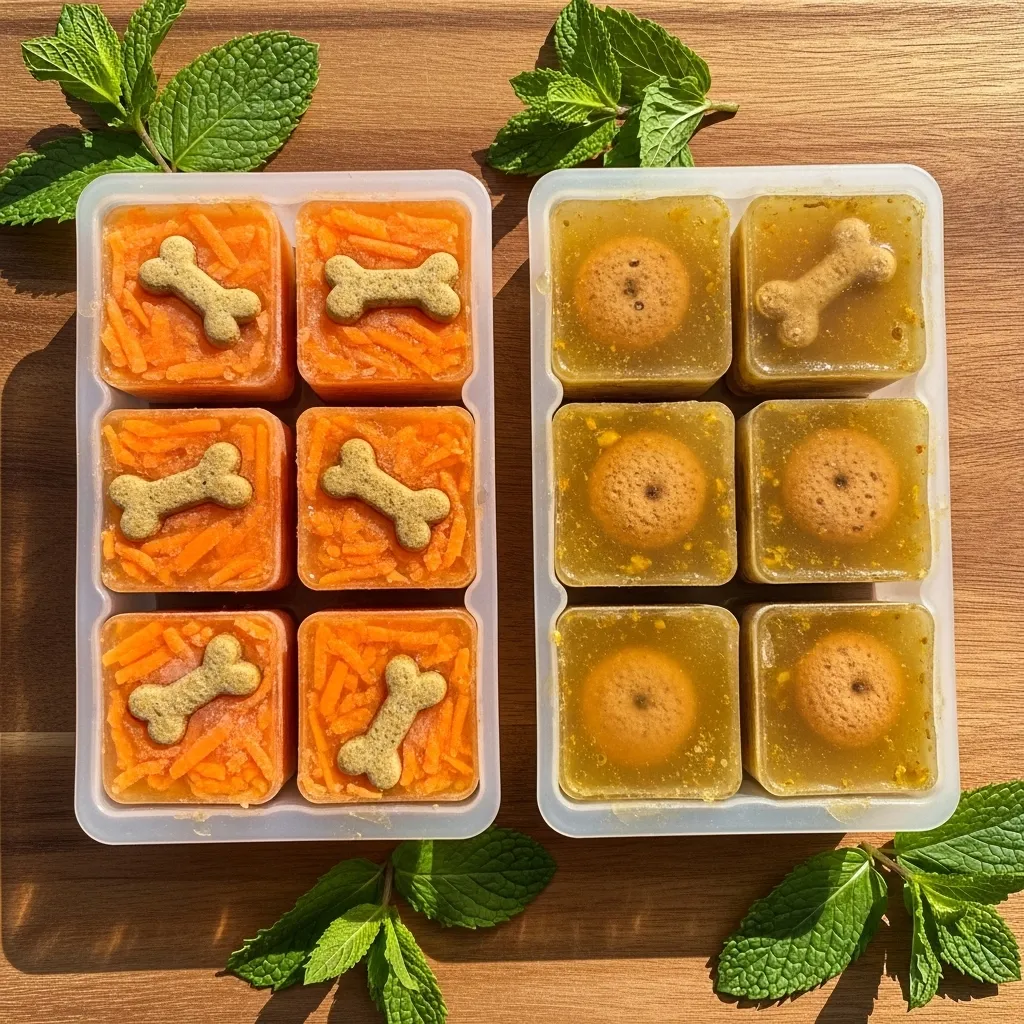
Homemade frozen treats are a summer lifesaver. Blend dog-safe ingredients like plain yogurt, pureed pumpkin (not pie filling), or blended watermelon (seedless) with water or low-sodium broth.
Pour the mixture into an ice cube tray or a Kong toy and freeze. I love watching my dog work to lick the cool, tasty treat—it provides mental stimulation and major hydration.
It’s a perfect activity for a hot afternoon. Always use dog-safe fruits and avoid xylitol, grapes, and excessive sugar.
5. Flavor the Water Bowl
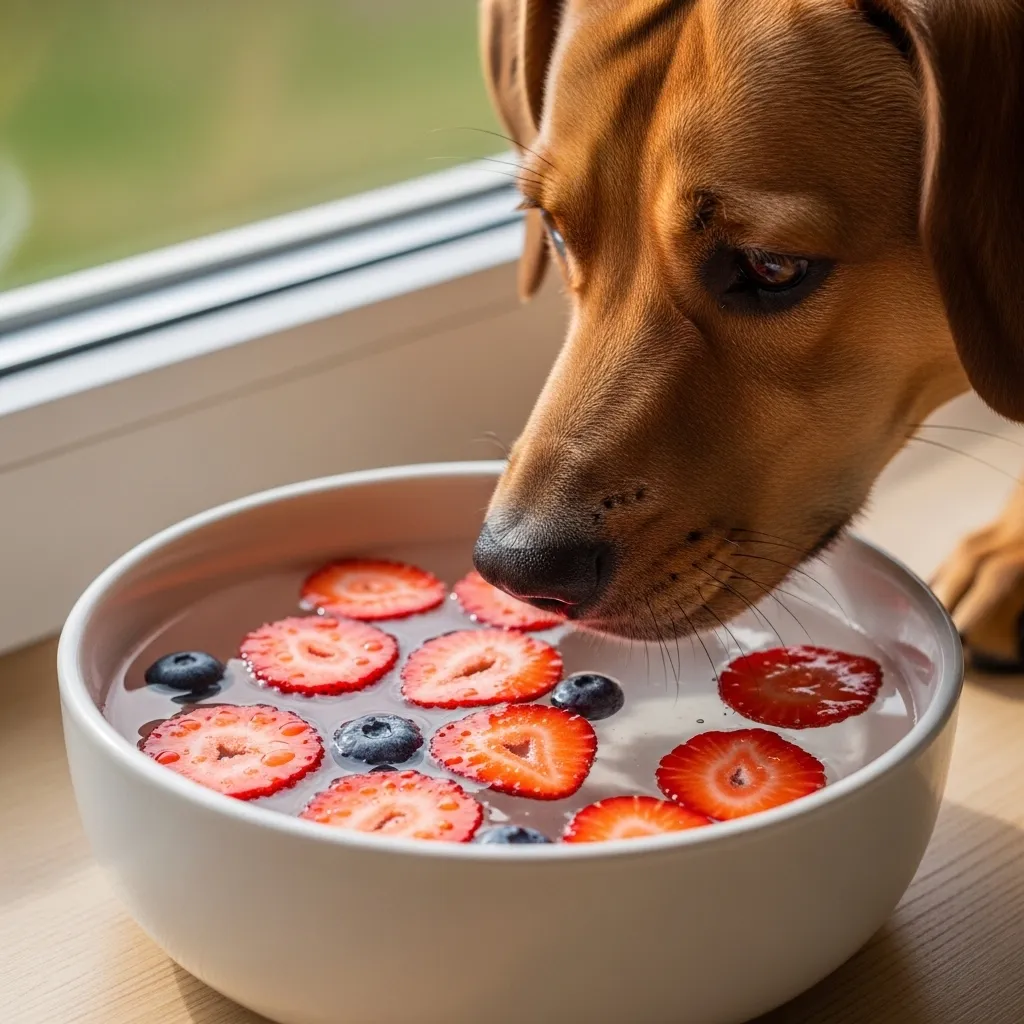
A plain water bowl can be boring. Adding a hint of flavor can make it irresistible. My go-to is a splash of low-sodium chicken or beef broth. Just ensure it’s onion and garlic-free.
You can also add the water from a can of tuna (in water, not oil) or a bit of water from boiling plain, unseasoned chicken. The goal is just a subtle scent to entice them.
Change this flavored water daily to keep it fresh. This trick has never failed me with picky drinkers.
6. Try a Different Bowl Material
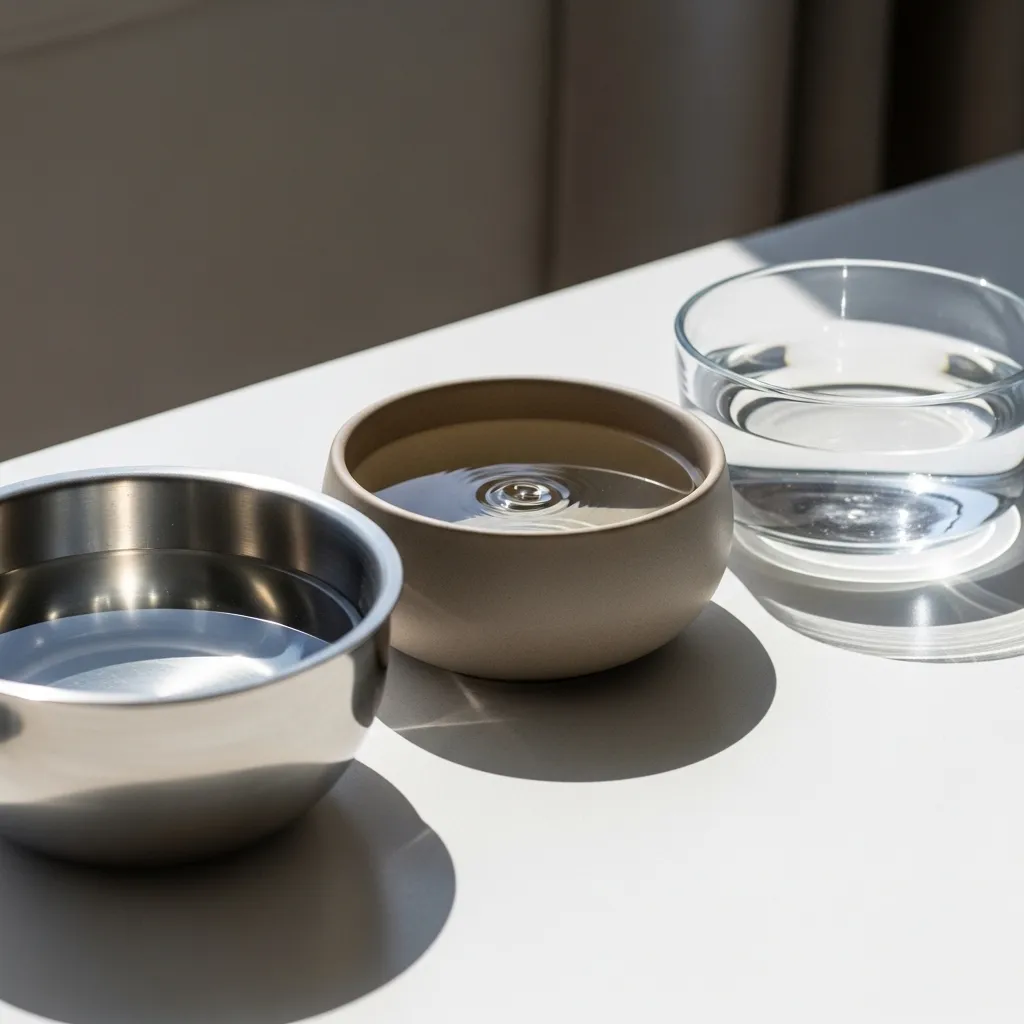
Your dog might have a preference you don’t know about. Some dogs dislike the taste or static of plastic bowls. Others might find stainless steel too noisy.
I experimented and found my dog drinks more from a wide, ceramic bowl. It stays cooler and feels more natural to him. Cleanliness is also key—wash the bowl daily with soap and water.
A fresh, clean bowl in a preferred material can remove a hidden barrier to drinking.
7. Offer Electrolyte Replenishers
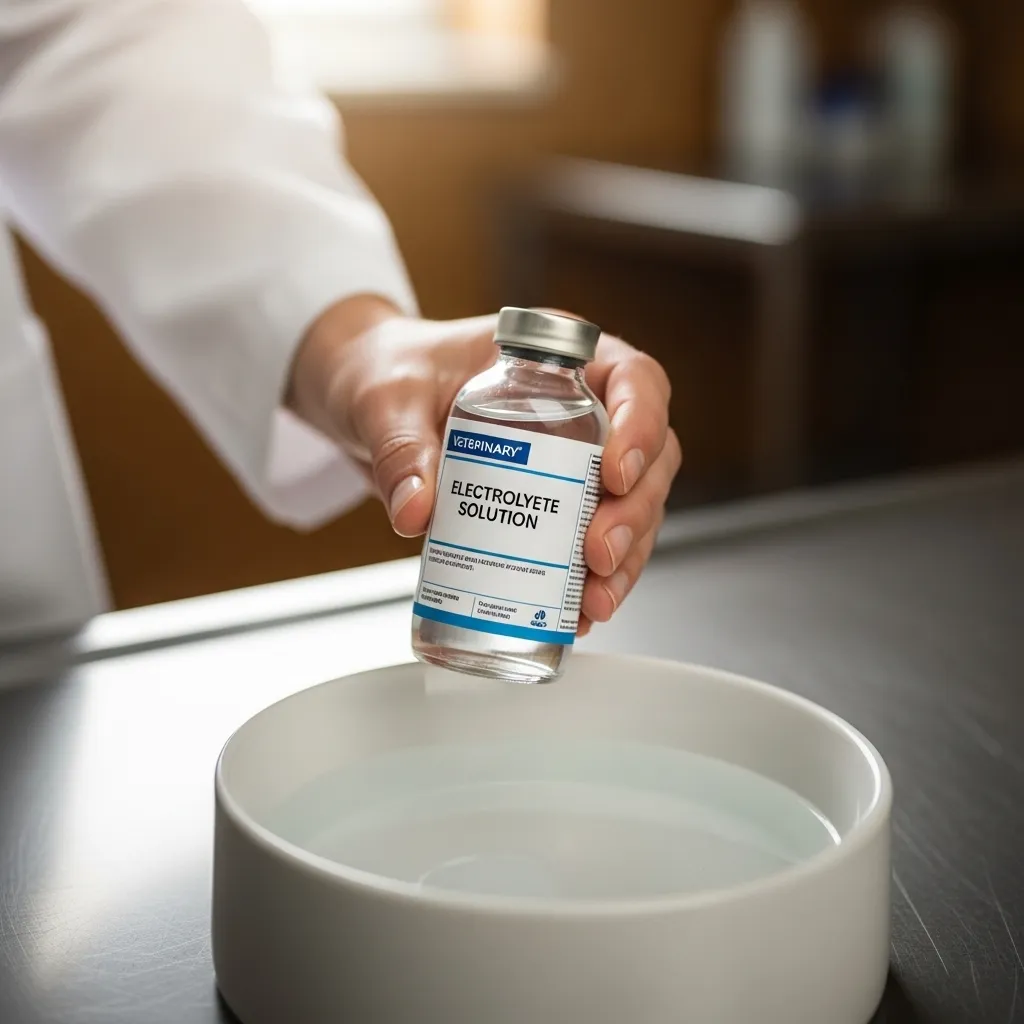
When a dog is dehydrated, they lose essential electrolytes. Special veterinary oral rehydration solutions are formulated for pets. You can also find recipes for homemade versions online (using water, salt, and sugar in precise ratios).
Important: Never give human sports drinks—they contain too much sugar and additives. Always consult your vet for the correct product and dosage.
I keep a vet-recommended electrolyte powder on hand for hot days or after mild stomach upset. It’s a powerful tool for recovery.
8. The Syringe Feeding Method
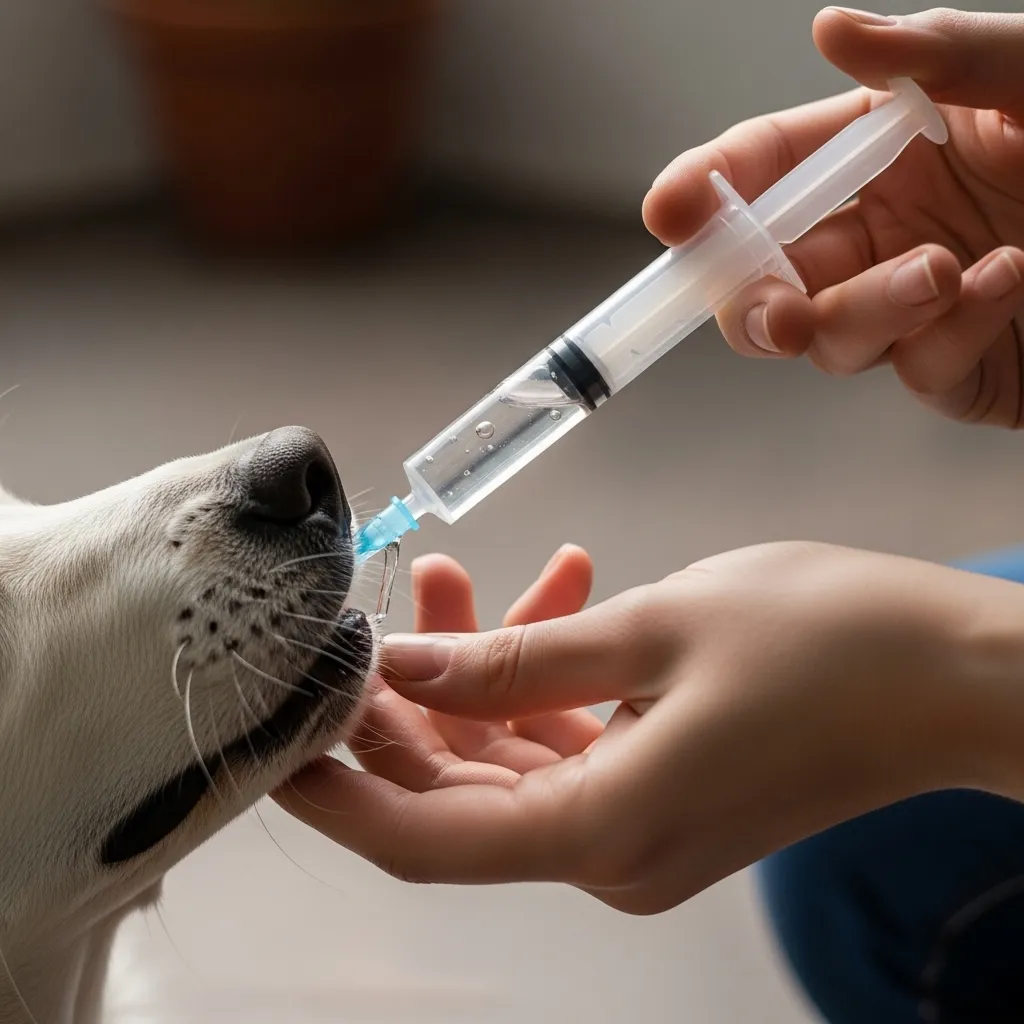
For a dog who outright refuses to drink, you may need to gently administer fluids. Using a plastic syringe (no needle), you can slowly squirt small amounts of water or unflavored Pedialyte into the side pocket of their cheek.
Go very slowly to prevent choking and make it a calm, positive experience. I pair it with gentle praise and a treat afterward.
This is a direct intervention for when you’re truly worried. If they fight it or you’re uncomfortable, call your vet immediately.
9. Schedule Water Breaks
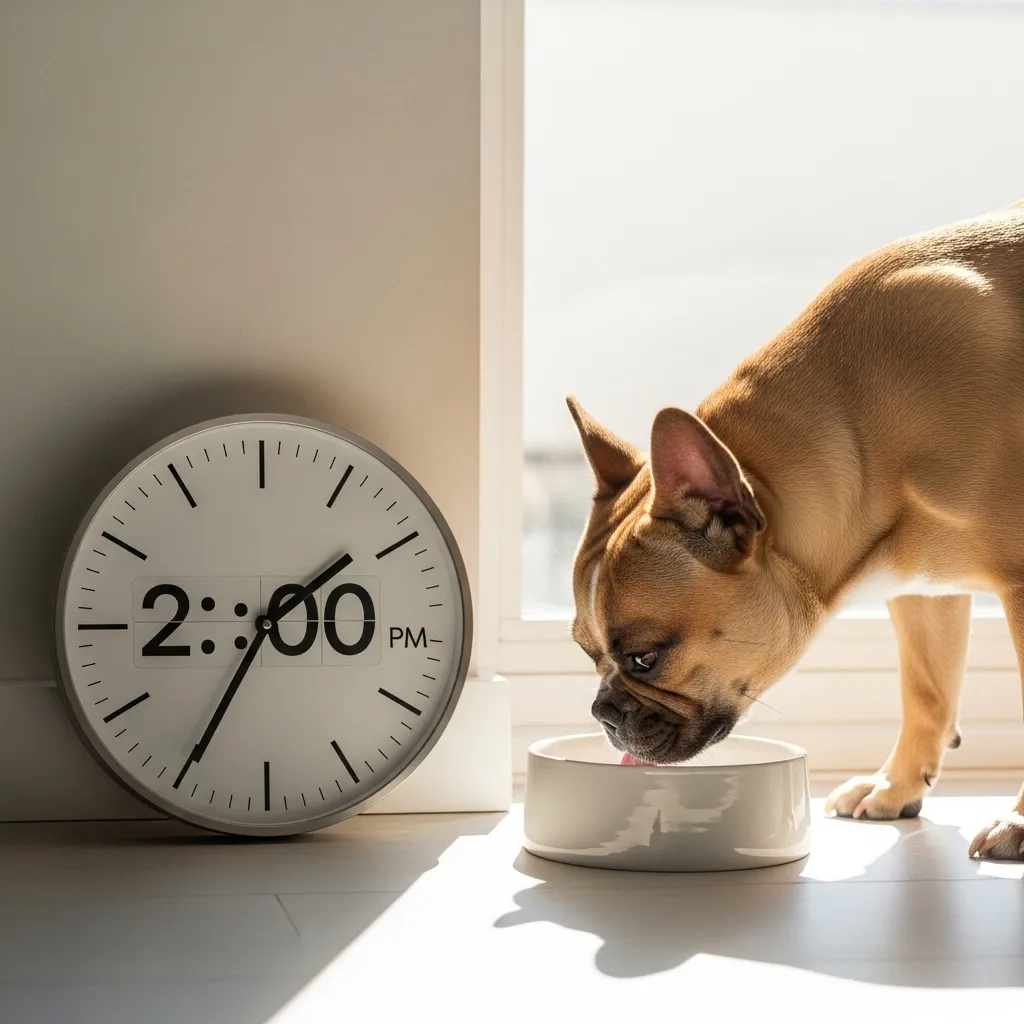
Dogs can get distracted and forget to drink. I make hydration part of our routine. We have specific “water break” times: after waking up, after play sessions, and before bed.
I lead my dog to the bowl and use a cheerful command like “Get a drink!” Sometimes, just the prompt is enough. It builds a healthy habit.
Consistency helps, especially for older dogs or puppies who might not self-regulate well yet.
10. Hydrate During Play
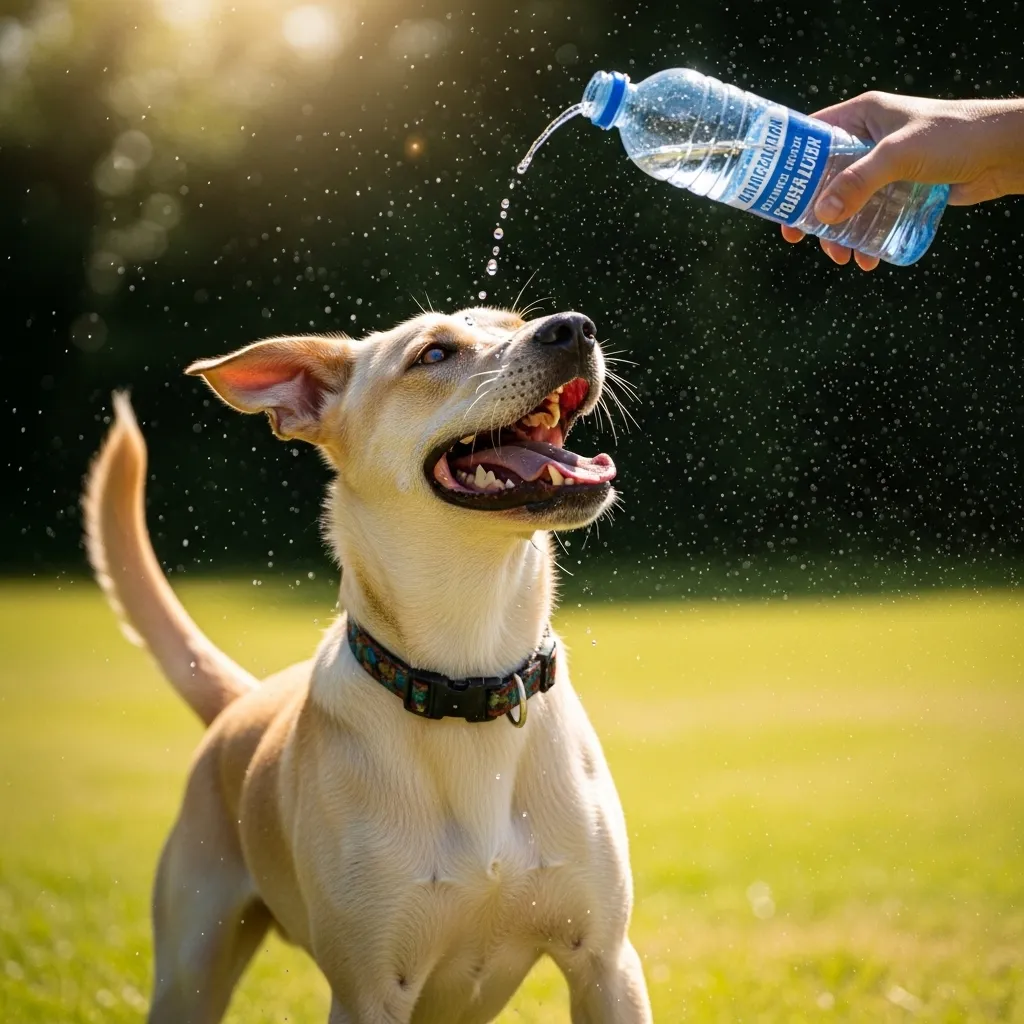
Turn drinking into a game! I use a squirt bottle on a mist setting and gently spray near my dog’s mouth during outdoor play. Many will lick the water out of the air or off their muzzle.
You can also bring a portable bowl and a bottle of water to the park. Offer a drink as a quick “time-out” during fetch. Associating water with fun makes it more appealing.
Always use clean, fresh water for this and never force it. Let it be a playful invitation.
11. Bone Broth Bonanza
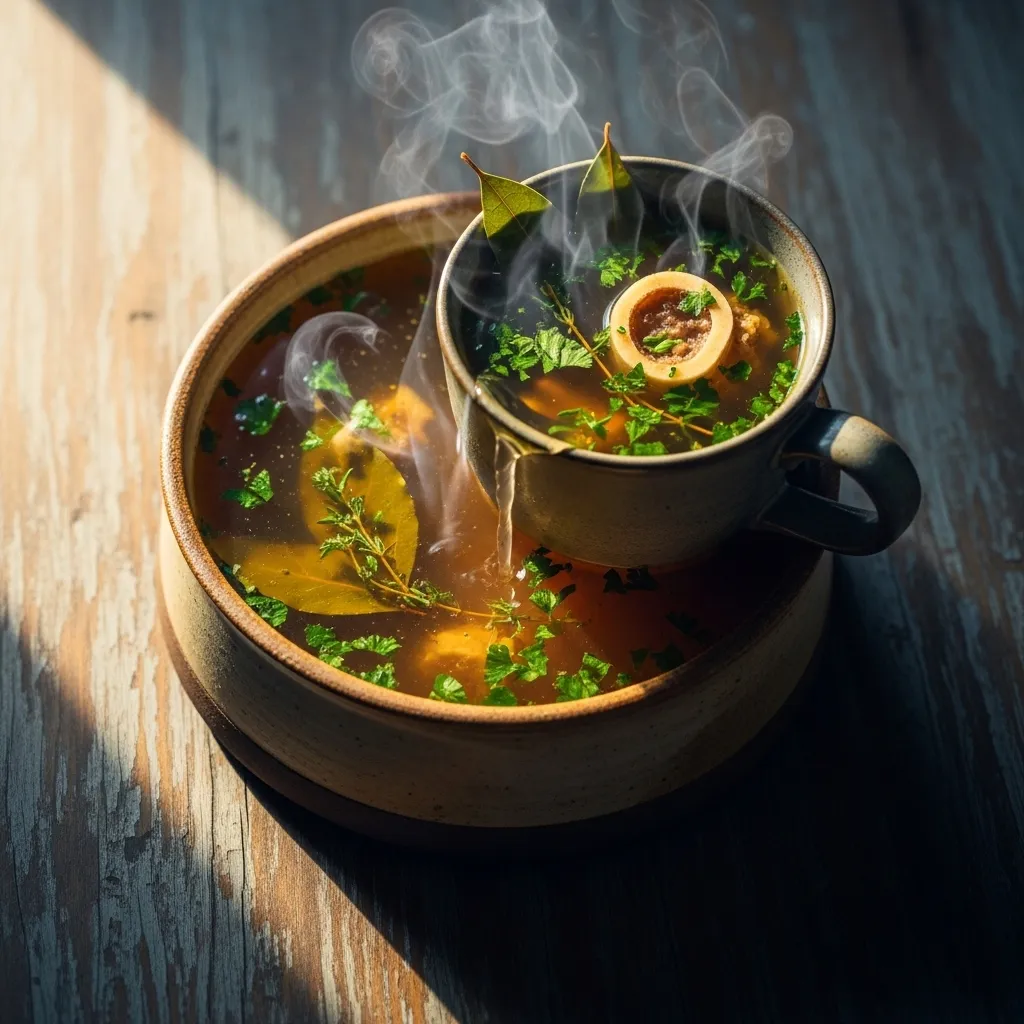
Homemade bone broth is a hydration superfood. Simmer beef or chicken bones (with no onion or garlic) for many hours to create a nutrient-rich, gelatinous broth.
Once cooled and skimmed of fat, you can pour it over food, freeze it into treats, or offer it warm in a bowl. My dog thinks it’s the ultimate delicacy.
It provides moisture, collagen, and minerals. Store it in the fridge for up to 5 days or freeze in portions.

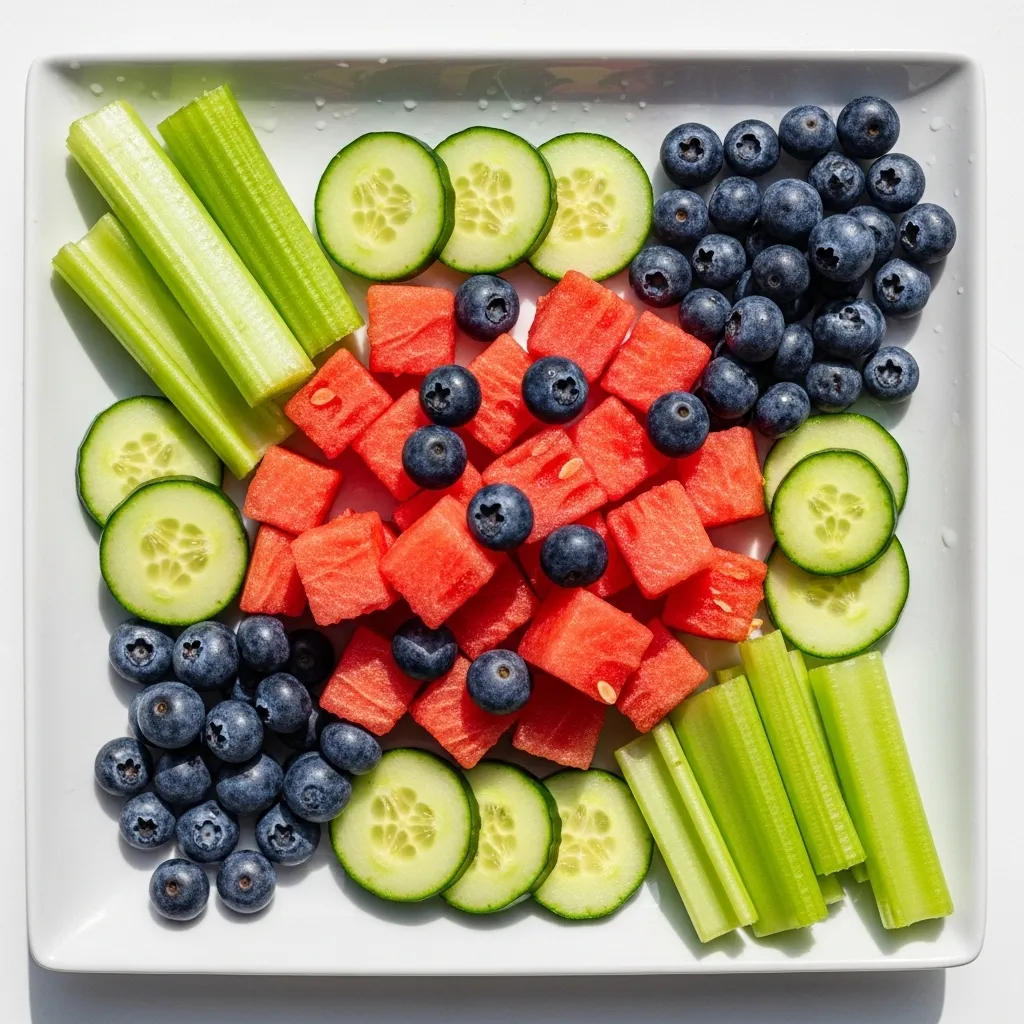
12. Add Water-Rich Fruits & Veggies
Incorporate hydrating snacks into their diet. Many fruits and vegetables have very high water content. My dog’s favorites include:
- Seedless watermelon chunks
- Sliced cucumber or celery
- Blueberries or strawberries (in moderation)
These make for a cool, crunchy, and healthy treat that contributes to their daily fluid intake. Always introduce new foods slowly and in small amounts.
13. Multiple Water Stations
Place water bowls in more than one location. I have one in the kitchen, one in the bedroom, and one in our main living area. Convenience is a huge factor.
If your dog is older or less mobile, having a bowl always within sight can remind them to drink. For multi-story homes, a bowl on each level is a must.
It’s a simple change that removes the “effort” of having to go find water.
14. The Skin Tent Test & Gum Check
This isn’t a remedy, but it’s your most important monitoring tool. Gently pinch a fold of skin at the back of your dog’s neck. In a well-hydrated dog, it will snap back immediately. If it retracts slowly, they are dehydrated.
Also, lift their lip. Healthy gums are wet and slick. Dry, sticky gums are a red flag. I do this quick check daily, especially in summer.
Knowing how to spot dehydration early means you can start these remedies before it becomes serious. When in doubt, call your vet.

Keeping Your Best Friend Hydrated & Happy
Seeing your dog healthy, energetic, and well-hydrated is one of the best feelings as a pet parent. These remedies are all about being proactive and creative. Try a few and see what your pup loves most—maybe it’s a pupsicle on a hot day or the magic of a water fountain.
Trust your instincts. You know your dog better than anyone. If they show severe signs like extreme lethargy, sunken eyes, or persistent vomiting, skip the home remedies and head straight to the vet. Otherwise, have fun helping them sip, lick, and crunch their way to perfect hydration!
FAQs: Dog Dehydration Questions Answered
Q: How much water should my dog drink daily?
A: A general rule is about 1 ounce of water per pound of body weight per day. So, a 50lb dog needs roughly 50 ounces. Activity, diet (wet food vs. dry), and weather greatly affect this.
Q: What are the clear signs of serious dehydration?
A: Go to the vet if you see: loss of skin elasticity (the “tent” doesn’t snap back), very dry gums, sunken eyes, extreme weakness, or a rapid heartbeat. Don’t wait.
Q: Can I give my dog Pedialyte?
A> Yes, but only the unflavored kind, and always consult your vet first for the correct amount. Avoid flavors with artificial sweeteners like xylitol, which is toxic to dogs.
Q: My dog won’t drink after surgery/vomiting. What do I do?
A> This is common. Offer ice cubes, a tiny bit of broth, or use a syringe as mentioned. If they refuse everything for more than 12 hours, contact your veterinarian, as they may need subcutaneous fluids.
Q: Are some breeds more prone to dehydration?
A> Yes. Brachycephalic (flat-faced) breeds like Bulldogs or Pugs can overheat easily. Very active working breeds and senior dogs also need extra monitoring. Know your dog’s specific needs.