10 Budget-Friendly Backyard Dog Fence Ideas That Look Amazing (And Won’t Break the Bank)
Let’s be real—dogs are family, but they’re also little escape artists with a nose for adventure. One minute they’re sniffing a dandelion, the next they’re bolting after a squirrel down the street. A good fence is a total game-changer, but the price tag on traditional fencing can make your eyes water.
The good news? You absolutely do not need to spend a fortune to give your pup a safe, secure zone. I’ve spent way too many weekends brainstorming and testing budget-friendly options in my own backyard, and I’m here to tell you that with a little creativity, you can build something sturdy, cute, and totally dog-approved without draining your savings.
Whether you have a tiny city patch or a sprawling rural yard, these ten ideas are all about smart shopping, clever hacks, and simple DIY projects. Grab a notepad (or just save this for later) and let’s get your furry friend the freedom they deserve—for less than you think.
1. The Classic Cedar Picket Fence (DIY Style)
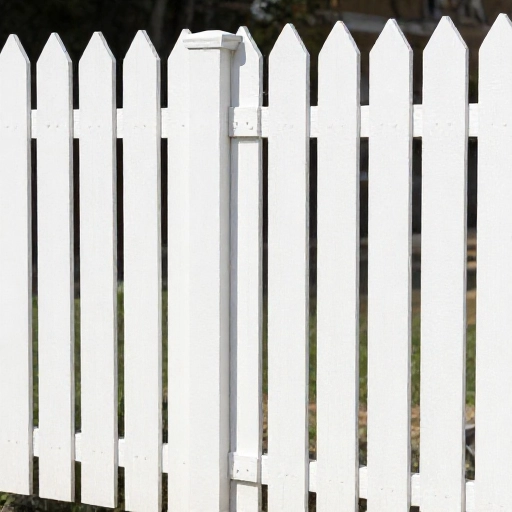
This is the “tried and true” option that never goes out of style. Instead of buying pre-made panels, head to your local lumber yard and grab individual cedar pickets. They’re usually way cheaper than panels, and you can space them exactly how you want.
I built a 50-foot run for my terrier for under $150 using just pickets and some basic posts. The trick is to keep the pickets close enough that your dog can’t squeeze through, but you don’t need them perfectly flush. It looks rustic and charming, and the natural wood smell is a bonus.
Just make sure you sink your posts deep enough (at least 2 feet) and use concrete. It’s more work, but it will survive the “zoomies” without wobbling.
2. The “Invisible” Wire + Mesh Combo
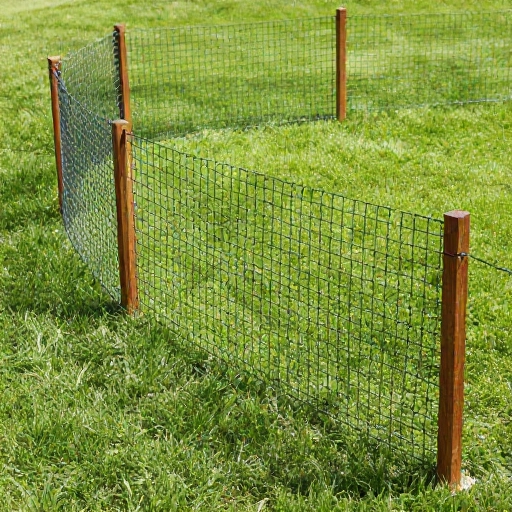
If you have a view you don’t want to block, this is your best friend. You’re not building a solid wall; you’re creating a physical barrier that’s nearly invisible from a distance. Use plastic-coated wire mesh (the kind with small squares) and attach it to sturdy T-posts.
The mesh is super affordable and comes in rolls. I love this for gardens or flower beds that need protecting. It keeps the dog in and the rabbits out. Use zip ties to secure the mesh to the posts—it’s fast, easy, and you don’t need any special tools.
You’ll want to fold the bottom few inches of the mesh into an “L” shape on the ground and stake it down. This stops diggers from tunneling under. It’s not the prettiest fence on the block, but it’s practically invisible and does the job perfectly.
3. Upcycled Pallet Fence (Rustic Charm)
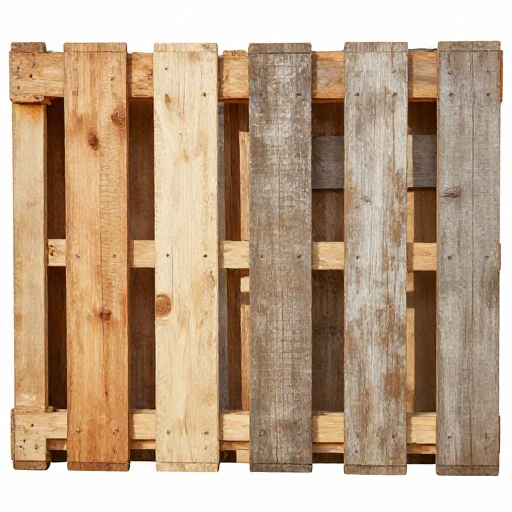
Start hitting up local grocery stores and hardware shops for free shipping pallets. People are practically giving these away! You can dismantle them and use the slats to create a super cool, rustic fence. It’s the ultimate budget win because the wood is free.
The look is very “farmhouse chic.” You can keep them natural or paint them a bold color to match your house. Because the slats are usually thick, they’re surprisingly durable. Just make sure to check for any nails sticking out and sand down rough edges so your pup doesn’t get a splinter.
This one takes a bit of elbow grease, but the result is a one-of-a-kind fence that looks like you spent a fortune on reclaimed barn wood. It’s my favorite way to add character without the custom price tag.
4. The Simple Wire Fence (Farm Fencing)
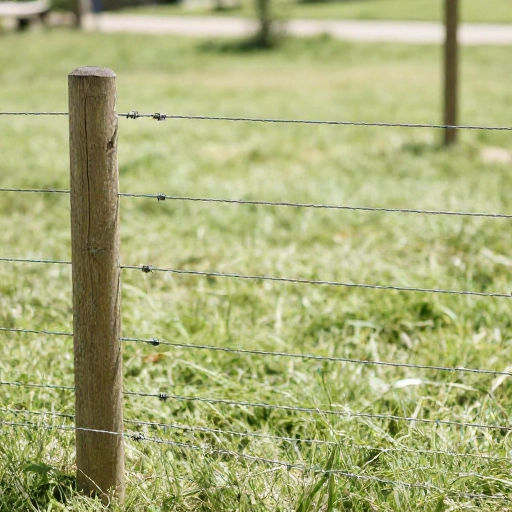
Don’t overthink it. Sometimes the cheapest and most effective option is just plain welded wire fencing or field fence. It’s the kind you see on farms, and it’s incredibly strong. You can buy it by the roll, and it’s one of the most cost-effective materials per foot.
Use wooden or metal T-posts. For most medium-sized dogs, a 4-foot height is plenty. If you have a jumper, you might need to go 5 or 6 feet. The key is to pull the wire tight so it doesn’t sag.
It’s not going to win any beauty contests, but it’s functional, safe, and lets the breeze through. I like to plant climbing vines (like clematis or honeysuckle) at the base to make it look lush and green within a season.
5. The Garden Trellis Fence
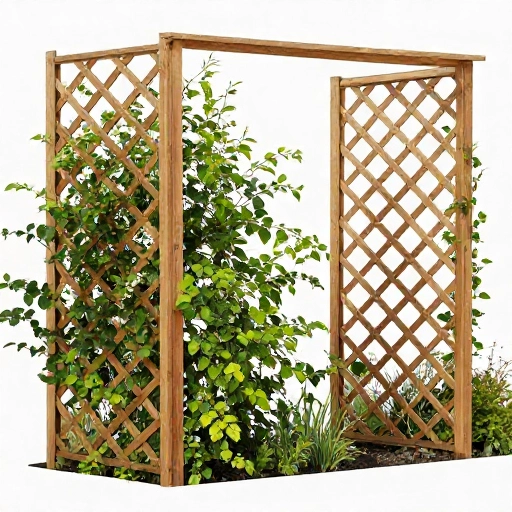
This is a genius hack for small yards or specific zones. Instead of buying fencing, buy those decorative wooden trellis panels from the hardware store. They’re often cheaper than actual fence panels and come in lovely patterns.
They’re not as tall, so they’re best for small dogs or for creating a “no-go” barrier around your vegetable patch. You can attach them to existing posts or even to the side of your house. They look delicate, but they’re actually quite sturdy.
I love the look of a painted trellis with a climbing rose. It’s less “kennel” and more “garden feature.” For a tiny chihuahua, this is a perfect, adorable, and very affordable solution.
6. The Bamboo Roll Fence
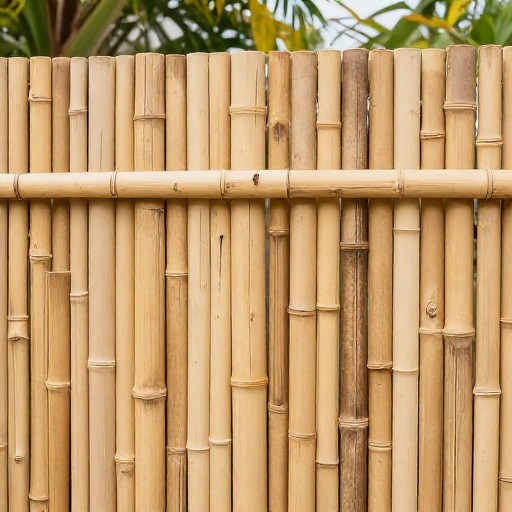
Bamboo is a budget-saver’s dream. You can buy bamboo rolls at any big-box hardware store for a fraction of the cost of wood. It gives off a zen, tropical vibe that feels way more expensive than it is.
You can attach these rolls to a basic wire fence or just to wooden posts. Because bamboo is hollow, it’s lightweight and easy to handle. It provides total privacy, which is great if you have nosy neighbors or a dog that barks at everything that passes by.
One note: bamboo doesn’t last forever in harsh weather. But if you treat it with a sealant, it can last a few good years. It’s the perfect “temporary but looks permanent” solution.
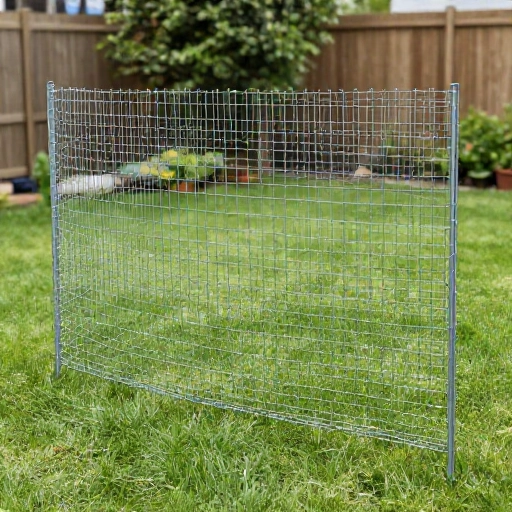
7. The Chicken Wire “No Dig” Barrier
If your dog is a Houdini who digs under the fence, this is your fix. You don’t need to replace the whole fence—you just need to stop the digging. Buy a roll of chicken wire (it’s super cheap) and lay it flat on the ground along the fence line.
Secure it with landscape staples or U-shaped pins. The sensation of their paws on the wire is unpleasant for dogs, so they’ll usually stop trying to dig there. It’s invisible from a distance and costs next to nothing.
This is the ultimate “band-aid” fix that actually works. It saved my flower beds and stopped my beagle from escaping every single time. It’s also great for keeping stray animals from digging in.
8. The Repurposed Gate Fence
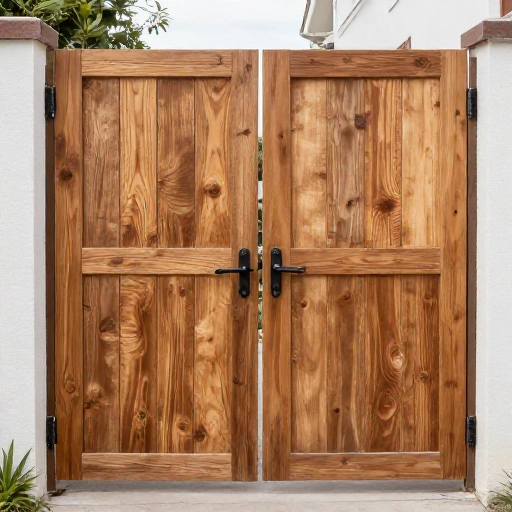
Here’s a fun one: check out salvage yards, Habitat for Humanity ReStores, or Facebook Marketplace for used wooden gates. People replace their gates all the time, and the old ones are usually still in great shape.
You can attach these gates directly to your house or garage to create a small enclosed courtyard. It’s a bit of a patchwork approach, but if you paint them all the same color, they look like a cohesive, intentional design.
This is a great weekend project. You can mix and match different heights and widths to fit your space perfectly. It’s eco-friendly, unique, and saves a ton of cash compared to buying new.
9. The Snow Fence Solution
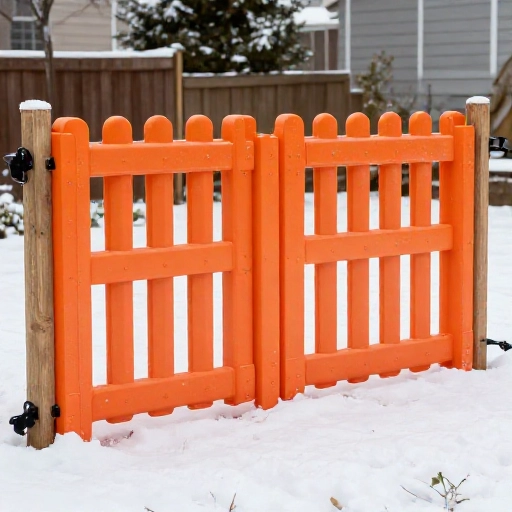
This might sound weird, but hear me out. Orange snow fencing (the plastic mesh stuff) is incredibly cheap and surprisingly durable. It’s not meant to be a permanent structure, but for a temporary or seasonal fence, it’s unbeatable.
You can zip-tie it to metal stakes in minutes. It’s perfect for when you’re camping with your dog, visiting a relative’s house, or just want to block off a muddy area in the spring. It rolls up small for storage.
It’s not the prettiest, but it is the fastest and cheapest thing you can put up. I keep a roll in my garage for emergencies. It’s a lifesaver for containing puppies while you’re potty training.
10. The “Post and Rail” With Wire Mesh
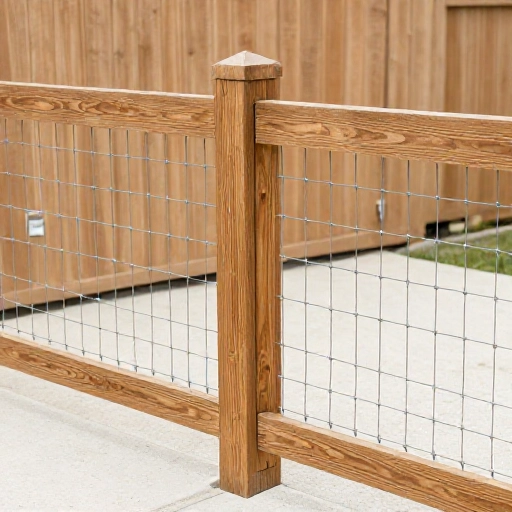
If you like the look of a classic ranch fence but want to keep the dog in, this is the best of both worlds. You put up basic wooden posts and rails (which you can find cheaply), and then you attach a roll of black or green wire mesh on the inside.
The mesh is almost invisible, so it looks like you just have a beautiful, open rail fence. But the mesh keeps your dog safely contained. This is a super popular choice for larger properties where you don’t want a solid wall blocking the view.
It’s a little more work than just doing plain wire, but the aesthetic payoff is huge. It looks custom and expensive, but you’re just combining two budget materials.
Final Thoughts: Give Your Pup the Run of the Yard
See? You don’t need a contractor or a six-figure budget to keep your best friend safe. The best fence is the one that fits your yard, your dog’s personality, and your wallet. Start with the simplest fix (like the no-dig barrier) and work your way up if needed.
Remember to always check your local zoning laws before you start building, and always, always supervise your dog until you’re 100% sure they can’t escape. A little bit of effort now means years of happy, stress-free outdoor time for both of you. Happy fencing!
FAQ: Your Fence Questions, Answered
Q: What is the absolute cheapest way to fence in a backyard for a dog?
A: Hands down, it’s the pallet fence or the simple welded wire fence on T-posts. Both are under $100 for a small yard and require minimal tools. Pallet wood is often free if you ask around!
Q: How tall should a fence be for a dog?
A: For most medium dogs, 4 feet is fine. For large breeds or athletic jumpers like huskies or labs, you’ll want at least 6 feet. Always err on the side of taller if you have a jumper on your hands.
Q: Does chicken wire really stop dogs from digging?
A: Yes! Laying it flat on the ground is a very effective deterrent. The texture feels weird on their paws, and they can’t get a grip to dig. It’s a cheap and easy fix that works wonders.
Q: Will a bamboo fence last in the rain and snow?
A: It will last a few years, but not a lifetime. To extend its life, apply a waterproof sealant or stain. It’s a great budget option, but plan to replace it sooner than you would a wood fence.
Q: Can I install these fences myself, or do I need a professional?
A: All of these are perfect DIY projects! You just need basic tools like a post-hole digger, a hammer, and some zip ties. If you can watch a YouTube tutorial, you can build one of these on a weekend.