15 Professional-Looking DIY Dog Run Designs That Will Make Your Backyard the Envy of the Neighborhood
Let’s be honest—your dog deserves better than a muddy patch of grass and a rusty chain. If you’ve been scrolling through Pinterest for hours, drooling over those sleek, modern dog runs but assuming they cost a fortune, I’ve got good news. You can absolutely build a professional-looking dog run yourself, even if you’re not a master carpenter. It’s all about smart planning, the right materials, and a few clever tricks.
I’ve rounded up 15 DIY dog run designs that look like they were installed by a pro but are totally doable on a weekend (or two). Whether you have a tiny city yard or a sprawling countryside property, there’s a design here for you. And the best part? These aren’t just functional—they’re actually beautiful. Let’s get your pup the palace they deserve.
1. The Modern Cedar & Wire Minimalist
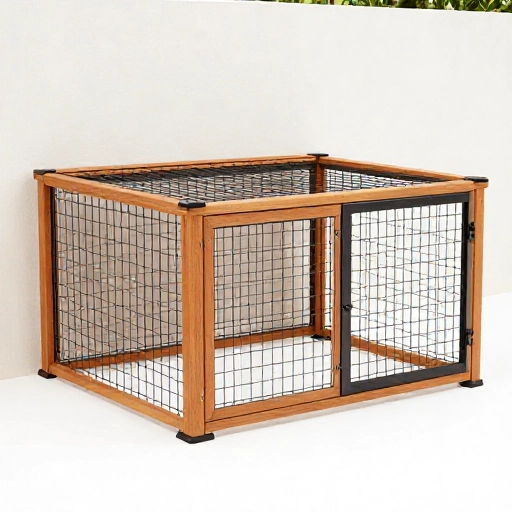
If you love clean lines and a Scandinavian vibe, this is your match. Use horizontal cedar planks spaced just far enough apart to see through, paired with black coated wire mesh on the inside. The cedar warms up the space, while the dark wire adds a sleek, modern touch that disappears into the landscaping.
Build it as a rectangular enclosure with a simple gate. The key to making it look pro is keeping the cedar boards perfectly level. Use a laser level, not your eyeballs.
Finish with a 2-inch layer of pea gravel over landscape fabric to keep mud at bay. It’s a classic look that won’t fight with your home’s exterior.
2. The Hidden Corner Oasis
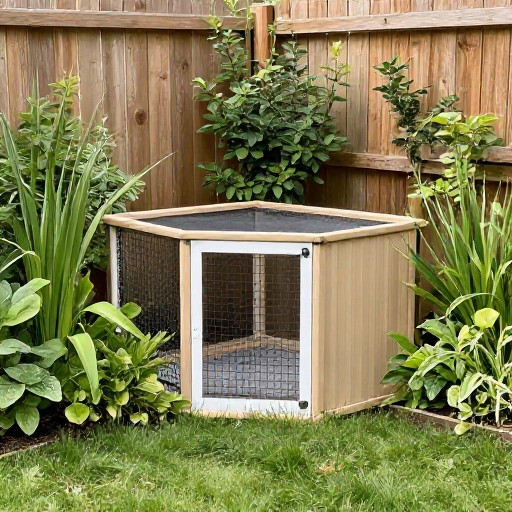
Not every yard has a perfect rectangular space. This design tucks the run into an awkward corner, using the existing fences as two of the walls. You only need to build two new panels, which saves money and makes the run feel like it was always meant to be there.
Use pressure-treated lumber for the frame and galvanized welded wire for the panels. Paint the frame a dark charcoal to match your existing fence, and it instantly looks intentional, not like an afterthought.
Add a small arched gate for a touch of charm. It’s a clever way to maximize an otherwise useless space. Your dog will love having a private nook to survey the yard from.
3. The Pallet & Playground Combo
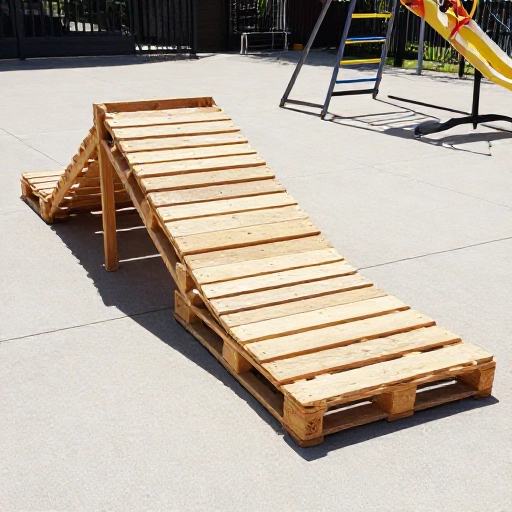
Who says a dog run can’t have a little fun? Start with a sturdy frame built from reclaimed wood pallets (sanded smooth and sealed). Then, inside, add a small DIY agility ramp and a low platform. This turns a boring enclosure into a mini doggy playground.
Make sure to sand every edge and use non-toxic sealant. You want this to look rustic, not rough. Integrate a small sandbox area for digging—because all dogs have that one habit.
This design is perfect for high-energy pups that need stimulation, not just space. It’s a conversation starter and a total win for your furry friend.
4. The Gravel-Base Pro Build
Mud is the enemy of a professional-looking dog run. This design features a deep base of compacted crushed stone topped with fine pea gravel. The drainage is incredible, and it looks like a high-end landscaping feature rather than a kennel.
Build your frame with 4×4 posts set in concrete. Attach metal or wood panels that are at least 5 feet high. The gravel base should extend about 6 inches beyond the fence line to prevent digging escapes.
Add a simple, solid wood gate with a latch. The sound of gravel crunching underfoot just feels premium. This is the design I recommend for anyone with rainy springs—it’s a game changer.
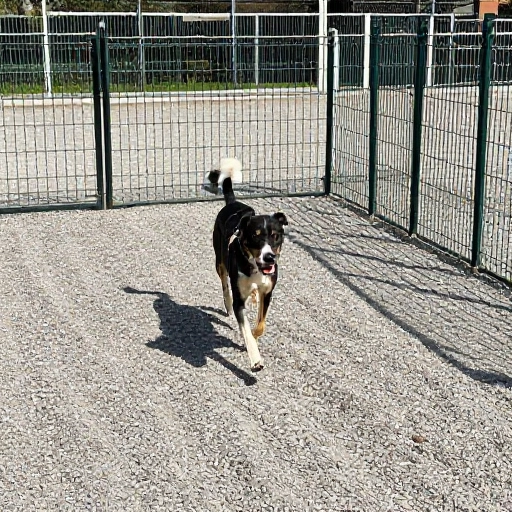
5. The Farmhouse Barn-Style Run
Give your yard that rustic, country charm with a barn-style dog run. Use white vinyl fencing for the lower half and black welded wire for the top. It mimics the look of a real barn door, but it’s light and airy.
Top the whole run with a slightly pitched gable roof made of corrugated metal. This provides shade and shelter from rain, making it a true all-weather retreat.
Inside, add a heavy-duty dog house that matches the white and black color scheme. It looks like a miniature farm building, and it’s unbelievably photogenic.
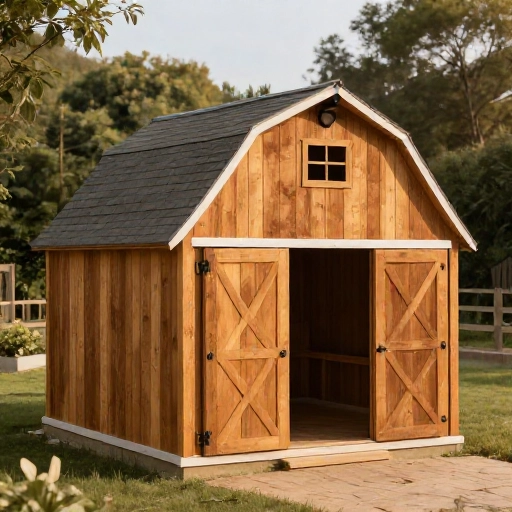
6. The Underground Dig-Proof Fortress
For the Houdini dogs out there, this is the ultimate solution. The professional trick here is to bury the bottom of your fence panels 12 to 18 inches underground. You can also lay a wire mesh apron flat on the ground, extending outward from the fence.
Use heavy-duty metal panels or chain link for this one—it needs to be tough. Set the posts in concrete to create a rock-solid foundation.
While it sounds heavy-duty, you can paint the metal frames a matte black or sage green to soften the look. It’s secure enough for a husky, but stylish enough for a suburban backyard.
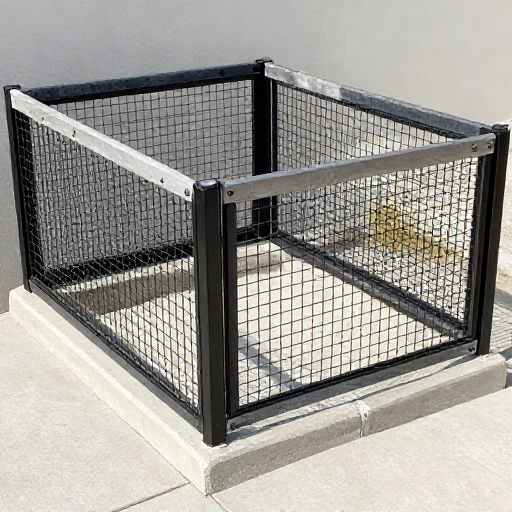
7. The Deck-Top Dog Lounge
Don’t want to give up your lawn? Put the dog run on your deck! This elevated design uses the existing deck railing as one side, and you just add a matching gate and wire mesh to close it off.
Use the same railing style as your deck so it blends seamlessly. Add a durable, outdoor rug or artificial turf to protect the deck surface and give your dog a comfy spot.
This is a brilliant solution for smaller yards or renters who can’t dig. It looks like a custom-built addition because, well, it is.
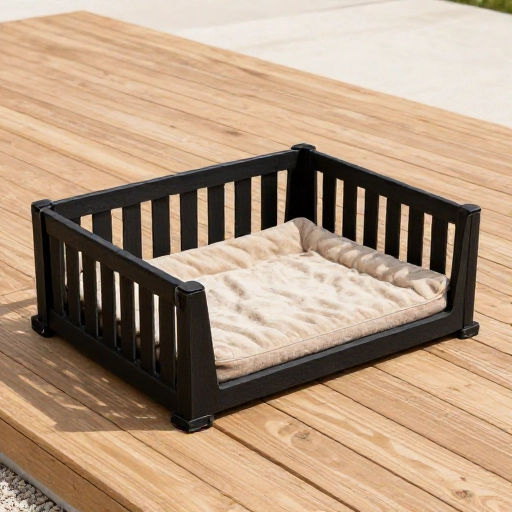
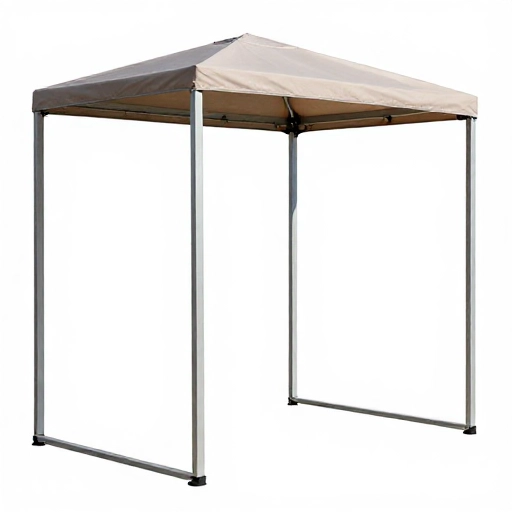
8. The Retractable Shade Canopy Run
Professional-looking doesn’t mean permanent shade. Build a simple, spacious run with standard metal posts and wire. Then, install a retractable shade sail or awning across the top.
This is the perfect design for sunny climates. You get full sun in the morning and cool shade in the afternoon. The fabric canopy adds a pop of color and a resort-like feel.
Use stainless steel turnbuckles to keep the shade tight and neat. It looks high-end and gives your dog a comfortable, temperature-controlled environment.
9. The Split-Level Slope Runner
If your yard has a slope, don’t fight it—embrace it. Build your run on two levels with a gentle ramp connecting them. This gives your dog more space to roam and adds a dynamic, architectural element to your yard.
Use retaining wall blocks to level out the two tiers. The fence follows the natural grade, which looks way more organic and expensive than a flat, boxy run.
Add a small landing pad at the top of the ramp. Dogs love having a vantage point, and it doubles as a great sunbathing spot.
10. The Steel Frame & Chain Link Classic
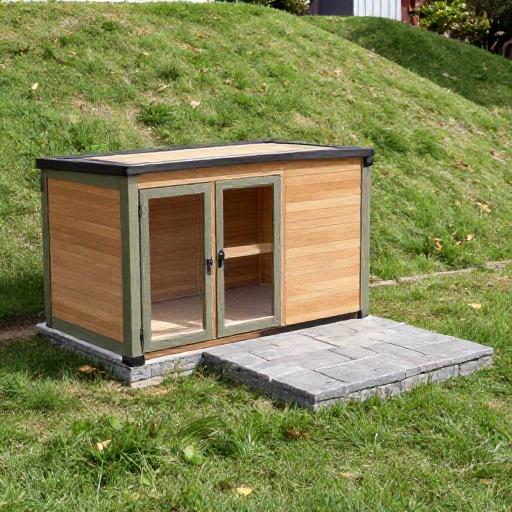
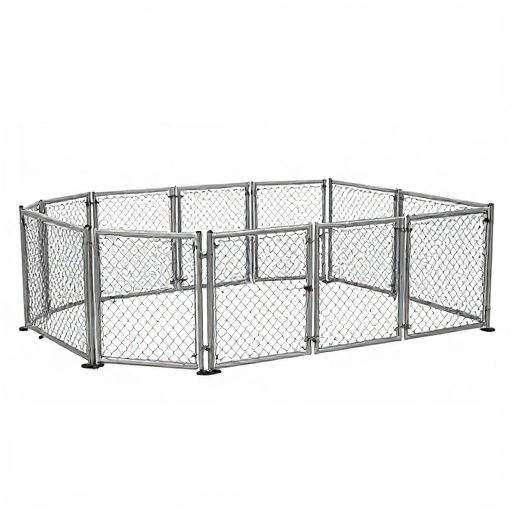
Sometimes the classic is the most professional. But we’re upgrading the classic. Instead of flimsy, wobbly posts, use heavy-gauge steel posts set deep in concrete. Use black chain link instead of the standard silver—it looks so much sharper.
Keep the chain link taut with tension bars. A tight fence looks clean, while a saggy one screams DIY. This is a durable, no-fuss option that looks like it was installed by a commercial fencing company.
Add a wide, spring-loaded gate for easy access. It’s utilitarian, but done right, it has a certain industrial chic appeal.
11. The Privacy Panel Sanctuary
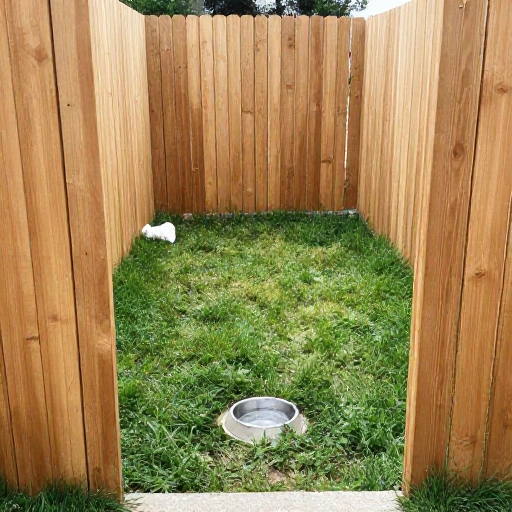
Create a zen, private space for your shy dog. This design uses solid, pre-fabricated wooden fence panels for the bottom 4 feet, with a small mesh window at the top for ventilation.
This blocks the view of the street and neighbors, reducing barking and anxiety. It also provides a solid windbreak. Stain the panels in a warm, rich tone to make it look like an extension of your home.
Add a comfortable pad and some water. It’s the doggy equivalent of a quiet reading room.
12. The Mulch & Timber Naturalist
Go green with an eco-friendly run that uses natural timber logs as the base and wire mesh. This is less structured and more organic, blending perfectly into wooded lots or cottage-style gardens.
Use cedar or redwood logs for the posts and rails. They naturally resist rot and insects. The wire mesh gets sandwiched between the logs, creating a surprisingly strong and beautiful structure.
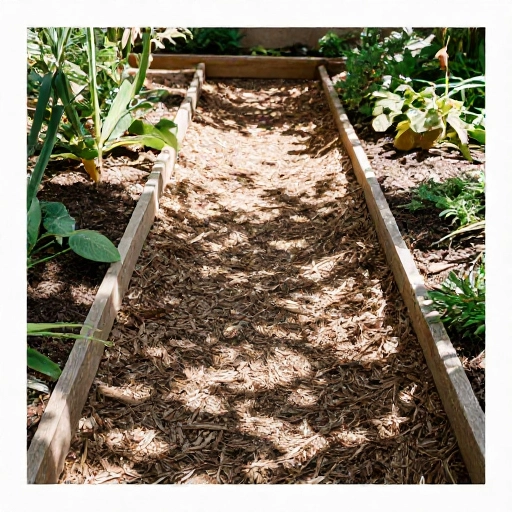
Cover the ground with a deep layer of bark mulch. It’s soft on paws and smells amazing. This looks like it was built by a park ranger, in the best way.
13. The Corner Gate Multi-Dog Zone
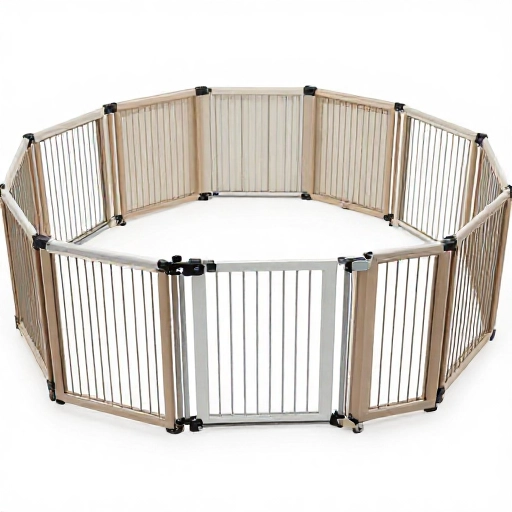
Have two dogs that need a little space sometimes? Build a larger run and divide it with a central, removable gate. This gives you the flexibility to separate them during feeding or time-outs, but you can open it up for playtime.
Build the frame with 2x4s and use decorative lattice on the top half for a stylish look. The central gate should be made of the same material so it feels like one cohesive unit.
Add two separate dog houses in each zone. It’s a smart, organized solution for multi-pet households, and it looks super professional with the symmetrical design.
14. The Concrete Pad & Turf Combo
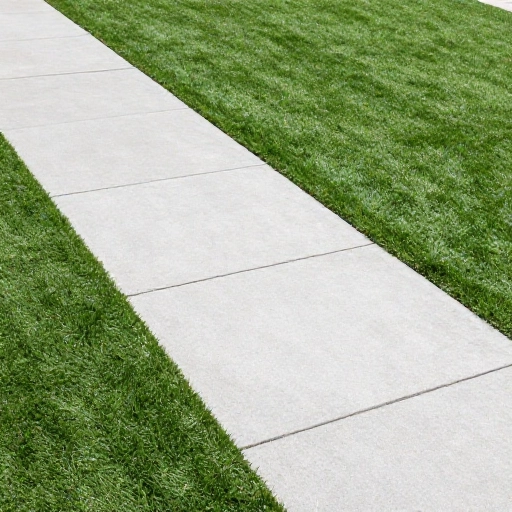
If you hate the idea of your dog digging up your lawn, this is the design for you. Pour a concrete slab and cover it with high-quality artificial turf. This is a permanent, zero-maintenance surface that looks green and lush all year round.
Build your fence directly on top of the concrete using post anchors. This prevents any digging underneath. The artificial turf provides great drainage and is incredibly easy to hose down.
Add a few potted plants around the perimeter of the fence to soften the hard edges. It looks like a professional sports facility, but for your pup.
15. The Minimalist Post & Cable Run
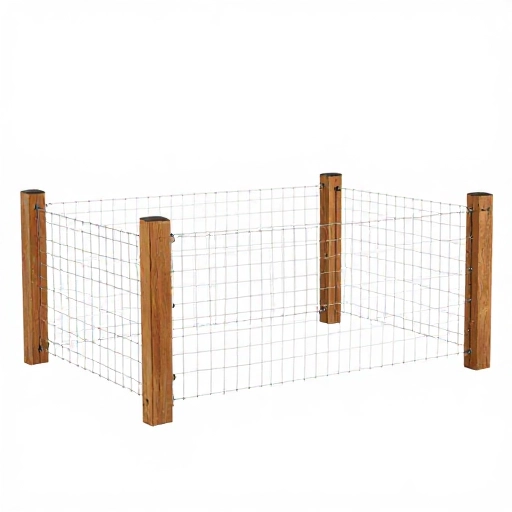
For a truly modern, almost invisible look, use steel posts and aircraft cable instead of traditional fencing. Run three or four parallel cables horizontally between the posts, and attach a thin, welded wire mesh to keep your dog safely inside.
This design offers an unobstructed view of your yard, making it feel much larger. The dark posts and cables are subtle and elegant.
Use a sleek, stainless steel gate latch. This is the “less is more” approach, and when executed correctly, it looks incredibly upscale and architectural.
Final Thoughts: Making It Last
No matter which design you choose, the secret to that “professional” look always comes down to the details. Take your time to measure twice, use a level, and invest in good-quality screws and hinges. A coat of exterior stain or paint will protect your work and keep it looking beautiful for years.
Remember that your dog’s safety is the top priority. Make sure there are no sharp edges and that the gate latch is secure. With a little elbow grease and these ideas, you’re not just building a fence—you’re creating a space that shows your dog exactly how much you love them. Now go grab your tools and get building!
Frequently Asked Questions
Q: What is the best ground surface for a DIY dog run?
A: It depends on your dog. Pea gravel is excellent for drainage and doesn’t get muddy. Artificial turf is soft and clean but can get hot in direct sun. Concrete is durable but hard on joints. Many pros mix materials, like having a gravel border around a turf center.
Q: How tall should my DIY dog run fence be?
A: For most medium to large dogs, 6 feet is the safe standard. For small dogs, 4 feet might be enough, but adding extra height never hurts. If you have a notorious jumper like a husky or a shepherd, consider 6 to 8 feet high.
Q: What’s the best way to prevent my dog from digging out?
A: The most effective method is to bury the fence line a foot deep, or lay a wire mesh “apron” on the ground just inside the fence, burying it under the surface. This stops them from tunneling out at the base.
Q: Can I build a dog run without pouring concrete?
A: Absolutely. You can use metal ground stakes or set wooden posts directly into the ground with gravel. For a temporary or lighter build, you can use rebar stakes driven deep into the soil to anchor the frame.
Q: How do I make my dog run look good in a small backyard?
A: Stick to a single, cohesive material like cedar or black metal. Avoid bulky chain link. Use vertical space with tall, slim panels and keep the inside clutter-free. A simple, clean rectangle will always look more professional than a weird, cramped shape.