11 Best Dog Fence Ideas to Keep Your Pup Safe and Happy
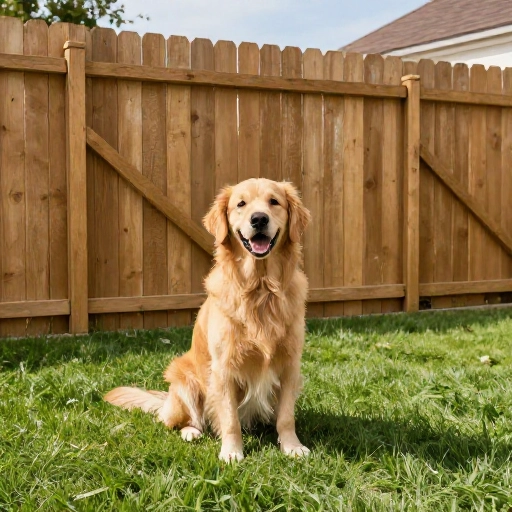
I remember the day my golden retriever, Charlie, discovered the gap under the back gate. He came trotting back with muddy paws and a grin that said, “I’ve seen the world.” That was the day I started researching dog fences. Whether you have a tiny yard or acres of land, finding the right fence can mean the difference between a peaceful afternoon and a neighborhood search party.
Over the years, I’ve tested and seen dozens of setups. Some are simple and cheap, others are more permanent. But all of them work well if you match them to your dog’s personality and your yard. Here are eleven of my favorite dog fence ideas that actually work.
1. The Classic Wood Privacy Fence
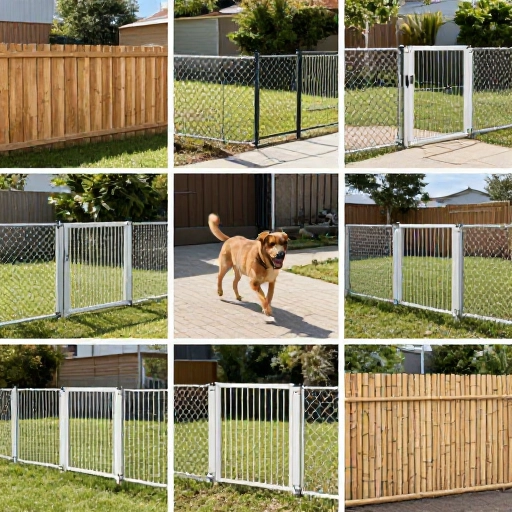
Nothing beats a solid wood fence when you want total privacy and a quiet yard. It blocks your dog’s view of distractions like squirrels or passing dogs, which reduces barking and excitement. I love how it also keeps your garden looking neat.
Make sure the boards go all the way to the ground. Some dogs will dig under if they see a gap. Adding a concrete footer or burying the bottom few inches of the fence can solve that issue. It’s a timeless choice that works for most breeds.
2. Chain Link with Privacy Slats
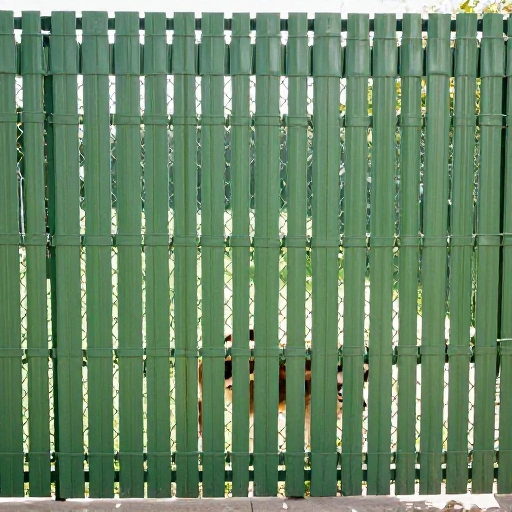
Chain link fences are affordable and strong, but they don’t offer much privacy. That’s where privacy slats come in. You weave them through the links, and suddenly your yard feels cozier and your dog can’t see every passing car.
This is a great budget-friendly upgrade. It also blocks wind and cuts down on visual stimulation for reactive dogs. Just check that the slats are tightly secured so your pup doesn’t pull them out.
3. The Invisible Electric Fence
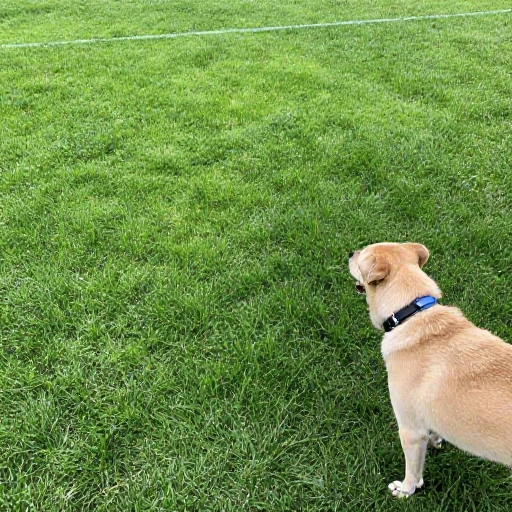
If you don’t want a physical fence blocking your view, an invisible fence might be your answer. A wire is buried along your property line, and your dog wears a collar that gives a gentle warning beep before a mild static correction. It’s not for every dog, but it works wonders for some.
I’ve seen it used best for dogs who already respect boundaries. Training is key here—you’ll need to spend a week or two walking the boundary with your pup. Many people love how it keeps their yard looking open and clean.
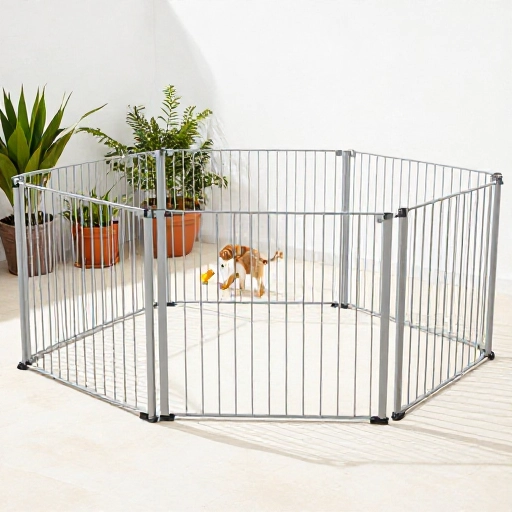
4. Portable Dog Fence Panels
These are lifesavers if you rent your home or travel often. Portable fence panels are lightweight, freestanding, and can be set up in minutes. They come in metal or plastic and are perfect for creating a temporary play area in the yard or at a campsite.
I use these when I go on road trips with my dog. They give him a safe spot to run without me worrying about him wandering off. They’re also great for blocking off parts of the yard you don’t want your dog in.
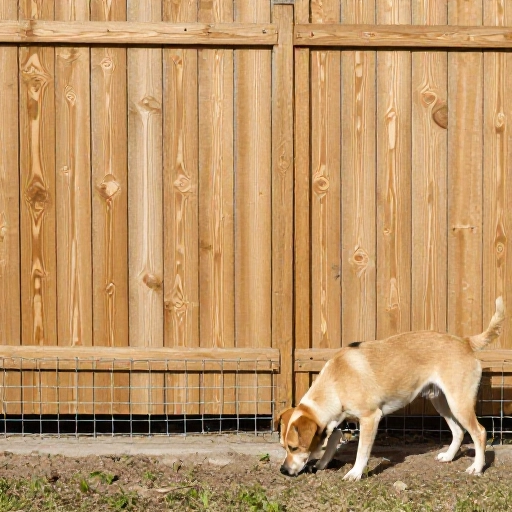
5. The Dig-Proof Fence with a Buried Barrier
Some dogs are natural diggers. If your pup is one of them, you need a fence that goes underground. You can attach a buried barrier—like a metal mesh or concrete footer—along the bottom edge of your existing fence. It stops diggers cold.
I helped a friend install a buried wire mesh along her picket fence, and her beagle hasn’t escaped since. It’s a simple fix that saves you from constantly patching holes. Just bury it about six inches deep and bend it outward for extra security.
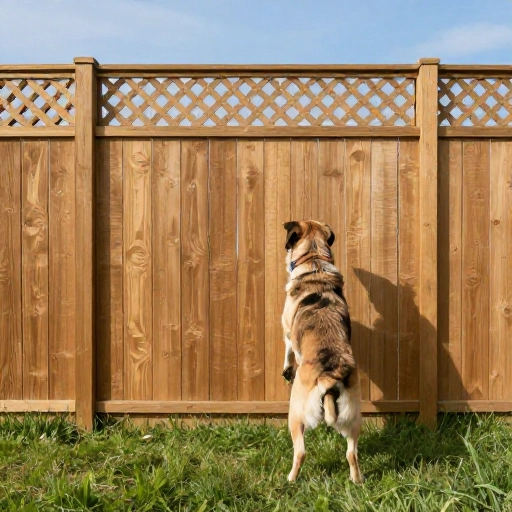
6. Tall Fence for Jumpers
Some dogs, like huskies and herding breeds, are incredible jumpers. A standard four-foot fence is like a hurdle to them. A tall fence of six feet or more can keep those athletes safely inside your yard.
I’ve seen owners add extensions to their existing fence to raise the height. Another trick is to add a curved top piece that makes it harder for a dog to climb over. It’s a simple upgrade that brings peace of mind if you have a jumper.
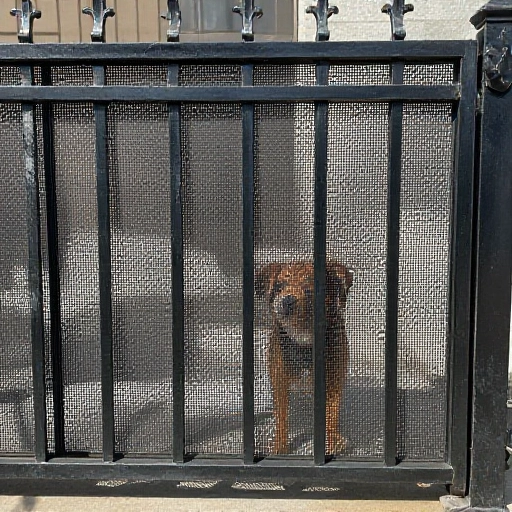
7. Wrought Iron with a Mesh Panel
Wrought iron fences look elegant, but the gaps can be big enough for a small dog to slip through. Adding a mesh panel or a netting to the back solves that problem without ruining the look. You can even use a dark mesh that blends in.
This is perfect if you want a decorative fence that still keeps your dog safe. I love how it lets you see the yard while keeping your pup contained. Just make sure the mesh is tightly attached and checked regularly.
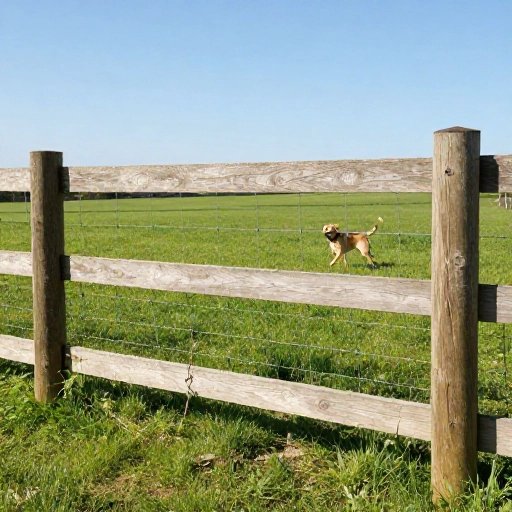
8. The Farm Fence with Wire Mesh
If you have a larger property, a farm fence with sturdy wire mesh is a practical choice. It’s often used for livestock, but it works beautifully for dogs too. The mesh is strong enough to hold back a big dog and small enough to keep puppies in.
This type of fence is affordable and easy to install yourself. You can attach it to wooden posts or metal T-posts. I like that it feels rustic and blends into rural landscapes without looking out of place.
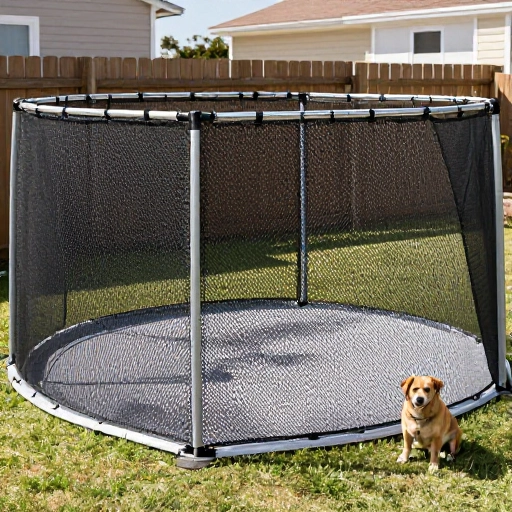
9. The Cable Tie Fence for Renters
If you can’t drill holes or install permanent posts, a cable tie fence is a clever workaround. You run a strong cable between two trees or existing posts, and attach a lightweight mesh or netting to it. It’s removable and leaves no damage.
I’ve used this at a rental cabin for a weekend trip. It took ten minutes to set up and kept my dog in a small, safe area. It’s not for all-day containment, but it works great for short-term needs or temporary yards.
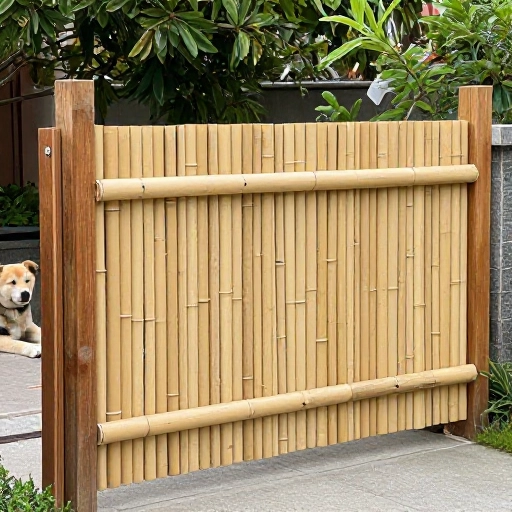
10. The Bamboo Roll Fence
Bamboo roll fencing is a natural, eco-friendly option that adds a tropical feel to your yard. It attaches to existing chain link or can be mounted on wooden frames. It’s not as strong as wood, but it’s perfect for small dogs or as a visual barrier.
I put a bamboo roll along one side of my yard to block a neighbor’s view, and my dog loves the shade it provides. It’s easy to cut to size and affordable. Just keep in mind that it can weather over time, so you may need to replace it every few years.
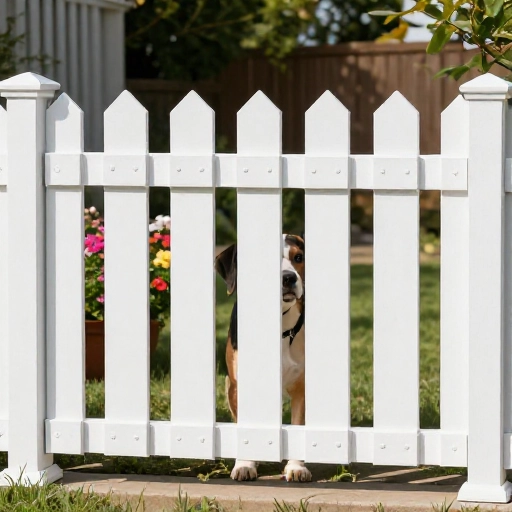
11. The DIY Pallet Fence
For the crafty and budget-conscious, a pallet fence is a fun project. You collect wooden pallets, sand them down, and attach them together to form a sturdy barrier. It’s rustic and can be painted any color you like.
Be sure to check for any sharp nails or splinters before letting your dog near it. You can also add a coat of weatherproofing sealant to make it last longer. It’s a unique fence that shows off your creativity while keeping your pup safe.
Conclusion
Choosing the right dog fence depends on your yard, your dog’s habits, and your budget. I’ve tried several of these over the years, and what works for one dog might not work for another. The key is to watch your pup, see what they try to do, and pick a fence that addresses that exact behavior. A safe yard means a happy dog and a relaxed owner. I hope one of these ideas gives you the perfect solution for your furry friend.
Frequently Asked Questions
1. How high should a dog fence be for a large dog?
For most large dogs, a fence height of 5 to 6 feet is ideal. Breeds like Great Danes or huskies may need 6 feet or more to prevent jumping.
2. What is the best fence for a dog that digs?
A fence with a buried barrier—like a metal mesh or concrete footer—is the best defense against diggers. It stops them from tunneling under.
3. Can I use an invisible fence for a small yard?
Yes, invisible fences work in small yards too. Just make sure you train your dog well and the boundary is clearly marked.
4. How do I keep my dog from escaping a chain link fence?
Add privacy slats or a mesh liner to block your dog’s view. Also check for gaps at the bottom and secure them with a buried barrier if needed.
5. Are portable fence panels safe for puppies?
Yes, portable fence panels are safe for puppies if they are sturdy and have no sharp edges. Always supervise your puppy when using them.