10 Dog Park Plans That Create Happy Pups (Genius Ideas Every Dog Parent Should Try)
There’s a moment at the dog park that I live for. The gate clicks shut, I unclip the leash, and my dog turns into a completely different creature — ears up, tail high, nose already working overtime on a hundred different stories.
But here’s what I learned the hard way: just showing up isn’t always enough. Some days my pup spent twenty minutes standing by the fence, overwhelmed and unsure. Other days he’d run flat out for ten minutes and then we’d both stand there wondering what to do next.
So I started planning our park visits like little outings instead of random trips. Different themes, different goals, different energy levels. It changed everything. Here are the ten plans that turned our dog park days into the highlight of our week.
1. The Sunrise Sniffari
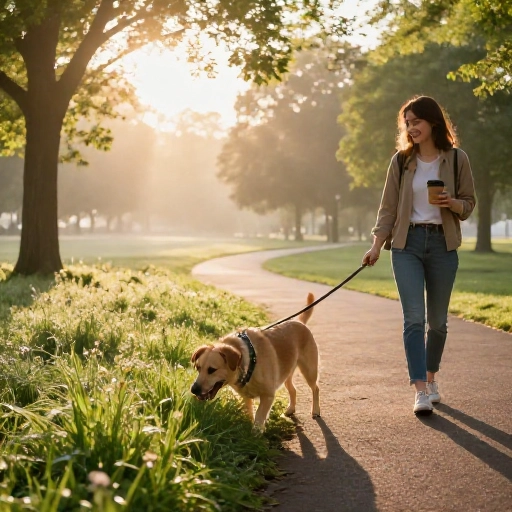
Going early is my number one tip, and I’ll defend it forever. Before 8 a.m., the park is quiet, the grass still smells like dew, and there are only a handful of calm dogs around. That’s a completely different experience than the chaos of a Saturday afternoon.
I call it a sniffari because the goal isn’t running — it’s smelling. I let my dog lead, follow his nose, and stop as long as he wants at every interesting patch of ground. Ten minutes of sniffing can tire a dog out more than thirty minutes of fetching.
Bring a coffee for yourself, keep the leash on for the first few minutes, and let your pup ease in.
2. The Buddy System Playdate
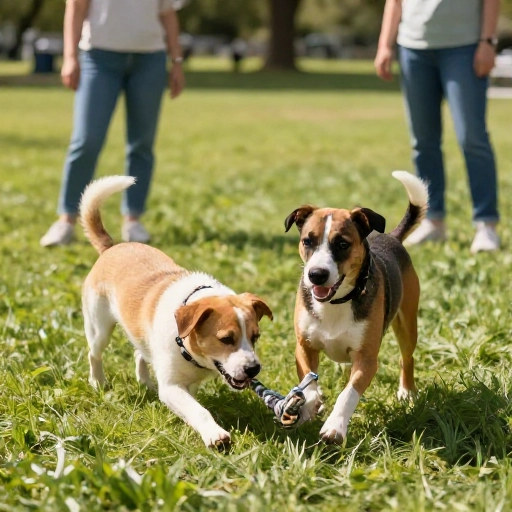
Instead of rolling the dice on whoever shows up, I text one or two dog friends and plan a meetup. Same time, same gate, same crew. My dog now has actual best friends, and I can relax because I know the temperaments involved.
This works best with dogs of similar play styles. A wrestler and a chaser can get along, but two wrestlers or two chasers usually have a smoother time together.
- Pick a quiet corner of the park so the group doesn’t get swarmed
- Agree on an exit time so no one gets overtired
- Watch for the “both dogs pause” moment — that’s a good sign
Small, familiar groups mean less stress and way more genuine play.
3. The Shade-and-Snack Picnic Break
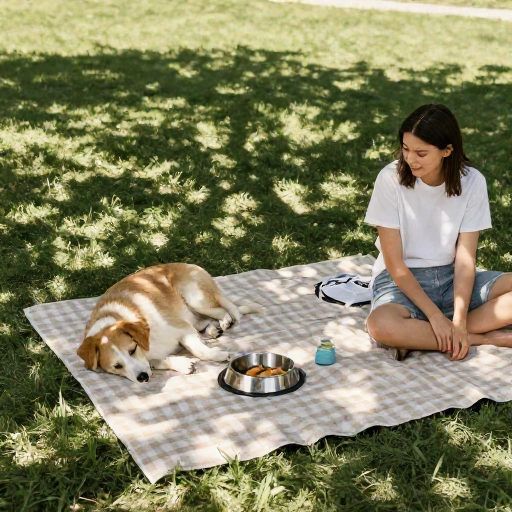
I used to forget that my dog needs actual breaks. Now I build them in on purpose. We find a bench in the shade, I spread out a blanket, and we just chill for ten minutes in the middle of the visit.
I bring a collapsible bowl and fresh water — always. Park water bowls can be sketchy, and a hot dog drains fast. A few treats or a stuffed chew toy turn the break into something my pup looks forward to.
Bonus: teaching your dog to settle while other dogs are running around is a skill that pays off everywhere else in life.
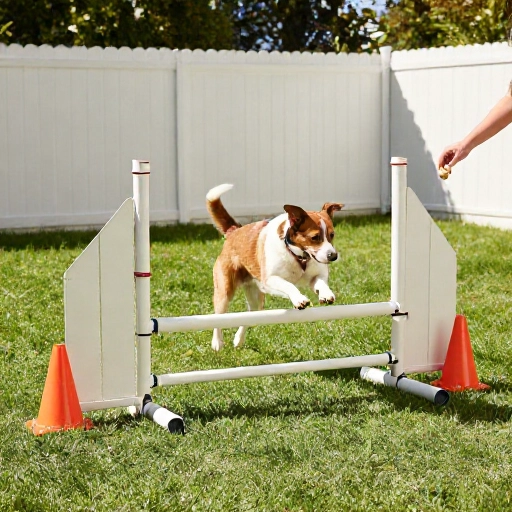
4. The DIY Obstacle Course
Most parks have natural obstacles if you look for them — a low log, a bench, a gentle slope, a wide tree base. I turn them into a little circuit and guide my dog through it using treats and praise.
We do balance on the log, up-and-over on the bench, a “wait” at the corner, then a big happy sprint to finish. It’s training disguised as play, and my dog has no idea he’s learning anything.
Keep sessions short — five minutes max — and always end on a win. If he’s confused, make it easier, not harder.
5. The Perimeter Patrol Walk
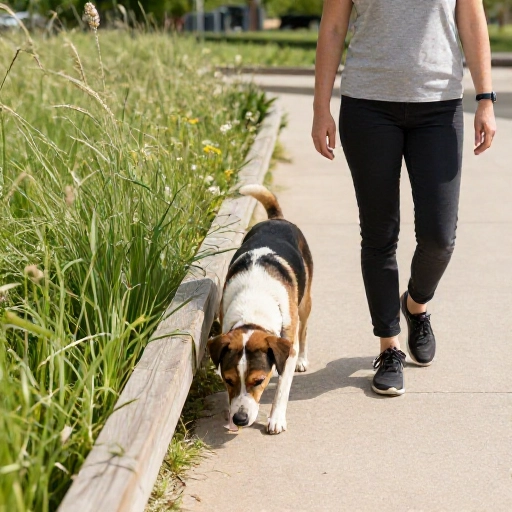
Some days my dog just isn’t in a playing mood. On those days, we walk the fence line together like we’re on official business. He sniffs, I stroll, and we cover the whole park at our own pace.
This is my go-to plan for shy dogs or pups who get overwhelmed in the middle of the action. The edges of the park are calmer, and your dog can observe the chaos from a comfortable distance.
It’s also a sneaky way to get in movement without triggering wild zoomies right before bedtime.
6. The Fetch-and-Train Combo
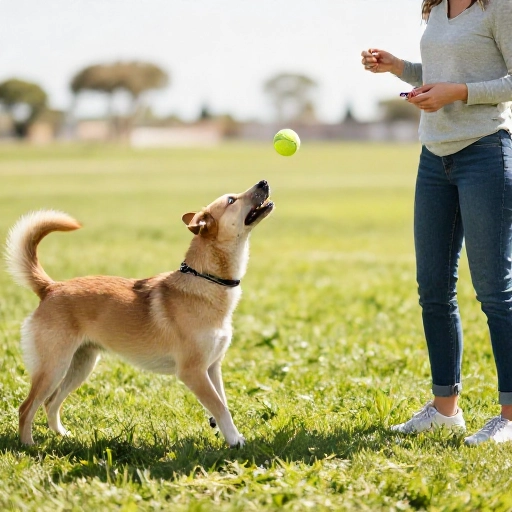
If your dog is ball-obsessed, use that drive to your advantage. I throw, he retrieves, and every third throw becomes a tiny training rep — a sit, a down, a “drop it,” a hand target.
The trick is to make the training feel like part of the game, not an interruption. I ask for one quick behavior, reward with the throw, and keep the energy up.
Just be careful in shared spaces. Only play fetch in an open area away from other dogs, and skip it entirely if the park is crowded.
7. The New Friend Rotation
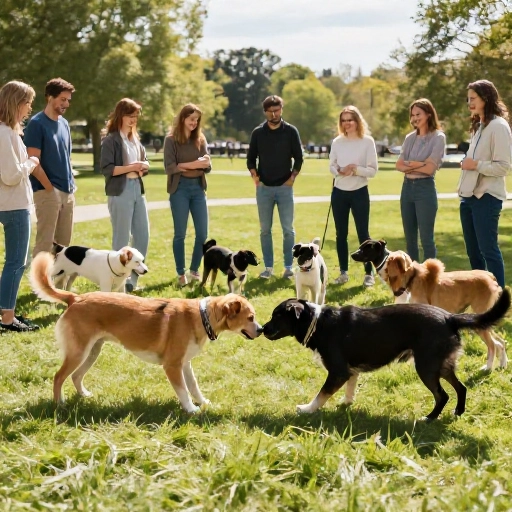
Once a month, I try to introduce my dog to one new, well-matched friend. It keeps his social skills sharp without throwing him into a crowd of twenty strangers.
I watch from a distance for the first minute or two. Good signs look like loose, bouncy bodies, play bows, and both dogs taking turns. If one dog keeps hiding, tucking their tail, or getting pinned, that’s my cue to step in and redirect.
Quality over quantity — every single time.
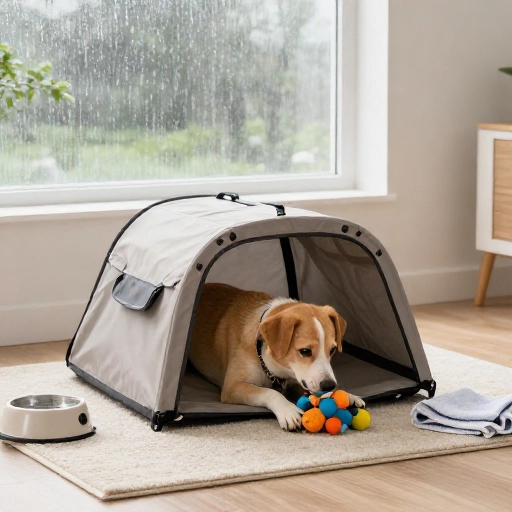
8. The Weather-Proof Backup Plan
Rain, heat waves, and freezing mornings used to ruin our routine. Now I have a Plan B for every forecast, and it keeps my dog’s week predictable even when the weather isn’t.
- Hot days: go at dawn, stick to shade, and keep sessions under twenty minutes
- Rainy days: a quick sniff walk instead, or a indoor puzzle session
- Cold snaps: short visits, a warm coat for short-haired pups, and a towel waiting in the car
Hot pavement and midday sun are genuinely risky, so I never push it. A skipped park day is way better than a miserable dog.
9. The Cool-Down Ritual
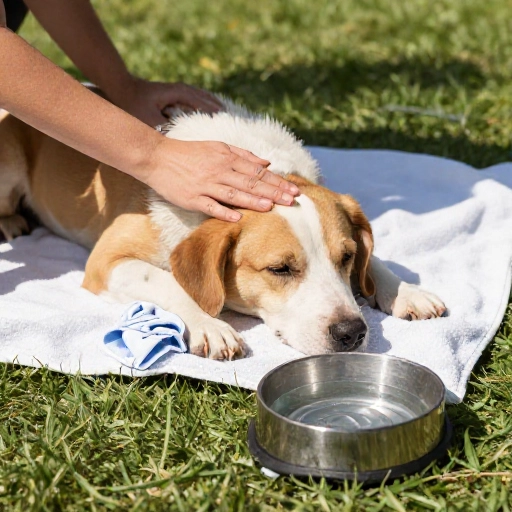
Here’s the part almost everyone skips: the wind-down. My dog goes from full-speed maniac to car ride in about ninety seconds, and that transition is rough on his body and his brain.
So we do a slow lap on leash, a big drink of water, a gentle rubdown, and a chew toy in the back seat. By the time we get home, he’s already half asleep.
This one habit cut out the post-park whining and the wild evening zoomies completely.
10. The Weekly Park Journal
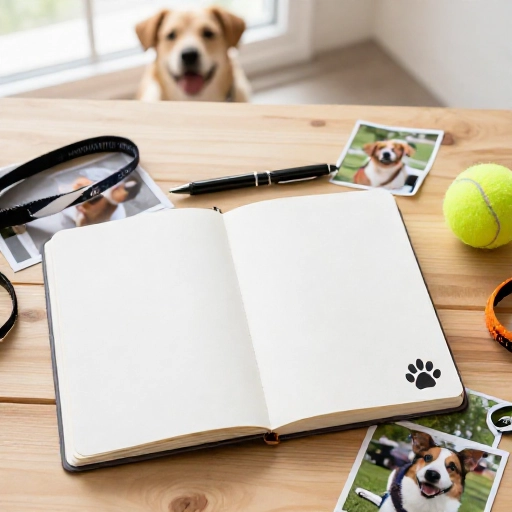
I keep a simple note on my phone after each visit — who we saw, what we worked on, how my dog seemed. It sounds fussy, but it’s taught me a lot about his patterns.
I noticed he’s calmer on weekday mornings, that he avoids one particular group of dogs, and that he plays best after a five-minute sniff walk first. Those small insights made every visit better.
It also gives me a stash of cute photos and little stories to look back on. Dog park days fly by — it’s nice to have a record.
Wrapping It Up
You don’t need a fancy plan to make your dog happy at the park. You just need a little intention. Pick one idea from this list, try it this week, and see how your pup responds.
The best dog park days I’ve had weren’t the longest or the busiest. They were the ones where I paid attention, kept things simple, and let my dog be a dog.
Frequently Asked Questions
How long should a dog park visit last?
For most dogs, thirty to forty-five minutes is plenty, including breaks. Puppies and senior dogs often do better with fifteen to twenty minutes.
What time of day is best for the dog park?
Early morning or just before sunset. The temperature is kinder, the crowds are smaller, and the dogs tend to be calmer.
What are the signs my dog is done playing?
Lip licking, turning away, tucking the tail, pinning other dogs, or repeatedly checking in with you. When you see those, it’s time to go.
Should I bring water and a bowl to the dog park?
Yes, always. Shared park bowls can carry germs, and having your own water keeps your dog hydrated and safe.
What if my dog doesn’t like the dog park at all?
That’s completely okay. Some dogs prefer sniff walks, one-on-one playdates, or backyard time. There’s no rule that says every dog needs a dog park.