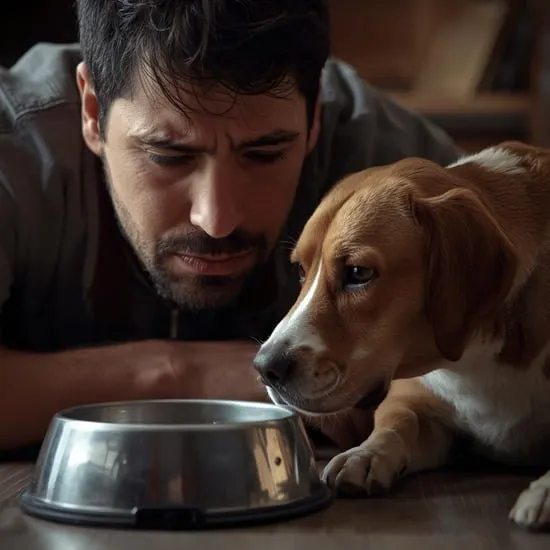
11 Quiet Signs of Dog Discomfort Every Owner Should Know

We all want our dogs to be happy. But sometimes, they hide their pain. It’s a survival instinct from their wild ancestors. Showing weakness wasn’t safe. So, your pup might be suffering in silence right in front of you.
I’ve learned this the hard way. My own dog once had a sore tooth for weeks. I thought he was just being picky with his food. The only clue? He chewed only on one side of his mouth. After that, I started paying close attention to the small things.
Here are 11 quiet signs that your dog might be uncomfortable. Watch for these, and you can help them feel better sooner.
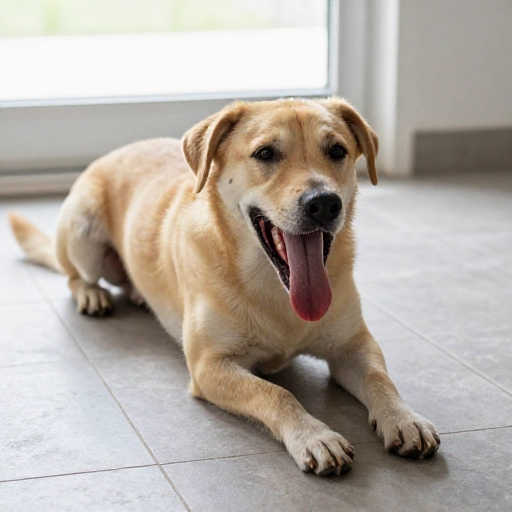
1. Heavy Panting for No Reason
Dogs pant after a run or on a hot day. That’s normal. But what about panting when it’s cool and calm? If your dog is panting heavily while lying on the floor, something is wrong.
This can mean pain, anxiety, or even a fever. Look at their tongue. Is it wider and more curled at the tip than usual? That’s a stress pant.
When my dog pants without cause, I check his gums. Pale or bright red gums are a red flag.
2. A Change in Their Eyes
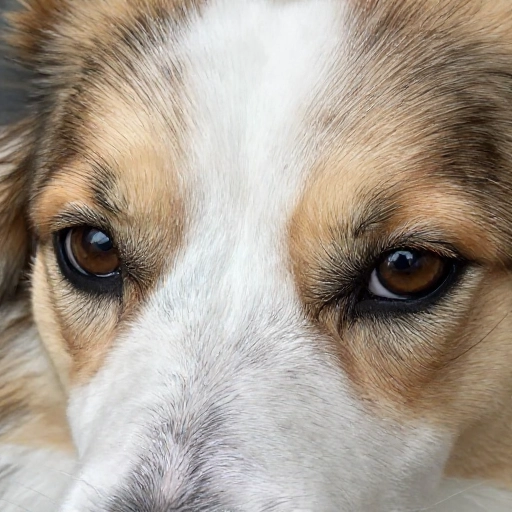
Your dog’s eyes tell a story. Squinting is a big one. If one eye is half-closed, they might have an eye injury or a headache.
Look for “whale eye.” That’s when you see the white part of their eye. It means they are nervous or guarding something.
- Dilated pupils in bright light can mean pain.
- Glassy or staring eyes often mean your dog feels sick.
- Redness or discharge needs a vet visit fast.
3. Lip Licking When There’s No Food
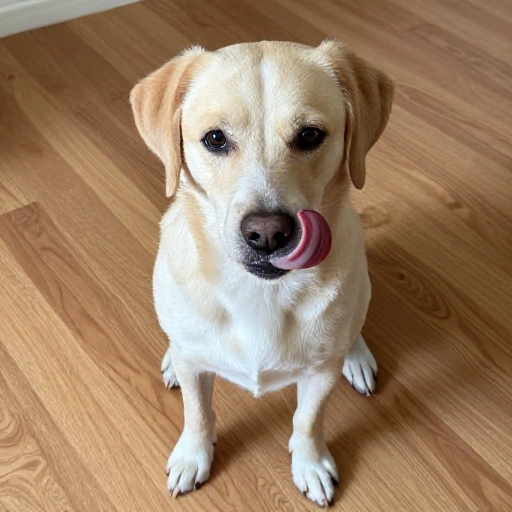
Dogs lick their lips after a good meal. But if they do it when no food is around, it’s a stress signal. It’s like a person biting their nails.
I see this most often at the vet’s office. Dogs lick their lips because they are nervous. It can also mean nausea. If your dog is licking the air or the floor, they might have an upset stomach.
Notice if it happens during petting. That means “please stop.”
4. Sleeping More or Hiding Away
A tired dog is one thing. A dog who hides under the bed is another. If your dog is sleeping more than usual, they might be conserving energy to heal.
Look for a change in sleeping spots. Do they usually sleep in your room but now sleep alone in the bathroom? That can mean they feel vulnerable.
Senior dogs often slow down. But sudden extra sleep is a sign to call your vet.

5. A Slightly Hunched Back
This is a classic pain posture. A dog with a belly ache or back pain will stand with their back arched up. It looks like they are trying to make themselves smaller.
Watch them when they stand up. Do they stretch out their front legs and keep their back legs stiff? That’s a “prayer position.” It often means pancreatitis or stomach pain.
Any change in their normal stance is worth noting.

6. Changes in Their Bark or Voice
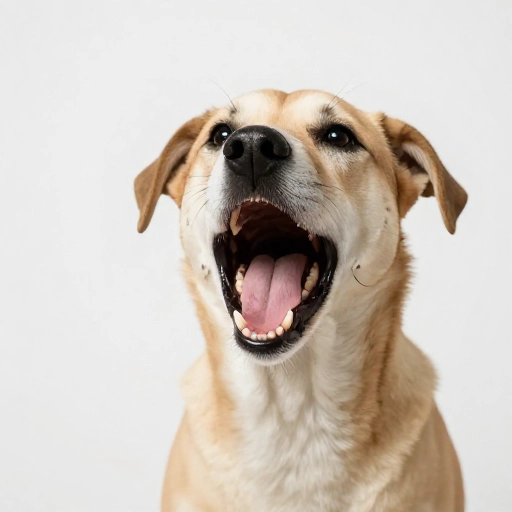
Listen closely. A dog in pain might whine more. Or, they might go completely silent. A quiet dog is not always a happy dog.
Some dogs growl when touched in a sore spot. Don’t punish the growl. It’s a warning. If a normally chatty dog stops barking, they might feel too tired or sick to make noise.
Hoarse barking can mean a sore throat or a collapsed trachea.
7. Pacing Back and Forth
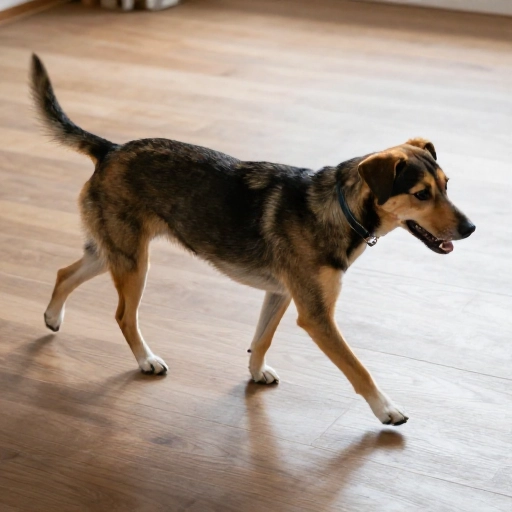
Pacing is not just for anxious people. Dogs do it too. If your dog walks in circles or paces the room, they can’t settle down. This is common with dementia in older dogs.
It can also mean joint pain. They might be trying to find a comfortable position. If they pace and pant at the same time, it’s a strong sign of distress.
Make sure they have a soft bed. Sometimes that helps them stop pacing.
8. Eating Grass Like Crazy
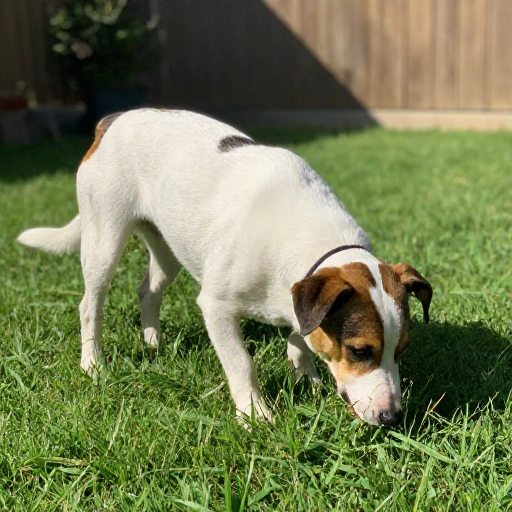
A little grass eating is normal. Dogs do it sometimes. But if your dog is frantically eating grass, they might have an upset stomach. They are trying to make themselves vomit.
Watch the speed. A dog who is just curious takes a nibble. A dog in discomfort will gulp it down fast. This often happens before they throw up.
If they eat grass and then seem fine, it’s okay. If it happens daily, check their diet.
9. Avoiding Stairs or Furniture
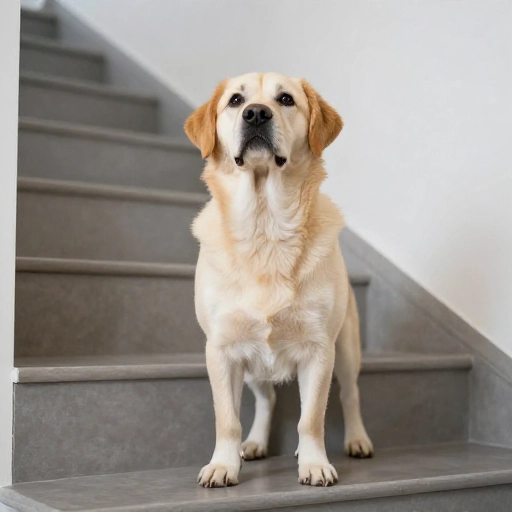
Does your dog suddenly stop jumping on the couch? Do they pause at the bottom of the stairs? That is a huge clue. It usually means joint pain or arthritis.
I once thought my dog was just “getting lazy.” He wasn’t. His hips hurt. Dogs hide limping very well. But they cannot hide avoiding stairs.
- Watch them on walks. Do they pull less?
- Do they struggle getting into the car?
- These are quiet signs of discomfort.
10. Trembling or Shaking
Dogs shake when they are cold or scared. But they also shake when they are in pain. Small dogs shake more often, but any dog can tremble from pain.
If your dog is shaking and there is no thunderstorm or loud noise, check for pain. Feel their legs and back gently. They might flinch or pull away.
Shaking can also mean low blood sugar or poisoning. Don’t ignore it.
11. Excessive Yawning
Yawning is not just about being tired. It is a calming signal. Dogs yawn when they are stressed or uncomfortable. If your dog yawns a lot during a vet visit or during training, they are telling you they feel pressured.
Watch for context. If they yawn after you scold them, they are not bored. They are stressed. It’s a sign to slow down and give them space.
Yawning paired with lip licking is a double warning.

Conclusion
Your dog trusts you to read their quiet signals. They won’t always cry out in pain. But they will show you in small ways. Watch their eyes, their posture, and their habits.
When you notice these signs, stay calm. Check them over. Offer a soft bed or a gentle massage. And always call your vet if you are worried. Being a good observer is one of the best ways to love your dog.
Frequently Asked Questions
Q: How can I tell if my dog is in pain or just tired?
A: Pain often comes with other signs. Look for panting, shaking, or a change in appetite. A tired dog will sleep deeply but still wag their tail when you come home. A dog in pain might not react at all.
Q: What should I do if I see these signs?
A: Stay quiet and gentle. Check their body for swelling or injuries. Do not give human pain medicine. Call your vet for advice. Many issues are easy to fix if caught early.
Q: Can dogs hide pain for a long time?
A: Yes. Dogs are very good at hiding pain. They learned this to survive in the wild. That is why subtle signs matter so much. You might not notice until the problem is big.
Q: Is lip licking always a bad sign?
A: No. Dogs also lick their lips when they smell food or feel happy. But if it happens without a trigger, it is often stress or nausea. Look at the situation around them.
Q: When should I take my dog to the emergency vet?
A: Go right away if your dog cannot stand, has trouble breathing, has pale gums, or is vomiting a lot. Trust your gut. If you feel something is very wrong, it probably is.