12 Make a Mudroom Dog Wash That Works
Let’s be honest: the mudroom is where the magic happens, and by magic, I mean the disaster zone where muddy paws meet your clean floors. A dedicated dog wash station isn’t just a luxury—it’s the smartest upgrade you can make if you share your home with a four-legged dirt magnet. It saves your back, your sanity, and your hallways.
I’ve designed a few of these in my time, and the secret isn’t fancy fixtures. It’s about thinking through the mess before it happens. You need a space that’s easy to clean, comfortable for your pup, and tucked away so it doesn’t ruin your decor. Let’s walk through the real-world details that make a mudroom wash actually work.
From budget-friendly DIY hacks to full-on spa-style setups, these twelve ideas will help you build a station you’ll actually use. Because the best dog wash is the one that doesn’t leave you mopping up after the wash itself.
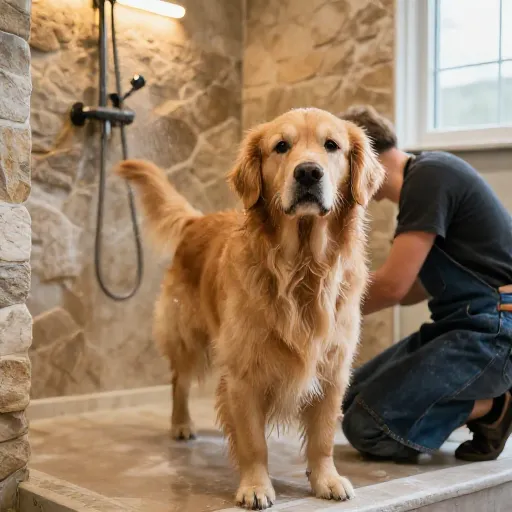
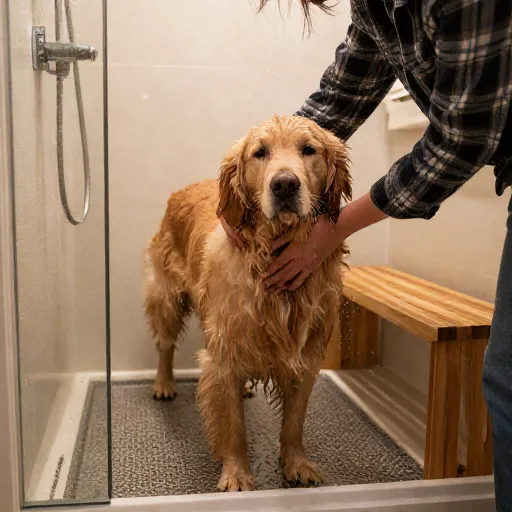
1. The Walk-In Shower Approach
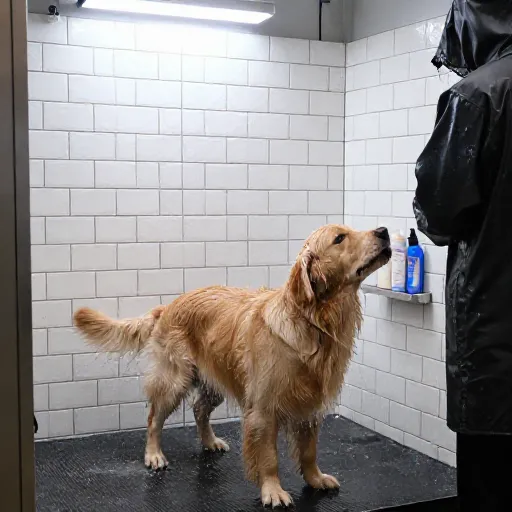
Skip the elevated tub. A floor-level, walk-in shower stall is the gold standard for big dogs and old dogs. There’s no lifting, no jumping, and no slippery ramp to navigate. You just walk in, close the glass door, and spray away.
The key here is drainage. You’ll want a linear floor drain that runs the full width of the space. This catches splashes and fur before they escape into the rest of the mudroom. A handheld shower wand on a long hose is non-negotiable—it lets you reach every muddy inch without spinning the dog in circles.
If you’re converting an existing shower, just add a rubber mat with suction cups for traction. It’s a quick fix that makes your dog feel secure and prevents them from doing the “slippery floor panic.”
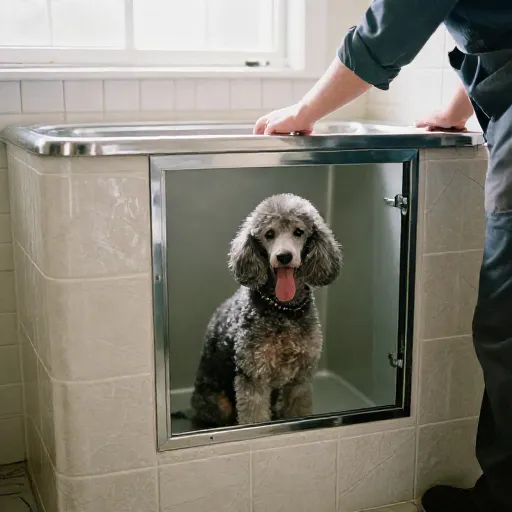
2. The Raised Tub with a Door
If you have a smaller pup or you don’t want to bend over, a raised tub is a lifesaver. But don’t just buy any tub—look for one with a swing door on the side. This lets your dog walk in instead of being hoisted over the edge.
Set the tub at a height that’s comfortable for your lower back. Standard counter height (around 36 inches) works for most adults. You’ll want a deep basin to contain the splashes, and a built-in drying rack or a place to hang the leash nearby.
The biggest mistake I see is putting the faucet too far back. Place it at the side of the tub, not the back. This keeps the controls within your reach while your dog is facing you, not the wall.
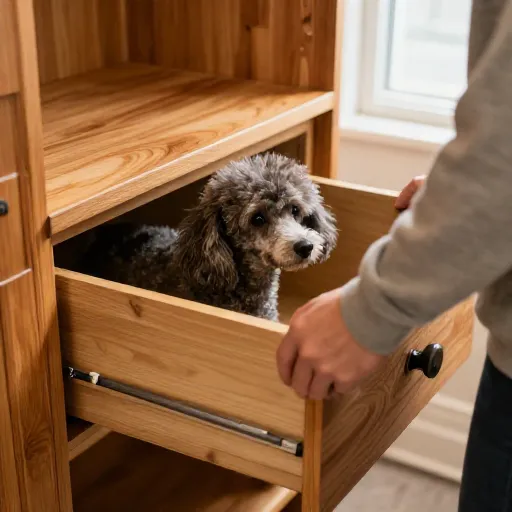
3. The Hidden Pull-Out Drawer
Not everyone has a huge mudroom. If you’re short on square footage, think about a custom pull-out drawer that slides out from under a bench. It’s a genius space saver that hides the mess entirely when not in use.
You’ll need a deep drawer (at least 18 inches) with a built-in drain hose that connects to your plumbing. The top of the drawer is the wash basin. When you’re done, slide it back in, and it looks like a regular storage unit.
This works best for small to medium dogs. For plumbing, you’ll need a flexible drain line with a trap. It’s a bit more complex to install, but the payoff is a mudroom that looks like it has zero dog-washing equipment until you need it.
4. Go Big on the Splash Wall
Water always finds a way to escape. The solution is a full-height splash wall behind the wash station. Tile it all the way to the ceiling, or at least four feet high. Grout lines are your enemy, so use large-format tiles or a solid sheet of acrylic.
I love a good peel-and-stick waterproof panel for a budget remodel. They look like marble or subway tile and wipe down in seconds. No grout to scrub, no mildew to worry about.
Don’t forget the side walls too. A dog shaking off right after a rinse can soak the adjacent wall and your coat hooks. Extend the waterproofing around the corner for at least a foot to catch the sideways spray.
5. The Elevated Grooming Arm
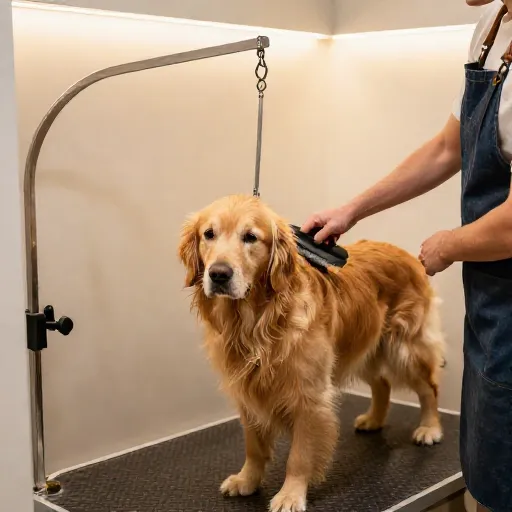
Washing is only half the battle. Drying is where the real chaos happens. A grooming arm—that metal pole that comes out from the wall—keeps your dog secured and gives you a place to hang the dryer.
Look for a double-arm system. One arm holds the loop that goes around the dog’s neck, and the other holds the nozzle of your blow dryer. This frees up both of your hands to brush and untangle as you dry.
This is a game-changer for double-coated breeds. You can’t just blast them with hot air; you need to brush while drying to get down to the skin. The arm makes that one-person job much easier.
6. Warm Water, Not Just Cold
Running a hot water line to your mudroom wash is a must. Cold water washes are miserable for the dog and they’ll fight you the whole time. But you don’t want scorching-hot water either.
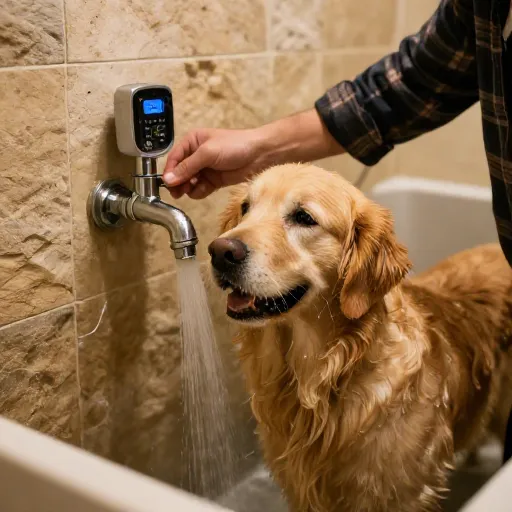
Install a mixing valve on the supply line. This gives you a controlled temperature that won’t fluctuate when the washing machine kicks on. Set it to around 85 degrees Fahrenheit—warm to the touch but not hot.
If you can’t run new plumbing, consider a small point-of-use tankless water heater under the sink. It’s a compact unit that heats water on demand, giving you an endless supply of warm rinse water without waiting for the main boiler.
7. The No-Fur Drain Cover
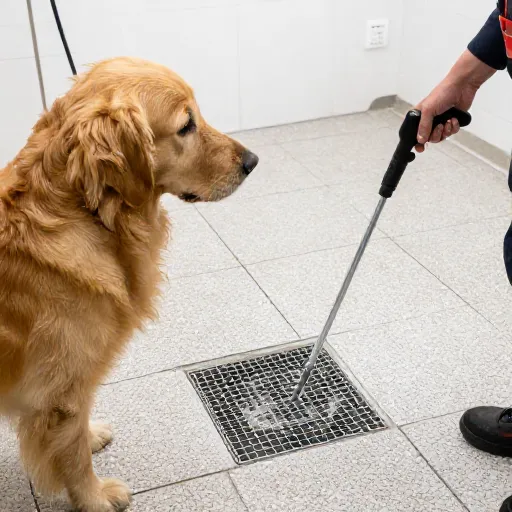
The quickest way to clog a drain is dog hair. A standard mesh strainer will clog in seconds. You need a hair catcher with a large surface area, like a basket-style strainer that sits over the drain.
Look for one that sits flush with the floor. You’ll be scrubbing it out after every wash. Buy two so you can swap them out and let one dry while the other is in use.
Pro tip: wipe the drain cover with a dryer sheet before washing. The anti-static properties help prevent the fur from sticking and make it easier to rinse away. It’s a weird trick, but it works.
8. Build a Drying Station Nook
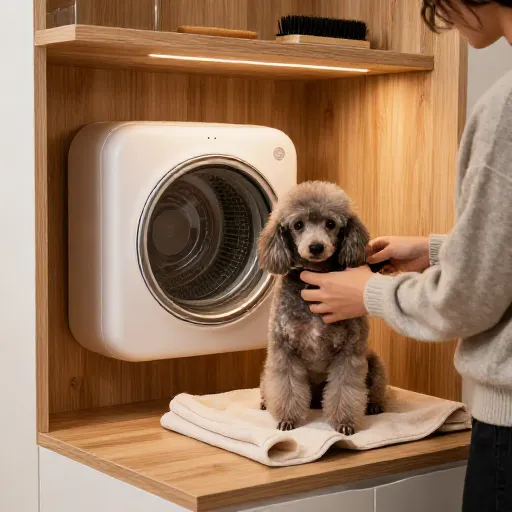
After the wash, your dog will want to shake. Give them a designated spot to do it. A recessed nook with a drain in the floor is perfect. It keeps the water contained and prevents a trail of wet paw prints through the kitchen.
Install a wall-mounted dog dryer in this nook. These are high-velocity dryers that blast water off the coat in minutes. They’re much more powerful than a human hairdryer and cut drying time in half.
Add a low-voltage heat lamp above the nook. It keeps your pup warm while they dry and helps evaporate the moisture from their undercoat. Just make sure it’s out of reach of a wagging tail.
9. The Retractable Hose Faucet
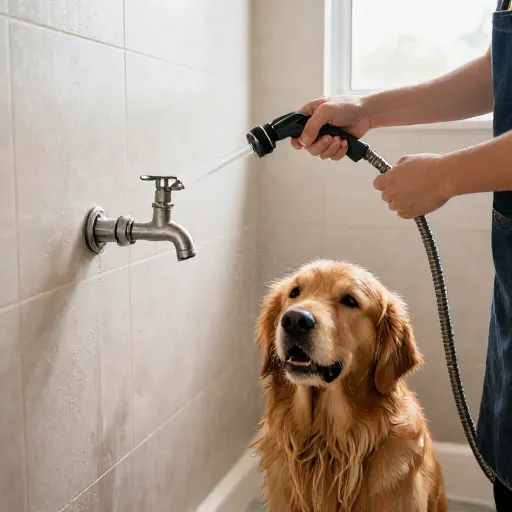
Kitchen-style faucets are great, but they pull forward. For a dog wash, you want a faucet that pulls down and has a long reach. A commercial-style spring hose is the best choice.
Mount the faucet on the wall at chest height. This keeps the controls out of the way and lets the hose reach down into the tub. You don’t want to be reaching over a wet dog to turn the water off.
Look for a faucet with a foot pedal or a touch sensor. This is a premium feature, but it’s amazing when you have soapy hands and a squirming dog. Just tap the faucet with your elbow to turn the water on and off.
10. Use a Solid Surface Countertop
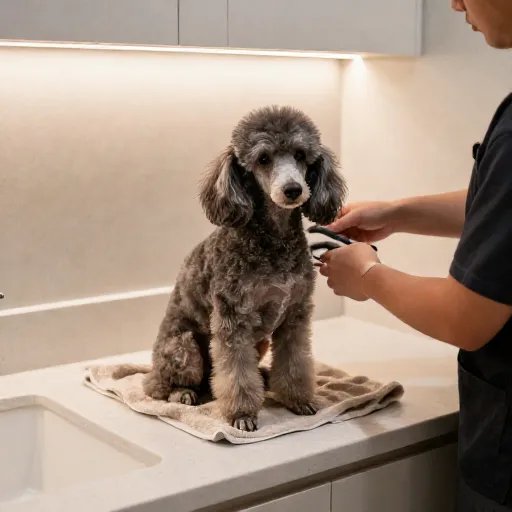
If you’re building a custom wash station, the countertop material matters. Avoid granite or marble with natural pits. You want a solid surface like Corian or a quartz composite that has no pores.
This gives you a seamless area where you can lay out your towels, brushes, and shampoo. Spills wipe right off. There’s no grout or seams for grime to hide in.
Extend the countertop over the tub by a few inches. This gives you a ledge to rest the sprayer on and creates a barrier that catches some of the splashes. It’s a small detail that makes a big difference.
11. Install a Towel Warmer
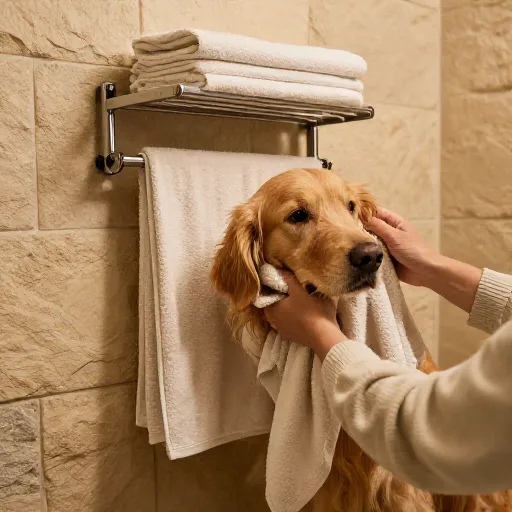
This sounds like a spa luxury, but it’s actually practical. A warm towel after a bath helps a dog dry faster because they don’t shiver. Shivering just makes them tense up and shake more.
Mount a towel warmer rack on the wall near the wash station. The heated bars dry the towels quickly between dogs and keep them toasty warm. It’s also a great place to hang a wet leash or a muddy vest.
Choose a hardwired model instead of a plug-in. It looks cleaner and you don’t have to worry about a cord near the water source. The heat also helps keep that corner of the mudroom free of mildew.
12. The Grooming Loop and Safety Tether
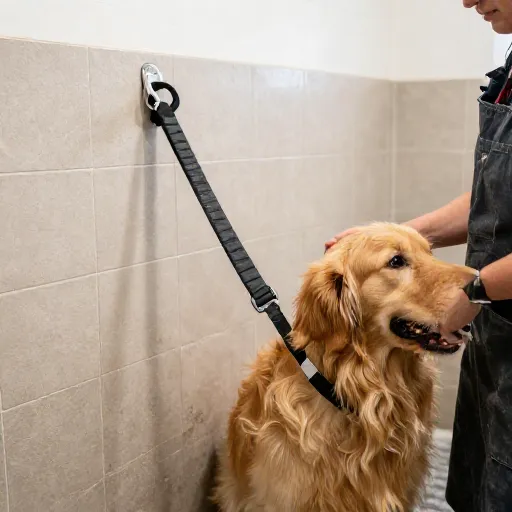
Don’t rely on a collar that can slip off. Install a fixed grooming loop—a nylon strap with a quick-release buckle—that attaches to the wall or the tub. This keeps your dog secure without choking them.
The loop should be short enough to keep your dog close to the wall but long enough for them to sit or stand comfortably. This prevents them from jumping out mid-wash. It’s a simple safety feature that prevents accidents.
For extra-large breeds, consider a wall-mounted tie-down that clips to a harness. This distributes the pressure more evenly than a collar and gives you better control. It’s a must-have for dogs that are nervous in the water.
Conclusion
Building a mudroom dog wash doesn’t have to be a complicated renovation. Whether you go all-in with a walk-in shower or just add a hidden pull-out drawer, the goal is to make cleanup easier for you and less stressful for your dog. Start with the basics—good drainage, a handheld sprayer, and a non-slip surface—and build up from there.
Remember, the best dog wash is the one that gets used. If it’s a hassle, you’ll skip it and let the mud dry on the floor. But if it’s a smooth, warm, and forgiving space, it becomes a habit. Your floors, your back, and your best friend will all thank you.
FAQ
Do I need a special drain for a dog wash?
Yes, you should use a drain with a hair-catching basket or a linear drain with a removable filter. Standard floor drains will clog quickly with fur. A large-capacity hair catcher is much easier to clean out after each use.
Can I build a dog wash without a mudroom?
Absolutely. You can install a compact wash station in a garage, a laundry room, or even a large closet. The key is having access to a water supply and a drain. A utility sink with a handheld sprayer is a great low-cost alternative.
What is the best flooring for a mudroom dog wash?
Porcelain tile with a matte or textured finish is the best choice. It’s durable, waterproof, and provides good traction. Avoid smooth polished stone or vinyl that becomes slippery when wet. Always add a rubber mat inside the tub for extra grip.
How do I stop my dog from shaking water everywhere?
Keep a towel within reach and wrap it around your dog immediately after the rinse before they have a chance to shake. You can also teach a “shake” command where they only shake when you say so. A drying nook with a drain also helps contain the mess.
Is a heated dog wash worth the extra cost?
Yes, if your climate is cold. A warm water supply and a heated drying area make the experience much more pleasant for your dog. A comfortable dog is a cooperative dog. If you’re on a budget, a simple towel warmer is a huge improvement.