11 Gorgeous Dog Grooming Salon Design Ideas That Clients Will Love
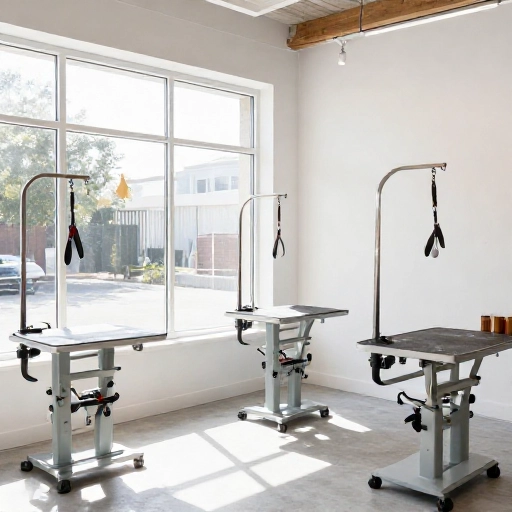
Walking into a dog grooming salon should feel like stepping into a spa—for both the pups and their humans. I’ve seen so many salons that focus only on function, but honestly, the design is what makes people pull out their phones and take photos. That’s free marketing, by the way!
Whether you’re building from scratch or giving your current space a refresh, these 11 design ideas will help you create a space that feels calm, clean, and seriously photogenic. Trust me, when the space looks good, the dogs feel good, and the owners keep coming back.
1. Open-Concept Grooming Stations with a View
Gone are the days of hiding dogs in the back room. Open-concept grooming stations let pet parents watch their fur babies get pampered, which builds trust and reduces anxiety for everyone involved.
Position your tubs and tables so they face a window or the waiting area. Use glass partitions instead of solid walls to keep the space airy while still managing noise and flying fur.
Add a low counter or bench near the viewing area so owners can sit comfortably while they watch. It’s a simple touch that makes a huge difference in how the space feels.
2. Calming Color Palettes (Think Spa, Not Circus)
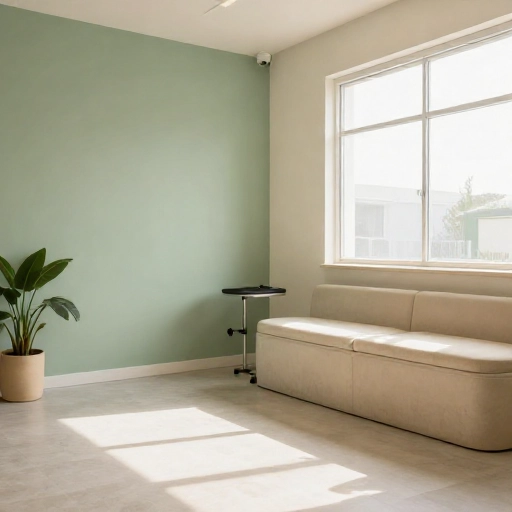
I know we love bright colors, but neon walls actually overstimulate dogs. Instead, think soft sage greens, warm beiges, and muted blues. These shades mimic nature and help keep pups in a relaxed state.
Use one bold accent wall for a pop of personality, like a terracotta or dusty rose, and keep the rest of the space neutral. This makes your equipment and the dogs themselves stand out.
Match your towels and aprons to the palette for a cohesive, professional look. It’s the little details that make a salon feel expensive.
3. Industrial Lighting with Warm Bulbs
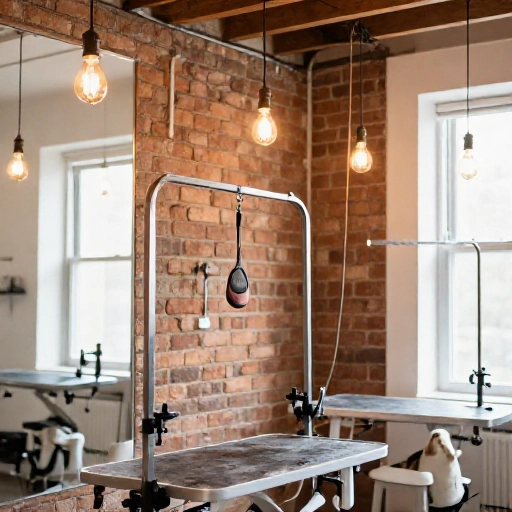
Lighting is everything in a grooming salon. You need bright, shadow-free light to see the coat clearly, but harsh overhead fluorescents make dogs (and humans) feel tense.
Install adjustable track lighting or pendant lamps directly over each grooming table. Choose bulbs with a warm temperature (2700K–3000K) to soften the look without sacrificing visibility.
Add dimmer switches for the “quiet hours” or for anxious dogs who need a calmer environment. Being able to change the mood instantly is a game-changer.
4. Living Plant Walls for Fresh Air
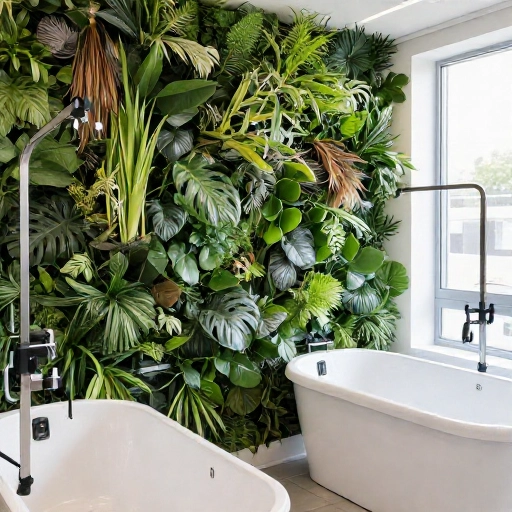
Bringing the outdoors inside isn’t just pretty—it’s practical. Plants help filter the air and absorb some of the odors that come with the job. A vertical garden or moss wall is the ultimate statement piece.
Choose pet-safe plants like Boston ferns, spider plants, or bamboo palms. Avoid anything toxic like lilies or aloe vera.
If you don’t have a green thumb, go for high-quality faux greenery. The visual effect is the same, and you won’t have to worry about dogs knocking over pots.
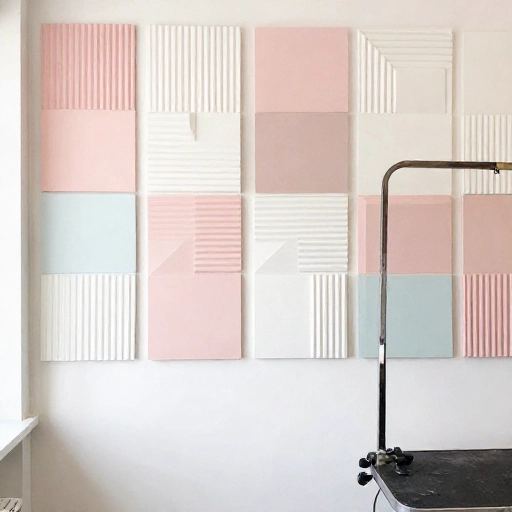
5. Acoustic Panels That Look Like Art
Let’s be real—dryers and barking are loud. Hard surfaces bounce sound around and make everything feel chaotic. Acoustic panels are a lifesaver, but they don’t have to be ugly.
Look for fabric-wrapped panels in fun shapes (hexagons, waves) or custom-printed panels with botanical prints. You can arrange them in a gallery wall style that doubles as decor.
Place the panels strategically near the drying stations and the bathing area where noise is highest. Your ears will thank you at the end of the day.
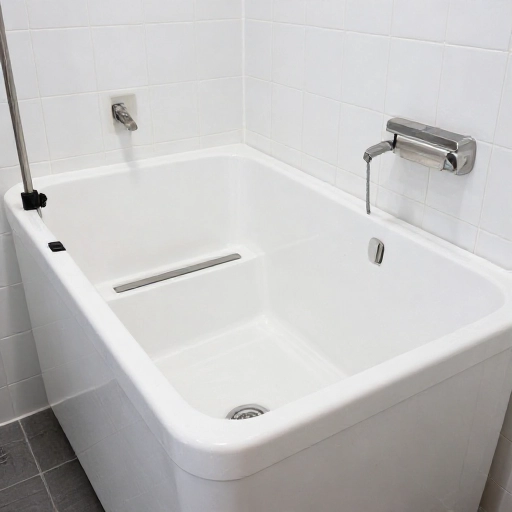
6. Raised Bathing Tubs with Built-In Steps
Your back will thank you for this one. Raised tubs (around 36 inches high) reduce bending and strain, but they can be intimidating for small or senior dogs. The solution is built-in steps or a small ramp.
Design the steps with a non-slip surface and a side rail so dogs can walk up confidently. This is a huge selling point for owners of small breeds.
Add a handheld showerhead with a long hose and a warm water mixing valve—both are functional and make the space feel more like a high-end spa.
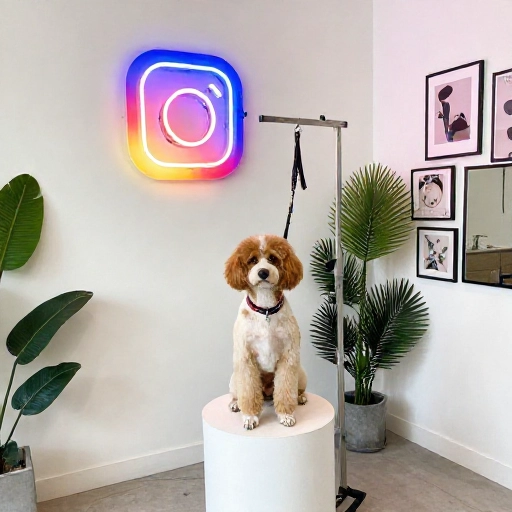
7. Instagram-Worthy “Selfie Corner”
Every salon needs a spot designed for photos. A simple wall with a fun backdrop (like a tropical print or a neon sign that says “Good Dog”) gives owners a reason to tag your business.
Add a cute stool or a small step ladder covered in faux fur. Keep a basket of props nearby—bandanas, bow ties, sunglasses—for the full experience.
Make sure the lighting in this corner is flattering. A ring light on a stand is a cheap investment that pays off in user-generated content.
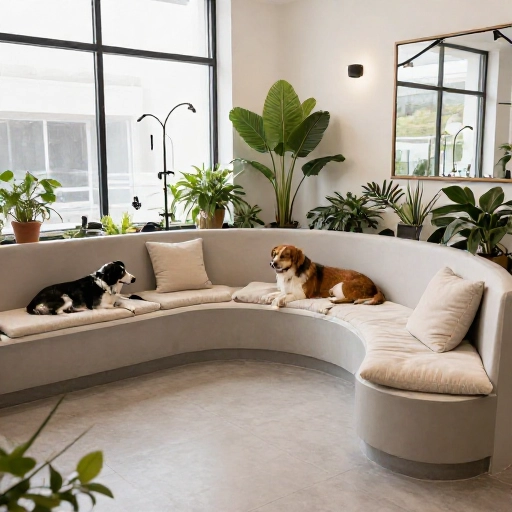
8. Crate-Free Waiting Area with Curved Seating
Waiting areas are often an afterthought, but they set the tone for the whole visit. Skip the rows of plastic chairs and go for a lounge-style setup with curved benches or a built-in banquette.
Curved seating encourages conversation between pet parents and feels more welcoming than straight lines. Add cushions that are machine-washable because, well, dogs.
Provide a water station and a treat jar at the check-in counter. It’s a small gesture that makes the wait feel much shorter.
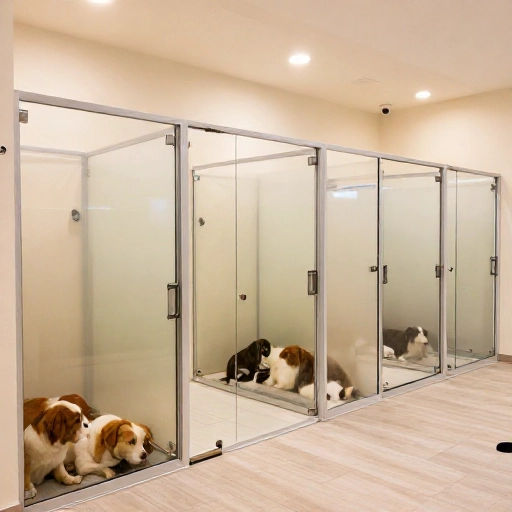
9. Tinted Glass or Dutch Doors for Cageless Boarding
If you offer daycare or boarding, the design of your holding area matters. Instead of metal cages, use custom-built kennels with tinted glass doors. This keeps dogs visible but reduces the “cage” feeling.
Dutch doors (split in half) are another great option. You can close the bottom half while leaving the top open for ventilation and interaction.
Add a cozy bed, a soft light, and a small sound machine inside each kennel. This makes the space feel like a boutique hotel room rather than a kennel.
10. Slip-Resistant Flooring with Drainage Channels
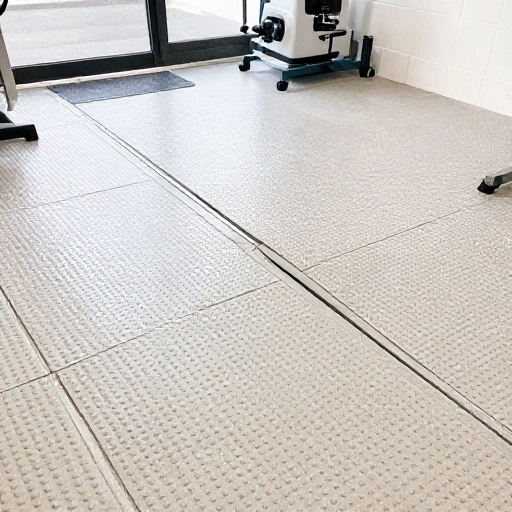
Safety is the most beautiful design feature you can have. Polished concrete or tile looks sleek, but it’s a hazard when wet. Choose slip-resistant rubber flooring or textured porcelain tiles instead.
Install linear drains along the edges of the bathing area so water never pools. This prevents accidents and keeps the space looking spotless.
Use a darker grout color—light grout stains quickly and looks dirty even when it’s clean. Trust me on this one; it’s a detail you’ll appreciate daily.
11. Mobile Grooming Van-Inspired Details
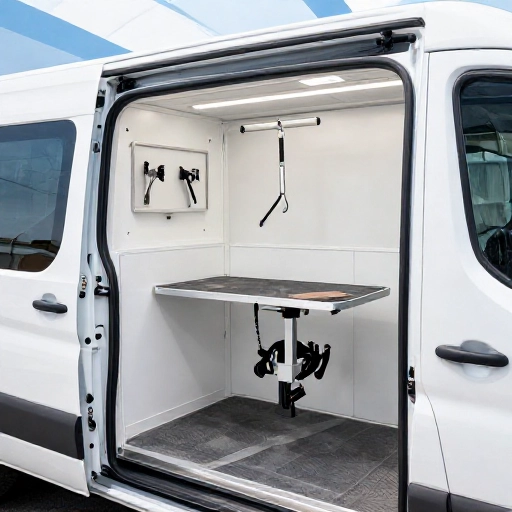
Even if you’re in a fixed location, you can borrow design ideas from the mobile grooming world. These vans are masters of efficient, compact design that you can adapt to your salon.
Install fold-down tables or wall-mounted counters that hide away when not in use. Use vertical storage for leashes, brushes, and grooming loops to keep countertops clear.
Add a small “walk-in” closet for your supplies with a pegboard wall. It keeps everything visible and organized, and it looks intentional and stylish.
Final Thoughts on Salon Design
Designing a dog grooming salon isn’t just about looking pretty—it’s about creating a workflow that keeps you sane and a vibe that keeps clients loyal. I promise you, the effort you put into the environment will come back to you in tips, reviews, and return visits.
Start with one or two of these ideas that fit your budget and space. You don’t have to do everything at once. Small upgrades to lighting or a fresh coat of paint can completely change the energy of your salon.
Frequently Asked Questions
Q1: What is the best flooring for a dog grooming salon?
Slip-resistant rubber flooring or textured porcelain tile is best. Avoid smooth concrete or polished stone because it becomes dangerously slippery when wet. Make sure to include proper drainage to prevent water buildup.
Q2: How can I make my grooming salon smell nice without harsh chemicals?
Invest in good ventilation with a powerful exhaust fan. Use enzyme-based odor eliminators designed for pet messes. You can also use a diffuser with pet-safe essential oils like lavender, but always check that it’s safe for dogs.
Q3: What colors are calming for dogs in a grooming salon?
Muted earth tones like sage green, soft beige, and warm gray are calming. Avoid bright reds or loud yellows, which can increase anxiety. Blue and green hues are generally the most soothing for canines.
Q4: Do I need separate entrances for dogs and humans?
It’s not mandatory, but it helps if you have a busy salon. A separate entry for dogs with a small “decompression” area can reduce stress for reactive dogs. If that’s not possible, just make sure your main entrance has a vestibule or a gate to prevent escapes.
Q5: How often should I update my salon decor?
Do a minor refresh every 6 months—swap out pillows, change the accent wall color, or add new wall art. A full renovation is only needed every 7–10 years if you maintain your equipment well. Keeping things fresh keeps your photos looking current.