How to Safely Help Your Cat Lose Weight
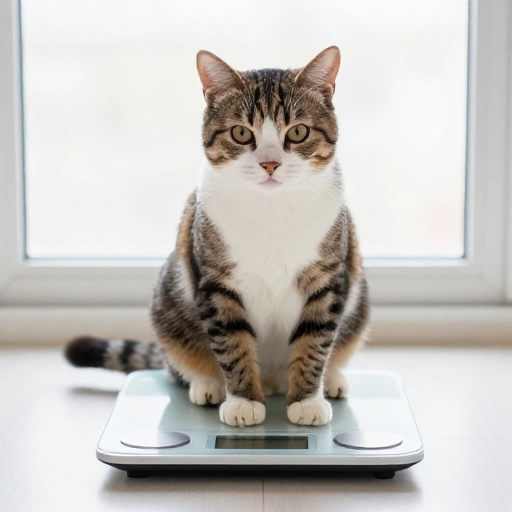
When my own cat started looking a bit rounder, I knew I had to do something. But the thought of putting a cat on a diet made me nervous. I wasn’t sure where to start or how to do it without making her miserable. If you are in the same boat, I completely understand.
The good news is that helping your cat lose weight can be gentle, gradual, and even fun. It’s not about starvation or sudden changes. It’s about small, loving adjustments that respect your cat’s natural instincts. Let me share what I learned along the way.
Remember, the goal is slow and steady weight loss. A cat losing weight too fast can get sick. Always check with your vet first to rule out medical issues and get a target weight.
Start With a Vet Visit
Before you change anything, book a checkup. Your vet will weigh your cat and tell you an ideal weight. They can also check for thyroid problems or other health issues that might cause weight gain.
Ask for a calorie estimate. Every cat is different. A ten-pound cat might need around 200 calories a day, but that’s just a starting point. Your vet can give you a number that fits your cat’s age, activity level, and breed.
This first step is the safest way to begin. You’ll feel confident knowing you have a plan that is backed by professional advice.

Measure Every Single Meal
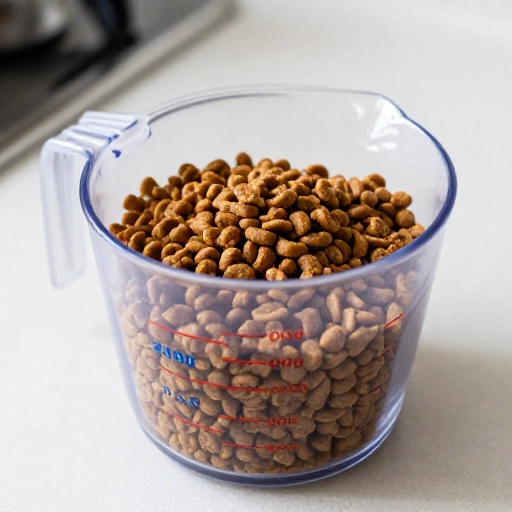
Guessing portions is the fastest way to overfeed. I used to fill my cat’s bowl with a generous scoop, thinking it looked about right. I was shocked when I actually measured it. I was giving her almost double what she needed.
Use a kitchen scale or a measuring cup designed for pet food. Check the bag for the recommended serving size, but adjust based on your vet’s advice. Write the portion on a sticky note and keep it near the food bin.
Stick to the measurement. No extra nibbles, no “just a little more” because she gives you those big eyes. Consistency is key.
Switch to Scheduled Meals
Free feeding, where food is always available, makes it nearly impossible to control calories. I know it’s convenient, but it doesn’t help with weight loss. Cats tend to graze, and that usually means overeating.
Start by offering two or three small meals per day at set times. Leave the food down for twenty minutes, then pick it up. Your cat will learn that mealtime is a special event.
This routine also helps you notice changes in appetite. If your cat skips a meal, you will know right away. Scheduled feeding mimics natural hunting rhythms and keeps your cat engaged.
Ditch the Dry Food Crutch
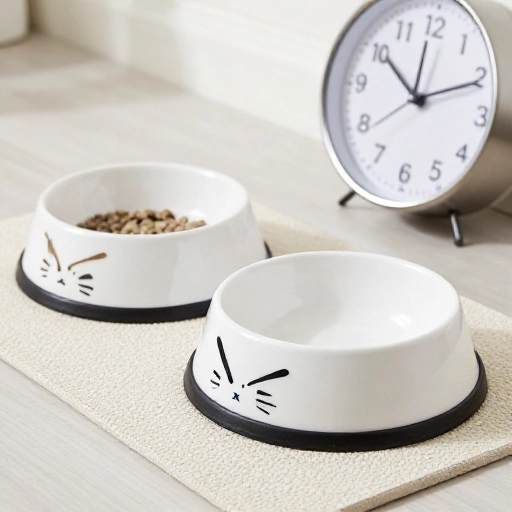
Many dry foods are high in carbs and calories. They are also less satisfying for cats. Wet food has more water, which helps your cat feel full with fewer calories.
Try gradually replacing some of the dry kibble with high-quality canned food. Even mixing a spoonful of wet food into the dry can make a difference. The extra moisture is great for kidney health too.
Read the labels. Look for food with real meat as the first ingredient and low carbohydrate content. You might be surprised how much leaner your cat looks on a wet food diet.
Make Mealtime a Puzzle
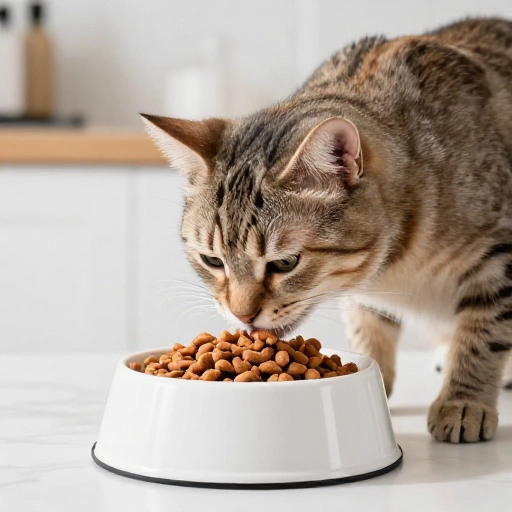
Instead of serving food in a plain bowl, try a puzzle feeder or a treat ball. These toys make your cat work for her food, which slows down eating and adds mental stimulation.
You can start simple. Scatter a few kibbles on a flat mat or inside a cardboard box. Let your cat sniff and search. This taps into her natural hunting instinct and burns a few extra calories.
Puzzle feeding turns a boring meal into a fun game. It also prevents your cat from gobbling food too fast, which can lead to vomiting or bloating.
Add Playtime to the Daily Routine
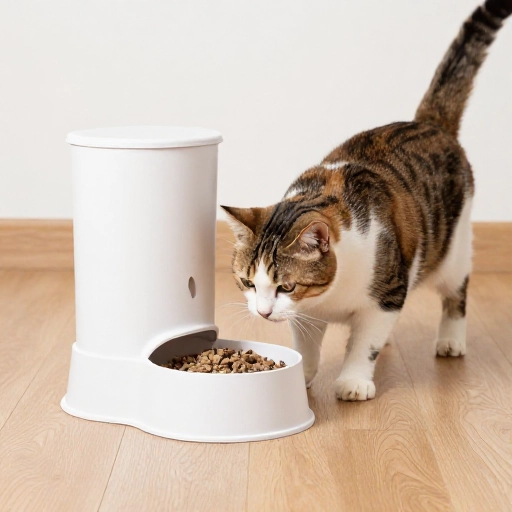
Weight loss isn’t just about food. Movement matters too. But you don’t need a treadmill. Simple play sessions with a wand toy or a laser pointer work wonders.
Aim for two short sessions a day, five to ten minutes each. Morning and evening are usually good times. Let your cat chase, pounce, and jump. The goal is to get her heart pumping.
Be patient. Some cats take a while to get interested. Try different toys. A crinkly ball, a feather on a string, or even a crumpled piece of paper can spark curiosity. The key is to make it playful, not stressful.
Create a Climbing Wonderland
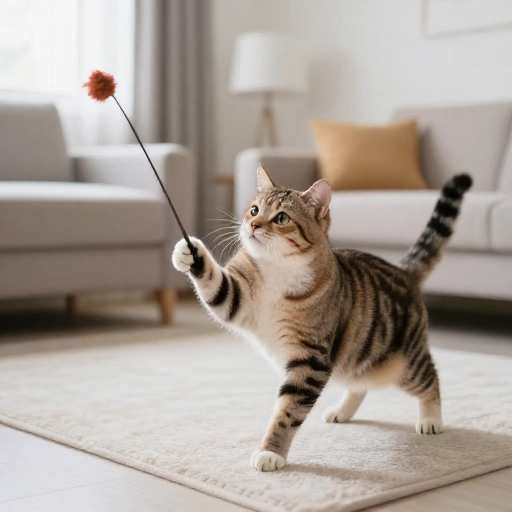
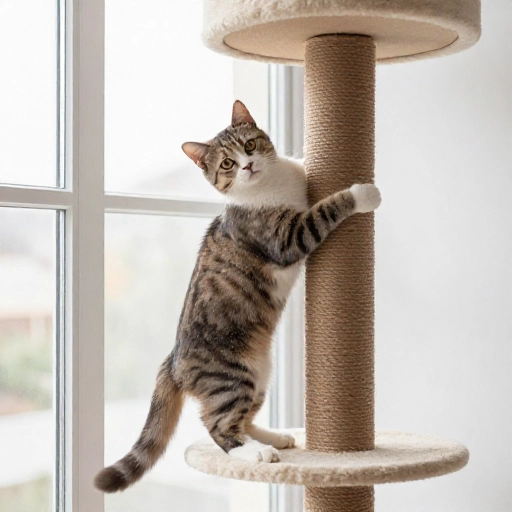
Cats are natural climbers. Giving them vertical space encourages movement without you having to do anything. A cat tree, wall shelves, or even a sturdy bookshelf can become a personal gym.
Place treats or toys on higher levels to motivate your cat. She will burn calories just by going up and down. Plus, climbing reduces boredom, which often leads to overeating.
If you don’t have a cat tree, use what you have. A tall scratching post or a window perch can work. The more places your cat can explore, the more she will move.
Limit Treats to Training Only
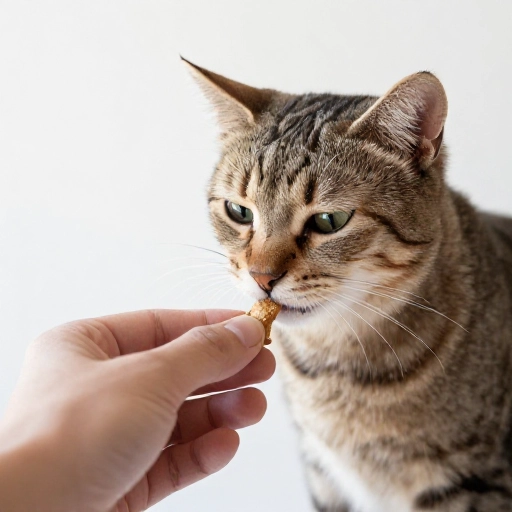
Treats are little calorie bombs. A single treat can contain ten to twenty calories. For a small cat, that is a lot. I used to give treats just because she looked cute, but I had to stop.
Save treats for positive reinforcement during training or play. Use tiny pieces. Break a treat into four parts if needed. Or try freeze-dried meat treats, which have fewer fillers.
Better yet, use a portion of her regular kibble as a treat. That way, you aren’t adding extra calories. She will still feel rewarded, and you won’t feel guilty.
Track Progress With Weekly Weigh-Ins
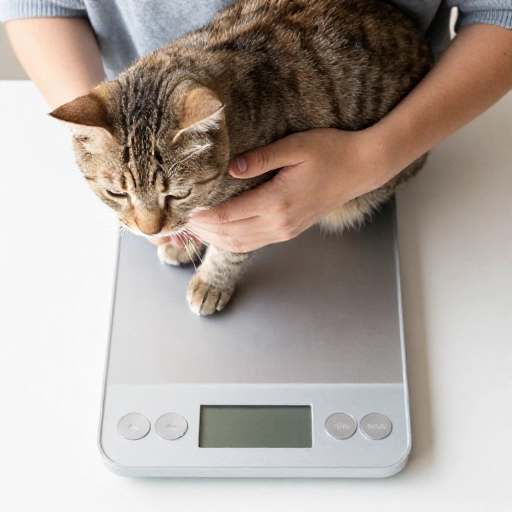
You cannot manage what you do not measure. Weigh your cat once a week, on the same day and at the same time. Use a baby scale or a kitchen scale if your cat is small enough.
If she doesn’t like the scale, weigh yourself first, then hold her and subtract your weight. Write down the number in a notebook. Watching the number go down slowly is very motivating.
Don’t expect rapid changes. A healthy loss is about one to two percent of body weight per week. Celebrate small victories and stay patient. Slow loss is safe loss.
Keep the Environment Calm and Consistent
Stress can cause weight gain or stall weight loss. Make sure your cat has a quiet, safe space where she can relax. Reduce loud noises, sudden changes, and competition with other pets.
Stick to the same feeding times and play routines. Cats thrive on predictability. When the environment feels stable, your cat will be less likely to eat out of anxiety.
Give her plenty of affection and attention that doesn’t involve food. A chin scratch or a gentle brushing can be just as rewarding as a treat. Your love is the best motivation.
Conclusion
Helping your cat lose weight is a journey, not a race. It takes patience, consistency, and a lot of love. But seeing your cat become more active, playful, and healthy makes every small effort worth it. You are giving her the gift of a longer, happier life.
Start with one change today. Measure her food or add a five-minute play session. Little steps add up. Trust the process, and don’t forget to celebrate every milestone together.
Frequently Asked Questions
How fast should my cat lose weight?
A safe rate is about one percent of body weight per week. For a ten-pound cat, that is roughly 1.5 ounces per week. Anything faster can be dangerous. Always follow your vet’s guidance.
Can I just feed my cat less food?
Cutting food too much can lead to nutritional deficiencies. It’s better to switch to a high-protein, low-carb diet and measure portions carefully. Reducing calories gradually is safer than sudden restriction.
What if my cat begs for food constantly?
Begging is often a sign of boredom, not hunger. Try adding more playtime, puzzle feeders, or attention. If the begging continues, check with your vet to rule out medical issues like hyperthyroidism.
Should I use a diet cat food?
Some veterinary diet foods are formulated for weight loss and can help. But often, simply switching to high-quality wet food and controlling portions works well. Ask your vet for a recommendation based on your cat’s specific needs.
What if my cat loses weight too fast?
Stop the diet immediately and contact your vet. Rapid weight loss in cats can cause a serious condition called hepatic lipidosis. Slow and steady is the only safe way. Your vet can help you adjust the plan.