How to Stop Your Dog from Jumping on Other People
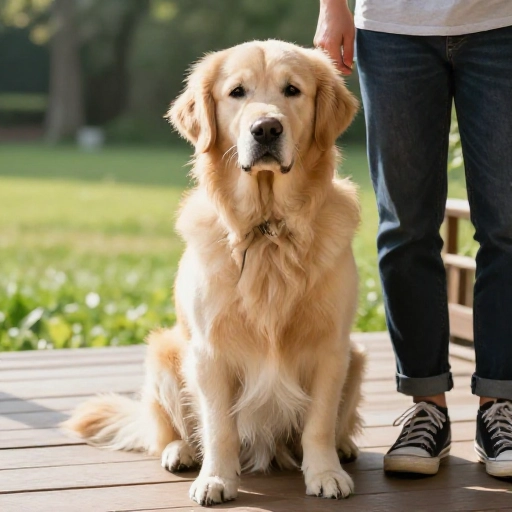
You know the scene. You open the front door, and suddenly your dog is a four-legged rocket aimed straight at your guest. It’s usually a happy jump, not an aggressive one, but it still leaves muddy paw prints on a nice coat or a toddler in tears. I’ve been there more times than I can count. It feels embarrassing, but the good news is you can absolutely fix it.
Jumping is often just a dog’s way of saying “hi!” or asking for attention. They aren’t trying to be rude. They just don’t know the polite way to greet people yet. The secret isn’t punishment or yelling. It’s about teaching your dog a better habit. One that doesn’t involve launching themselves at someone.
This is a practical guide. I’ll share the steps that actually worked for my own bouncy pup. You don’t need to be a professional trainer. You just need patience, a few treats, and this plan. Let’s get those paws back on the ground.
1. Teach a Strong “Sit” at Home First
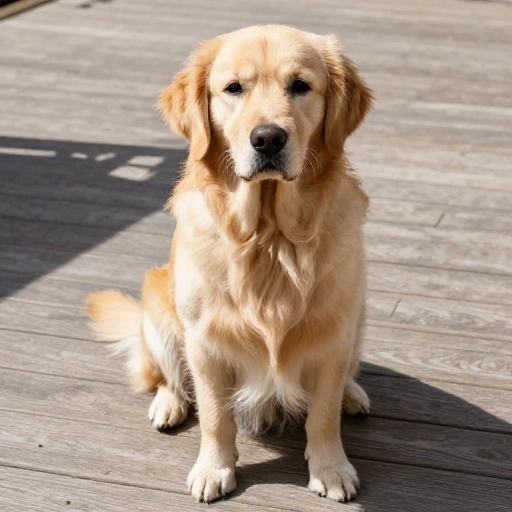
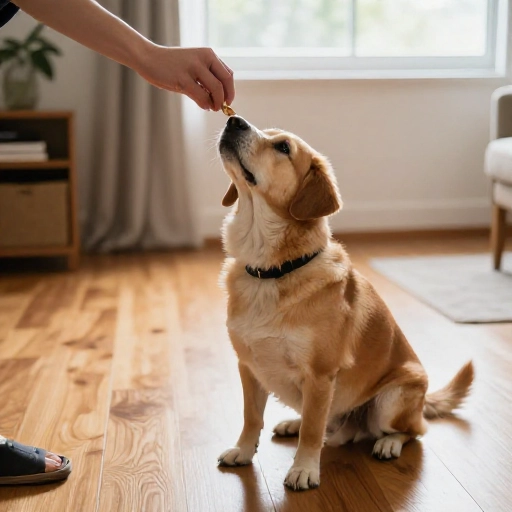
Before you can fix jumping on strangers, your dog needs to know what you want them to do instead. “Sit” is your magic word. A dog can’t jump and sit at the same time. It’s physically impossible.
Start inside your house with zero distractions. Have your dog sit for everything they want. The dinner bowl. A toy. A pat on the head. Make sitting their automatic “please” button.
- Practice ten times a day for just a minute each time.
- Reward with a tiny, high-value treat the moment their bottom hits the floor.
- Say “yes!” the instant they sit, then give the treat.
Once they sit like a pro inside, move to the backyard. Then try with one calm family member. Build that foundation slowly. It pays off big time.
2. Use the “Four on the Floor” Rule
This is a simple rule for your whole household. Your dog gets zero attention when their paws leave the ground. I mean zero. No eye contact, no talking, no pushing them off. Nothing.
When your dog jumps up, you turn into a statue. Cross your arms, look at the ceiling, and wait. The moment all four paws touch the floor, you come back to life. Give them calm praise and a treat.
- Be consistent. Every single person in the house must follow this rule.
- If you give attention even once for jumping, you set back your training.
- This teaches your dog that jumping makes you boring. Keeping feet on the floor makes you fun.
It feels weird at first. Standing still while a dog bounces on you is hard. But stick with it. Your dog will start offering sits because they want your attention.
3. Practice with a Fake Guest
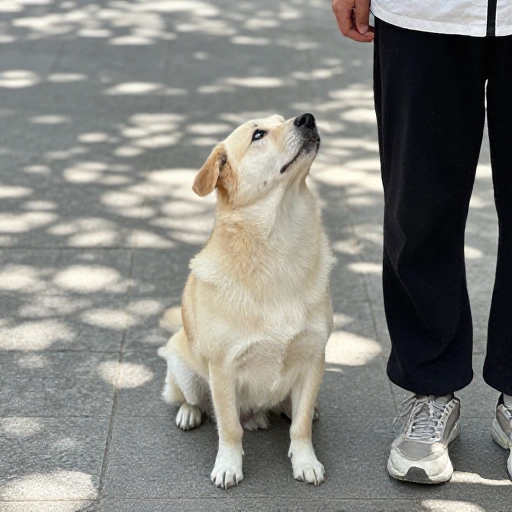
You cannot teach this skill only when real visitors show up. You need practice runs. Ask a friend or family member to be your “fake guest.” This takes the pressure off you.
Have your dog on a leash. Ask your helper to approach the door. The instant your dog starts to get excited, ask for a sit. If they stay seated, the guest walks in and gives a calm treat. If your dog jumps, the guest turns and walks away.
- Repeat this ten times in one session.
- It teaches your dog that jumping makes the nice person leave. Sitting makes them come closer.
- Use a calm, happy voice. No scolding needed.
After a few practice sessions, your dog will start to anticipate the sit when the doorbell rings. That’s the lightbulb moment you’re aiming for.
4. Manage the Front Door Chaos
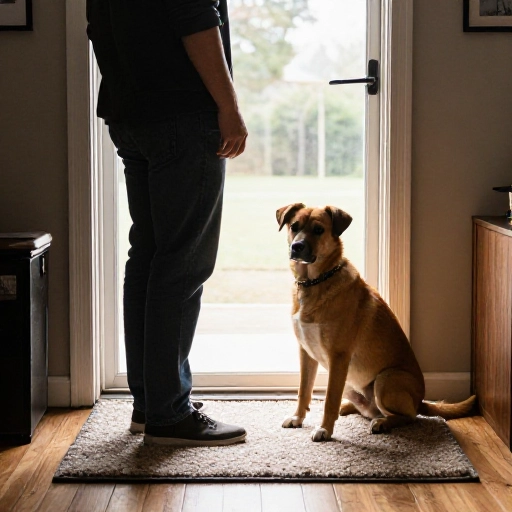
Management is not cheating. It’s smart training. Until your dog has perfect manners, set them up for success. Don’t leave them loose by the door when a guest arrives.
I use a baby gate or a simple tether. Before I open the door, I put my dog behind a gate in another room. I greet my guest calmly. Then, when everyone is settled, I release my dog for a proper greeting.
- Use a crate or a mat in a corner away from the door.
- Keep a leash by the door so you can clip it on before guests enter.
- This prevents your dog from rehearsing the jumping habit.
Think of it like this. Every time your dog successfully jumps, the habit gets stronger. Management stops that from happening while you teach the new skill.
5. Teach a “Go to Your Mat” Cue
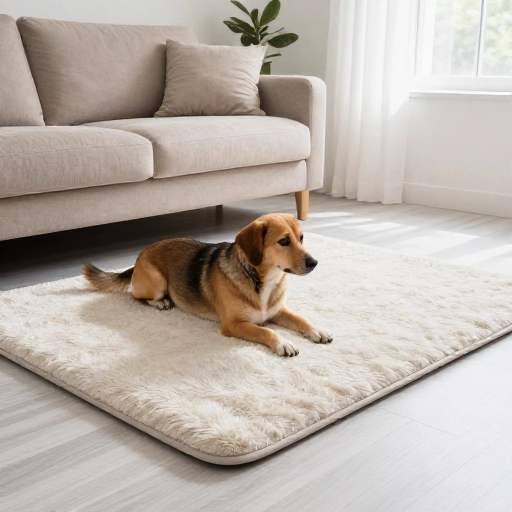
This is my personal favorite trick. It gives your dog a specific job when people arrive. Instead of rushing the door, they go to their mat and wait. It’s calm and impressive.
Start by teaching your dog to lie on a mat for treats. Toss a treat on the mat. When they step on it, say “yes” and reward. Gradually ask them to stay on the mat for longer periods.
- Build up to having them stay on the mat while you walk to the door and back.
- Then, have them stay while a friend walks in.
- Reward them for staying on the mat, not for leaving it to greet.
Once your dog reliably runs to their mat when you say “go to your spot,” you have a powerful tool. It redirects their excitement energy into a calm behavior.
6. Reward the Calm, Ignore the Bounce
Your attention is the most valuable currency in your dog’s world. Use it wisely. Most people accidentally reward jumping by yelling or pushing. To a dog, any attention is good attention.
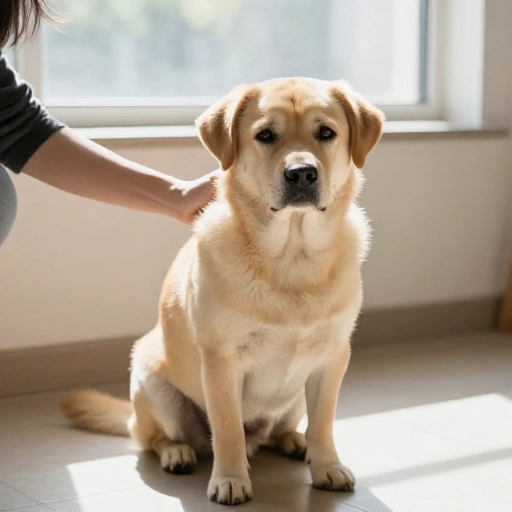
Instead, I want you to become a ninja at rewarding calmness. The moment your dog is sitting quietly or has all four feet on the floor near a guest, drop a treat. Do it casually, without making a big deal.
- Keep treats in a pocket or a bowl near the door.
- Reward any moment of calm, even if it only lasts two seconds.
- Gradually increase the time they need to stay calm before getting a treat.
This is called “capturing calm.” It trains your dog that being chill around visitors is the fastest way to get good things. Jumping gets them nothing.
7. Ask Guests to Help You Train
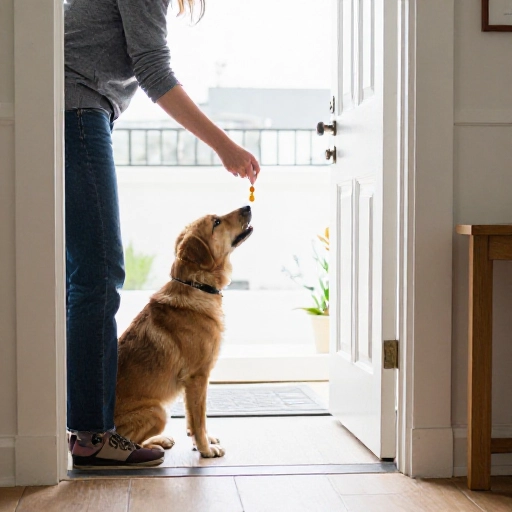
Your dog needs to learn that this rule applies to every person, not just you. So you have to prep your guests. Most people will instinctively pet a jumping dog. That’s the exact opposite of what you need.
When a guest arrives, say this: “Please ignore him until all four paws are on the floor. Then you can pet him.” Most people are happy to help once they understand.
- If your guest can’t follow instructions, put your dog on a leash.
- Tell guests to turn their back if your dog jumps.
- Have guests drop treats on the floor for a calm sit.
It feels awkward at first, but it works. Your dog learns that jumping makes people turn into boring statues. Sitting makes people turn into treat dispensers.
8. Practice on Walks with Strangers
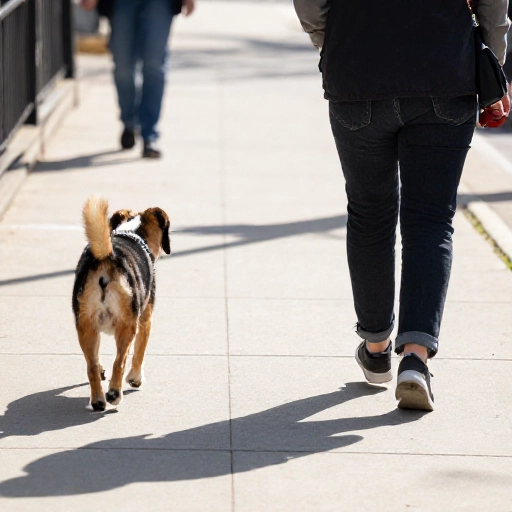
Jumping isn’t just a door problem. Some dogs jump on people they meet on walks. The solution is similar, but you have less control. You need to be proactive.
When you see someone approaching, get your dog’s attention. Ask for a sit or a “watch me.” If your dog stays calm as the person passes, reward heavily. If your dog lunges or jumps, create more distance.
- Cross the street if you need to.
- Step behind a parked car to break their focus.
- Use a high-value treat like cheese or chicken.
The goal is to make calm greetings a habit in all situations. Your dog will start to look at you for direction when they see a person, instead of automatically jumping.
9. Don’t Forget the Excitement Factor
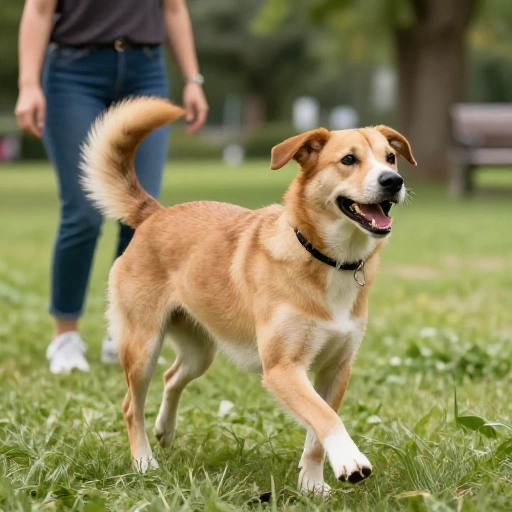
Jumping is often just pure, unfiltered joy. Your dog is thrilled to see someone. You don’t want to squash that joy. You just want to channel it into something more polite.
I learned that trying to make my dog “calm” was the wrong goal. Instead, I let them be excited, but I taught them an outlet for that excitement. A “sit” or “touch my hand” gives them something productive to do with their happy energy.
- Let your dog be happy. Smile and use a happy voice.
- Just redirect their excitement into a sit instead of a jump.
- Excitement is not the enemy. Impulse control is the skill you’re teaching.
Your dog can be bouncing with joy inside, while their bottom stays on the floor. That’s the sweet spot. It’s adorable and polite at the same time.
10. Be Patient and Stay Consistent
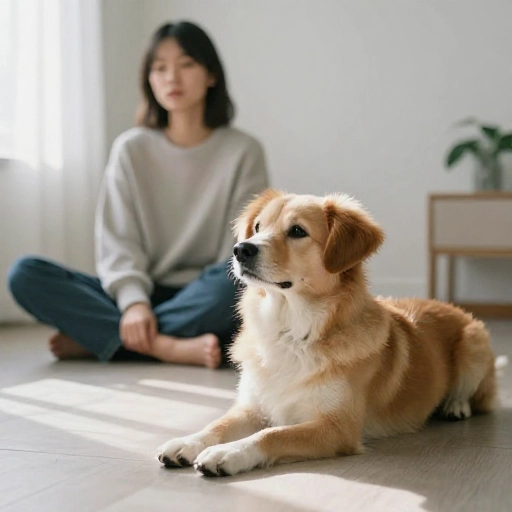
This is the hardest part for me. Progress is not a straight line. Some days your dog will be perfect. The next day they might forget everything and bounce on your mailman. That is normal.
Dogs learn in fits and starts. If you get frustrated, take a deep breath. Go back to basics. Practice the “four on the floor” rule for a few minutes. Your dog isn’t being stubborn. They are just being a dog.
- Celebrate the small wins. A half-second pause before jumping is progress.
- Don’t expect perfection from a puppy. They need months of practice.
- Consistency is more important than intensity. Ten minutes a day works better than one hour once a week.
You can do this. I promise. Your dog wants to please you. They just need you to show them the better way. Keep at it, and soon you’ll have a dog that greets guests like a gentle soul, not a furry cannonball.
Conclusion
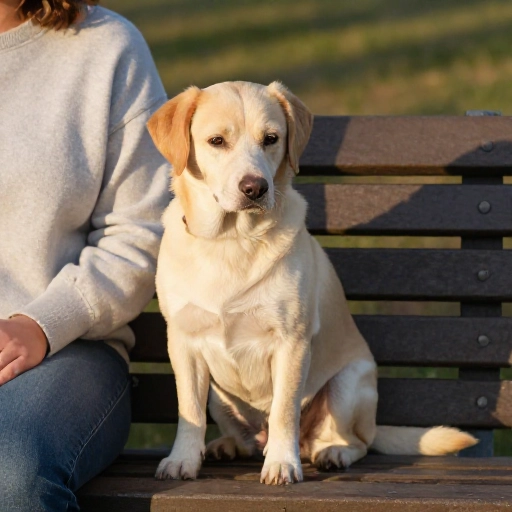
Stopping your dog from jumping isn’t about punishment. It’s about teaching. You are giving your dog a new language for greetings. One that doesn’t involve paws on people. It takes time, practice, and a lot of treats. But the payoff is huge. You get a well-mannered dog, and your guests get a warm welcome without muddy clothes. Start today with one small step. Teach a sit at the door. You will be amazed at how quickly your dog starts to understand.
[[IMG:IMG12]]
Frequently Asked Questions
Why does my dog jump on people?
Most dogs jump to get attention or say hello. It is a natural greeting behavior. They are excited and don’t know a polite way to show it yet. It is rarely aggression.
How long does it take to stop jumping?
It depends on the dog and how consistent you are. Some dogs improve in a week. Others take a month or more. The key is practicing every day and not giving in.
Should I knee my dog when they jump?
No, please don’t. Physical corrections can hurt your dog and damage your bond. They also don’t teach your dog what to do instead. Focus on rewarding the behavior you want.
What if my dog jumps on children?
Manage the situation carefully. Keep your dog on a leash around kids. Teach your dog a solid “sit” and reward calm behavior. Never leave a jumping dog unsupervised with a small child.
Can I use a spray bottle to stop jumping?
I wouldn’t recommend it. Spraying water can scare your dog and create a negative association with guests. Positive training methods are more effective and build trust. Stick with treats and patience.