Homemade Cat Food Recipes Your Senior Cat Will Love
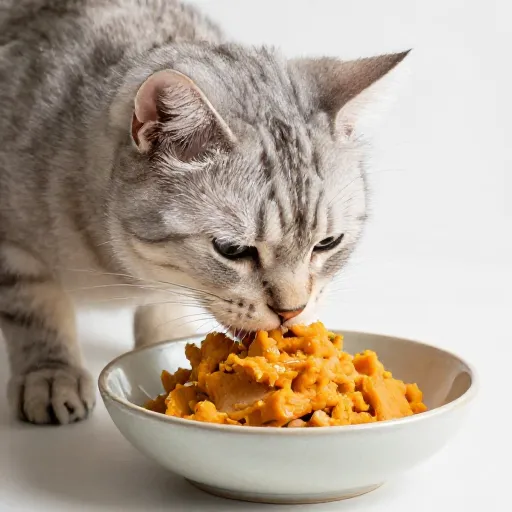
Watching our cats get older is bittersweet. They slow down, sleep more, and sometimes get picky about food. I’ve been there—opening can after can, only to have my senior cat walk away. That’s when I started making my own cat food at home.
Senior cats need special care. They might have dental issues, kidney concerns, or just less energy. Cooking for them lets you control exactly what goes into their bowl. Plus, the smell of fresh food often tempts even the fussiest eaters.
Here are ten simple, delicious recipes that are gentle on aging tummies and packed with nutrients. These are real meals I’ve tested with my own senior cat, and they passed the whisker-licking test every time.
1. Soft Chicken and Pumpkin Mash
This is my go-to recipe when my senior cat acts picky. Chicken is easy to digest, and pumpkin helps with digestion.
Boil a boneless, skinless chicken breast until fully cooked. Shred it into tiny, soft pieces. Mix in two tablespoons of plain canned pumpkin (not pumpkin pie filling). Add a little warm water to make it soft and soupy.
Serve it slightly warm. The smell alone will bring your cat running. This recipe is gentle on teeth and tummies.
2. Salmon and Sweet Potato Bites
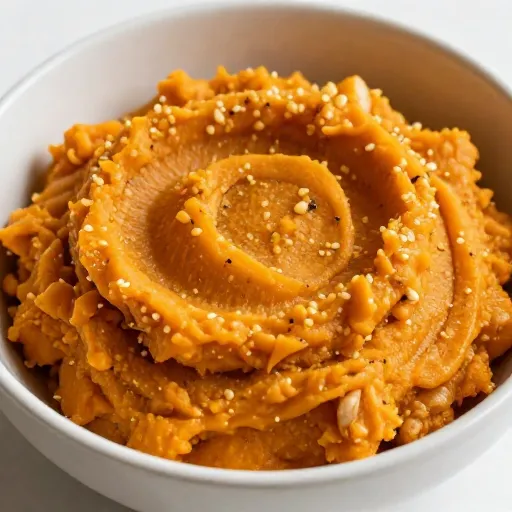
Salmon is full of omega-3 fatty acids, great for senior joints and coat health. Sweet potatoes add fiber and vitamins.
Bake a salmon fillet until flaky (no seasoning!). Mash it well, checking for any tiny bones. Cook a small sweet potato until soft, then mash it smooth. Mix equal parts salmon and sweet potato.
Make small, bite-sized balls. I like to store these in the fridge for easy treats. Your cat will think they’re getting something special.

3. Turkey and Rice Comfort Bowl
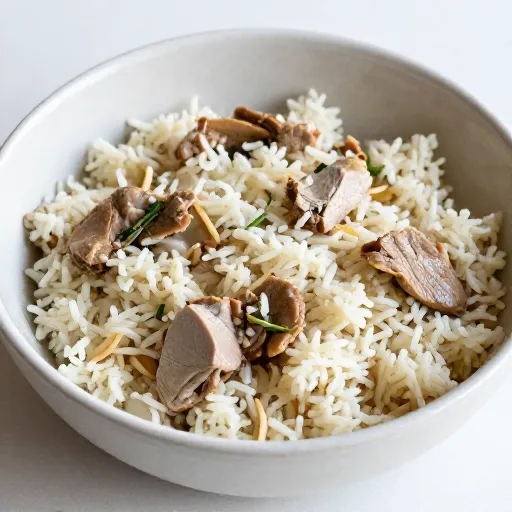
Ground turkey is lean and gentle. White rice is easy on the stomach—perfect for seniors with sensitive digestion.
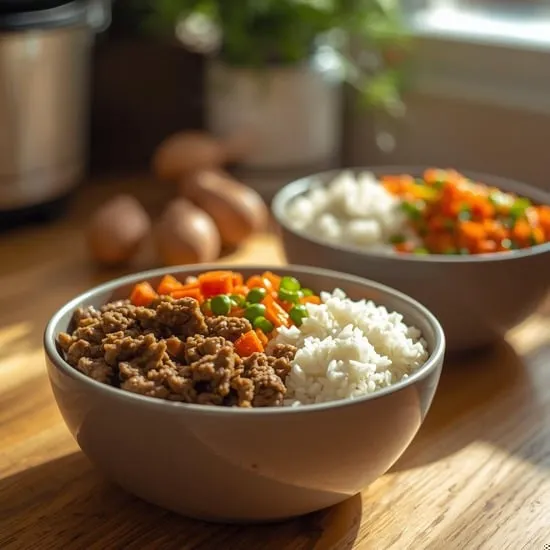
Cook lean ground turkey in a pan with a splash of water until fully done. No oil, no salt. Cook white rice separately until very soft. Mix one part turkey with two parts rice.
Add a tiny bit of the cooking water to make it extra moist. This is a bland but tasty meal that settles well.
4. Egg and Cottage Cheese Scramble
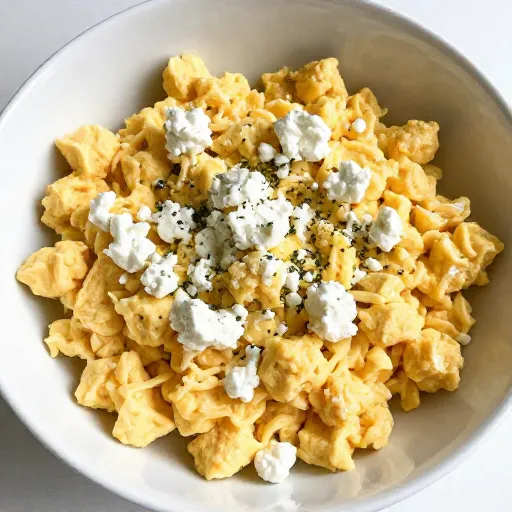
Eggs are a great protein source for older cats. Cottage cheese adds calcium and is soft to eat.
Scramble one egg in a non-stick pan with no butter or oil. Cook until fully set. Let it cool, then chop it into tiny pieces. Mix in a tablespoon of low-fat cottage cheese.
This is a quick breakfast option. I make it when I’m short on time, and my cat always licks the bowl clean.
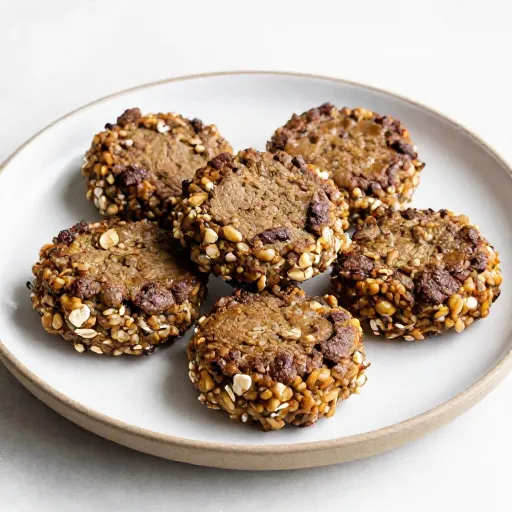
5. Beef Liver and Oatmeal Patties
Liver is nutrient-dense, but a little goes a long way. Oatmeal adds fiber and a soft texture.
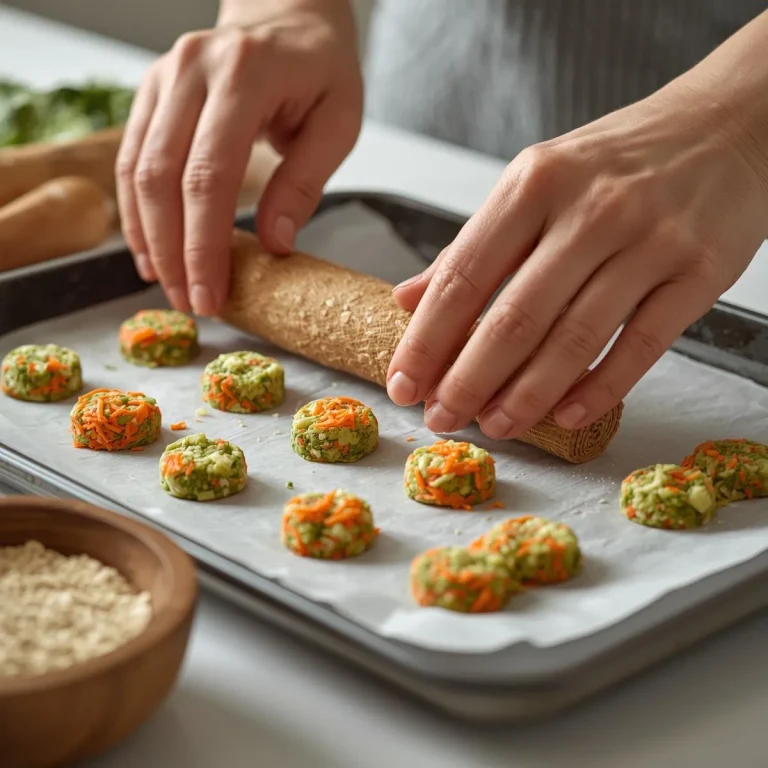
Cook a small piece of beef liver (no seasoning) and chop it very fine. Cook plain oatmeal with water until thick and soft. Mix a tiny amount of liver with a big spoonful of oatmeal.
Shape into small patties. These freeze well. Only give a small patty once or twice a week—liver is rich!
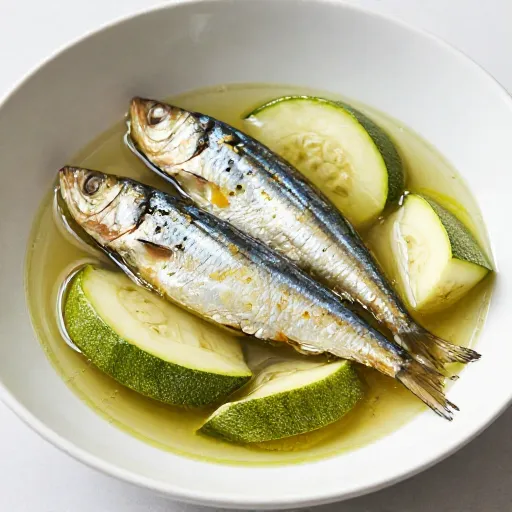
6. Sardine and Zucchini Stew
Sardines are packed with healthy fats and are super soft. Zucchini adds moisture and vitamins.
Mash one sardine (packed in water, no salt added). Steam or boil a few slices of zucchini until very tender. Mash the zucchini and mix with the sardine.
Add a little warm water to create a stew-like consistency. This smells fishy and delicious to cats—they won’t resist.
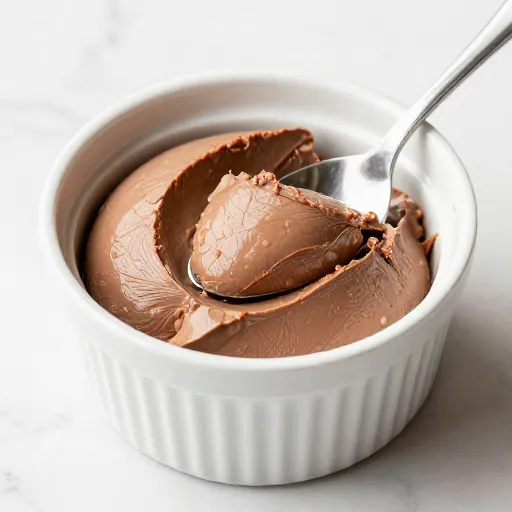
7. Chicken Liver Pâté
Pâté is perfect for senior cats who struggle with chewing. It’s smooth, rich, and full of iron.
Cook chicken livers gently in water until just done. Blend them in a food processor with a little of the cooking water until completely smooth. You can add a tiny pinch of powdered eggshell for calcium.
Spread a thin layer on a plate or spoon-feed it. This is a treat, not a daily meal—liver is potent.
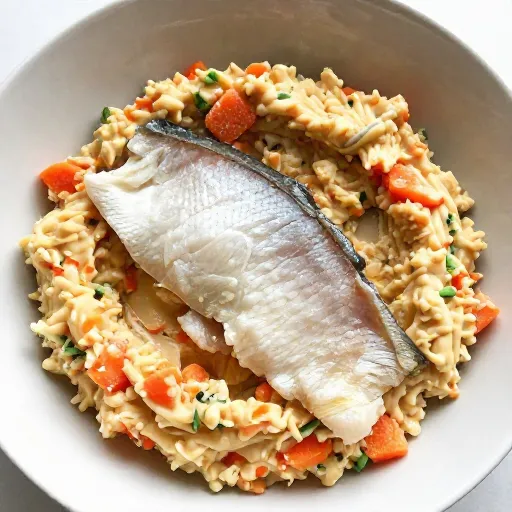
8. White Fish and Carrot Puree
White fish like cod or tilapia is very gentle. Carrots add beta-carotene and a touch of sweetness.
Poach a white fish fillet in water until flaky. Steam a carrot until soft, then puree it. Flake the fish finely and mix with the carrot puree.
Add a little warm water if needed. This is a light, easy-to-eat meal for days when your cat feels low energy.
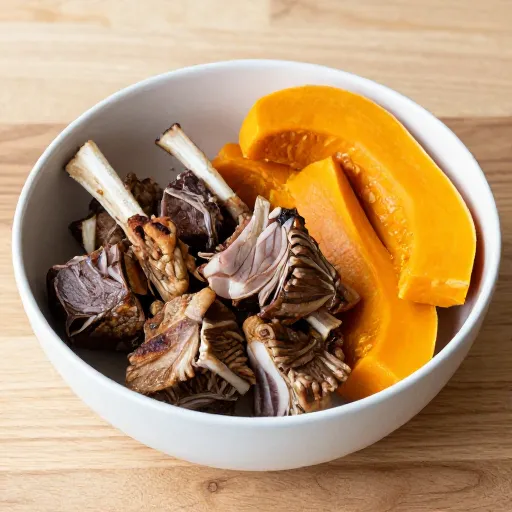
9. Lamb and Butternut Squash Bowl
Lamb is a novel protein, great for cats with allergies. Butternut squash is soft and full of fiber.
Cook ground lamb in a pan with water until done. Roast or steam butternut squash until tender. Mash the squash and mix with the lamb.
Let it cool to room temperature. The sweetness of the squash balances the rich lamb perfectly.
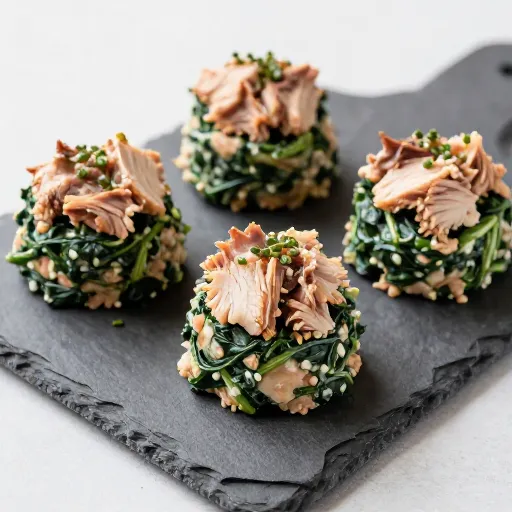
10. Tuna and Spinach Soft Bites
Tuna is a favorite, but use it sparingly. Spinach adds iron and vitamins—just a tiny bit.
Drain a can of tuna in water (no salt). Steam a few spinach leaves until wilted, then chop very fine. Mix a small amount of spinach into the tuna.
Form into tiny, soft balls. This is an occasional treat. Too much tuna isn’t good, but a little makes a happy cat.
Conclusion
Cooking for your senior cat is a way to show love. It doesn’t have to be complicated. Start with one recipe that uses ingredients you already have. Watch how your cat reacts—you’ll see the difference in their energy and happiness.
Always introduce new foods slowly. Check with your vet before making big changes, especially if your cat has health issues. Every cat is different, and you know yours best.
These recipes have made mealtime exciting again for my old friend. I hope they do the same for yours.
Frequently Asked Questions
1. Can senior cats eat raw food?
I prefer cooking for senior cats because their immune systems are weaker. Cooking kills bacteria and makes food easier to digest. Always cook meat thoroughly.
2. How much homemade food should I feed my senior cat?
Start with small portions. A typical senior cat eats about 1/4 to 1/3 cup of food per meal, but it depends on size and activity. Watch their weight and adjust.
3. Do I need to add supplements to homemade cat food?
Homemade diets can miss certain nutrients. I add a cat-safe multivitamin or taurine powder after checking with my vet. Don’t guess—ask a professional.
4. Can I store these recipes in the fridge or freezer?
Yes! Most recipes keep for 3-4 days in the fridge. I freeze portions in ice cube trays for easy single servings. Thaw in the fridge overnight.
5. What if my cat refuses homemade food?
Don’t give up. Mix a tiny amount of homemade food with their usual food. Slowly increase the ratio. Warm the food slightly to boost the smell. Patience works.