Service Dog Training: Avoid These 5 Mistakes Before It’s Too Late!
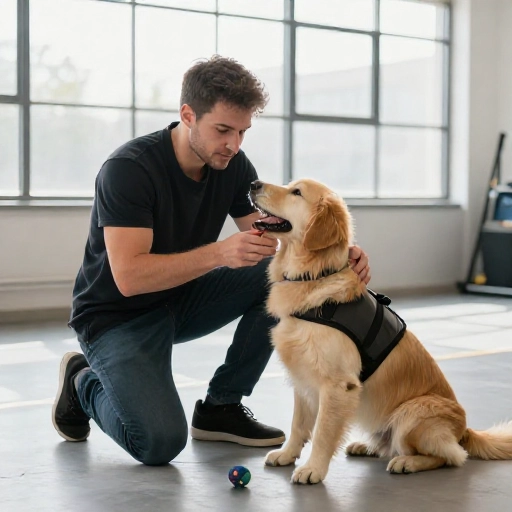
Bringing home a future service dog is one of the most exciting journeys you’ll ever start. I remember the first day I brought my pup home, dreaming of all the places we’d go together. But let me tell you, the road from “adorable puppy” to “polished working partner” is full of hidden potholes. It’s not just about teaching “sit” and “stay”—it’s about building a rock-solid foundation that can handle the chaos of the real world.
After talking to professional trainers and going through the process myself, I’ve seen the same patterns break teams over and over. The good news? Most of these disasters are completely avoidable if you know what to look for. Here are the five biggest mistakes I see in service dog training, and how you can steer clear of them to set your dog up for success.
Mistake #1: Skipping Socialization for “Focus” Training
I get it. You want your dog to ignore distractions, so you start drilling “watch me” in your quiet living room. But if you keep your dog in a bubble, they’ll never learn to actually work around people, carts, and noises. Socialization isn’t just about saying hi to everyone—it’s about teaching neutrality.
Your dog needs to see the world before they can ignore it. Take them to pet-friendly stores (just to hang out, not to work), sit on park benches, and walk near busy streets. Let them observe the chaos without interacting with it. This builds the “it’s no big deal” attitude that makes a service dog so reliable.
If you skip this step, you’ll end up with a dog that panics at the first sight of a skateboard. A confident dog is a safe dog. Start socializing from day one, even before they know a single command.
- Expose them to different floor textures (elevators, tile, metal grates).
- Practice being still while people walk by.
- Let them watch moving objects from a safe distance.
Mistake #2: Using Food Lures for Too Long
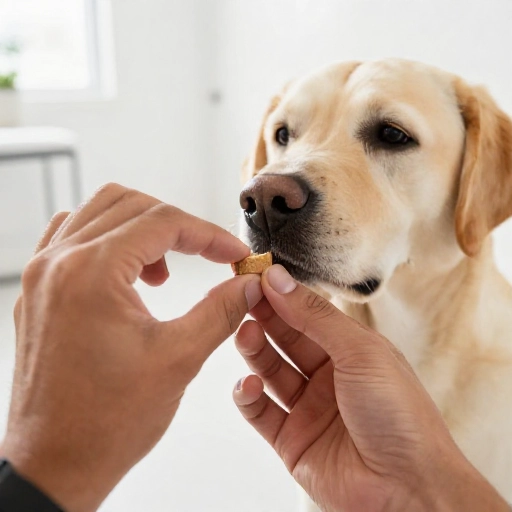
We all start with a treat in our hand to get the behavior. That’s fine for the first week! But if you keep holding a cookie in front of your dog’s nose for every single task, they will only work when they see the snack. This is called “luring dependency,” and it will ruin your public access.
You need to fade the treat out of your hand quickly. Use the treat as a reward after the action, not as a magnet to pull them into position. For example, if you want a “down” under a restaurant table, use a hand signal, get the down, then
reward from your pocket.
Think of it like a paycheck. You don’t see the cash before you do the job. Your dog needs to learn that the reward comes after the work is done, not before. Start using verbal markers like “yes!” to bridge the gap between the behavior and the treat.
Mistake #3: Training in a “Sterile” Environment
If you only practice at home, your dog thinks “sit” is a house rule. The moment you step into a loud grocery store, their brain turns off. I made this mistake once, and my dog looked at me like I was speaking a foreign language in the middle of a food court.
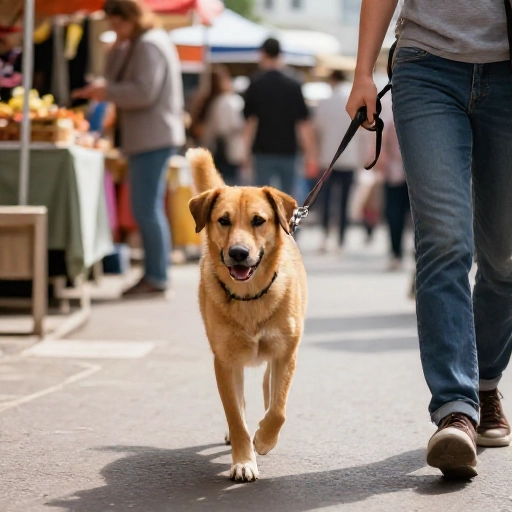
You have to generalize the commands. That means practicing “sit” on a wobbly bench, “down” on a cold tile floor, and “heel” through a crowd of people. Move the training session to a new location every single day, even if it’s just your backyard or a neighbor’s driveway.
Start with low-distraction public places (like a quiet library lobby) and work your way up to busier areas. This builds a dog that understands the job is the job, no matter where the job is. The environment should be a variable, not a crutch.
Mistake #4: Neglecting the “Off Switch”
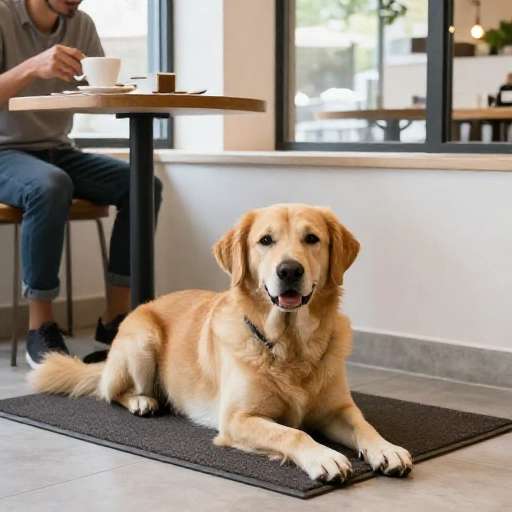
Service dogs need to be “on” when the vest is on, but they also need to know how to completely shut down and relax. I see so many handlers who keep their dogs in a constant state of arousal, even at home. This leads to a burned-out, stressed-out dog who can’t settle in a restaurant.
Teach a strong “settle” or “place” command. This means the dog learns to lie down, relax their muscles, and do absolutely nothing for long periods. This is harder than it sounds! It requires you to reward calmness, not just physical stillness.
When you’re at home, don’t play fetch for hours. Practice hanging out. Watch TV while your dog lies at your feet. The more they practice being bored at home, the easier it will be to be bored under a desk at a coffee shop. A tired brain is a well-behaved brain.
Mistake #5: Pushing Too Fast Too Soon
I know you’re eager to get your vest and your ID and start going everywhere. But pushing your dog into high-stress situations before they are ready is the fastest way to create a fear-reactive dog. One bad experience in a crowded mall can set you back months.
Look for subtle signs of stress: lip licking, yawning, tucked tail, or a sudden urge to sniff the ground. These are your dog telling you they are over their threshold. Listen to them! If they are stressed, leave. Do not push through it.
It’s better to have a boring training session that ends early than a dramatic one that ends in a meltdown. Remember, this is a marathon, not a sprint. You are building a career dog that will work for the next 8-10 years. Those first few months are just the foundation level.
The “Public Access” Test Trap
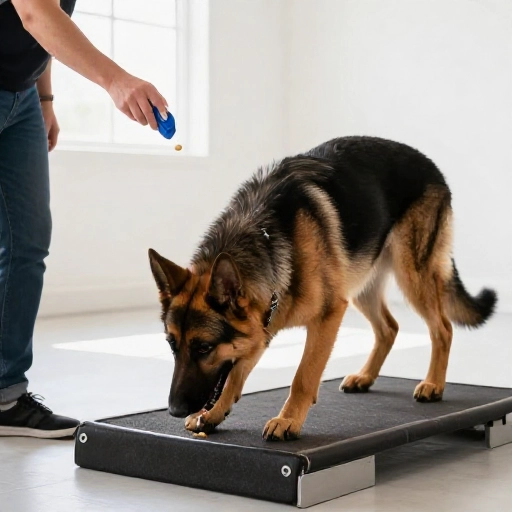
Many people focus on task training (like retrieving items or opening doors) and forget the “public access” part of the test. This is the part where your dog has to behave perfectly in a store. They need to ignore food on the floor, ignore other dogs, and ignore people trying to pet them.
Start doing “mock” public access tests at home. Set up a fake aisle with boxes. Drop a piece of chicken on the floor and practice “leave it.” Have a friend walk by and try to pet your dog while you say “no, they are working.” This rehearsal makes the real thing feel like just another day at the office.
If you only train tasks, you will fail the public test. It is literally half the battle. Make sure you are spending at least 50% of your time on polite behavior in distracting environments, not just on the specific tasks you need.

Ignoring the “Handler” Side of Training
Most people think the dog needs all the training. But honestly, the handler needs just as much! If you are tense, nervous, or unclear with your cues, your dog will feel that. They look to you for guidance. If you don’t know where you are walking, they can’t heel properly.
Practice your own mechanics. Work on your timing for rewards. Learn to read your dog’s body language. The better you get at handling, the better your dog will perform. You are a team, and the leader needs to know the playbook.
Take videos of your training sessions. I promise you will see things you didn’t notice in the moment—like a slow cue or a late reward. Fix your own mistakes before blaming the dog for not understanding.
Using the Wrong Reinforcements
Not all dogs love kibble. Some dogs live for a squeaky toy, others want a game of tug, and some just want your praise. If you are training with a low-value treat, your dog is going to be bored. You need to find what makes your dog’s tail wag uncontrollably.
Save the “high value” rewards (like boiled chicken or cheese) exclusively for training sessions. Don’t give them these at home for free. You want your dog to think “wow, when the vest comes out, the good stuff appears!” This creates a drive to work.
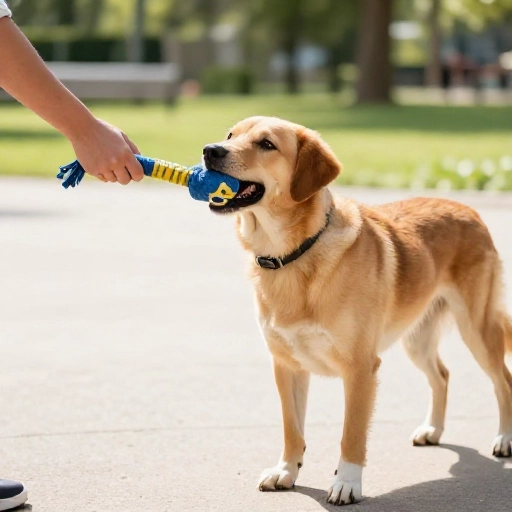
Alternate between food and play. If you only use food, your dog might get full and lose interest. A quick game of tug can be a great reward for a difficult task. Keep them guessing and keep them motivated.
Skipping “Leave It” and “Drop It” Drills
These two commands are non-negotiable for a service dog. In public, there is garbage, pills, food, and all sorts of dangerous things on the floor. Your dog must have a rock-solid “leave it” that works instantly, even if a hot dog rolls right past their nose.
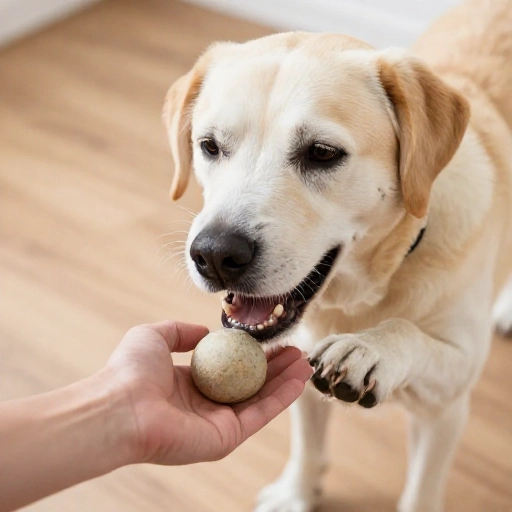
Start with a treat in a closed fist. Wait for them to stop sniffing and look at you. Then reward with a different treat from your other hand. This teaches them that ignoring the thing on the floor gets them a better thing from you. It’s a trade.
Practice “drop it” with toys. If they have something in their mouth, offer a trade and say “drop.” Never chase them to get it back. You want them to think releasing the item is a fun game, not a punishment.
Forgetting the “Fun” Factor
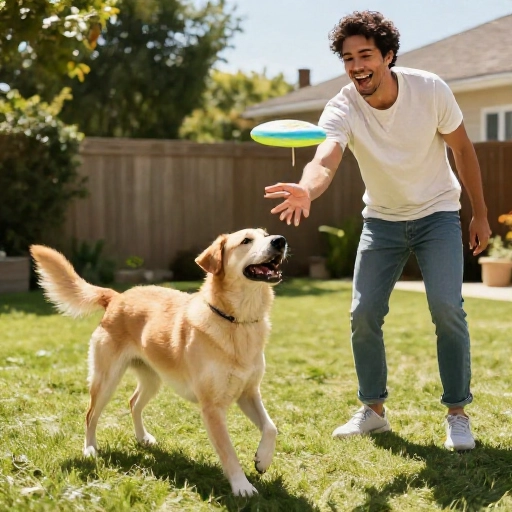
This is a serious job, but it shouldn’t be a miserable one. If your dog dreads training sessions, they will never be a happy worker. A happy service dog is a confident service dog. If you are stressed and grumpy, they will shut down.
End every session on a high note. Do a few easy commands they know and love, then play a quick game of tug. Always leave them wanting more. Keep training sessions short—5 to 10 minutes is plenty for a puppy, 15 to 20 for an adult.
If you feel frustrated, stop. Walk away. Come back later. Your dog can sense your frustration, and it ruins the vibe. Keep it light, keep it positive, and remember that you are building a bond that will last a lifetime.
Conclusion
Avoiding these five mistakes is the difference between a stressful nightmare and a seamless partnership. It’s okay to make mistakes—I did! The key is to catch them early and correct your path. Be patient with yourself and your dog. You are both learning a new language together.
Focus on the basics, build that solid foundation, and always advocate for your dog’s mental well-being. The goal is a dog that is confident, calm, and ready to change your life. You’ve got this!
FAQ: Common Questions About Service Dog Training
Q1: How long does it take to train a service dog?
Typically, it takes 1.5 to 2 years to fully train a service dog. This includes basic obedience, task training, and public access training. It’s a long process, but you can’t rush it.
Q2: Can I train my own service dog?
Yes, you absolutely can! In the US, the ADA allows you to train your own dog. It takes a lot of dedication and research, but it is very rewarding and often deepens your bond.
Q3: At what age should I start training?
You can start socialization and basic manners at 8 weeks old. However, formal task training usually starts around 6-12 months old, depending on the breed and maturity level.
Q4: What is the hardest part of service dog training?
For most people, the hardest part is proofing behaviors in public. Teaching “sit” at home is easy. Getting a reliable “sit” in a noisy, smelly pet store is much harder and takes tons of practice.
Q5: Do I need a professional trainer?
While not required, hiring a professional trainer (especially one who specializes in service dogs) is highly recommended. They can spot issues you might miss and provide an objective eye on your progress.