How to Cook Salmon for Cats: A Simple, Safe Guide
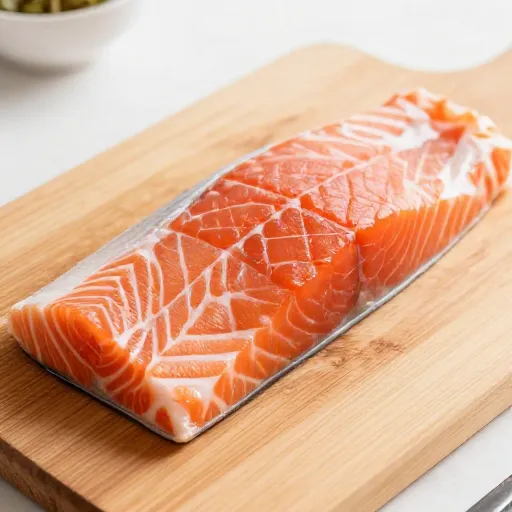
If you’re like me, you love spoiling your cat with something special. Salmon is a fan-favorite treat, but raw fish can be risky. Cooking it right makes all the difference. I’ve learned the hard way that a little prep goes a long way in keeping my kitty happy and healthy.
Salmon is packed with omega-3s and protein, which are great for your cat’s coat and energy. But bones, skin, and seasoning? Not so much. Let me walk you through how to cook salmon for cats so it’s safe, simple, and totally tail-wagging good.
Trust me, once you get the hang of this, your cat will be meowing at the kitchen counter every time you open the fridge.
Start with the Right Salmon
Fresh or frozen, always go for plain salmon. No marinades, no salt, no garlic or onion powder. Those common cooking ingredients can be toxic for cats. I stick with wild-caught or farmed Atlantic salmon—just make sure it’s labeled for human consumption. Avoid smoked or cured salmon, because it’s loaded with salt and preservatives.
Thaw frozen salmon completely in the fridge before cooking. This helps it cook evenly and keeps your cat safe from any icy surprises.
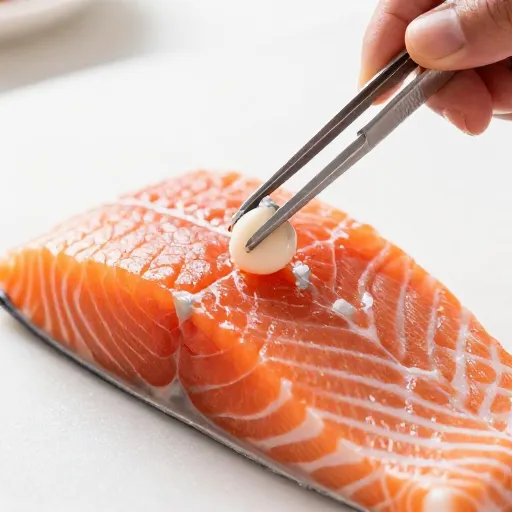
Remove All Bones Carefully
Salmon bones are tiny and sharp. They can cause choking or hurt your cat’s insides. I always run my fingers over the fillet after cooking, even if I bought boneless. Sometimes a pin bone hides in there. Gently pull them out with tweezers or your fingers—just be thorough. Your cat’s safety is worth the extra minute.
After that, flake the salmon into small pieces. Big chunks are okay for some cats, but smaller bites are easier to digest and less messy.
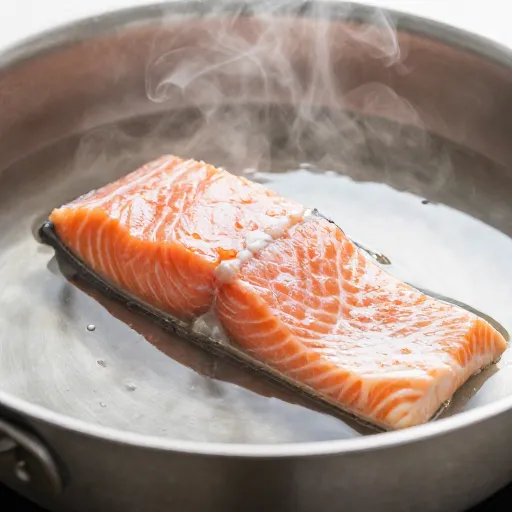
Poaching Is the Easiest Method
Poaching keeps salmon moist without any oil. Just put the fillet in a small pan with enough water to cover it halfway. Bring it to a gentle simmer, then cover and cook for about 10 minutes, or until the fish flakes easily with a fork. No need to flip it. The water does all the work. Let it cool completely before serving, because cats are total princesses about hot food.
This method also locks in flavor without any extras. Your cat won’t miss the salt, I promise.
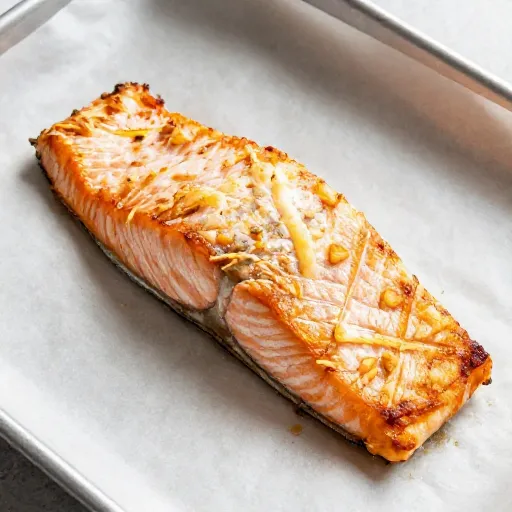
Baking Works Too—But Watch the Time
If you’re already using the oven, bake salmon at 350°F (175°C) on a lined baking sheet. Cook for 12–15 minutes, depending on thickness. The key is to check internal temp—it should reach 145°F. Overcooking dries it out, and dry salmon is no fun for anyone. I like to wrap it in foil to keep it tender.
Let it rest for a few minutes after baking. Then flake and serve. Easy peasy.
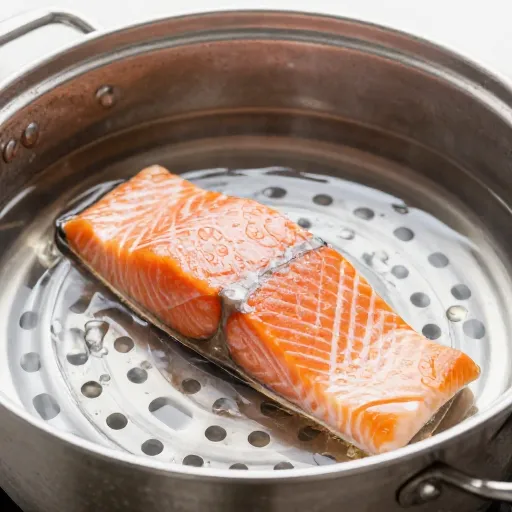
Steaming Preserves Nutrients
Steaming is my go-to when I want to keep all the good stuff intact. Place the salmon in a steamer basket over boiling water, cover, and cook for 8–10 minutes. The fish comes out soft and flaky. No added fat, no fuss. This method also makes the salmon smell less intense for me, but my cat still goes wild.
Just make sure the steamer basket is clean and hasn’t touched any seasoned veggies. Plain is the way to go.
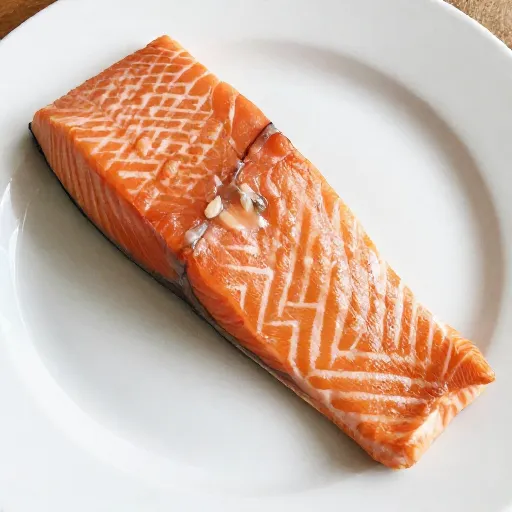
Never Add Seasoning or Oil
I know it feels weird to cook without a pinch of salt or a drizzle of olive oil, but cats don’t need it. Their bodies handle plain fish just fine. Garlic, onion, and even too much salt can make them sick. If you want to add a little moisture, use a splash of plain water or unsalted chicken broth (no onions or garlic in the ingredients).
Keep it boring for them. They’ll love it anyway.
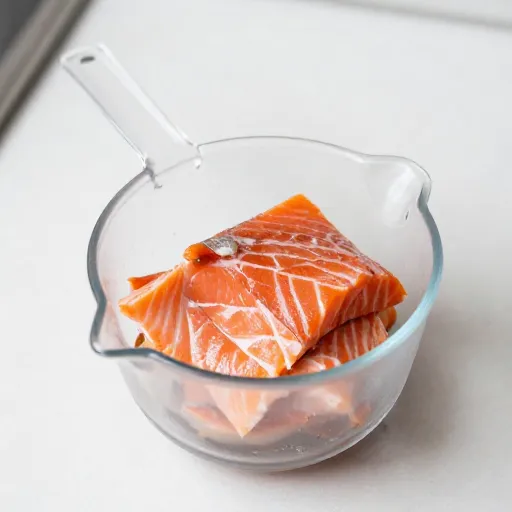
Portion Control Is Key
Salmon is rich, so a little goes a long way. For an average-sized cat, I serve about a tablespoon of flaked salmon as a treat or meal topper. Too much can upset their stomach or lead to weight gain. I like to freeze extra portions in an ice cube tray—perfect for quick treats later.
Remember, salmon shouldn’t replace their regular balanced food. Think of it as a special snack, not a main course.
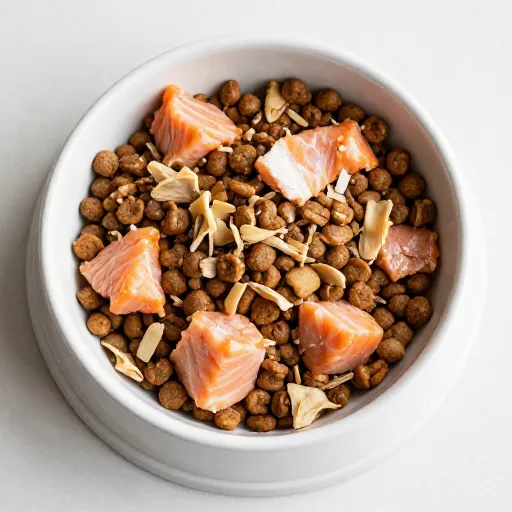
Mix It with Their Regular Food
If your cat is picky, mixing a tiny bit of cooked salmon into their kibble or wet food can work wonders. I start with a pinch, then increase slowly. Some cats get digestive upset if they eat too much fish too fast. Introducing it gradually helps their tummy adjust.
You can also mash it into a paste for older cats or kittens who have trouble chewing. Just keep it simple and watch for any reactions.
Store Leftovers Properly
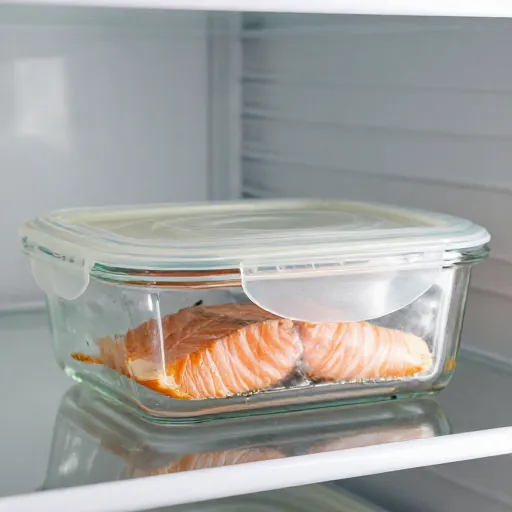
Cooked salmon keeps in the fridge for up to three days in an airtight container. I always label it so I don’t accidentally use it for my own dinner later. For longer storage, freeze flaked salmon in a freezer bag for up to three months. Thaw in the fridge overnight before serving.
Never leave cooked salmon out at room temperature for more than two hours. Cats might be tough, but spoiled fish is no joke.
Watch for Allergies or Reactions
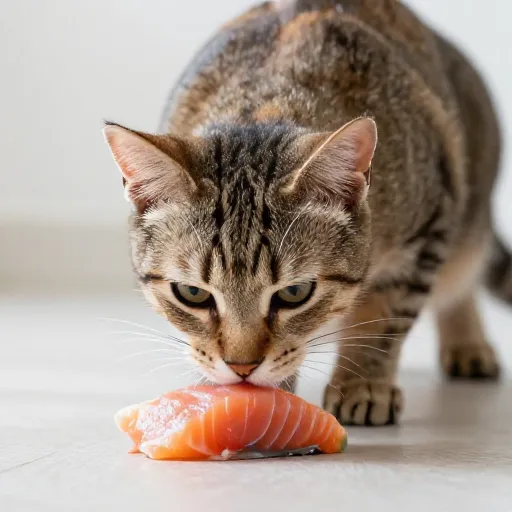
Some cats are sensitive to fish. After the first few servings, keep an eye out for vomiting, diarrhea, or itchy skin. If you notice anything off, stop giving salmon and talk to your vet. Most cats handle it fine, but every kitty is different. I always start with a tiny bite the first time.
It’s better to be safe than sorry. Your cat will thank you for being careful.
Conclusion
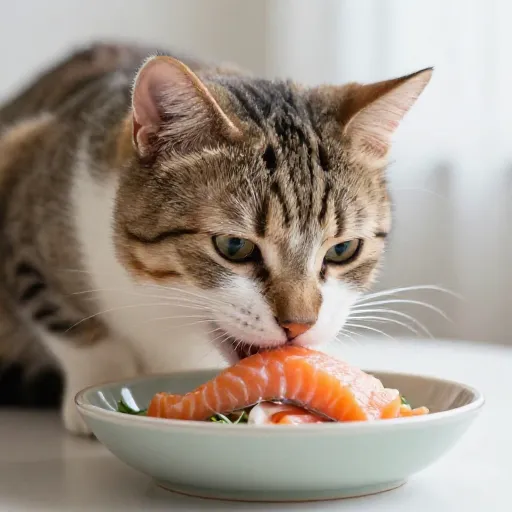
Cooking salmon for your cat doesn’t have to be complicated. With a little care and a plain fillet, you can whip up a treat your furry friend will adore. Remember: no seasoning, no bones, and always cook it through. Your cat’s happy purrs are the best reward. Give it a try—I bet they’ll come running every time they hear the kitchen sounds.
FAQ
Can cats eat raw salmon?
It’s safer to cook salmon. Raw fish can carry parasites or bacteria that might make your cat sick. Cooking kills those risks.
How much salmon can I give my cat?
Stick to about a tablespoon per day for a medium-sized cat. Too much can cause tummy trouble or weight gain.
Can I use canned salmon?
Yes, but choose plain, water-packed, no-salt-added canned salmon. Drain it well and remove any bones before serving.
Is salmon skin safe for cats?
It’s best to remove the skin. It can be tough to digest and might have extra fat or seasonings. Stick to the flesh only.
Can kittens eat cooked salmon?
Yes, but only in tiny, mashed portions. Their digestive systems are delicate, so introduce it slowly and watch for any issues.