11 Smart No-Dig Dog Fence Ideas for Backyard Spaces (Easy & Affordable)
Let’s be real—digging post holes is the absolute worst. It’s back-breaking work, and if you have rocky soil or a rental property, it might not even be an option. But you still need to keep your furry escape artist safe. The good news? You don’t need a shovel to create a secure yard. I’ve spent way too many weekends trying to outsmart my own Houdini dog, and these no-dig solutions are the ones that actually worked.
Whether you have a small patio, a sprawling lawn, or just want a temporary setup, these ideas are all about smart design and easy installation. No concrete, no digging, just a safe space for your pup. Let’s dive into the best ways to fence your yard without breaking your back (or the bank).
1. The Portable Mesh Fence with Ground Stakes
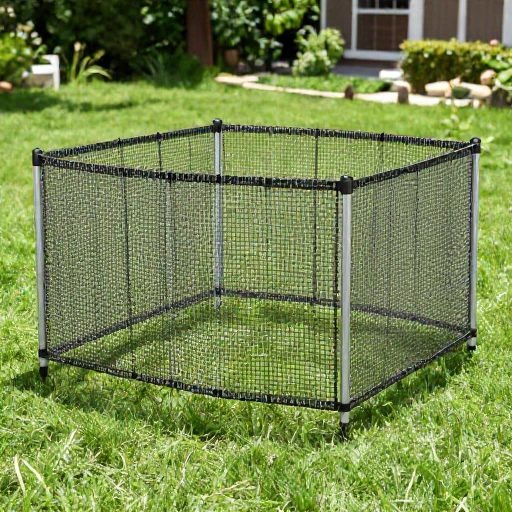
This is my go-to for instant, flexible containment. You can buy mesh fencing (the kind with steel or fiberglass posts) that simply pushes into the ground with a rubber mallet. It’s lightweight, rolls up for storage, and creates a visible barrier that most dogs respect.
The key here is to get stakes that are long enough to hold firm in soft soil. If you have hard dirt, you can water the ground first or use a screw-in stake. It’s perfect for defining a potty area without obstructing your view.
The best part? You can reposition it in about ten minutes. If you have a dog that likes to dig under, this isn’t a permanent fix, but it’s a genius solution for keeping them out of your flower beds.
2. Tempered Glass Panel Barriers
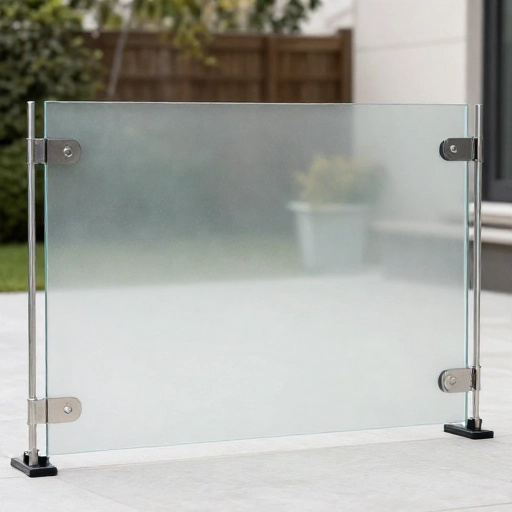
If you have a deck or a patio, this is a premium look that feels invisible. Instead of a fence that blocks your view, tempered glass panels slide into metal posts that are anchored to the deck surface with brackets. It’s a no-dig solution because you are bolting to wood or concrete, not the dirt.
This is brilliant for small spaces where a traditional fence would feel claustrophobic. You get a clear view of your yard while creating a windbreak and a physical barrier. It’s great for small dogs who slip through railings.
Just make sure you use marine-grade hardware if you live in a coastal area to prevent rust. It’s a bit more of an investment, but it looks super sleek and modern.
3. The Simple Chicken Wire Trench (No Digging Required)
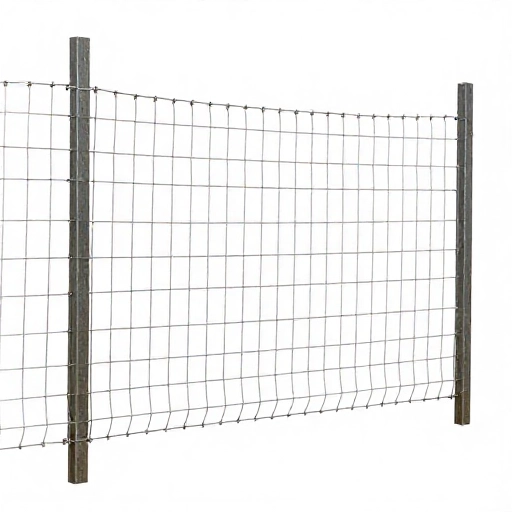
Wait, I said no digging, right? Here is the trick. Instead of burying the wire, you lay it flat on the ground and weigh it down. This stops diggers in their tracks. It’s called a “skirt” or an “apron.”
You just staple the chicken wire to the bottom of your existing fence and lay it outwards along the lawn. Then, cover it with mulch, rocks, or sod staples. The dog tries to dig, hits the wire, and gives up instantly.
This is a cheap and incredibly effective way to retrofit a chain-link or wooden fence. It looks natural once covered with bark or pebbles, and it completely removes the digging temptation.
4. Screw-In Dog Fence Posts (The Heavy Duty Option)
Forget concrete. These auger-style posts look like giant corkscrews. You use a drill or a long metal bar to twist them into the ground. Once they’re in, they are incredibly sturdy—much more stable than a standard stake.
You can attach wooden rails, wire mesh, or even composite panels to these posts. Because they screw in, they are easier to remove than concrete footings if you ever change your mind. It’s the perfect balance between temporary and permanent.
I used these for a dog run on a slope, and they held up perfectly through a rainy winter. Just make sure to check the ground for buried cables before you start twisting.
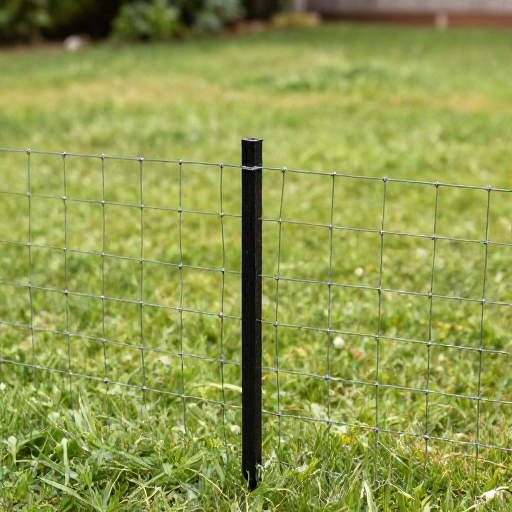
5. Pressure-Treated Wood Panels on Concrete Blocks
This is a favorite for renters. You can build modular fence panels and place them inside heavy concrete deck blocks (the ones with a notch on top). The weight of the blocks holds the fence upright without needing to sink posts into the ground.
It’s a bit of a build project, but the result is a solid, attractive fence that looks permanent. You can paint the wood to match your house. If you move, you just unscrew the panels and take the whole thing with you.
This works best on flat ground. For extra stability against strong winds, you can stack two blocks per panel or use a heavier block designed for carports.
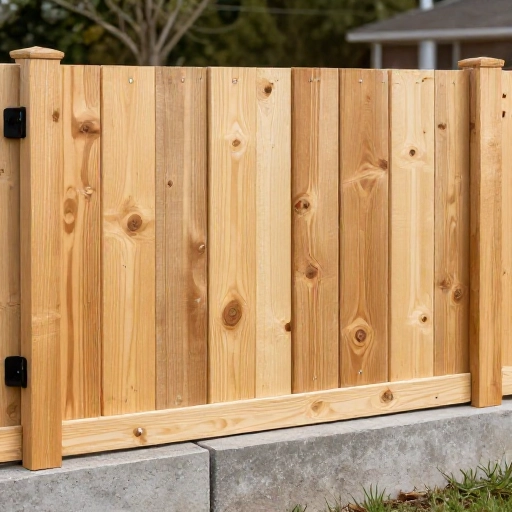
6. The Invisible Wireless Fence (No Physical Barrier)
Okay, this isn’t a fence in the traditional sense, but it is a no-dig solution. You bury a wire (or use a wireless transmitter) and put a collar on your dog. When they get too close to the boundary, they hear a warning beep, then a static correction.
This is perfect if you have a large property and don’t want to obstruct the view. It takes some training, and it’s not for every dog. Some dogs are too stubborn or have thick fur that dulls the sensation.
However, for a dog that respects boundaries, this is the most cost-effective and invisible option out there. It’s also great for keeping dogs out of specific interior rooms if you use the indoor boundary kits.
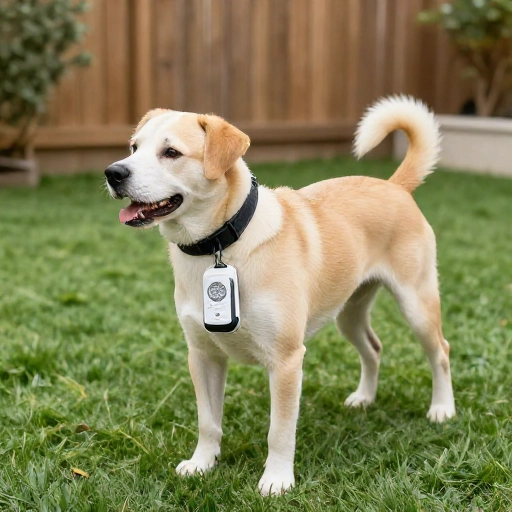
7. Repurposed Cattle Panels with U-Channel Posts
This is a rustic, farmhouse-style look that is super strong. Cattle panels are heavy-gauge wire grids. Instead of driving the posts, you can use “U-channel” sign posts that you hammer into the ground—no digging, just a driving tool.
These panels are tall (usually 50 inches or more), so they are excellent for jumpers. You can zip-tie the panels to the posts, and it creates a tough, secure boundary that looks intentional.
It’s not the prettiest option, but it is nearly indestructible. You can also grow climbing vines along them to soften the look and turn your fence into a living wall.
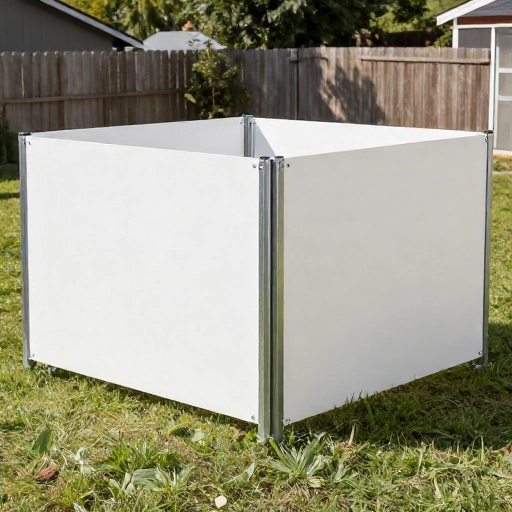
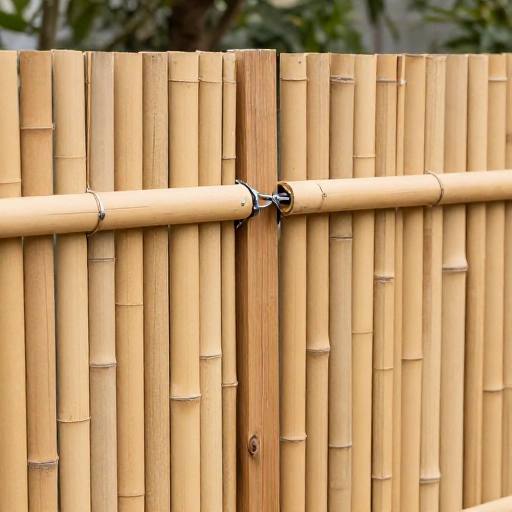
8. Bamboo Roll Fencing with Zip Ties
If you want privacy and a natural aesthetic, bamboo rolls are a quick win. You just unroll the bamboo and attach it to an existing wire fence or wooden posts. It’s lightweight, affordable, and looks beautiful.
For a no-dig setup, you can attach them to screw-in posts. The bamboo provides a solid visual barrier that stops dogs from barking at every passerby. It also blocks the wind, which keeps your dog warmer in the winter.
Keep in mind that bamboo can splinter over time, so check it periodically for sharp edges. It’s a great way to make a chain-link fence look like a tropical retreat.
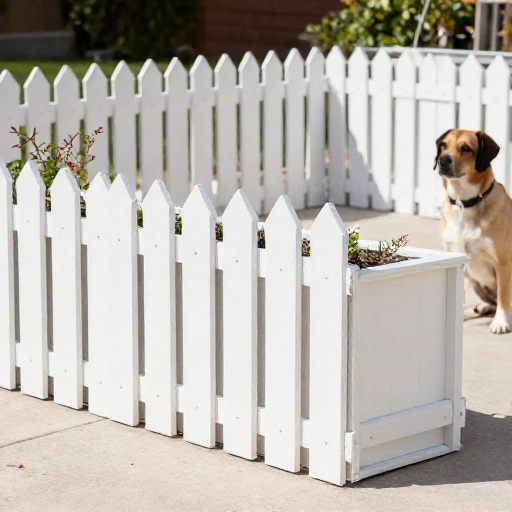
9. The “Picket Fence” Using Planter Boxes
This is a genius way to fence a patio or balcony. You place large, heavy planter boxes along the edge. Then, you insert short picket fence sections into the soil inside the planters. The weight of the dirt keeps the fence firmly in place.
You get double duty here—beautiful flowers or herbs on the outside, and a secure barrier on the inside. It looks like a deliberate landscaping feature, not a dog cage.
This works best for small dogs that can’t jump over the planter height. It adds a ton of charm and color to your space while solving a containment problem.
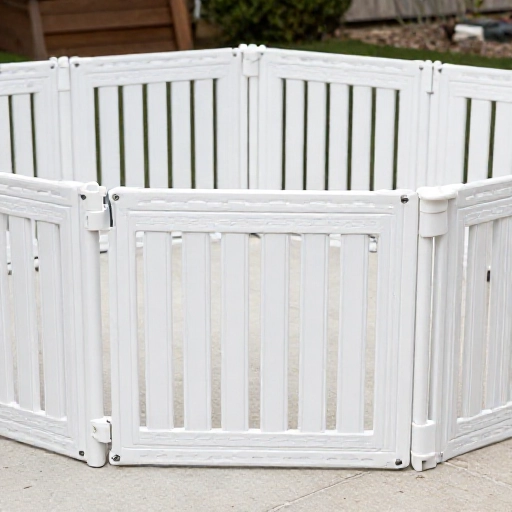
10. PVC Fence Panels (The Easy Click-Together Kind)
There are modular PVC fencing systems that literally snap or bolt together without any digging. They come in panels that interlock. You stabilize them with heavy bases or stakes that screw into the ground.
PVC is easy to clean, won’t rot, and is very lightweight. This is a fantastic option for a temporary indoor/outdoor setup or for creating a small “pen” area on a patio. It’s incredibly easy to reconfigure.
It’s not the strongest option for a huge, powerful dog, but for a small or medium breed, it’s perfect. It also looks very crisp and clean.
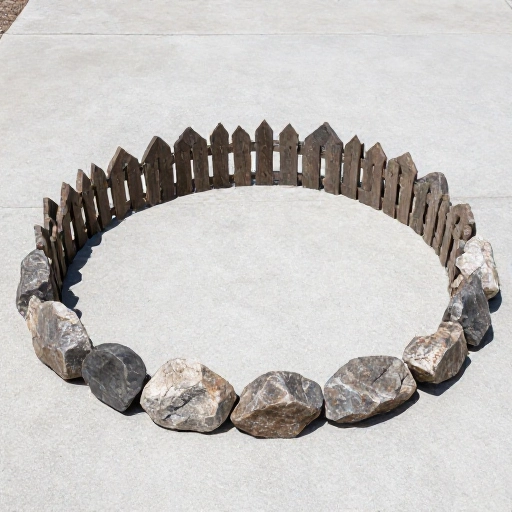
11. The “Half-Buried” Rock Border (The Decoy)
This isn’t a fence, but a landscaping trick that stops digging. If your dog only digs near the property line, create a physical barrier of large river rocks or fieldstones. Lay them flat and tight along the fence line.
Dogs don’t like the unstable feeling of rocks under their paws. It makes the digging area inaccessible. You are technically moving dirt, but you don’t have to dig a trench—you just lay the rocks on the surface.
Plus, it looks fantastic. It creates a clean, manicured edge that defines the yard. You can also use this in conjunction with any other fence to add an extra layer of security.
Final Thoughts on No-Dig Fencing
Choosing the right fence depends on your dog’s size, your budget, and your yard’s layout. I always tell people to start with the most temporary option first to see how your dog reacts. You can always upgrade later.
The beauty of these no-dig ideas is that they are flexible. You can move them, adjust them, and take them with you if you relocate. It’s all about working smarter, not harder, to keep your best friend safe.
Frequently Asked Questions
Q: Will a no-dig fence stop a determined digger?
A: Not always, but the “apron” method (laying wire flat on the ground) works best. The goal is to make the digging experience unpleasant, not impossible. For super diggers, combine a physical fence with a wire skirt.
Q: What is the cheapest no-dig fence option?
A: The mesh fence with ground stakes is the cheapest. You can usually set up a medium-sized area for under $50. It’s not the prettiest, but it’s effective and portable.
Q: Can I use these ideas on a rental property?
A: Absolutely. That’s the biggest advantage. Screw-in posts and concrete block bases leave very few marks. Just fill in the screw holes with dirt when you leave, and you’ll get your deposit back.
Q: How do I secure a no-dig fence on hard or rocky soil?
A: You will likely need auger-style posts that you twist in, or you can use heavy concrete blocks as weights. Sometimes, using a mallet to drive stakes just won’t work in hardpan dirt.
Q: How tall should my no-dig fence be?
A: A general rule of thumb is that the fence should be at least 3 times the height of your dog’s shoulder. For jumpers, go taller than 5 feet. For small breeds, 2-3 feet is usually fine.