The Complete Guide to Orange Tabby Cats
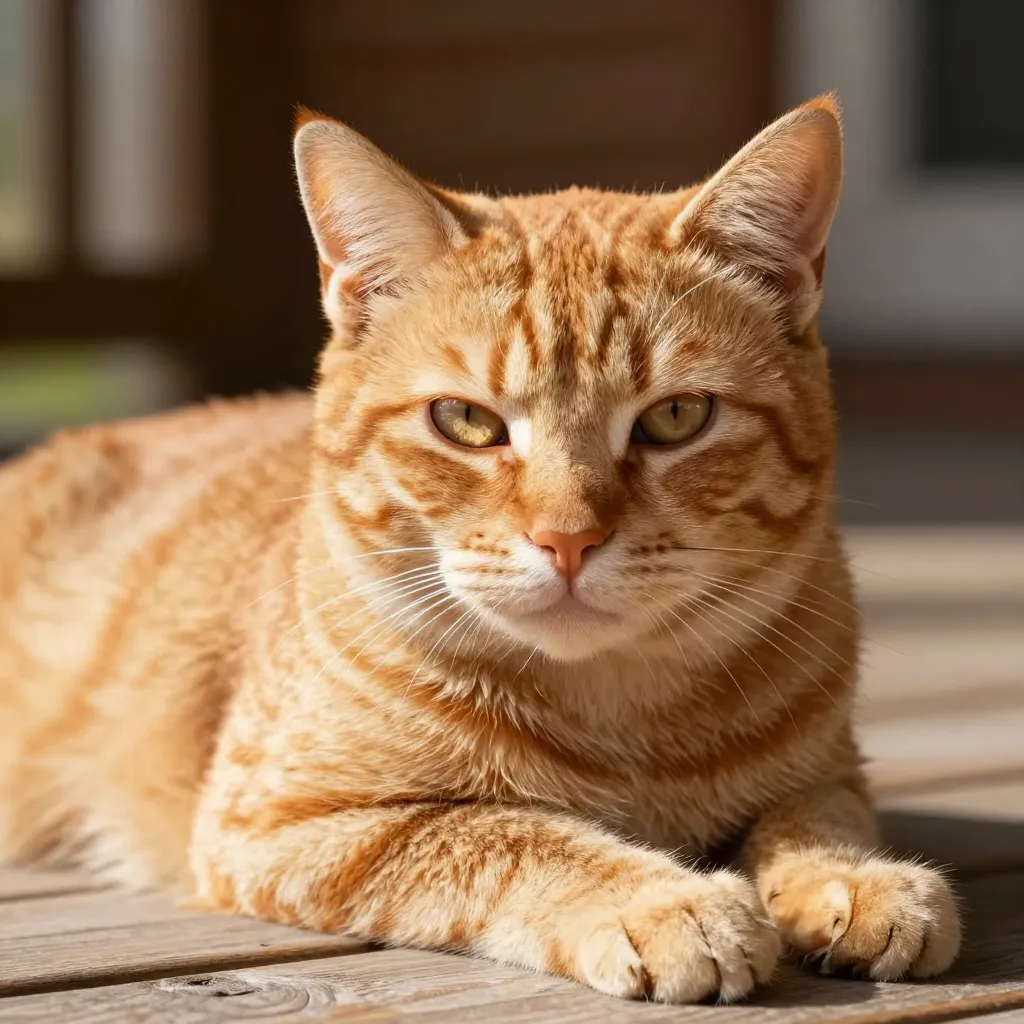
There is something special about an orange tabby cat. Their warm coats, bold stripes, and bright eyes make them stand out in any room. I have always been drawn to these cats. They seem to carry a little extra sunshine with them wherever they go.
If you are thinking about bringing an orange tabby into your home, or if you already have one and want to learn more, you have come to the right place. This guide covers everything from personality to care. It is written for real cat lovers who want practical advice.
Let me walk you through what makes these cats so unique. By the end, you will feel ready to give your orange tabby the best life possible.
Why Orange Tabby Cats Are So Special
Orange tabby cats are not a specific breed. They are a coat pattern that appears in many breeds. The orange color comes from a gene called the “O” gene. This gene gives them that rich, warm shade we all love.
Almost all orange tabbies are male. About 80 percent of them are boys. That is because the gene for orange fur is carried on the X chromosome. Males only need one copy, while females need two.
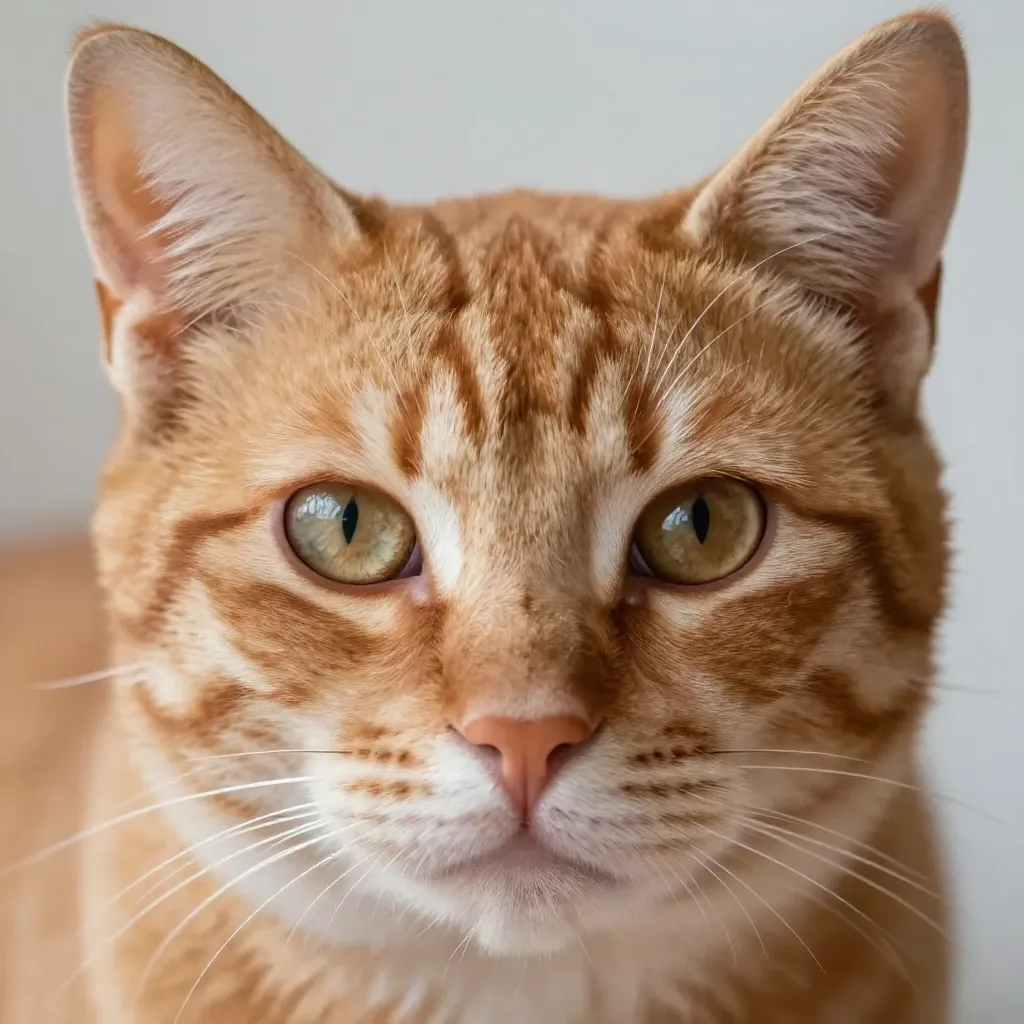
Their markings are always unique. Some have classic swirls, others have stripes or spots. No two orange tabbies look exactly alike. That makes each one feel like a little work of art.
Personality Traits You Can Expect
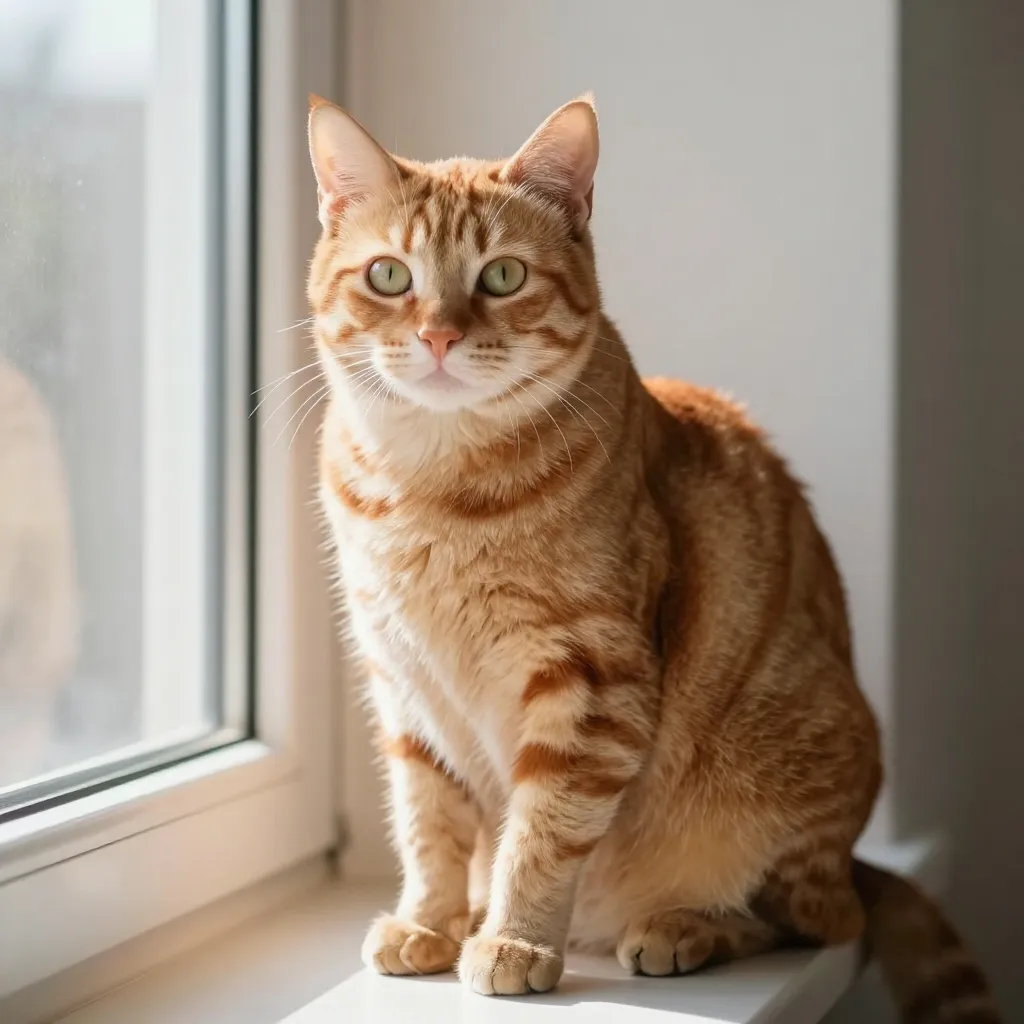
Orange tabbies are known for being friendly and outgoing. Many people say they have a “dog-like” personality. They often follow you around the house and want to be part of everything you do.
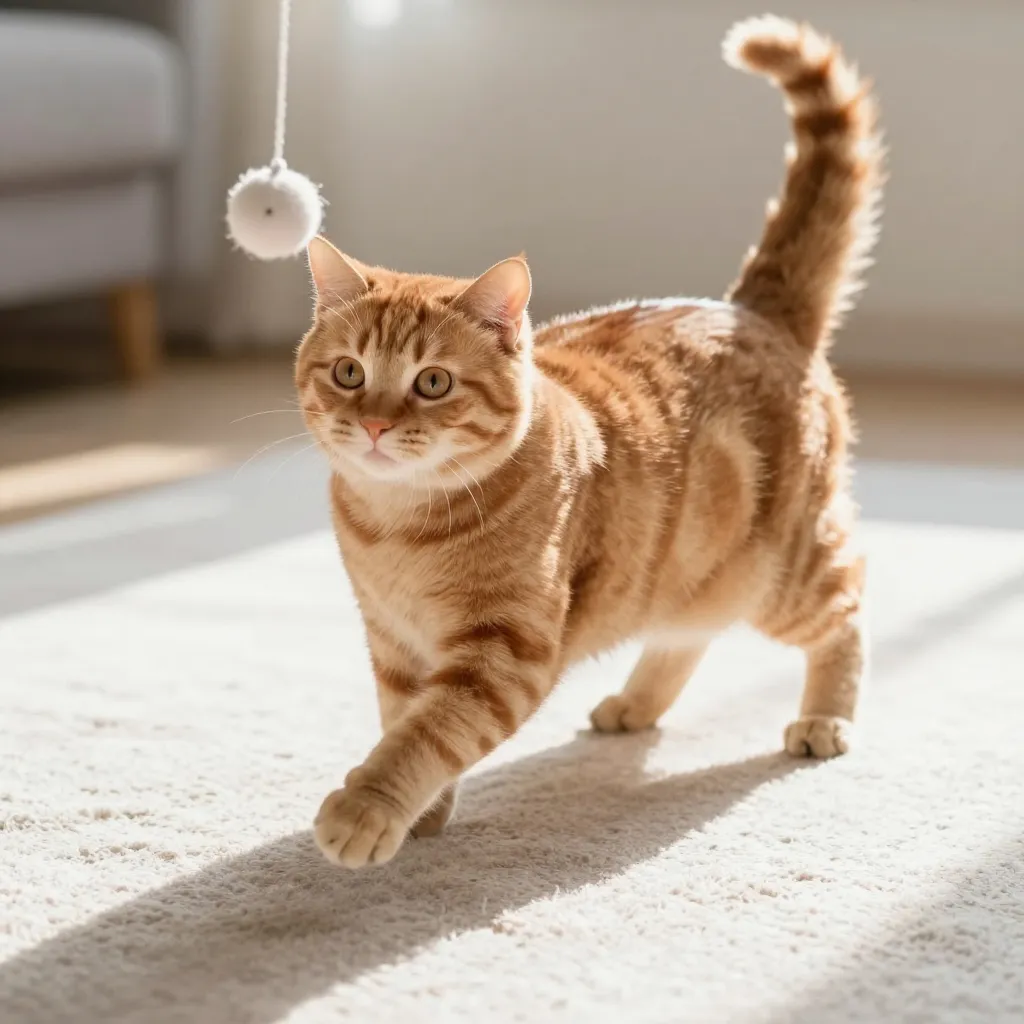
They tend to be curious and playful. You might find yours investigating a new box or chasing a toy for longer than you expected. They enjoy interaction and often get along well with children and other pets.
That said, every cat is an individual. Some are more laid back, while others are full of energy. Pay attention to your cat’s unique style and meet them where they are.
Common Breeds That Have Orange Tabbies
Many popular breeds can have orange tabby coloring. The Domestic Shorthair is the most common. These cats are mixed breeds and come in all shapes and sizes. They are usually healthy and hardy.
Maine Coons often have orange tabby coats. They are large, fluffy, and very friendly. If you want a big cat with a big personality, this might be a good fit.
Persians and British Shorthairs can also be orange tabbies. These breeds have round faces and calm temperaments. They are more laid back and enjoy quiet homes.
How to Care for Your Orange Tabby’s Coat
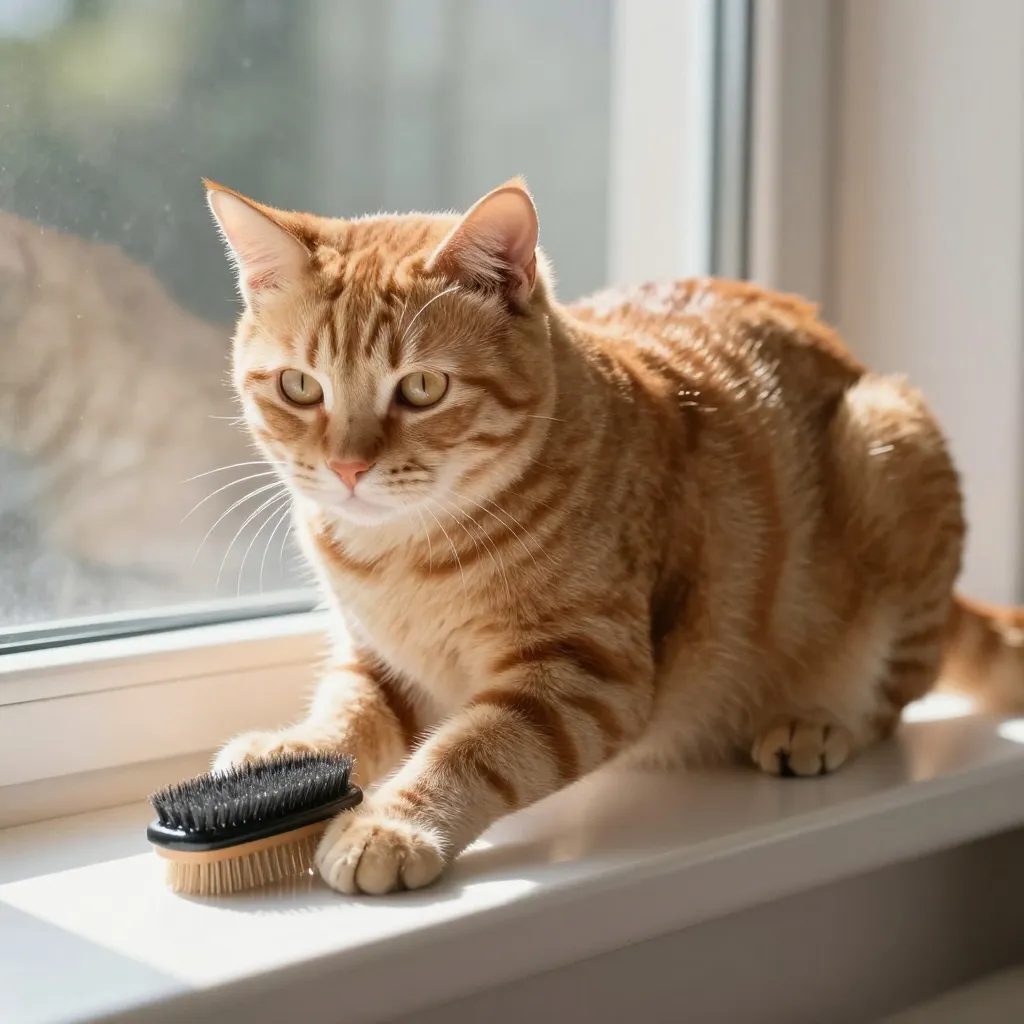
Orange tabbies come in both short and long hair varieties. Short-haired cats need brushing once a week. Long-haired cats need it two to three times a week to prevent matting.
Brushing helps remove loose fur and reduces hairballs. It also spreads natural oils across their coat, keeping it shiny and healthy. Your cat will probably enjoy the attention too.
Use a soft brush or a grooming glove. Start slow and keep sessions short. Let your cat set the pace. Grooming can become a nice bonding time for both of you.
Feeding an Orange Tabby Cat
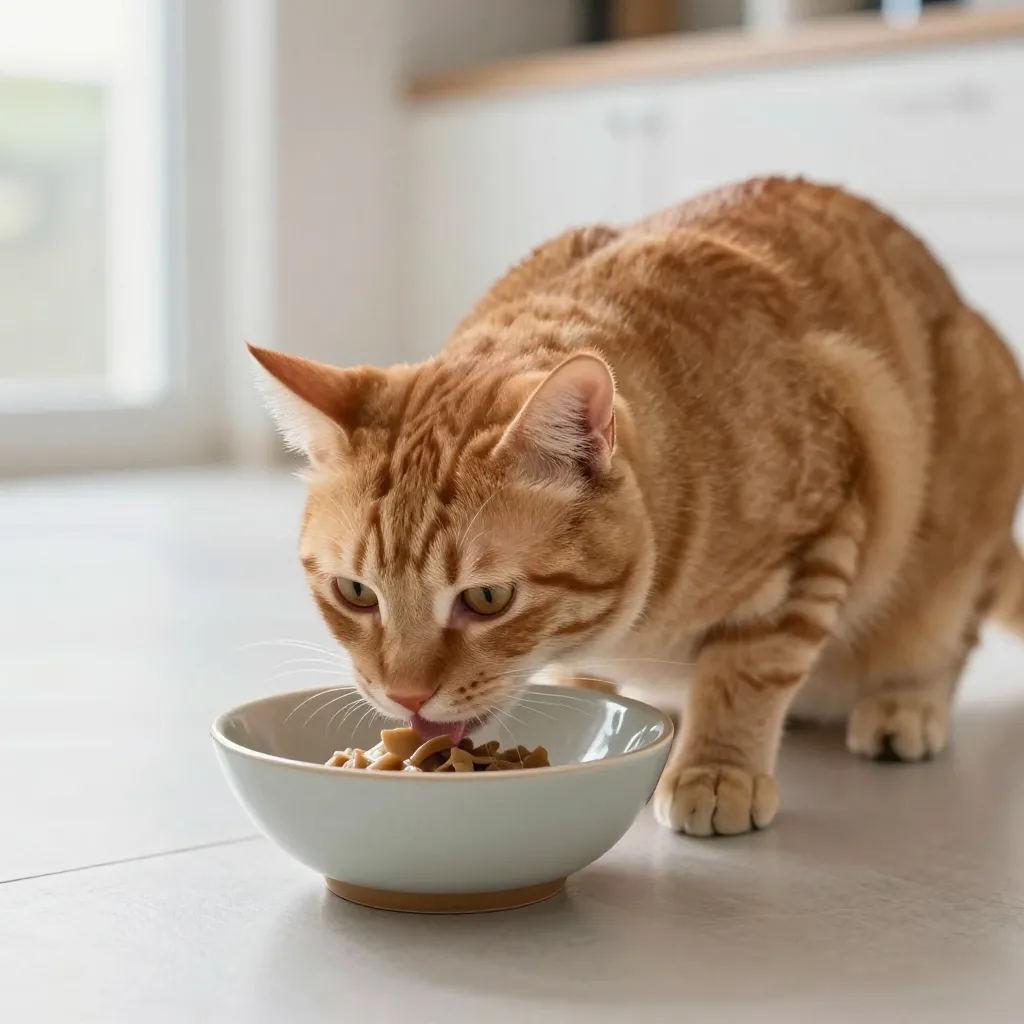
A balanced diet is important for any cat. Orange tabbies are no exception. Look for high-quality cat food with real meat as the first ingredient. Avoid fillers like corn and soy when possible.
These cats can be prone to weight gain. Keep an eye on portion sizes and limit treats. Use a measuring cup for meals and stick to a regular feeding schedule.
Fresh water should always be available. Some cats prefer running water, so a pet fountain might help. This encourages them to drink more and supports kidney health.
Health Concerns to Watch For
Orange tabbies are generally healthy, but they can face some common issues. Obesity is one of the biggest risks. Extra weight leads to diabetes, joint problems, and shorter lifespans.
Dental disease is also common. Brush your cat’s teeth regularly or use dental treats. Regular vet checkups will catch problems early.
Because many orange tabbies are male, they are more likely to develop urinary tract issues. Watch for signs like straining to pee or blood in the urine. A good diet and plenty of water help prevent this.
Fun Facts About Orange Tabbies
Did you know orange tabbies have a special “M” on their forehead? Almost all of them do. The marking is linked to a legend about the cat who comforted baby Jesus. Whether you believe the story or not, it is a cute feature.
They are often called “ginger” cats in the UK. The name comes from the spice ginger, which matches their fur color perfectly. Some people also call them “marmalade” cats, especially if they have a light orange shade.
Famous orange tabbies include Garfield and Heathcliff. These cartoon cats helped make the pattern popular. Many people associate orange tabbies with a fun, playful personality because of these characters.
How to Choose the Right Orange Tabby for Your Home
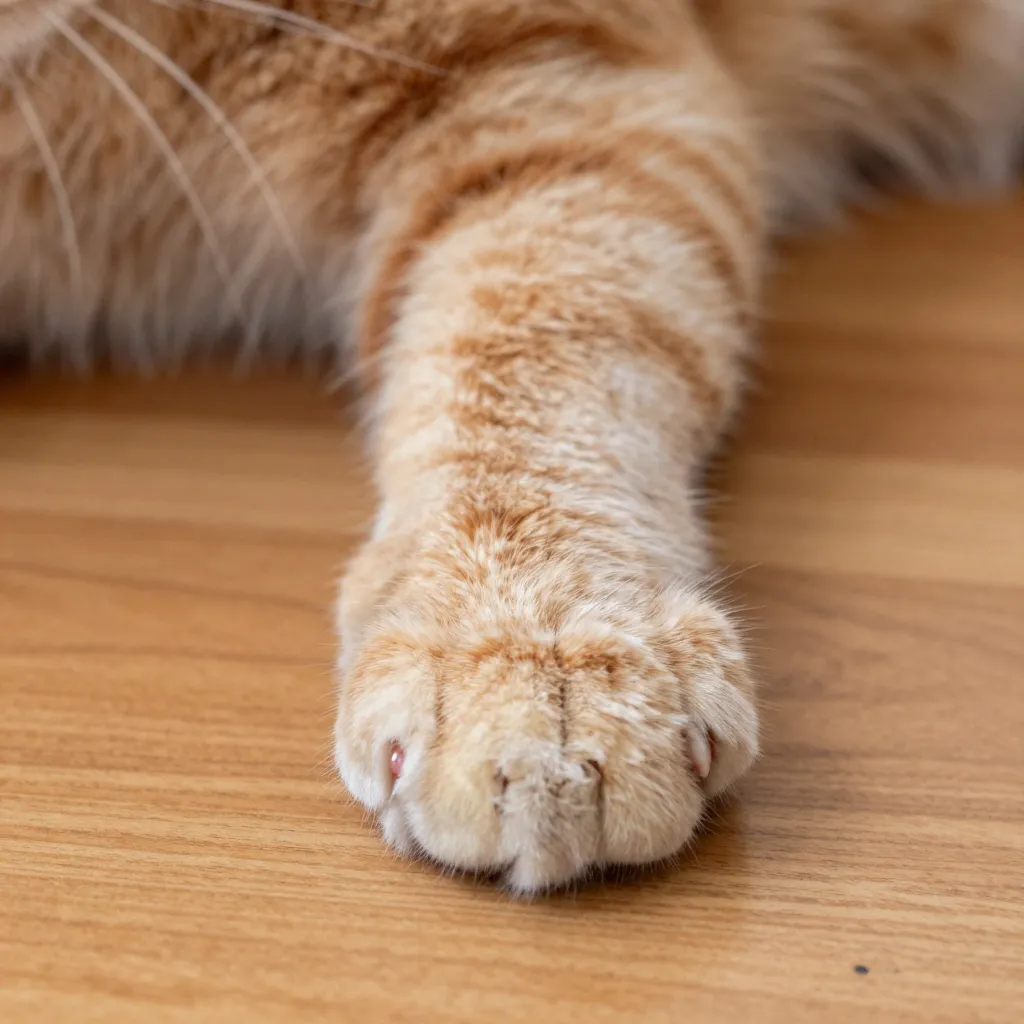
Think about your lifestyle first. If you are busy, an adult cat might be a better choice than a kitten. Adult cats have established personalities, so you know what you are getting.
Visit local shelters and rescue groups. Many orange tabbies are looking for homes. Adoption is a wonderful way to give a cat a second chance. You might find your perfect match waiting for you.
Spend time with the cat before deciding. Watch how they react to you. Do they seem comfortable? Do they seek attention? Trust your instincts. The right cat will feel like family from the start.
Training Tips for Orange Tabby Cats
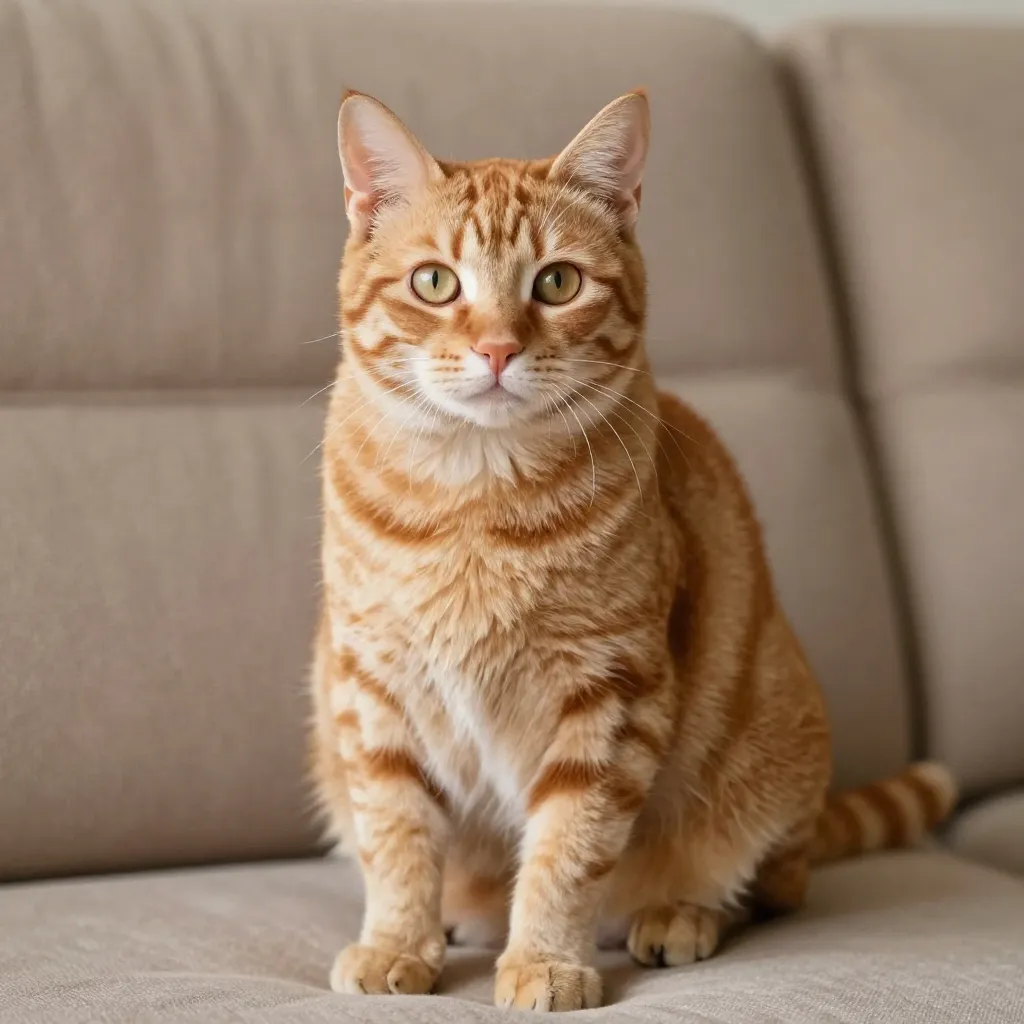
Yes, you can train a cat. Orange tabbies are smart and respond well to positive reinforcement. Use treats and praise to reward good behavior. Never punish them, as it creates fear.
Start with simple commands like “sit” or “come.” Use a clicker or just a word like “yes” when they do what you want. Keep sessions to five minutes or less.
Litter box training is usually easy. Place the box in a quiet spot and keep it clean. Most cats figure it out quickly. If issues arise, check for health problems first.
Enrichment and Play for a Happy Cat
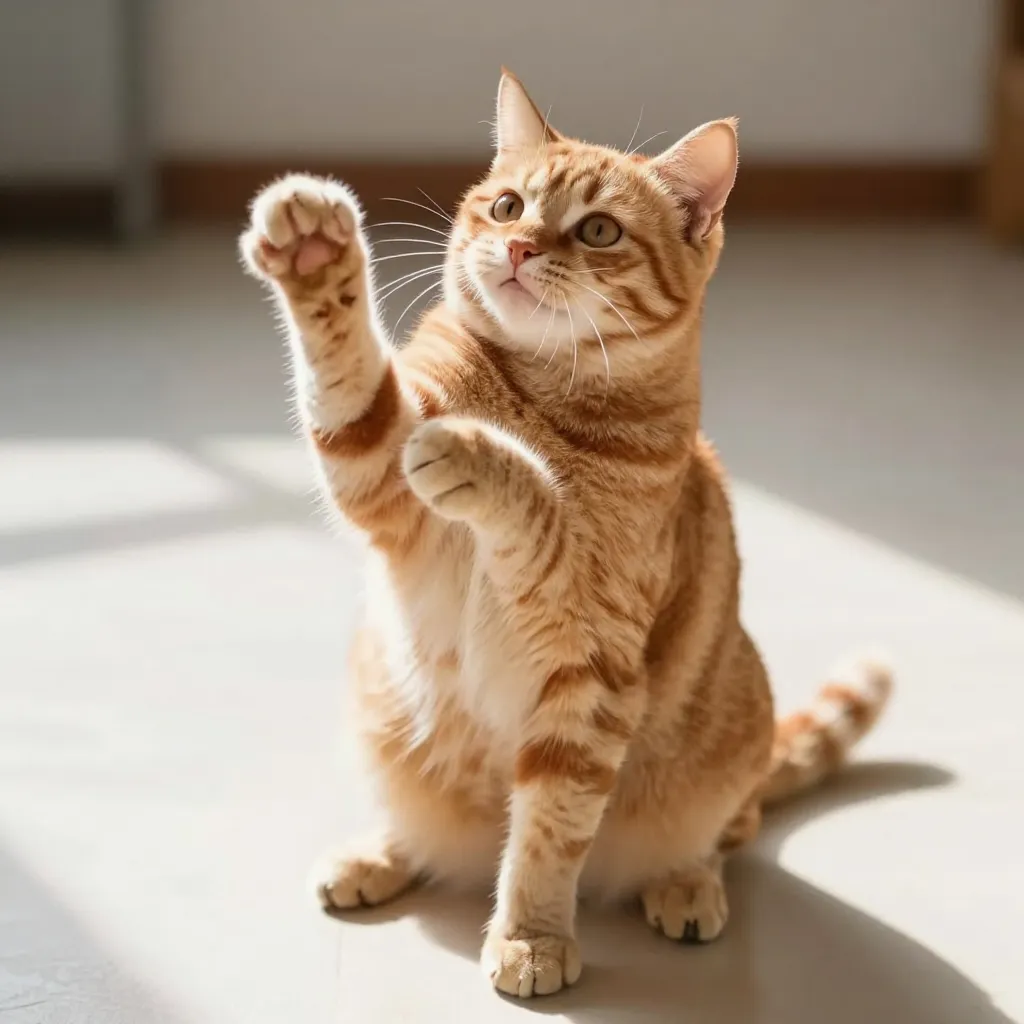
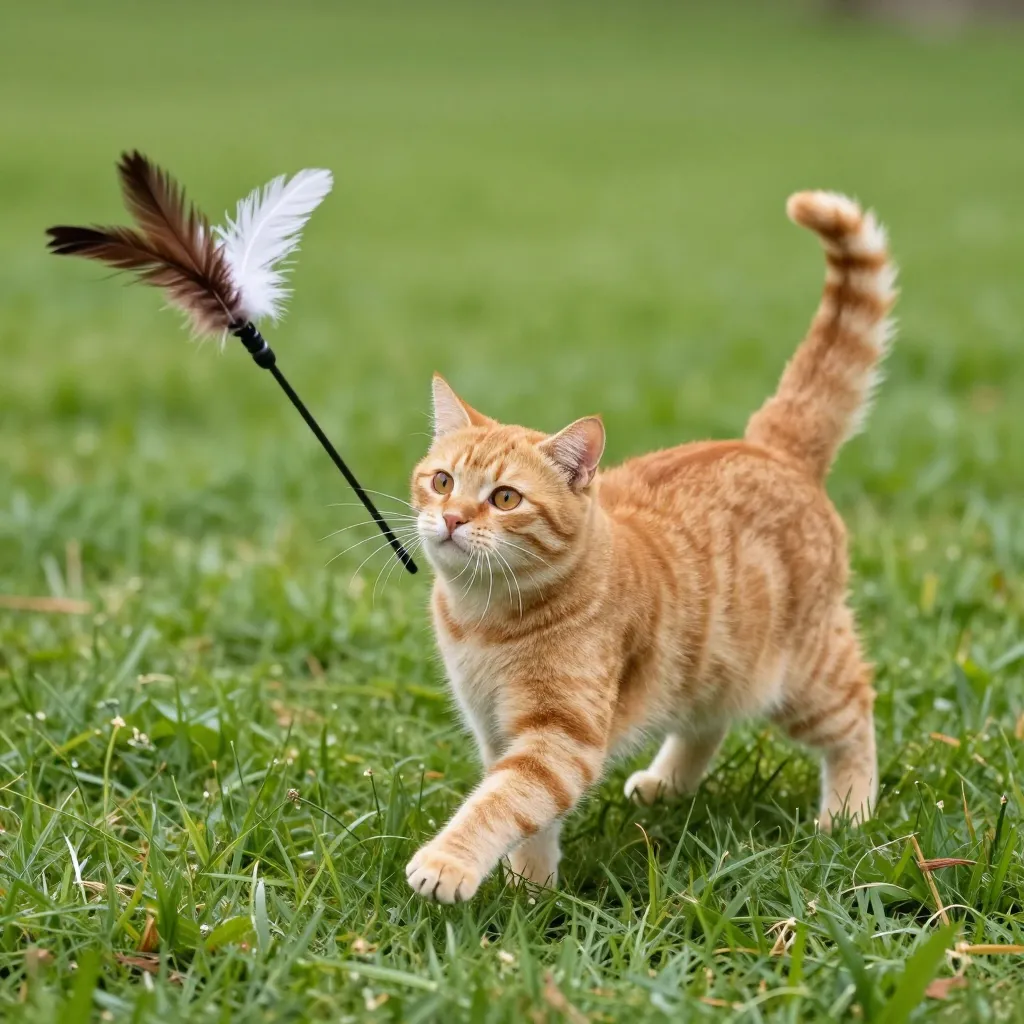
Orange tabbies need mental and physical stimulation. Bored cats can become destructive. Provide toys like wand toys, balls, and puzzle feeders. Rotate toys to keep things fresh.
Cat trees and window perches give them places to climb and watch the world. These are great for exercise and entertainment. Even a simple cardboard box can be a source of joy.
Set aside time each day for play. Even ten minutes of active play makes a difference. It strengthens your bond and keeps your cat healthy and happy.
Conclusion
Orange tabby cats are wonderful companions. Their warm looks and friendly personalities make them a joy to have around. With proper care, they can live long, happy lives.
Every orange tabby is unique. Spend time learning what your cat loves. Whether it is play, cuddles, or just sitting nearby, meet their needs with love and patience.
I hope this guide helps you on your journey with your orange tabby. They truly bring a little sunshine into every home.
FAQ About Orange Tabby Cats
1. Are orange tabby cats a specific breed?
No. Orange tabby is a coat color and pattern, not a breed. Many breeds can have this coloring.
2. Why are most orange tabbies male?
The orange fur gene is on the X chromosome. Males only need one copy, while females need two. That makes male orange tabbies more common.
3. Do orange tabby cats have a shorter lifespan?
Not necessarily. With good care, they can live 15 years or more. Their lifespan depends on genetics, diet, and overall health.
4. Are orange tabbies more affectionate than other cats?
Many people find them friendly, but every cat has its own personality. Early socialization and environment play a big role.
5. Do orange tabbies get along with dogs?
Yes, many do. They are often social and adapt well to other pets. Slow introductions and supervision help build a good relationship.