5 Natural Homemade Cat Food Recipes for Allergies
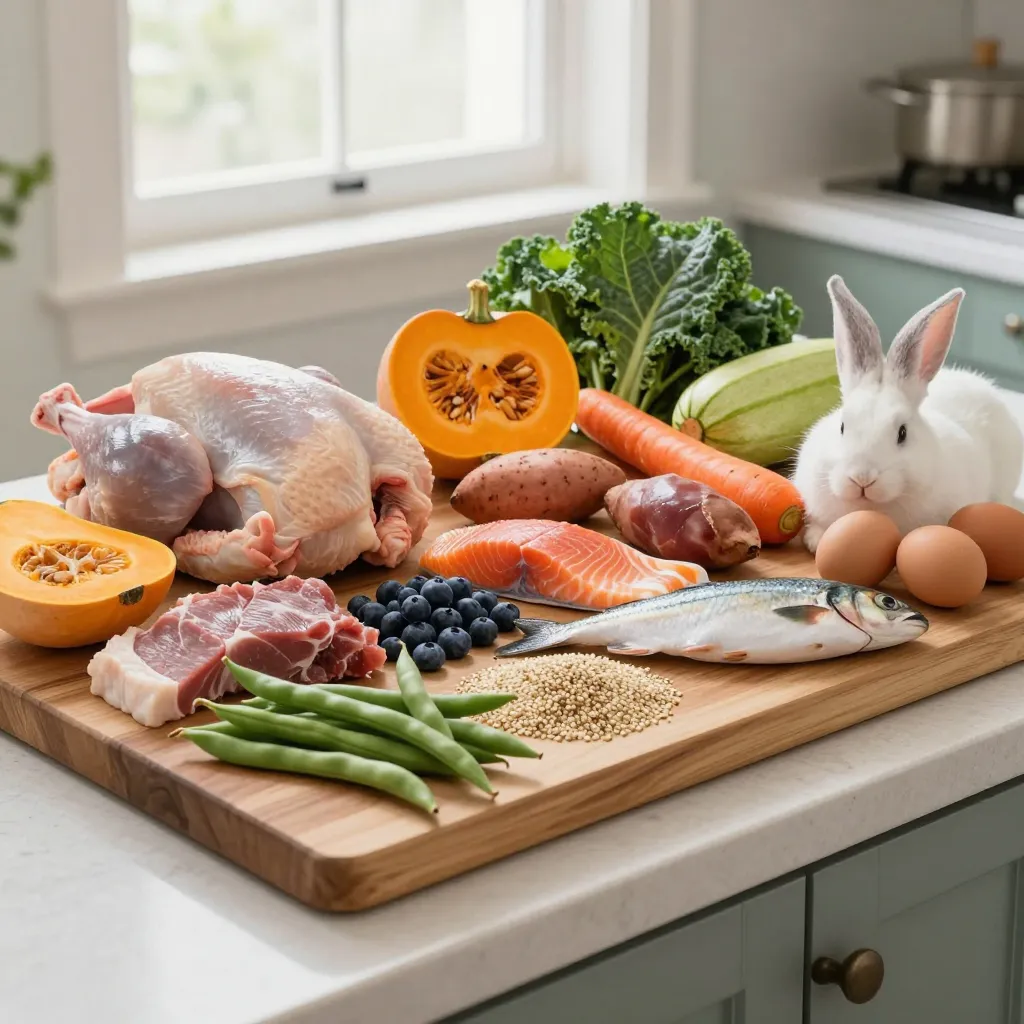
When my cat started scratching constantly and losing patches of fur, I knew something had to change. After a trip to the vet, we discovered she had food allergies. The commercial options were either expensive or filled with ingredients I didn’t recognize. That’s when I started making her food at home.
Homemade cat food gives you total control over what goes into your cat’s bowl. For allergy-prone felines, this is a game changer. You can swap out triggers like chicken or grains and focus on soothing, nutritious ingredients. These five recipes have been life savers for my own sensitive kitty, and I hope they help yours too.
Before you start, always check with your vet. Every cat is different, and what works for one might not work for another. Let’s get cooking.
Turkey and Pumpkin Dinner
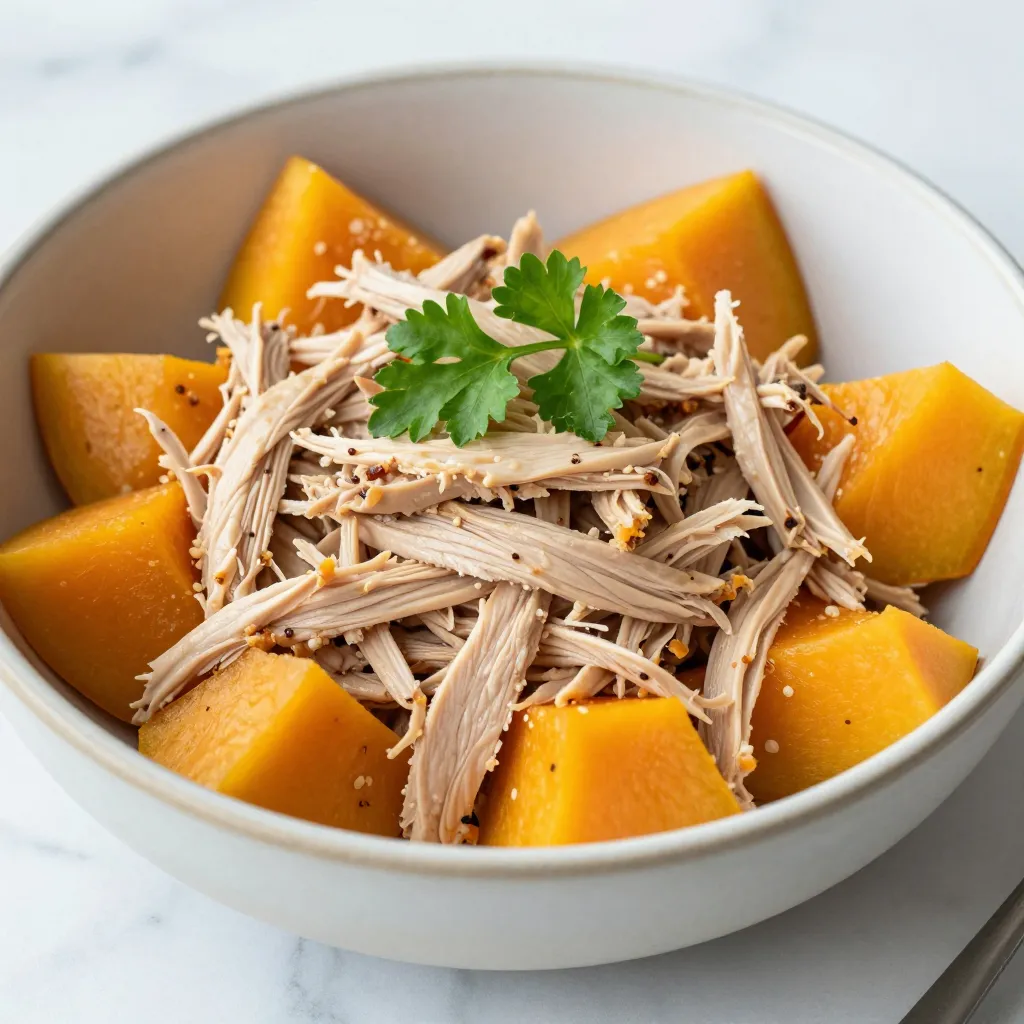
Turkey is a lean protein that rarely causes allergic reactions. Pumpkin adds fiber and helps settle upset stomachs. This was the first recipe I tried, and my cat licked the bowl clean.
Ground turkey (93% lean works best), canned pumpkin (not pie filling), and a pinch of taurine powder. Cook the turkey in a pan until no longer pink. Let it cool, then mix with two tablespoons of pumpkin per cup of turkey. Stir in taurine according to package directions.
I serve this at room temperature. Leftovers keep in the fridge for three days or freeze for up to a month. Start with small portions to see how your cat tolerates it.
Salmon and Sweet Potato Bowl
Salmon is rich in omega-3 fatty acids, which calm inflamed skin. Sweet potatoes provide vitamins and gentle carbs. If your cat has dry, flaky skin, this recipe is a must-try.
Bake a salmon fillet until flaky. Let it cool completely, then remove all bones. Mash half a cooked sweet potato. Mix one part sweet potato with three parts salmon. Add a drop of fish oil if your cat needs extra coat support.
Some cats prefer this blended into a pâté. I use a fork, but a food processor works if your cat is picky about texture. Serve fresh, not hot.
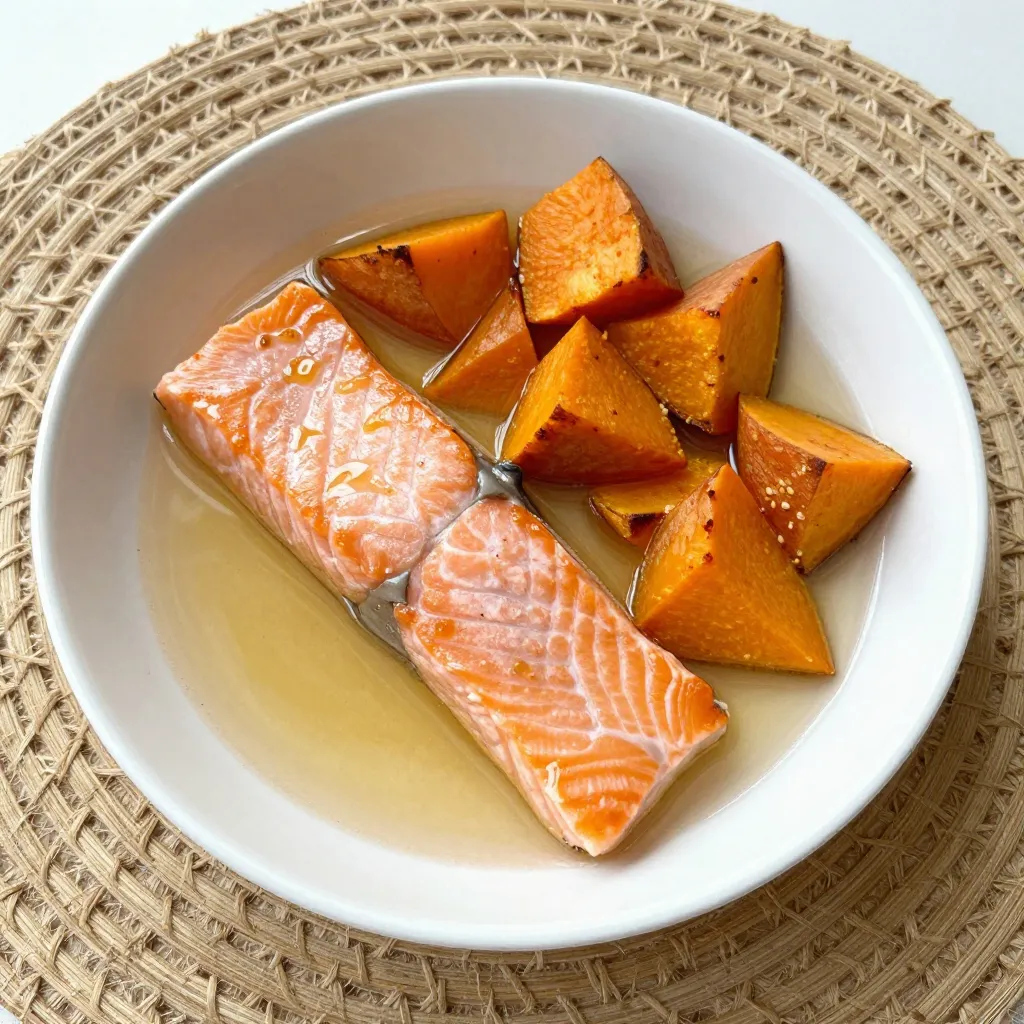
Duck and Carrot Stew
Duck is a novel protein, meaning most cats have never eaten it. That makes it perfect for allergies. Carrots offer beta-carotene and a subtle sweetness cats enjoy.
Simmer duck breast in water until cooked through. Shred the meat and save the broth. Steam carrots until soft, then mash them. Combine shredded duck, mashed carrots, and enough broth to make a stew-like consistency. Add taurine and a multivitamin for cats.
This recipe is especially good for older cats or those with dental issues. The soft texture is easy to eat, and the duck flavor is usually a hit.
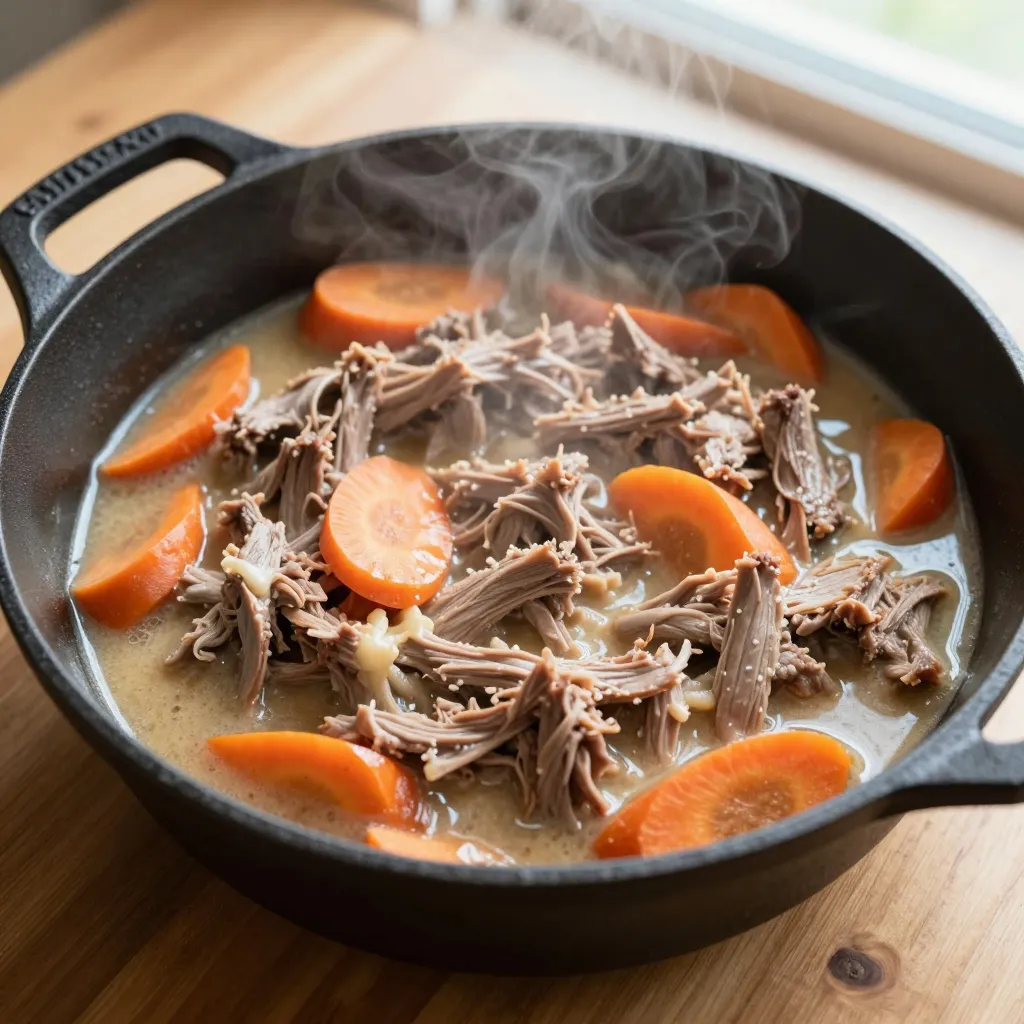
Venison and Zucchini Mix
Venison is lean and hypoallergenic. Zucchini is low-calorie and packed with hydration. This combo works well for cats who need to lose weight while managing allergies.
Ground venison can be hard to find, but many specialty pet stores carry it. Brown it in a skillet. Grate a small zucchini and sauté it lightly. Mix the venison and zucchini in a 3:1 ratio. Stir in a bit of bone broth for extra moisture.
I add a sprinkle of kelp powder for iodine. This recipe is simple, quick, and very gentle on sensitive stomachs.
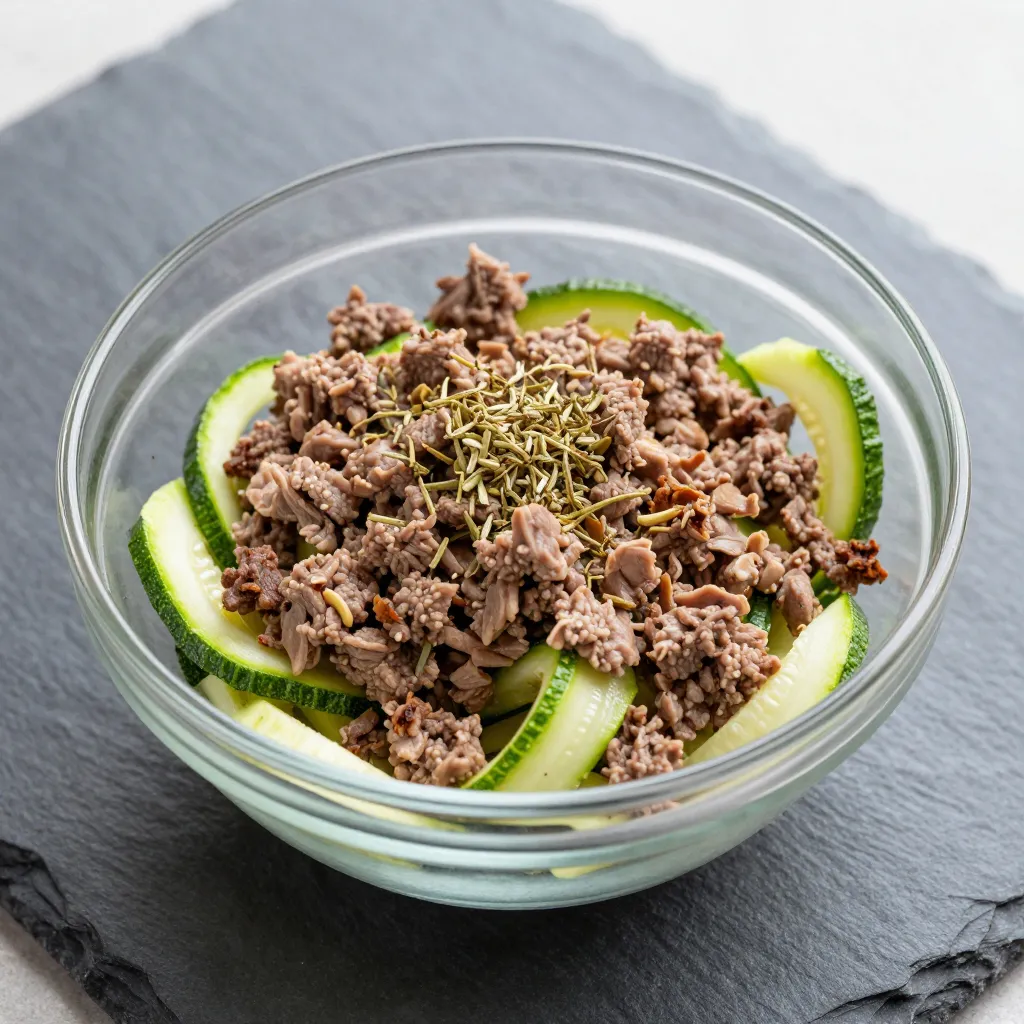
Rabbit and Blueberry Bites
Rabbit is another novel protein that rarely triggers allergies. Blueberries are packed with antioxidants that support overall health. This recipe feels fancy but is actually very easy.
Cook rabbit meat (breast or thigh) until tender. Dice it into small, bite-sized pieces. Mash a few fresh or frozen blueberries into a paste. Mix the rabbit with the blueberry paste, using just enough to coat the meat.
Blueberries are strong in flavor, so start with a tiny amount. Some cats ignore them, while others go wild. You can leave them out entirely if your cat is unsure.
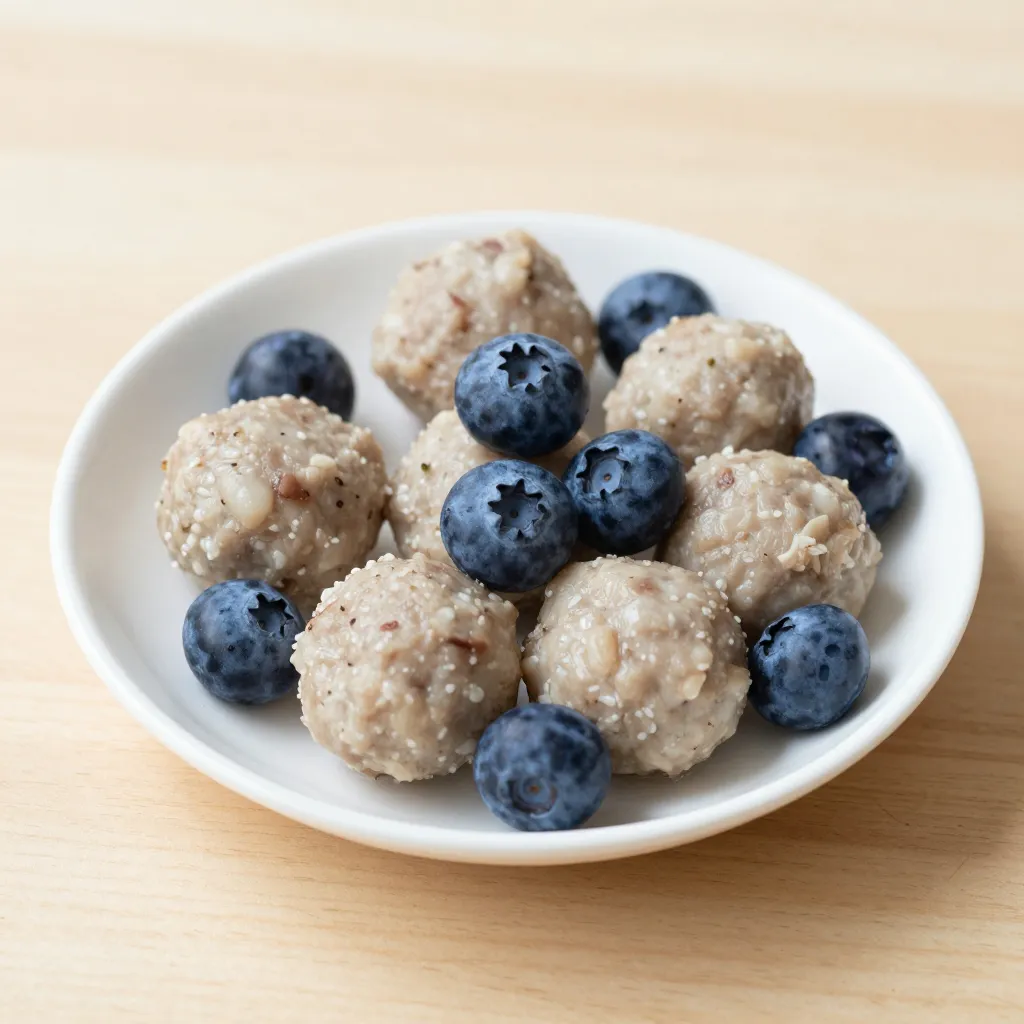
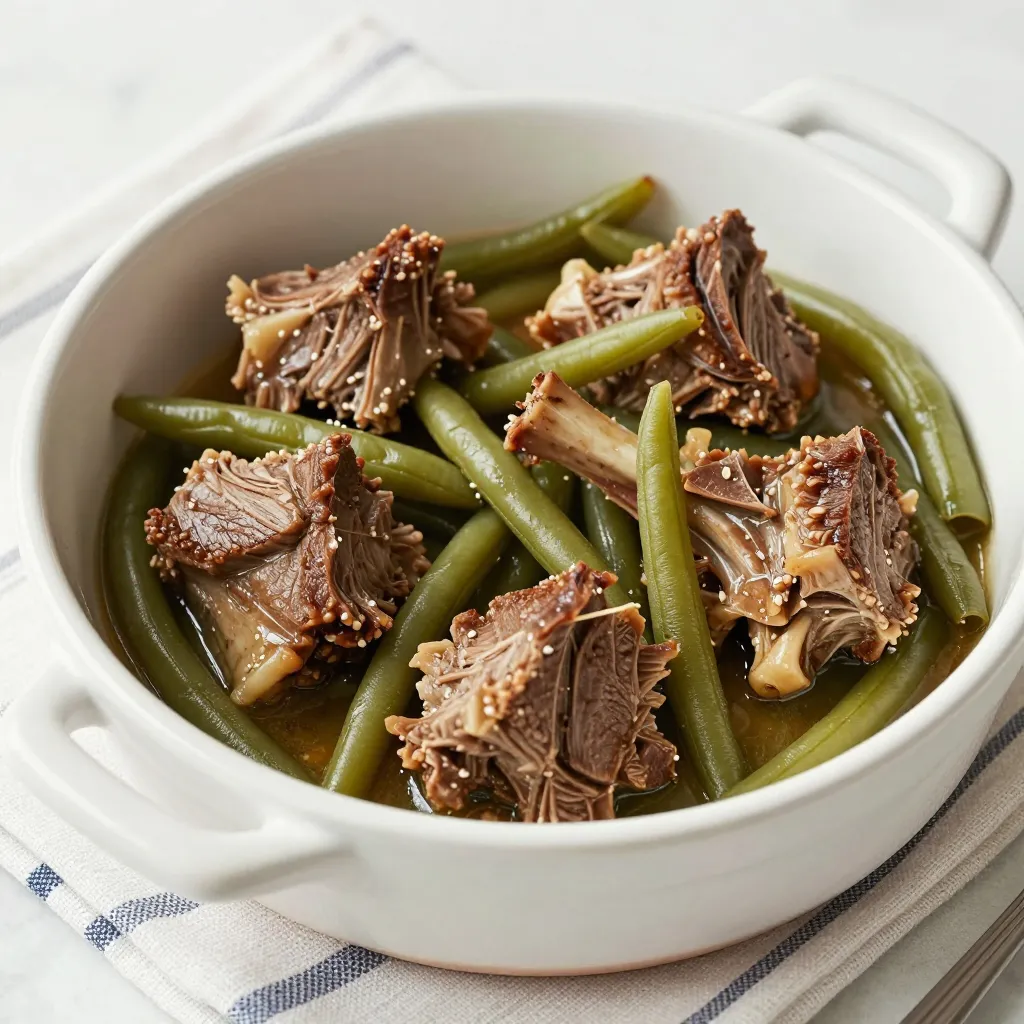
Lamb and Green Bean Casserole
Lamb is rich in iron and B vitamins. Green beans add crunch and fiber. This is a hearty recipe for cats who need extra energy.
Cook ground lamb, draining excess fat. Steam fresh green beans until tender, then chop them finely. Mix two parts lamb with one part green beans. Add a teaspoon of plain, unsweetened yogurt for probiotics if your cat tolerates dairy.
This recipe is filling and satisfying. I use it as a rotation meal so my cat doesn’t get bored with the same flavors.
Chicken-Free Fish Feast
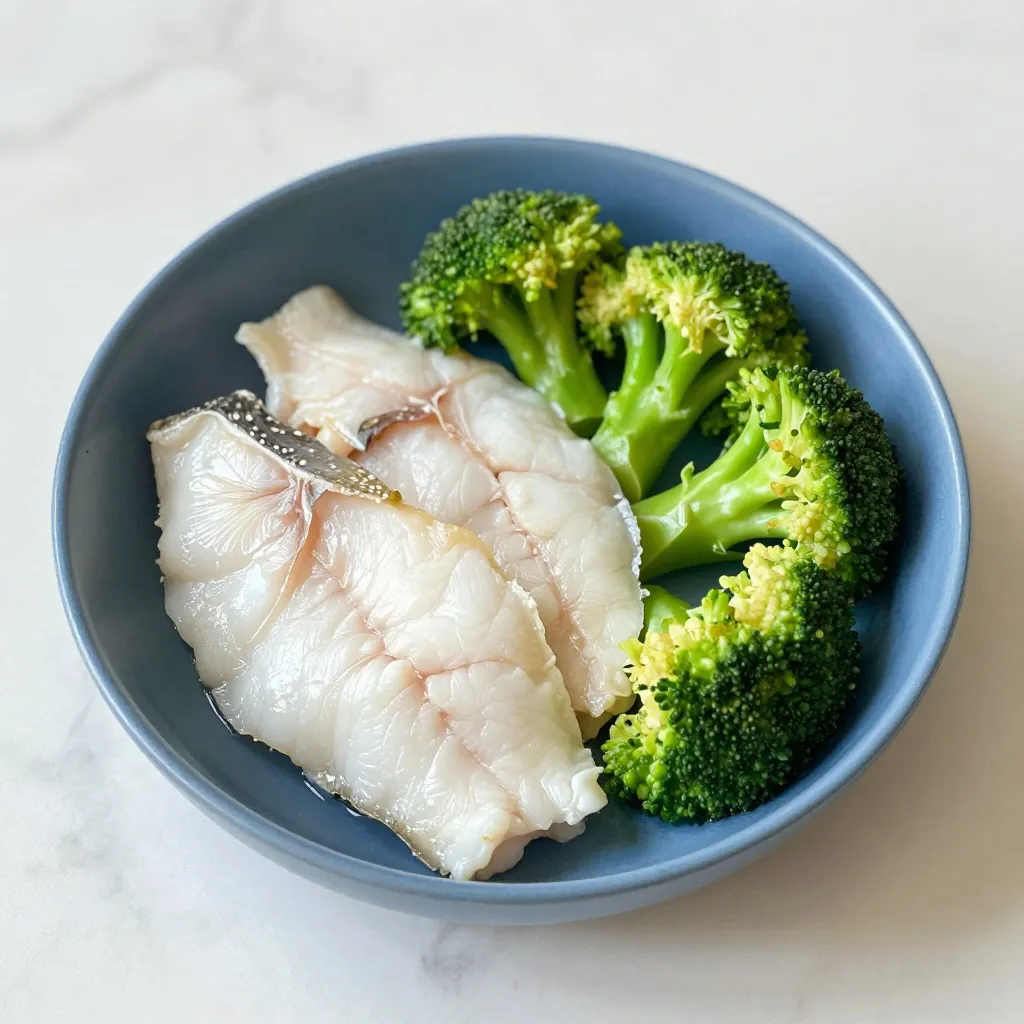
Many cats are allergic to chicken, but fish can be a safe alternative. This recipe combines white fish and sardines for variety. Just be sure to choose fish low in mercury, like cod or haddock.
Poach a white fish fillet in water until opaque. Mash it with a fork. Add one canned sardine in water (drained and mashed). Mix well. Add a pinch of taurine and a drop of vitamin E oil.
Fish is potent, so some cats might be hesitant at first. Mix it with a familiar protein to ease the transition.
Quinoa and Egg Scramble
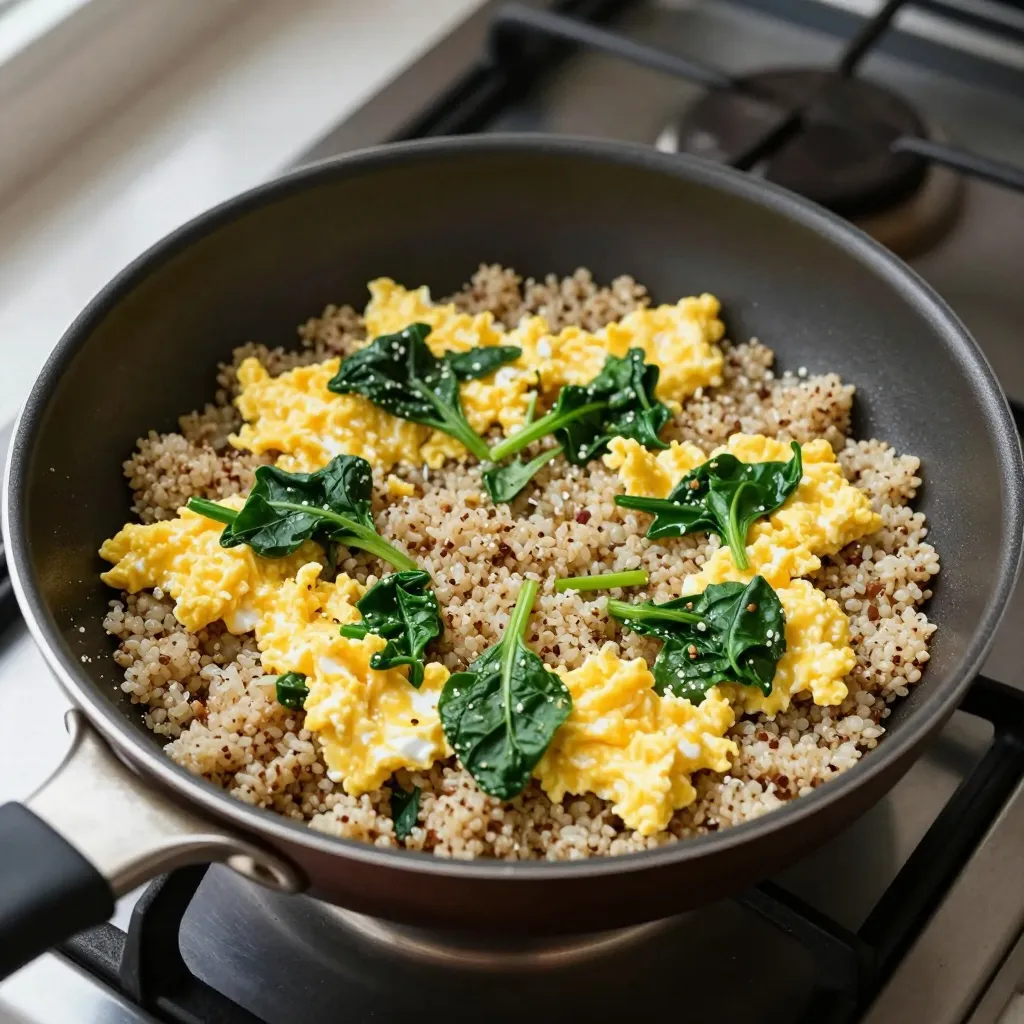
Quinoa is a grain-free seed that’s easy to digest. Eggs are a complete protein, but some cats are allergic to them. Test this recipe slowly to see if your cat reacts.
Cook quinoa according to package directions, then let it cool. Scramble one egg in a non-stick pan without oil. Mix the scrambled egg with a quarter cup of quinoa. Add a spoonful of plain pumpkin puree for extra fiber.
This is a breakfast-style meal that works well for small portions. Don’t overfeed, as eggs are rich.
Pork and Kale Simple Supper
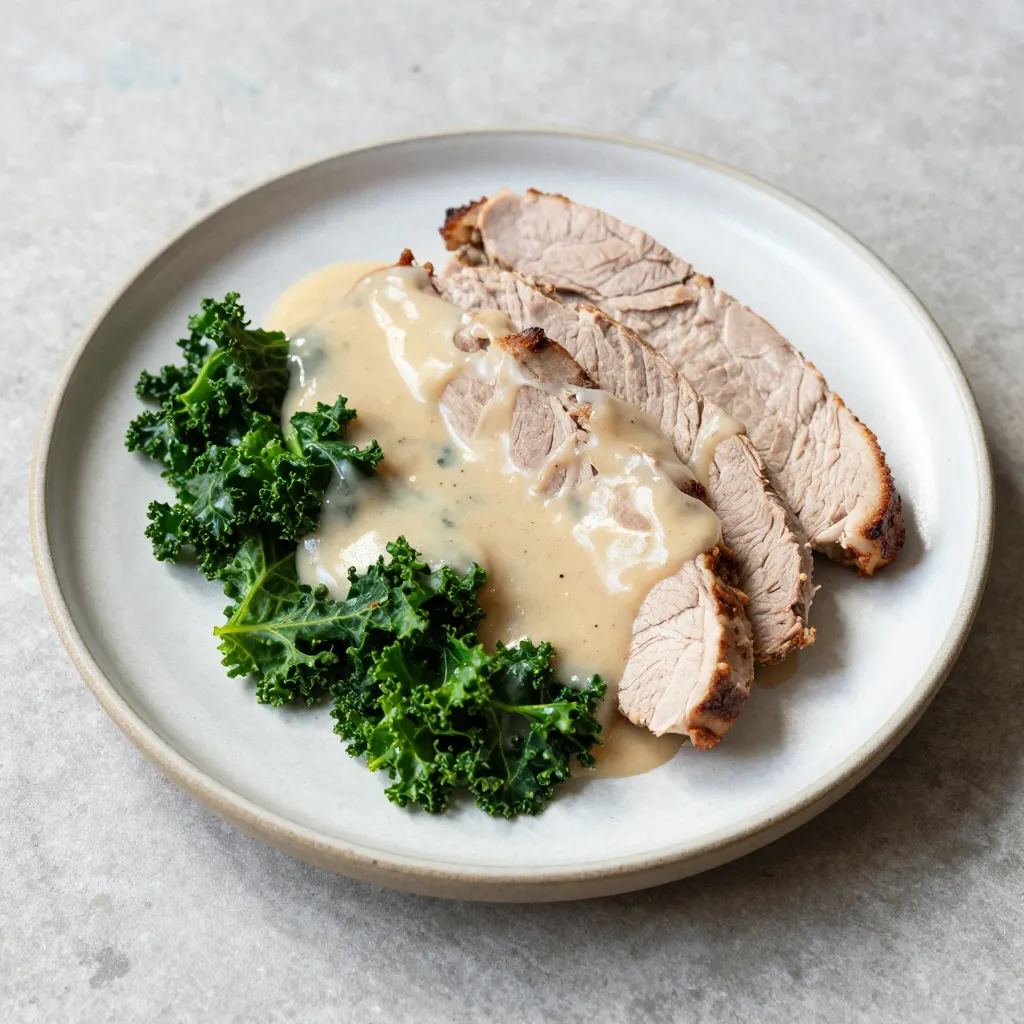
Pork is surprisingly hypoallergenic for many cats. Kale is a superfood loaded with vitamins A, C, and K. Together, they make a nutrient-dense meal.
Cook lean pork loin thoroughly, then dice it into tiny cubes. Steam kale until soft, then chop it very fine. Mix one part kale with three parts pork. Add a splash of fish oil for omega-3s.
Kale can be bitter, so start with a small amount. If your cat turns up their nose, substitute spinach or Swiss chard.
Bison and Butternut Squash Mash
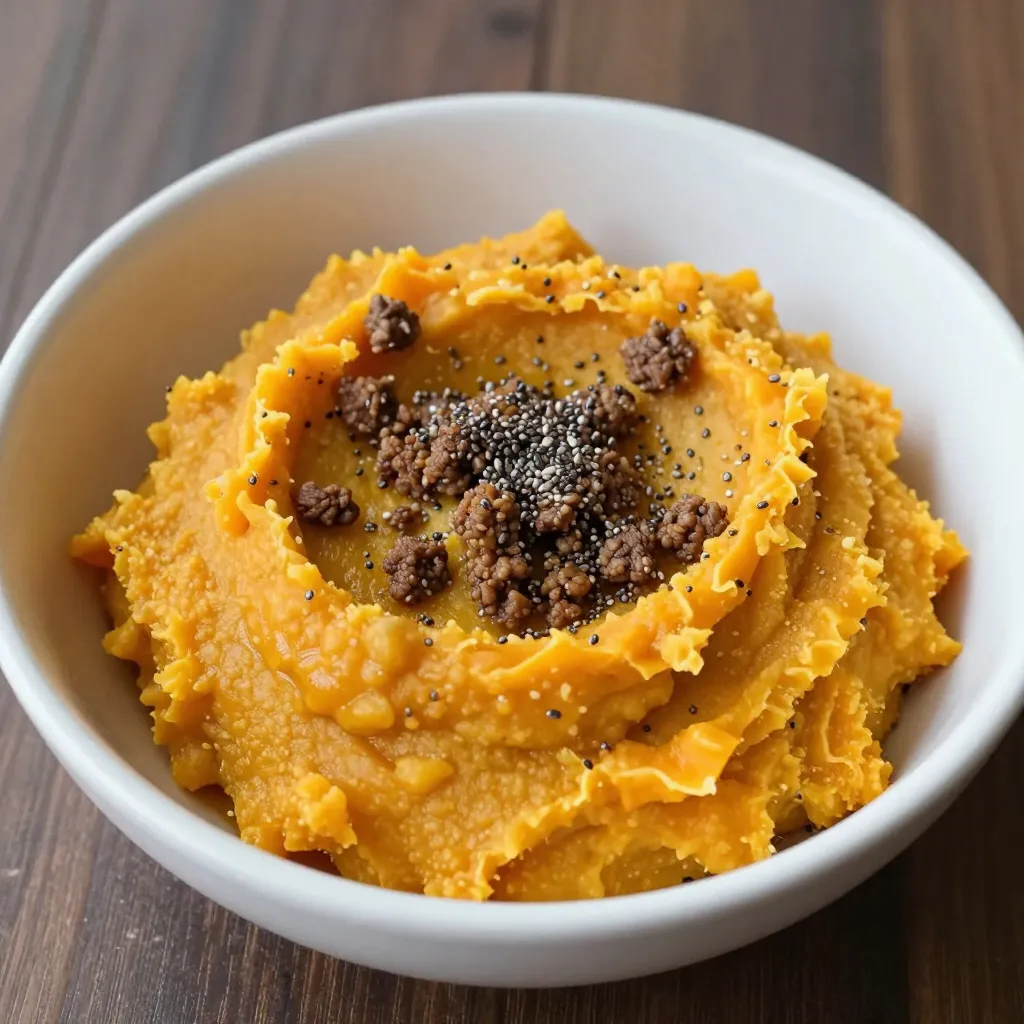
Bison is lean and exotic, perfect for cats with multiple allergies. Butternut squash is soothing and rich in vitamin A. This recipe is like a warm hug for your cat’s belly.
Brown ground bison in a skillet. Roast butternut squash cubes until soft, then mash them. Combine the bison and squash in a 2:1 ratio. Stir in a pinch of taurine and a little bone broth for moisture.
This recipe freezes well, so I make a big batch and portion it out. It’s my go-to for days when my cat seems extra itchy or uncomfortable.
Conclusion
Homemade cat food has transformed my kitty’s health. Her coat is shinier, her itching has stopped, and she has more energy than ever. The recipes above are just starting points. Feel free to adjust proteins and veggies based on your cat’s preferences and allergy triggers.
Remember to introduce new foods slowly over a week. Watch for any signs of digestive upset or skin reactions. And always consult your vet before making big dietary changes. Your cat deserves food that makes them feel amazing, and these recipes are a wonderful step in that direction.
Happy cooking, and give your cat a scratch behind the ears for me.
Frequently Asked Questions
Can I feed my cat homemade food every day?
Yes, but it needs to be balanced. Work with your vet or a pet nutritionist to ensure your cat gets all necessary nutrients, especially taurine, which is essential for heart and eye health.
How do I know if my cat has a food allergy?
Common signs include itching, hair loss, ear infections, and digestive issues like vomiting or diarrhea. A vet can help confirm allergies through an elimination diet.
What if my cat refuses a new recipe?
Mix a small amount of the new food with their current diet. Gradually increase the ratio over a week. Some cats need time to adjust to new textures and flavors.
Can I use raw meat in these recipes?
Raw diets carry risks of bacteria like Salmonella. If you choose raw, source high-quality meat and follow strict hygiene. Many vets recommend lightly cooking meat to reduce risk.
How long does homemade cat food last in the fridge?
Most recipes stay fresh for 3 to 4 days in an airtight container. For longer storage, freeze portions and thaw them as needed. Never leave food out for more than an hour.