The Complete Beginner’s Guide to Grooming Your Dog (Without the Stress!)
When I adopted my first dog, I thought grooming just meant a quick bath every few months. Boy, was I wrong. I quickly learned that grooming is about way more than looks—it’s about keeping your dog healthy, comfortable, and happy. And honestly, it’s also a amazing way to bond.
If you’re new to this whole dog grooming thing, don’t worry. I’ve been there, covered in fur, wondering why my dog suddenly looks like a different breed. This guide walks you through everything I wish I’d known from day one. No fancy salon skills required—just patience, treats, and a little practice.
Let’s dive into the 10 steps that turned my grooming chaos into a calm(ish) routine. You’ve got this.
1. Gather the Right Tools Before You Start
I used to think I could get away with my own hairbrush and some dish soap. Trust me, that’s a recipe for a tangled, itchy disaster. Dogs need tools made for their coat type and skin.
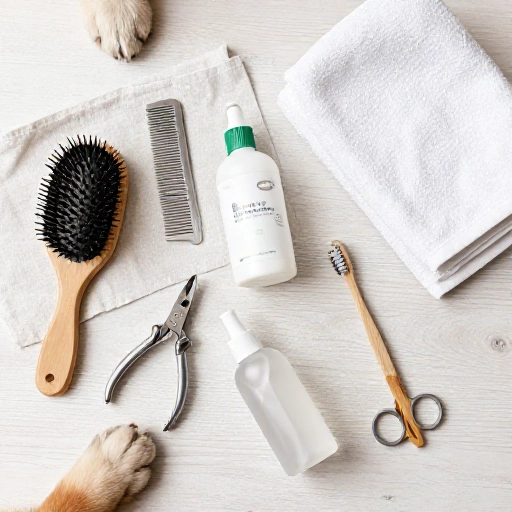
Here’s what I keep in my grooming basket now: a slicker brush, a metal comb, nail clippers, dog-safe shampoo, a couple of absorbent towels, styptic powder (for nail accidents), ear cleaner, and a dog toothbrush with toothpaste. You don’t need everything on day one, but having the basics ready makes you feel way less panicked.
Pro tip: store it all in one easy-to-grab caddy. When your dog sees the caddy, they’ll start to know what’s coming—and with treats, that’s not a bad thing.
2. Brushing: The Daily Habit That Changes Everything
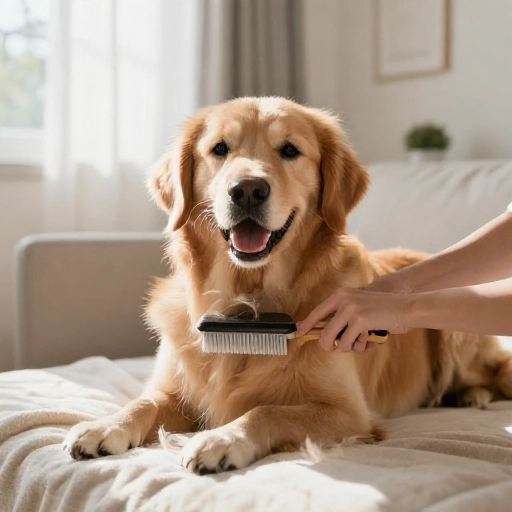
Brushing is the MVP of grooming. It removes loose hair, prevents painful mats, spreads natural oils, and lets you check for lumps, bumps, or ticks. I try to brush my dog for just 5 minutes a day, and it’s made a huge difference.
Start slow. Let your dog sniff the brush, then brush one small area and give a treat. Gradually work up to longer sessions. Always brush in the direction the hair grows, and be extra gentle around the belly, ears, and tail.
How often you brush depends on the coat. Short-haired dogs might need once a week. Long-haired or double-coated dogs? Daily is your new best friend. When in doubt, ask your vet or a groomer for a quick demo.
3. Bath Time Without the Chaos
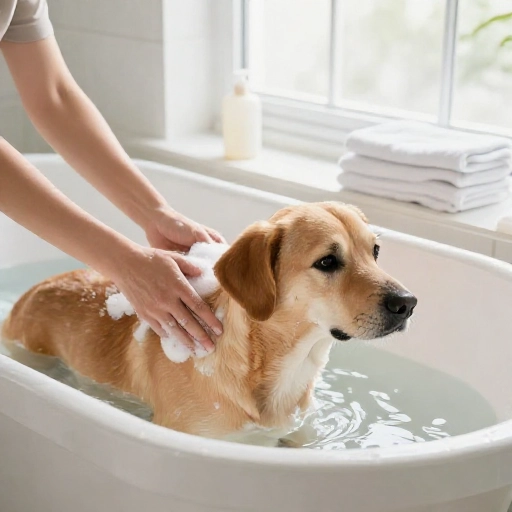
I used to dread bath time. Now it’s actually kind of fun—mostly because I learned a few tricks. First, don’t over-bathe. Most dogs only need a bath every 4–8 weeks, unless they roll in something gross.
Use lukewarm water and a shampoo made for dogs (human shampoo messes with their skin pH). Wet them from the neck down, avoiding the eyes and ears. Lather, rinse, and rinse again—leftover soap causes itching. A cup or a handheld sprayer works great for rinsing.
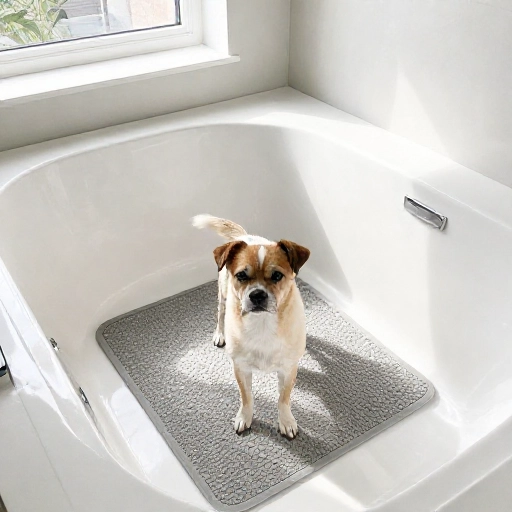
If your dog hates the tub, try a non-slip mat and a smear of peanut butter on the wall. Distraction is your secret weapon.
4. Drying Your Dog (Yes, It Matters)
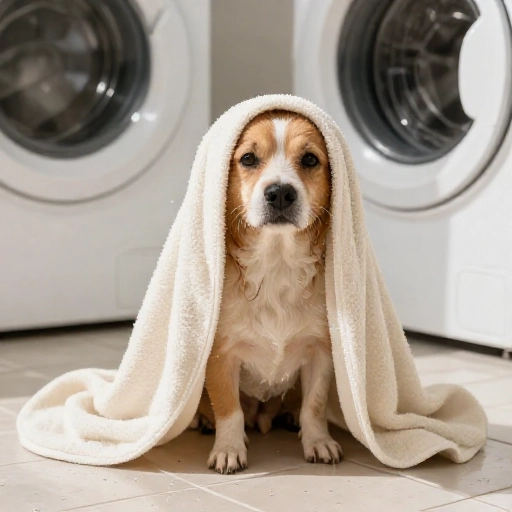
After a bath, I used to just let my dog air dry. Big mistake—especially for thick coats. Damp fur can lead to hot spots, mats, and that lovely wet-dog smell that lingers for days.
First, towel dry as much as you can. Then, if your dog tolerates it, use a blow dryer on the lowest heat and speed setting. Keep it moving and hold it at least 6 inches away. If your dog is scared, just stick with towels and a warm room.
Never leave a wet dog in a crate or closed room. They need to dry off completely, especially in winter.
5. Nail Trimming: A Little Scary but Doable
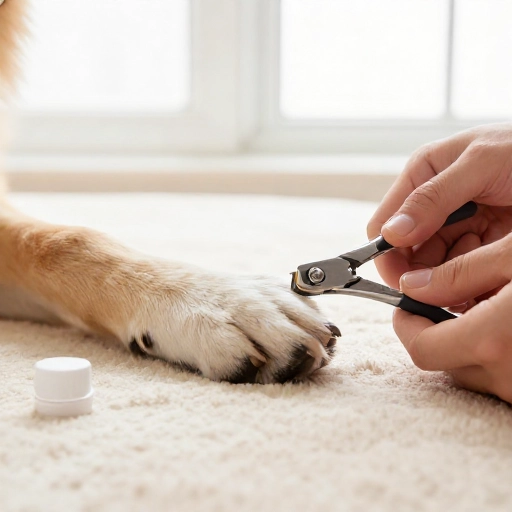
I’ll be honest: nail trimming still makes me nervous. But it’s one of the most important grooming tasks. Overgrown nails can cause pain, deform paws, and even lead to arthritis. So I learned to do it safely.
Use sharp clippers made for dogs. Hold one paw firmly but gently. Trim tiny bits at a time—you’re looking for the pink “quick” inside the nail. If you can’t see it, just take off the very tip. Keep styptic powder nearby in case you nick the quick.
If your dog has black nails or hates having their paws touched, ask your vet or groomer to show you how. There’s no shame in getting help. I did, and it saved us both a lot of stress.
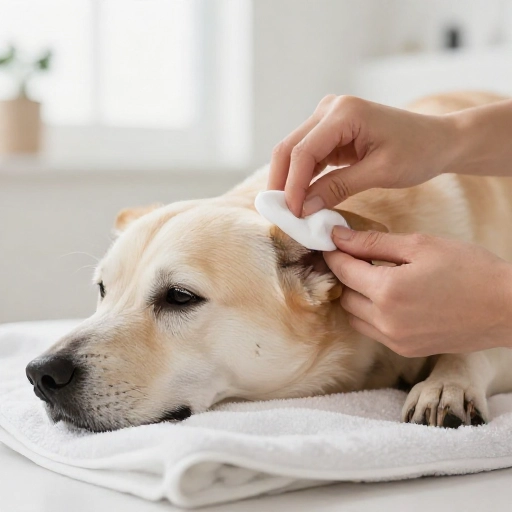
6. Ear Cleaning: Gentle and Quick
Dog ears can get gross fast—especially if they’re floppy or your dog loves swimming. I check my dog’s ears once a week. If they smell bad or look red, it’s vet time.
For routine cleaning, use a vet-approved ear cleaner and a cotton ball. Never stick Q-tips down the ear canal. Squirt a little cleaner in, massage the base of the ear, then let your dog shake. Wipe away the gunk with the cotton ball.
Make it a treat party. One ear, treat. Other ear, treat. Done in 30 seconds.
7. Don’t Ignore Those Pearly Whites
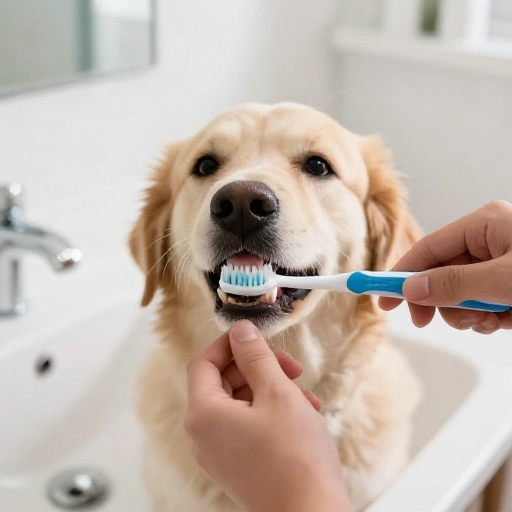
I used to think dog dental care was optional. Then my vet showed me the tartar buildup on my dog’s back teeth. Yikes. Dental disease is super common and can lead to heart and kidney problems.
Brushing your dog’s teeth is the gold standard. Use a dog toothbrush and enzymatic dog toothpaste (never human toothpaste). Start by letting them lick the paste, then brush just a few teeth. Build up slowly.
If brushing is a no-go, dental chews and water additives help—but they’re not a replacement. Aim for a few brushes a week. Your dog’s breath will thank you.
8. Trimming Hair Around Eyes, Paws, and Sanitary Areas
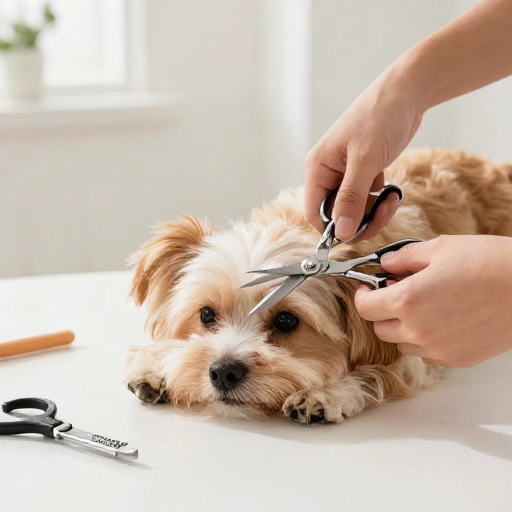
This is the part where I almost gave up. But a little trimming keeps your dog comfortable and clean. Hair around the eyes can cause irritation. Hair between paw pads collects ice, mud, and burrs. And sanitary areas—well, you know.
Use blunt-tipped scissors or small clippers. Always point the scissors away from the skin. For eyes, I trim just the tips of the hairs that hang over. For paws, I trim the hair flush with the pads. For sanitary areas, be extra careful and use a guard comb if you’re unsure.
If your dog wiggles like crazy, stop. Do one tiny area per day. Or book a professional groomer for the tricky spots. No shame in that.
9. Paw and Pad Care
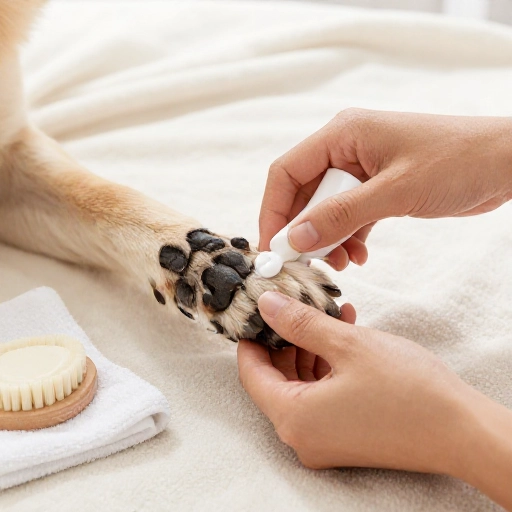
Paws take a beating. Hot pavement, icy sidewalks, salt, and rough terrain can crack pads and cause pain. I check my dog’s paws after every walk.
Look for cuts, foreign objects, or cracked pads. Rinse off salt and ice melt with warm water. If pads are dry, rub in a dog-safe paw balm. And if you walk on hot days, press your hand to the pavement for 5 seconds—if it’s too hot for you, it’s too hot for them.
Keeping the hair between the pads trimmed also helps prevent slipping and matting. A little maintenance goes a long way.
10. Turn Grooming Into a Positive Routine
Here’s the secret I wish I’d known earlier: grooming is not a one-time event. It’s a routine. And the best way to make it easy is to make it positive.
Keep sessions short—5 to 10 minutes. Have high-value treats ready. Start with the easiest task (like brushing) and end with a fun game or a walk. If your dog pulls away, don’t force it. Just try again tomorrow.
I now groom my dog a little bit every day: brush, check ears, handle paws, maybe a quick toothbrush swipe. It’s become our calm cuddle time. And when I do need to do a full bath or nail trim, my dog is way more relaxed.
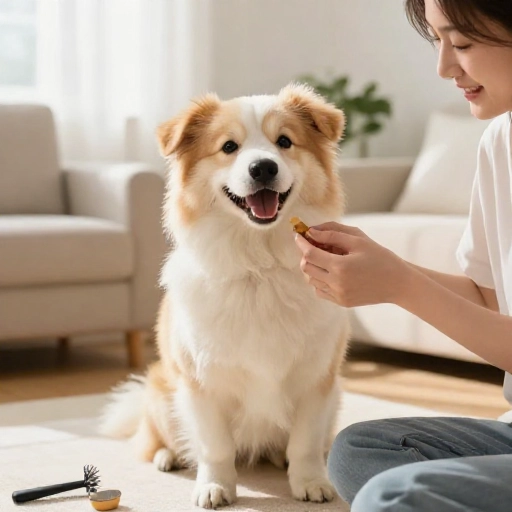
Final thoughts: Grooming your dog doesn’t have to be a battle. Start small, use treats generously, and celebrate every tiny win. You’ll both get better with practice. And remember—if you ever feel stuck, your vet or a professional groomer is there to help. You’re doing great just by showing up for your pup.
Frequently Asked Questions
Q: How often should I bathe my dog?
A: Every 4–8 weeks is usually enough. If your dog has skin issues or gets dirty often, ask your vet for a custom schedule.
Q: My dog hates having their nails trimmed. What can I do?
A: Try one nail per day with lots of treats. If that doesn’t work, ask your vet or groomer to do it. You can also try a nail grinder—some dogs prefer it.
Q: Can I use human shampoo on my dog?
A: No. Human shampoo is too harsh and can cause dry, itchy skin. Always use a shampoo made for dogs.
Q: How do I know if my dog’s ears need cleaning?
A: Check weekly. If they look red, smell bad, or your dog shakes their head a lot, see your vet. Otherwise, a gentle wipe with a dog ear cleaner is fine.
Q: What if my dog won’t let me brush their teeth?
A: Start by letting them lick dog toothpaste off your finger. Then wrap a gauze pad around your finger and rub their teeth. Gradually move to a toothbrush. Dental chews can help in the meantime, but brushing is best.