Signs Your Cat Is Sick and Needs a Vet
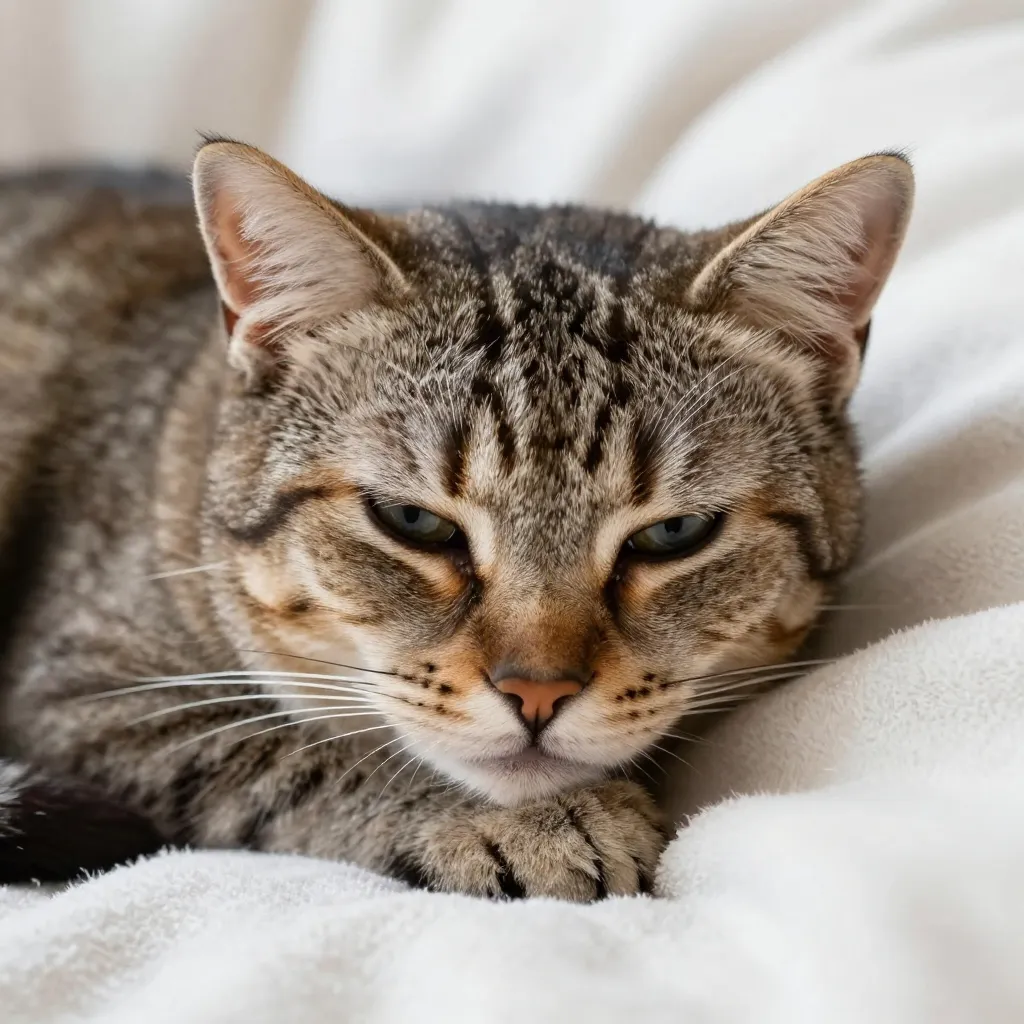
I’ve had cats my whole life, and I know how hard it can be to tell when something’s wrong. They’re masters at hiding pain. One day they’re purring on your lap, the next they’re hiding under the bed. You don’t want to overreact, but you also don’t want to wait too long.
Here’s the truth: cats show subtle changes long before they stop eating or drinking. If you catch these early signs, you can get them help before things get serious. I’m sharing the ten most common red flags I’ve seen and learned about—both from my own cats and from talking to vets over the years.
Trust your gut. You know your cat better than anyone. If something feels off, it probably is.
1. They Stop Grooming
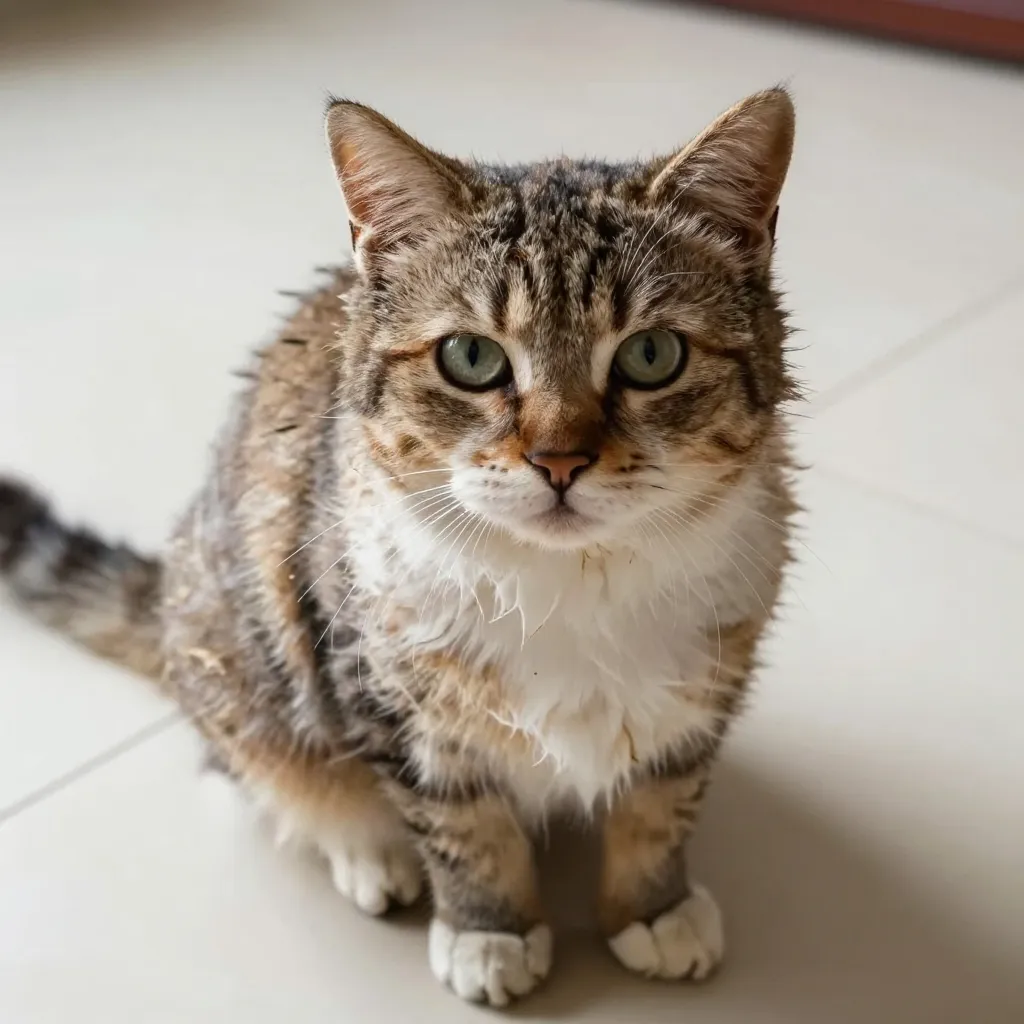
Cats are fastidious groomers. A clean, shiny coat is a sign of a healthy cat. When a cat stops grooming, it’s often because they feel too tired or too sick to bother.
You might notice mats forming behind their ears or along their back. Their fur might look dull or greasy. A sick cat may also groom one spot obsessively, trying to soothe a sore joint or a painful tooth.
If your cat’s coat goes from sleek to unkempt in just a few days, it’s worth a vet visit.
2. Hiding More Than Usual
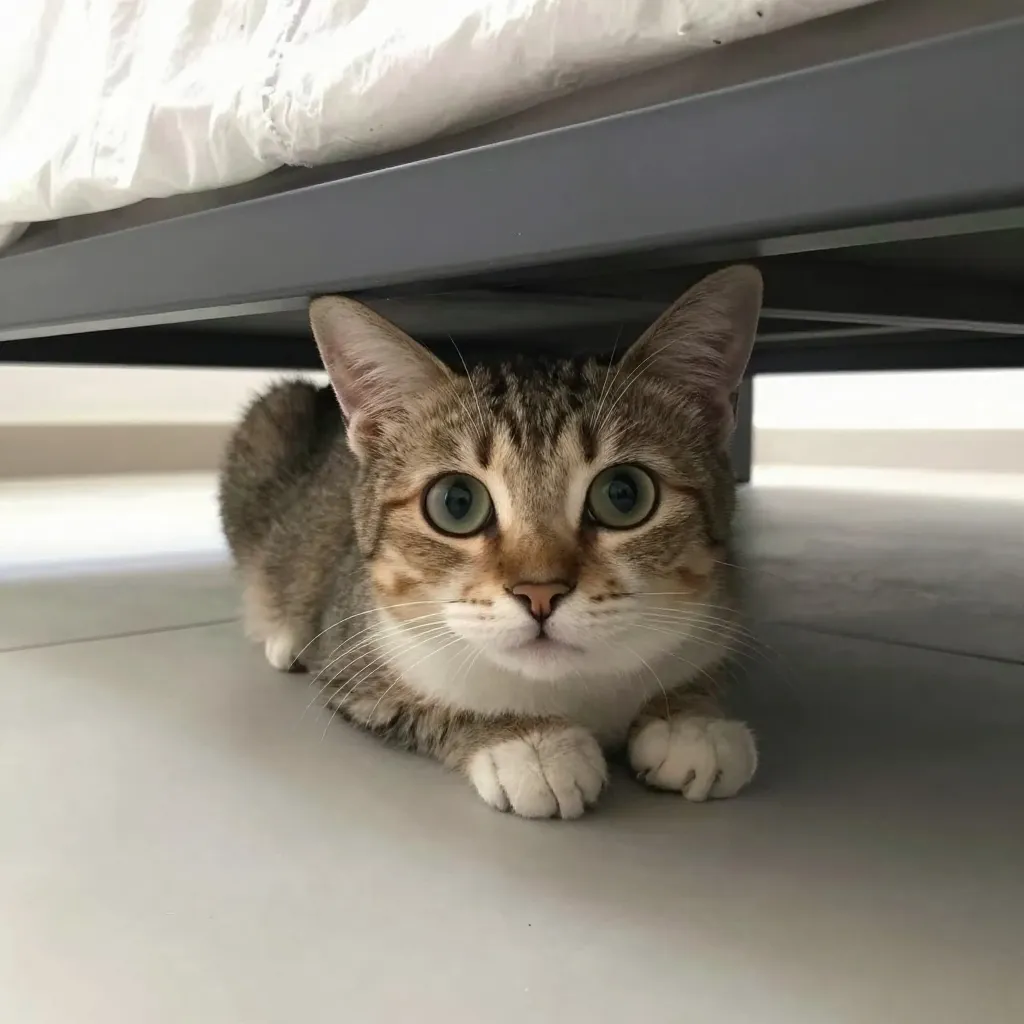
My cat Milo used to sleep in the middle of the living room floor. When he started wedging himself behind the couch, I knew something was wrong. Cats hide when they feel vulnerable. It’s a survival instinct.
If your cat is suddenly avoiding people, other pets, or their favorite spots, take note. Hiding combined with not eating is a serious warning sign. Don’t wait more than 24 hours to call your vet.
A hiding cat isn’t just being shy. They’re telling you they don’t feel safe or well.
3. Changes in Appetite or Thirst
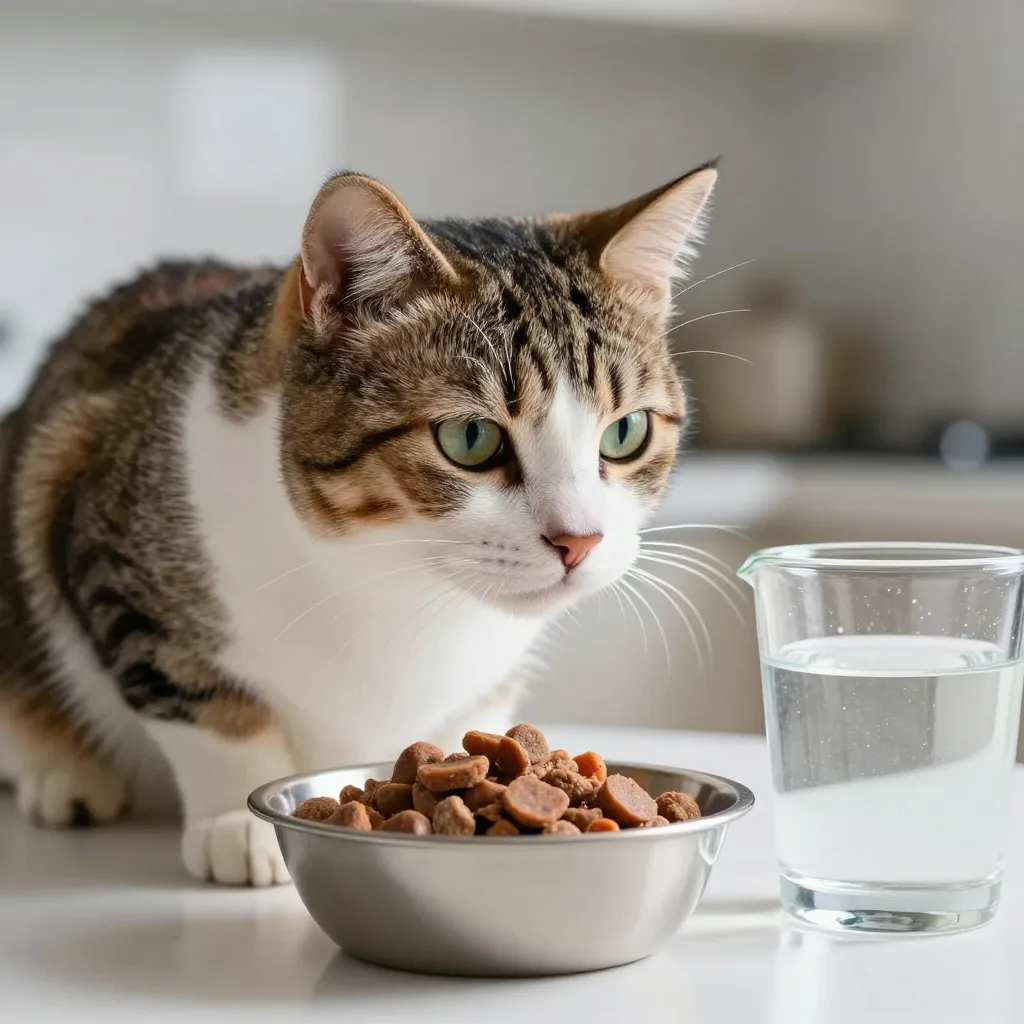
This one is tricky because some cats are picky eaters by nature. But a sudden loss of interest in food—or suddenly eating like they’re starving—can both be bad signs.
- Not eating for more than 24 hours can lead to a dangerous condition called hepatic lipidosis.
- Drinking excessive water might point to kidney disease, diabetes, or thyroid issues.
- Eating less but drinking more? That’s also a red flag.
Track how much they eat and drink over a couple of days. If you see a clear shift, make an appointment.
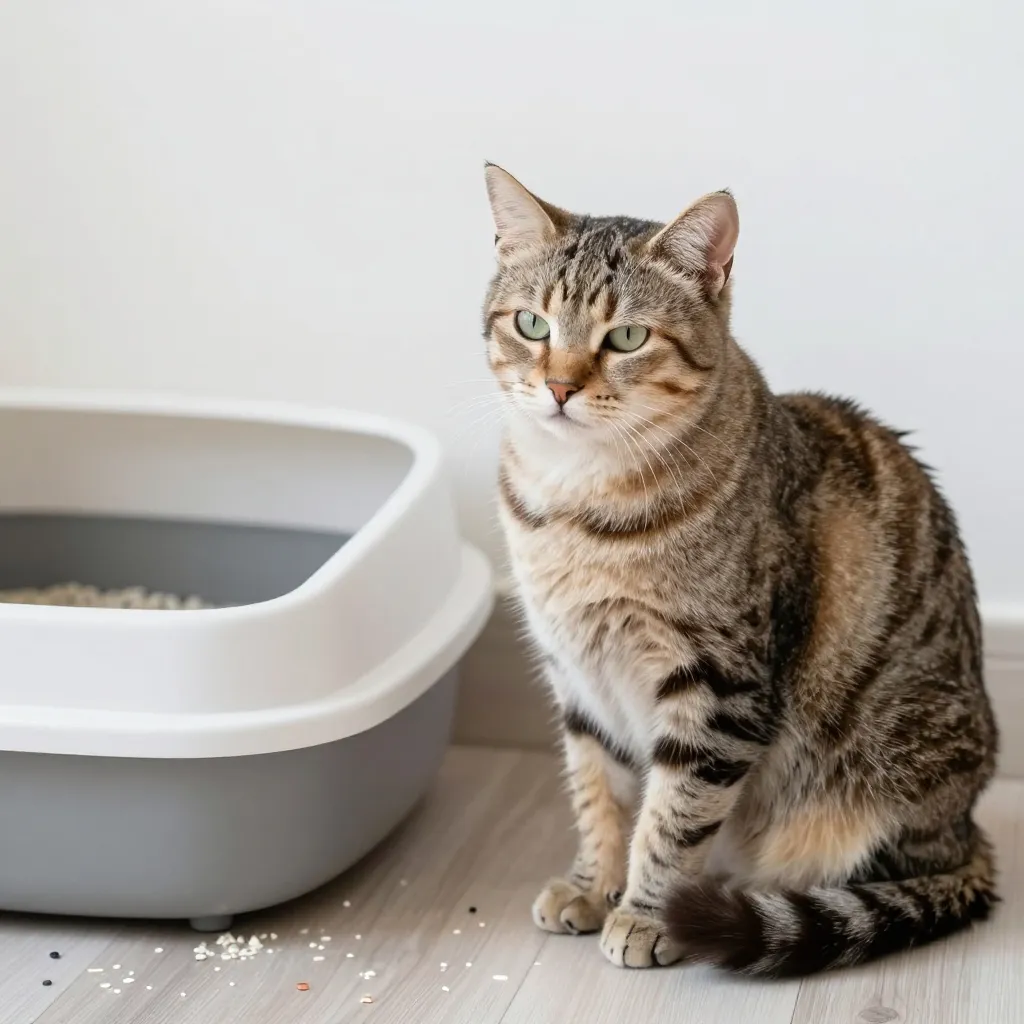
4. Litter Box Troubles
If your cat starts peeing outside the box, straining to go, or crying in the litter box, don’t get mad—get worried. Urinary issues are common and can become emergencies fast.
Look for blood in the urine, very small amounts, or your cat going in and out of the box repeatedly. Male cats especially can get blocked, which is life-threatening within 24 hours.
Also watch for diarrhea or constipation lasting more than two days. Changes in poop texture or frequency matter.
5. Lethargy and Weakness
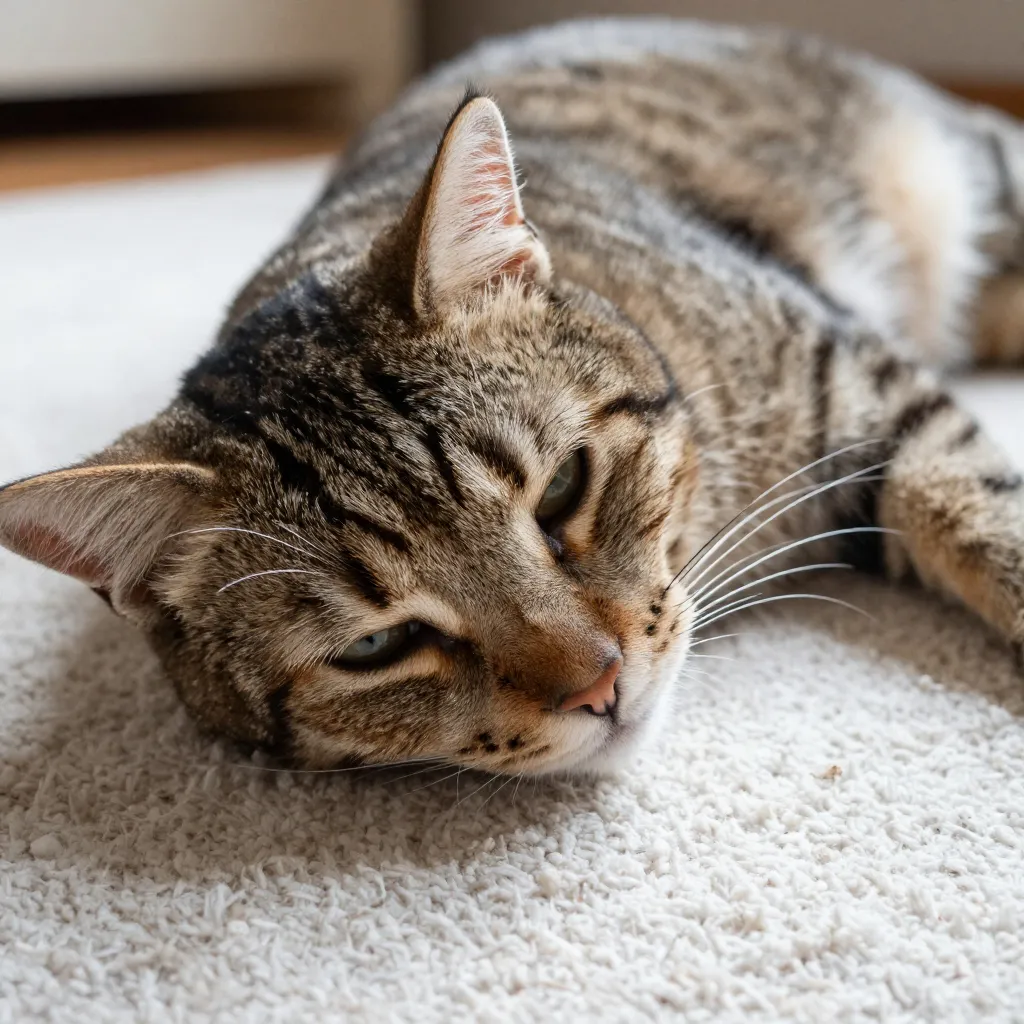
Your cat may sleep a lot—that’s normal. But lethargy is different. It’s when they don’t get up for treats, don’t come to greet you, or seem weak when they walk.
If your cat is sleeping in odd positions or seems wobbly, that’s a sign of illness. A healthy cat should have enough energy to play a little or at least move to a sunny spot.
Lethargy plus not eating is a double red flag. Don’t wait around.
6. Vomiting or Regurgitation
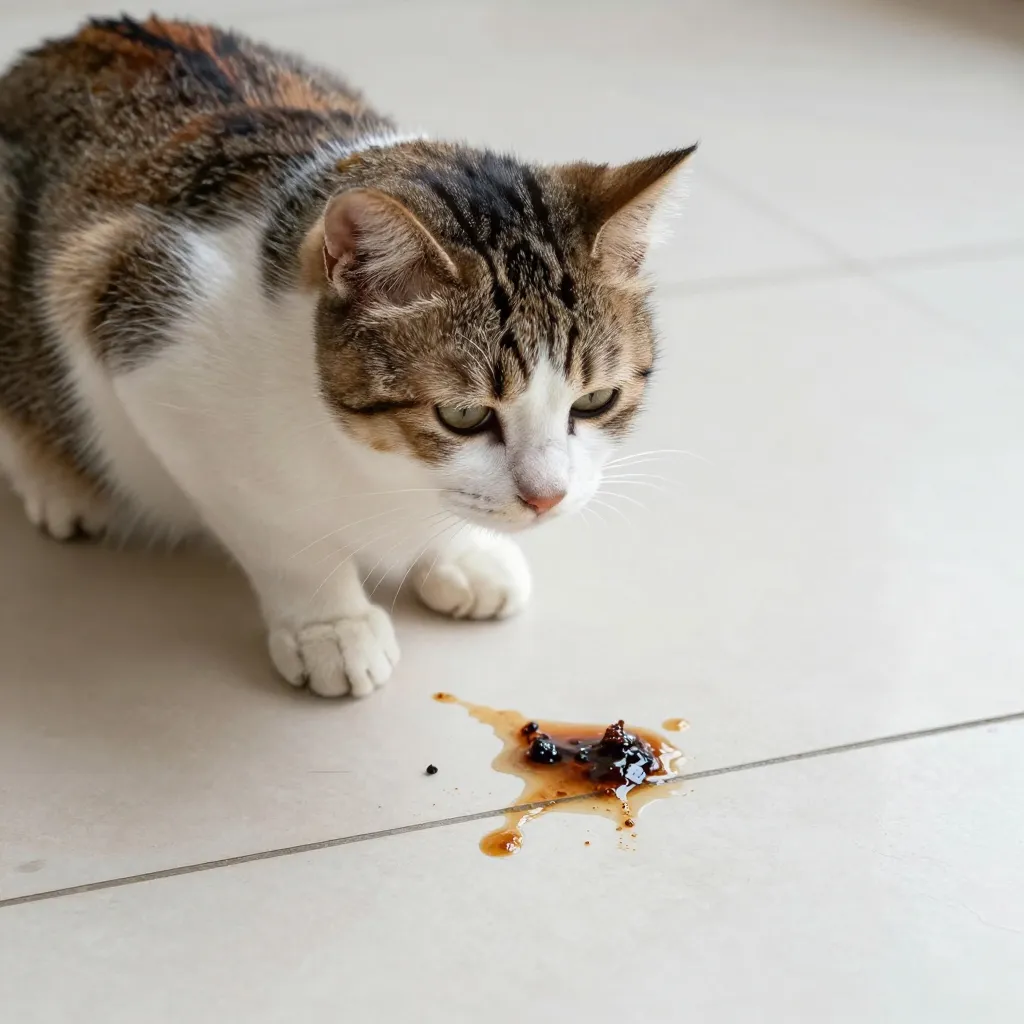
Hairballs happen. But vomiting more than once a week, or vomiting bile, foam, or undigested food, is not normal. Repeated vomiting can lead to dehydration and serious illness.
- If your cat vomits right after eating, it could be a food allergy or obstruction.
- Yellow bile usually means an empty stomach or digestive upset.
- Vomiting with lethargy or diarrhea needs immediate attention.
Keep a log of how often and what your cat vomits. It helps the vet narrow things down.
7. Breathing Changes
Watch your cat’s chest when they rest. A healthy cat breathes quietly and smoothly, around 20–30 breaths per minute when relaxed. Rapid, shallow, or noisy breathing is a red flag.
Signs to look for:
- Open-mouth breathing (cats rarely pant like dogs)
- Heaving sides or belly movement with each breath
- Gurgling or wheezing sounds
Breathing problems can mean heart disease, asthma, or fluid in the lungs. This is an emergency—go to the vet right away.
8. Weight Loss or Gain
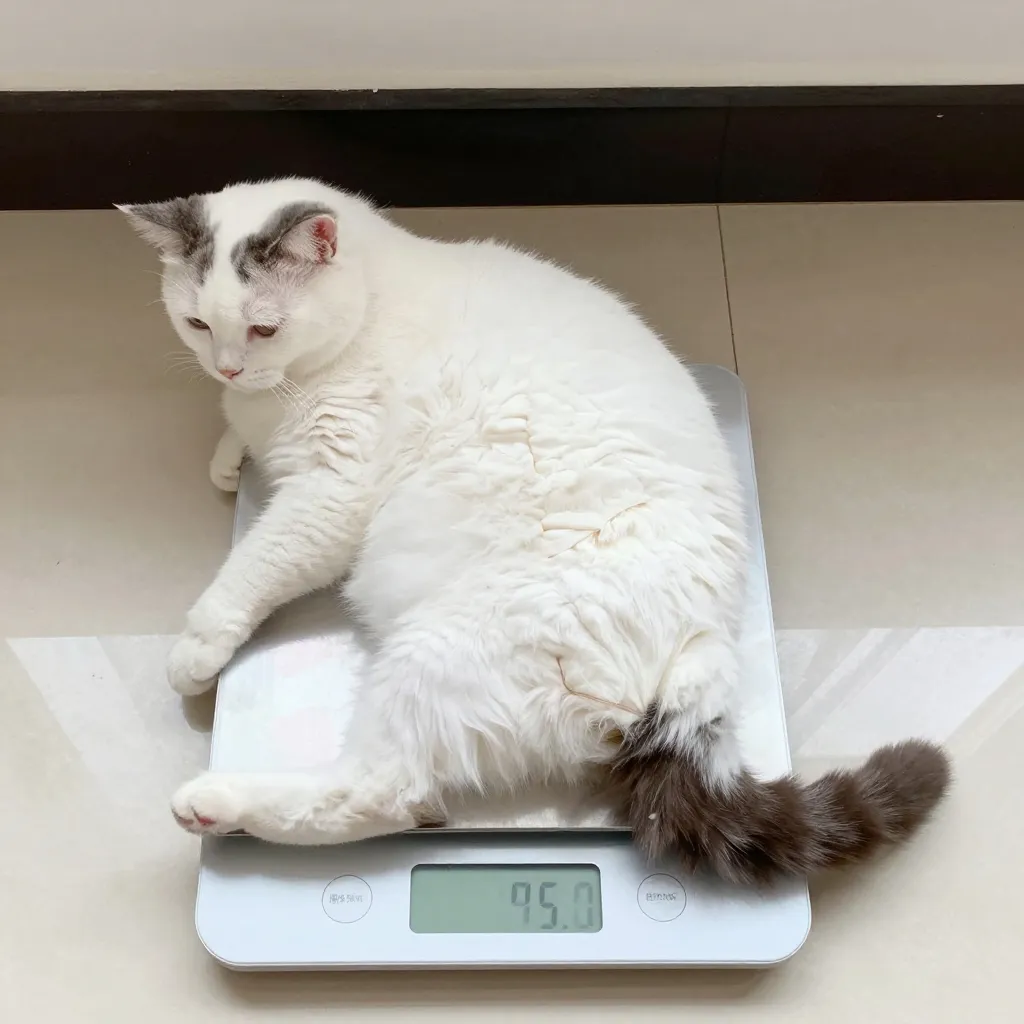
You might not notice gradual weight loss if you see your cat every day. But if their spine or ribs feel prominent, or their collar is suddenly loose, it’s a sign something is wrong.
Weight loss can point to hyperthyroidism, diabetes, or digestive issues. Weight gain, especially if combined with a potbelly but thin limbs, can mean fluid buildup or organ problems.
Weigh your cat monthly at home if you can. A change of more than 10% of their body weight is a big deal.
9. Changes in Vocalization
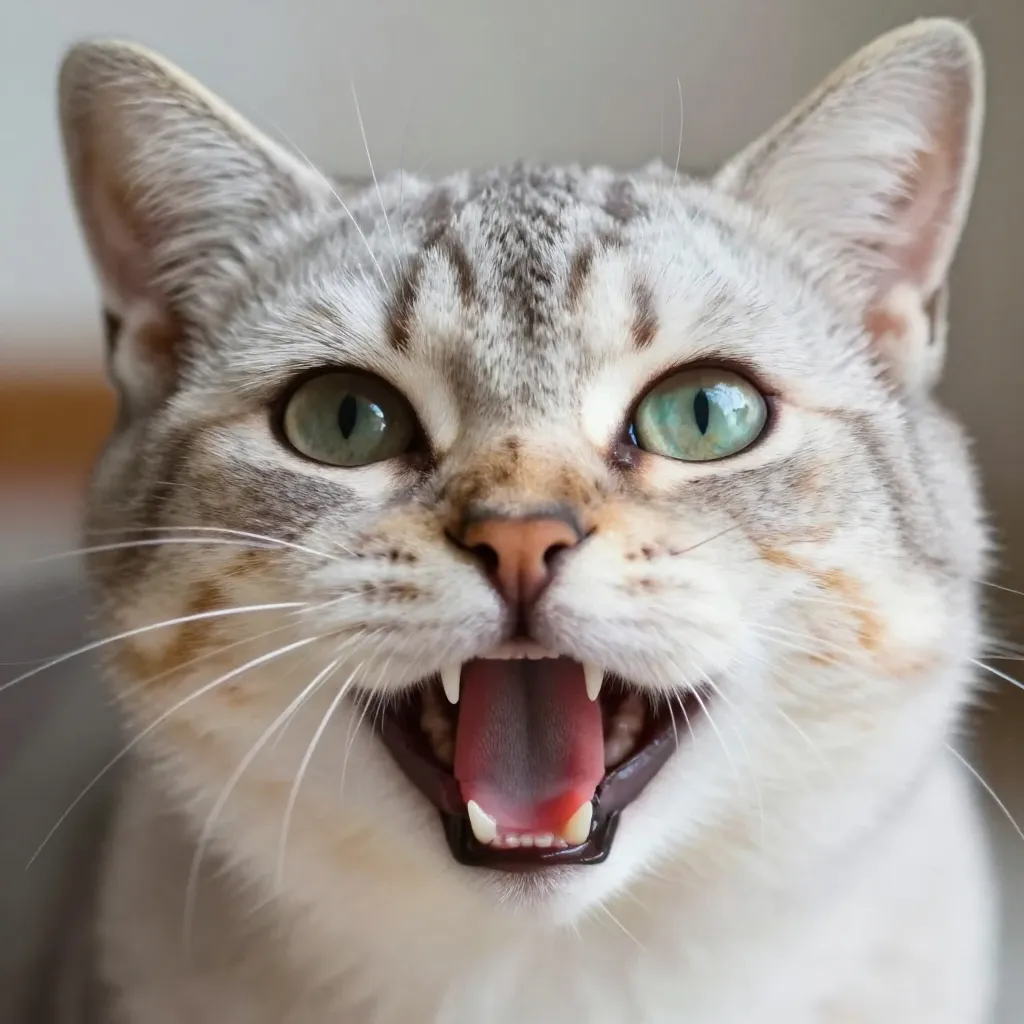
Some cats are talkers, some are quiet. The key is a change in their norm. If your quiet cat starts yowling at night, or your chatty cat goes silent, pay attention.
Excessive meowing can mean pain, confusion (especially in older cats), or anxiety. Sudden yowling when touched might mean a sore spot. Silence can mean depression or illness.
Listen to your cat’s voice. If it sounds different or more urgent, trust that instinct.
10. Bad Breath or Drooling
Cat breath shouldn’t smell like death. If your cat’s breath is foul, it could mean dental disease, gum infection, or even kidney failure (which can cause a urine-like smell).
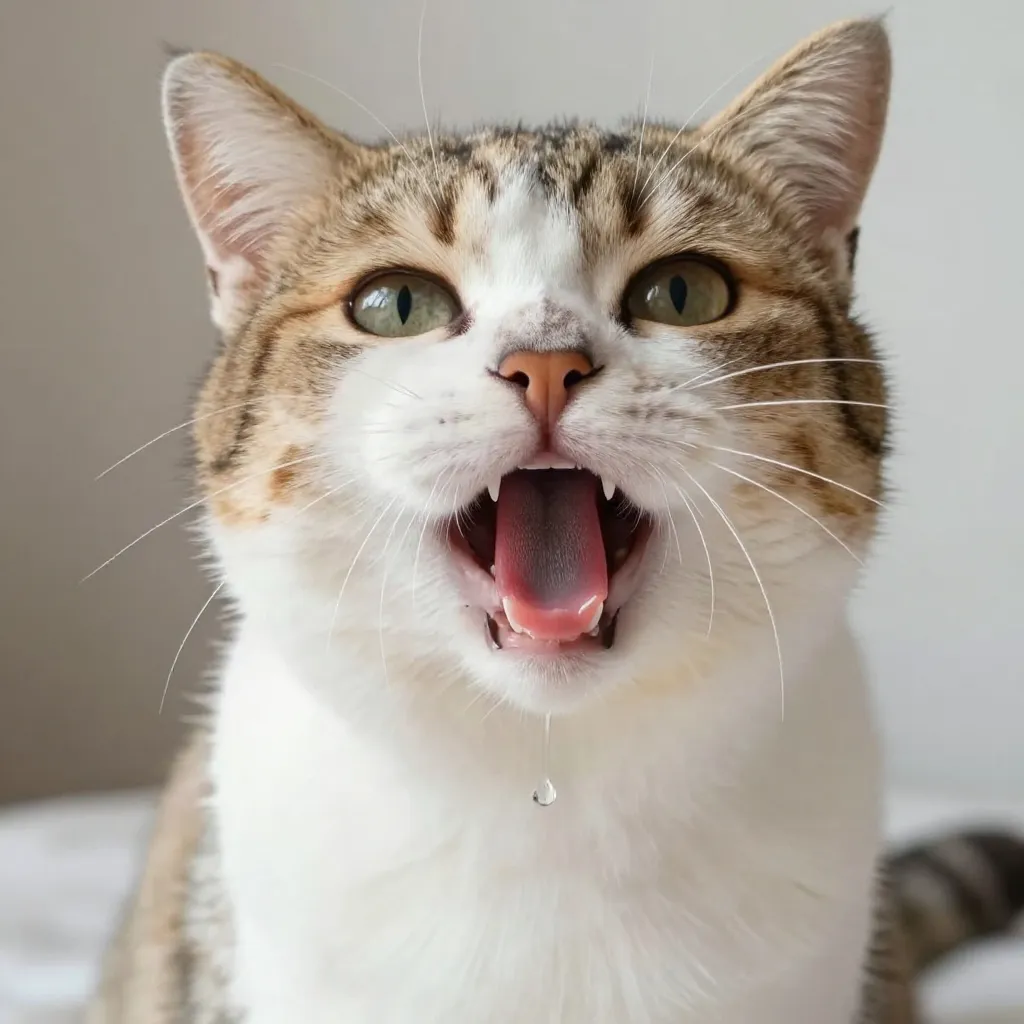
Drooling is also not normal for most cats. If they’re drooling excessively, pawing at their mouth, or eating on one side, they likely have a tooth problem or mouth sore.
Dental pain can make cats stop eating completely. A vet can treat it and your cat will feel better fast.
Conclusion
You don’t have to panic over every sneeze or lazy afternoon. But when you see a pattern—hiding plus not eating, vomiting plus lethargy, or any sudden change—it’s time to act. Cats are stoic by nature, so when they finally show a sign, it’s usually been bothering them for a while.
Keep your vet’s phone number handy. Trust your instincts. And never feel silly for asking questions. You’re your cat’s best advocate, and catching things early can save their life.
Frequently Asked Questions
How quickly should I take my cat to the vet if they stop eating?
If your cat hasn’t eaten in 24 hours, call your vet. For cats, going without food for too long can cause liver damage. Don’t wait another day.
Can a sick cat still purr?
Yes. Cats often purr when in pain or stressed. Purring doesn’t always mean they’re happy. If they’re purring but also hiding or not eating, something is wrong.
Is it normal for a cat to sleep all day when sick?
Not really. Sick cats sleep more, but they also sleep in different spots and seem harder to wake. If your cat seems “too still” or doesn’t react to noise, that’s not normal sleep.
Do I need to go to an emergency vet or wait for my regular vet?
If your cat is struggling to breathe, can’t pee, is bleeding, or has collapsed, go to the emergency vet. For other signs, a same-day appointment with your regular vet is fine.
Can stress cause physical symptoms in cats?
Yes. Stress can cause vomiting, diarrhea, hiding, and loss of appetite. But always rule out medical causes first. If the vet clears them, then look at stress triggers at home.
[[IMG:IMG12]]