Why Is My Cat Meowing So Much? 10 Reasons Behind the Noise
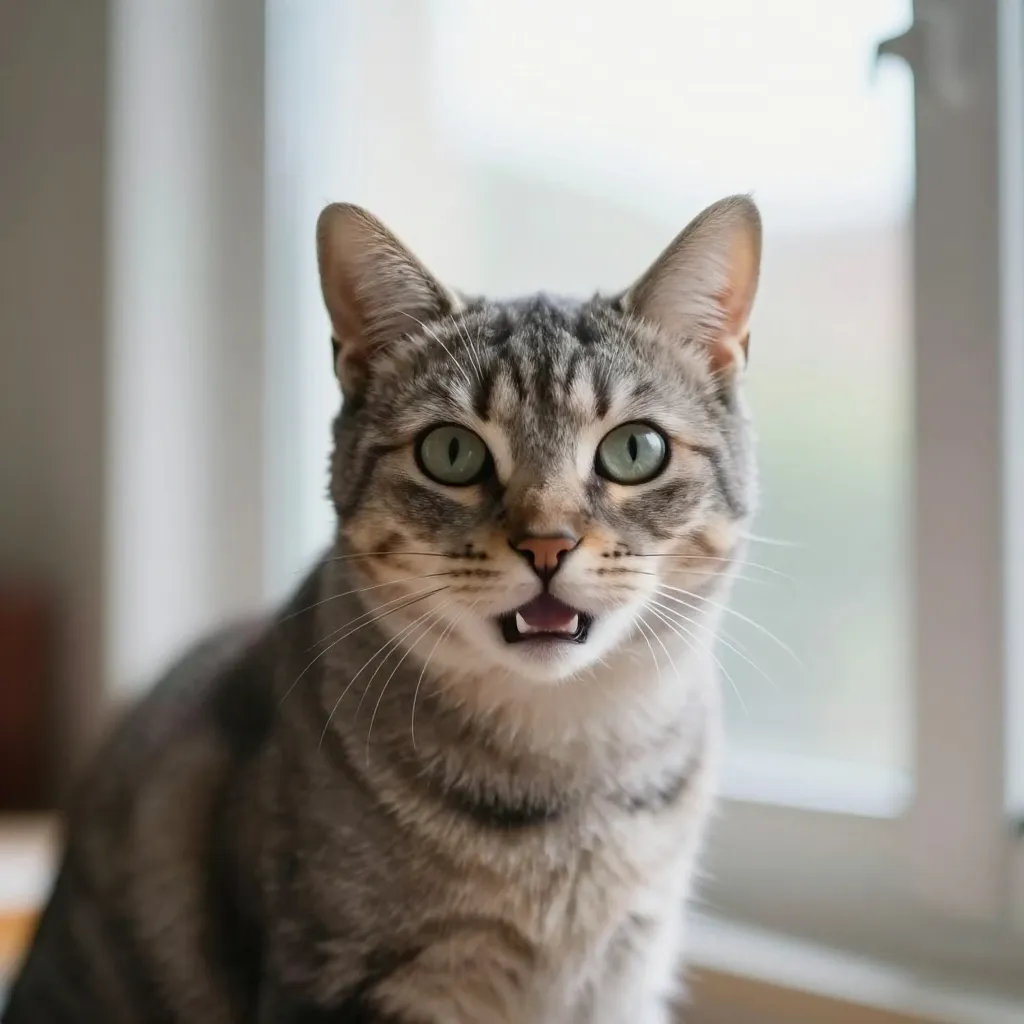
If you’ve got a chatty feline, you know exactly what I mean. Some cats are naturally quiet, while others seem to have a never-ending list of demands. But when the meowing suddenly increases, it can feel like your home has turned into a 24/7 cat call center.
I’ve been there. My cat, Mochi, went from silent observer to full-on vocalist overnight. At first, I thought she was just being dramatic (she is), but I quickly learned that excessive meowing can mean a lot of different things. Some are simple to fix, and others need a little more attention.
Let’s break down the most common reasons your cat won’t stop talking—so you can get back to peaceful silence (or at least fewer interruptions).
1. They Want Food (Or a Treat)
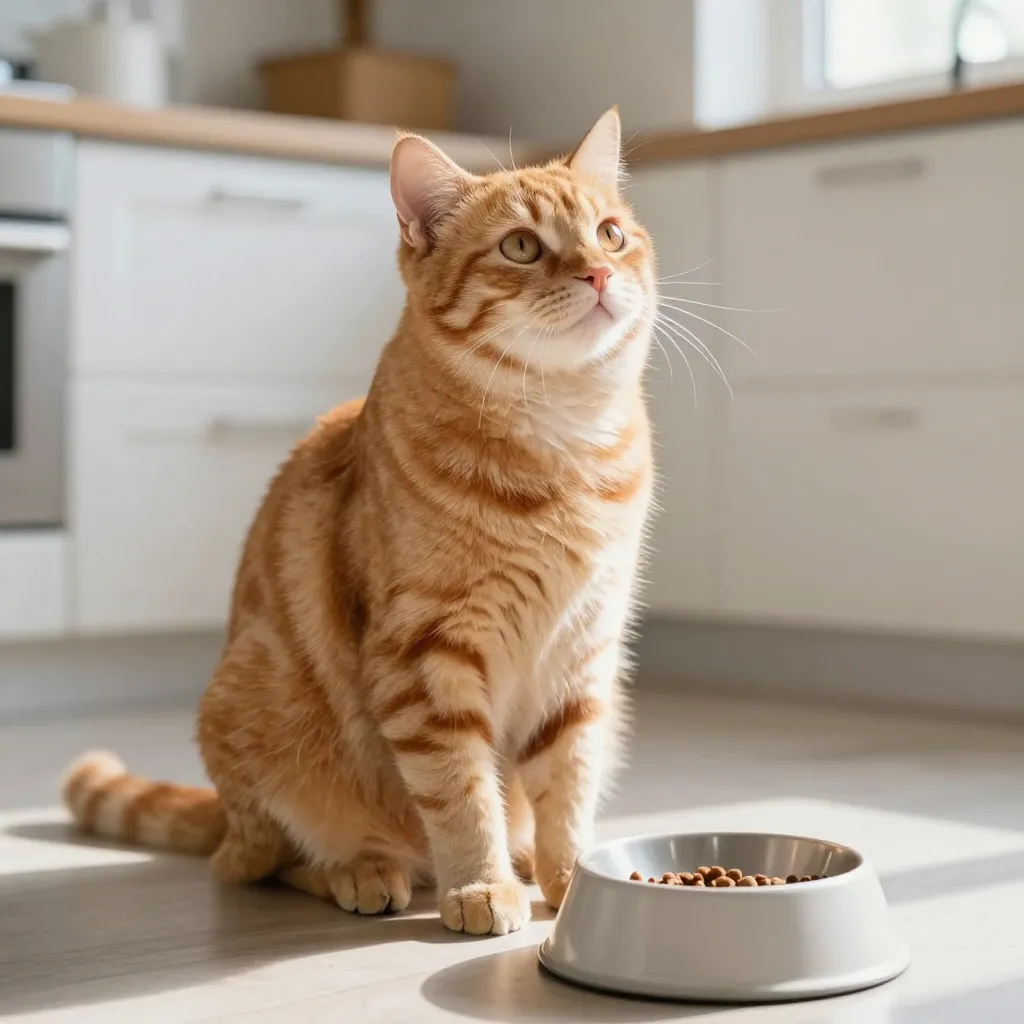
This is probably the most obvious reason. Cats are masters at associating your presence with food. If your cat meows every time you walk into the kitchen, they’ve learned that sound gets results.
I’ve noticed Mochi has a specific “feed me” meow—it’s short, urgent, and usually starts about an hour before her actual dinner time. If you feed them on a schedule, they’ll start meowing right on cue.
Try this: don’t give in every time. Feed them at set times, and ignore the pre-dinner opera. It’s hard, but it works.
2. They’re Bored or Lonely
Cats get bored too. If your cat is home alone all day, they might start meowing the second you walk through the door. It’s their way of saying, “Finally! Let’s play.”
I keep a few interactive toys around the house. A simple feather wand or a puzzle feeder can make a huge difference. If they have something to do, they meow less.
Sometimes, they just want your attention. A few minutes of focused playtime can quiet them down fast.
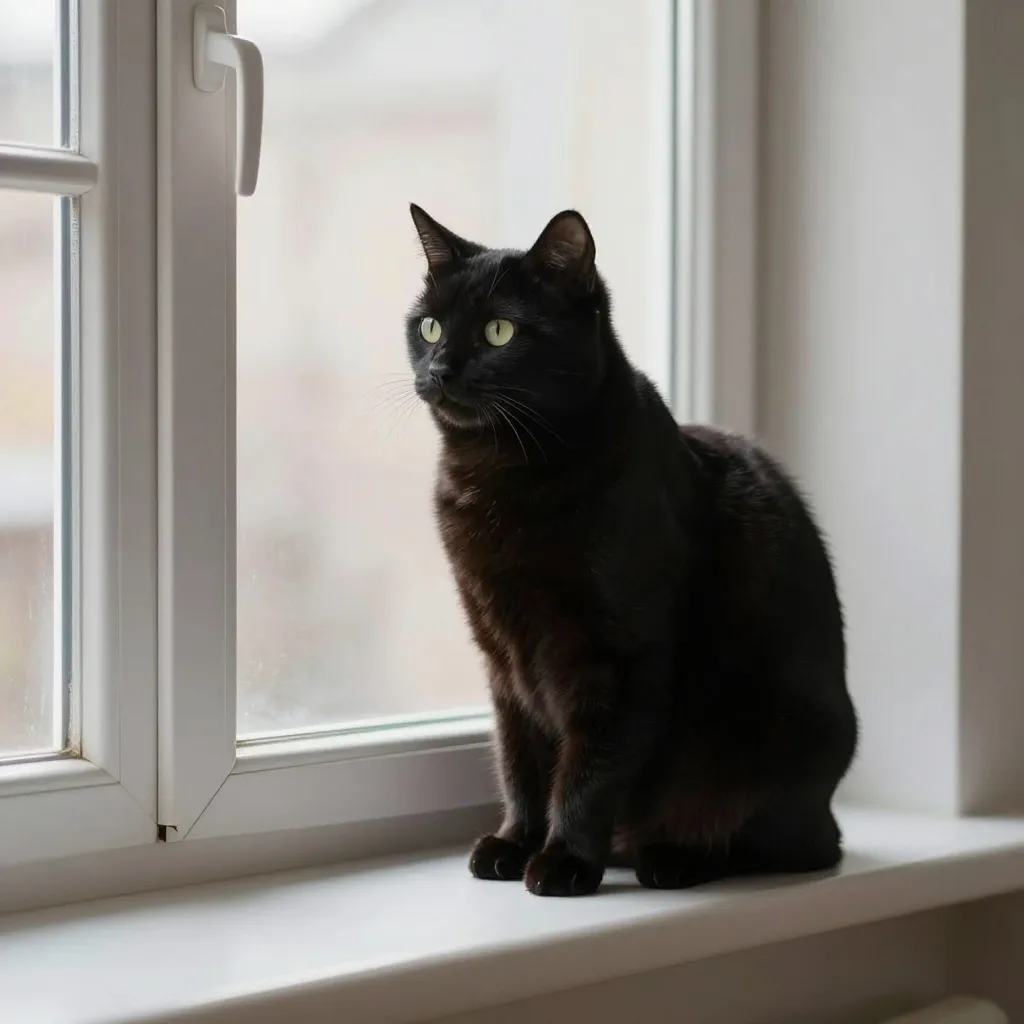
3. They’re Stressed or Anxious
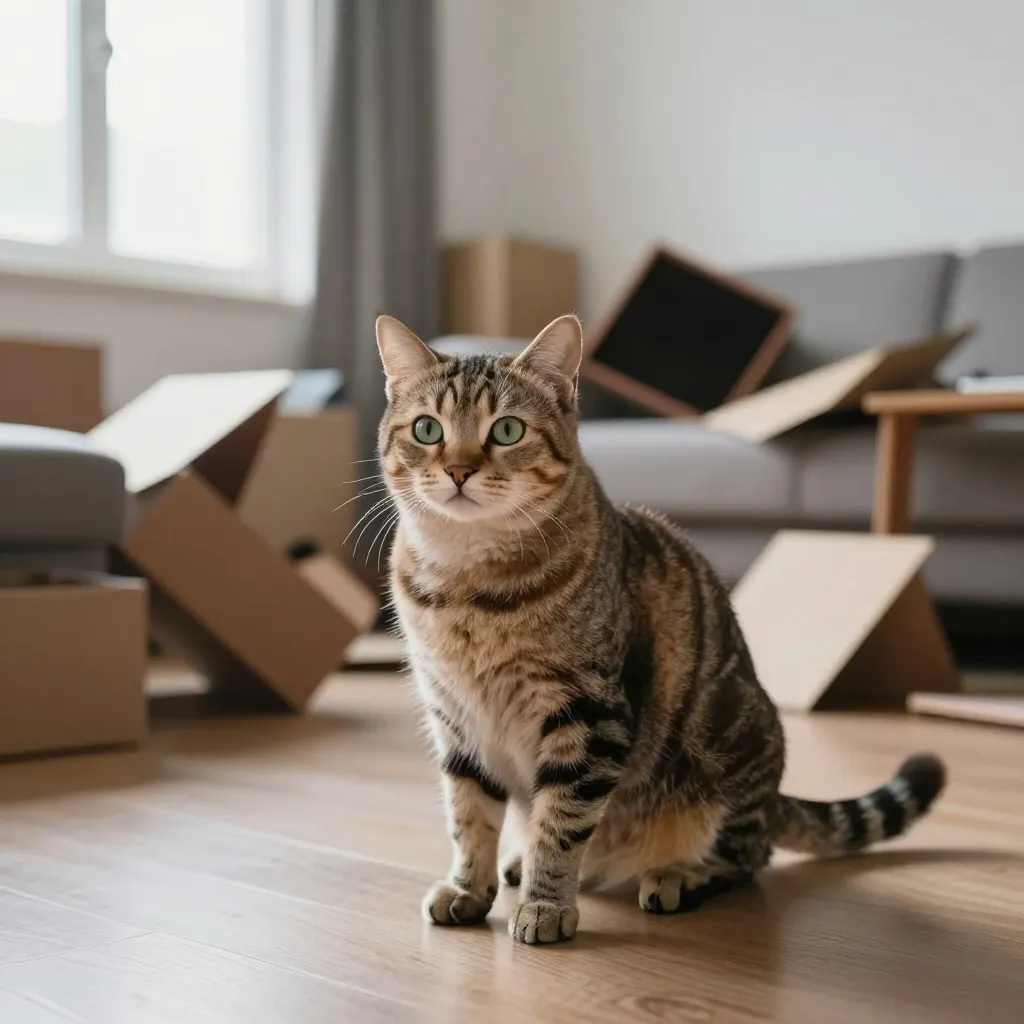
Changes in the home—a new pet, a move, or even new furniture—can make your cat anxious. Meowing is one way they express discomfort.
Look for other signs: hiding, over-grooming, or changes in appetite. If stress is the cause, creating a calm space with a cozy bed and some vertical spots to climb can help.
I once brought home a new plant (totally cat-safe) and Mochi meowed at it for three days. Sometimes it’s the little things.
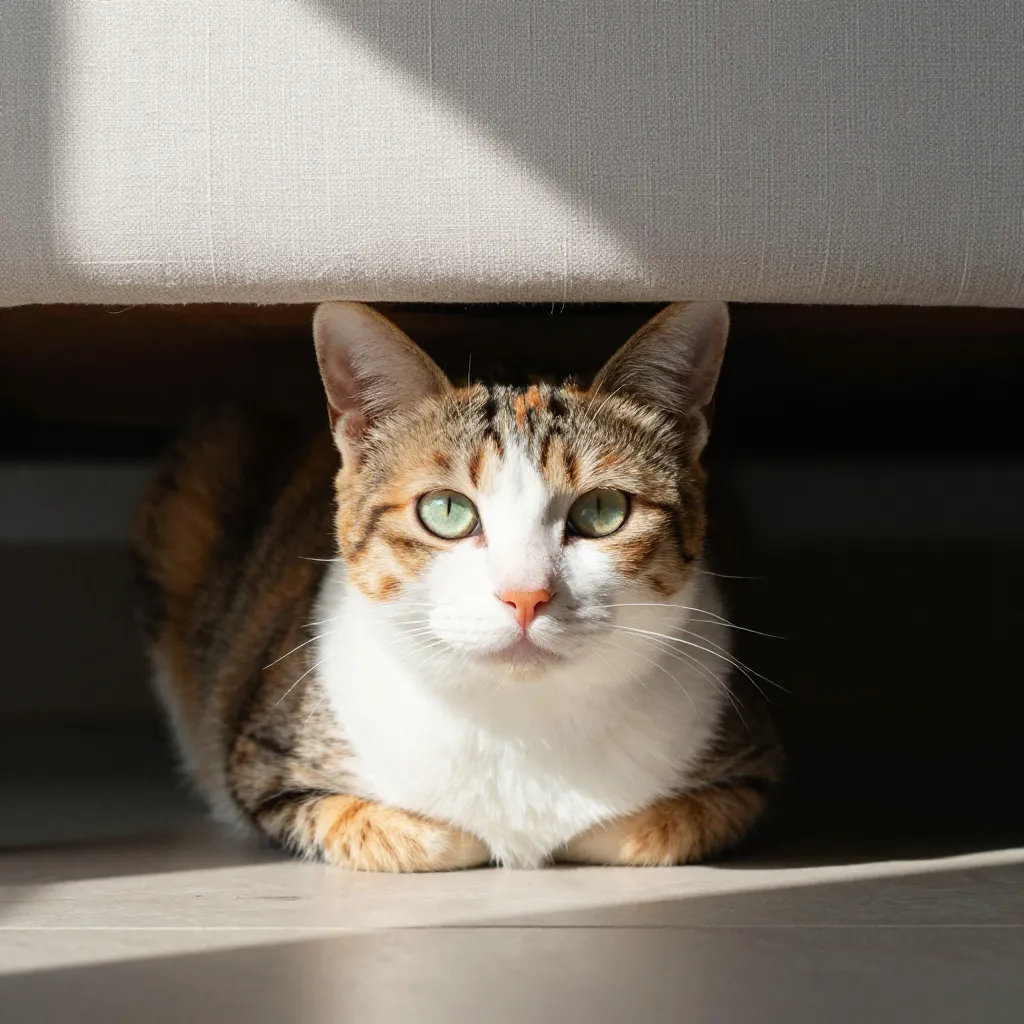
4. They’re in Heat (Unspayed Females)
If your female cat isn’t spayed, her meowing might be a mating call. It’s loud, persistent, and can happen at all hours. It’s not just a meow—it’s more of a yowl.
This type of meowing is instinctual. The only real solution is spaying. Once that’s done, the hormonal noise usually stops completely.
If you’re unsure, your vet can help you figure out the best timing.
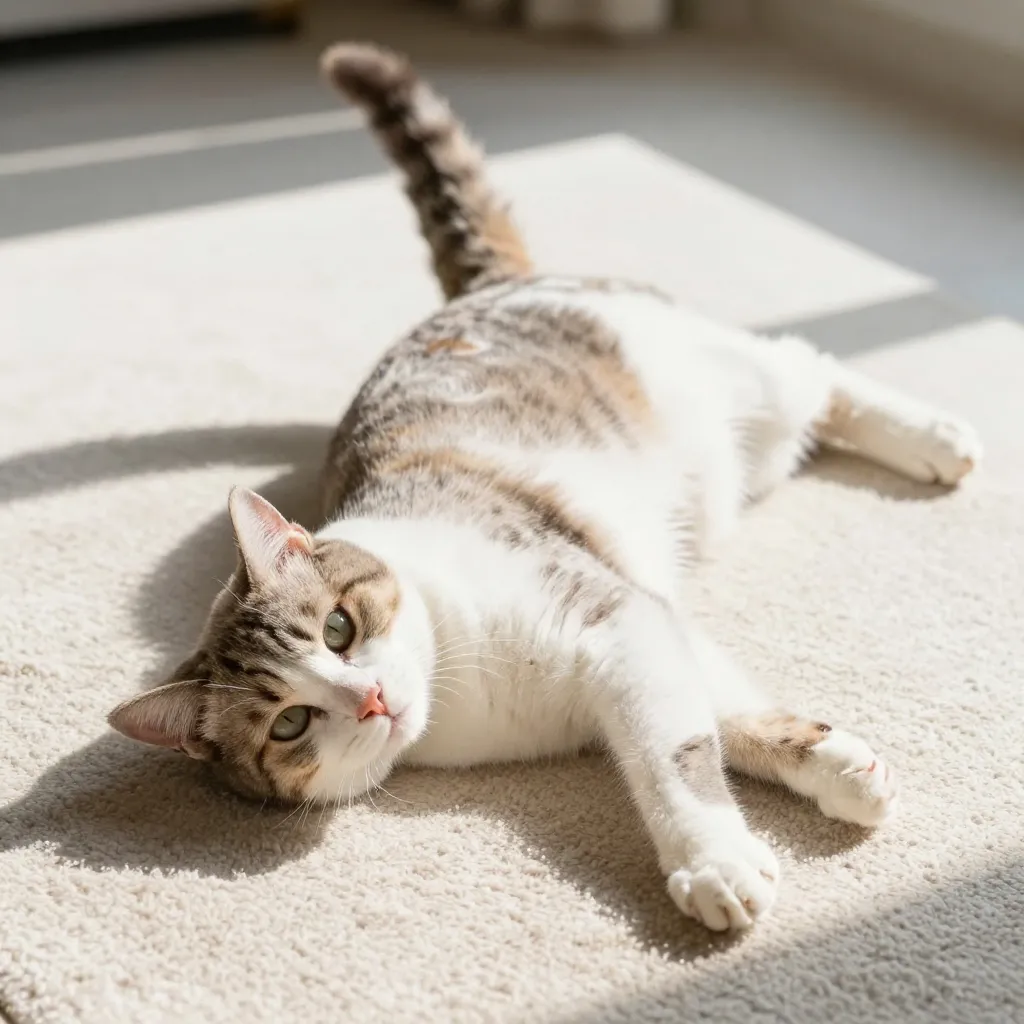
5. They’re Getting Older (Senior Cats)
Older cats can develop cognitive dysfunction—kind of like dementia in humans. They might get confused, forget where they are, and start meowing loudly, especially at night.
If your senior cat has suddenly become vocal, it’s worth a vet visit. They might need some extra support or medication to help them feel more settled.
Night lights can help them navigate the house better, which sometimes reduces the confusion-related meowing.
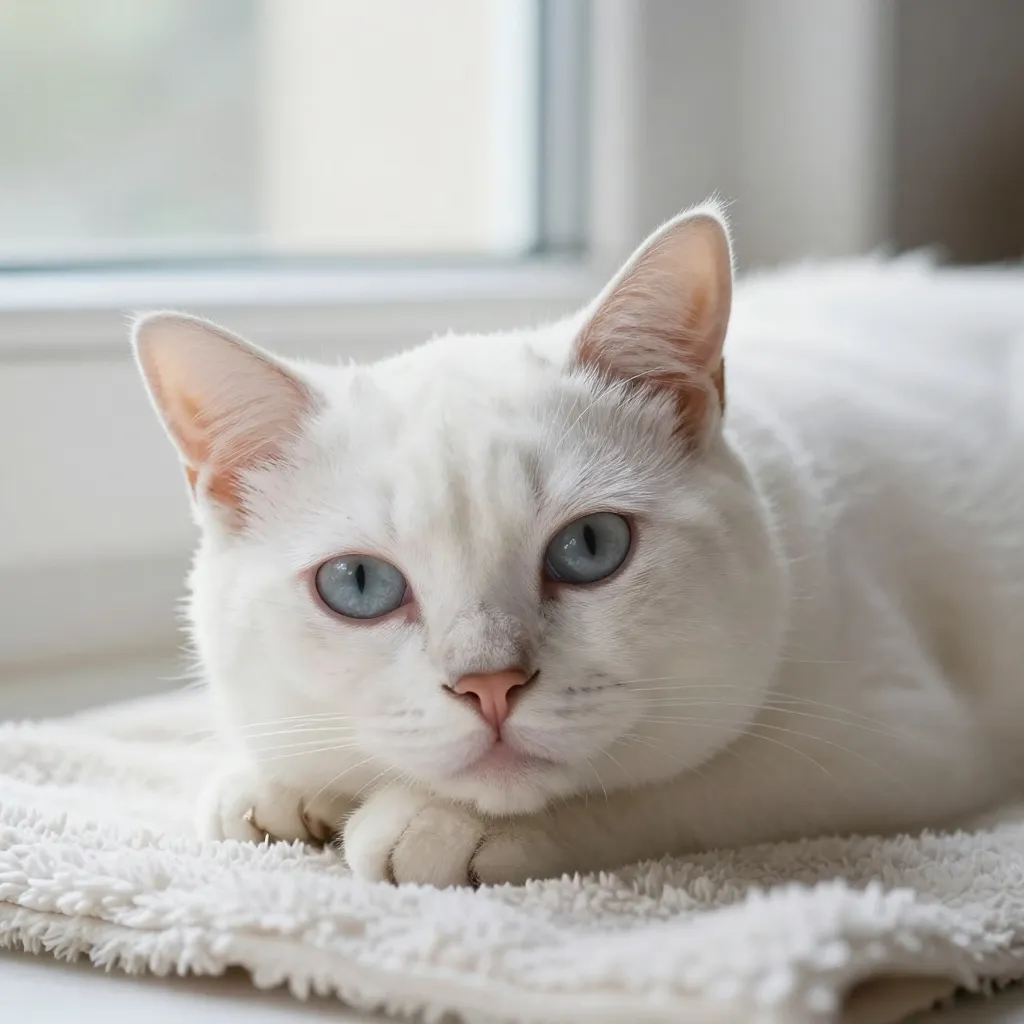
6. They’re in Pain or Unwell
Meowing can be a cry for help. Cats are good at hiding pain, but a change in vocalization is often a red flag.
If your cat is meowing more than usual and also seems lethargic, isn’t eating, or is hiding, call your vet. Conditions like hyperthyroidism or urinary tract infections can cause excessive meowing.
Trust your gut. If something feels off, it probably is.
7. They Want Attention (On Their Terms)
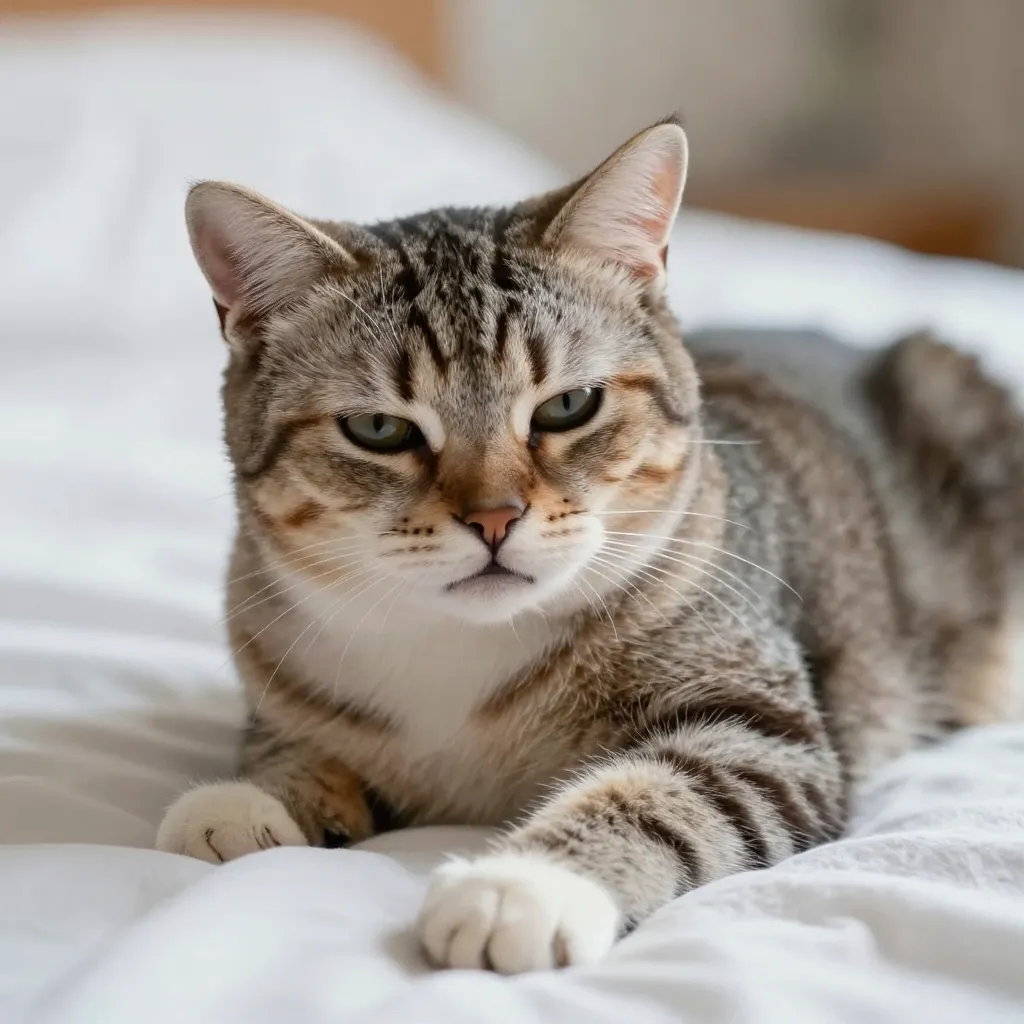
Some cats just want to be acknowledged. They’ll meow, you’ll look at them, and then they’ll walk away satisfied. It’s not about food or play—it’s about connection.
I’ve learned that if Mochi meows and then stares at me without moving, she just wants me to say her name. Once I do, she’s happy and quiet.
Try giving them a gentle pet or a soft word. Sometimes that’s all they need.
8. They’re Confused by Changes in Routine
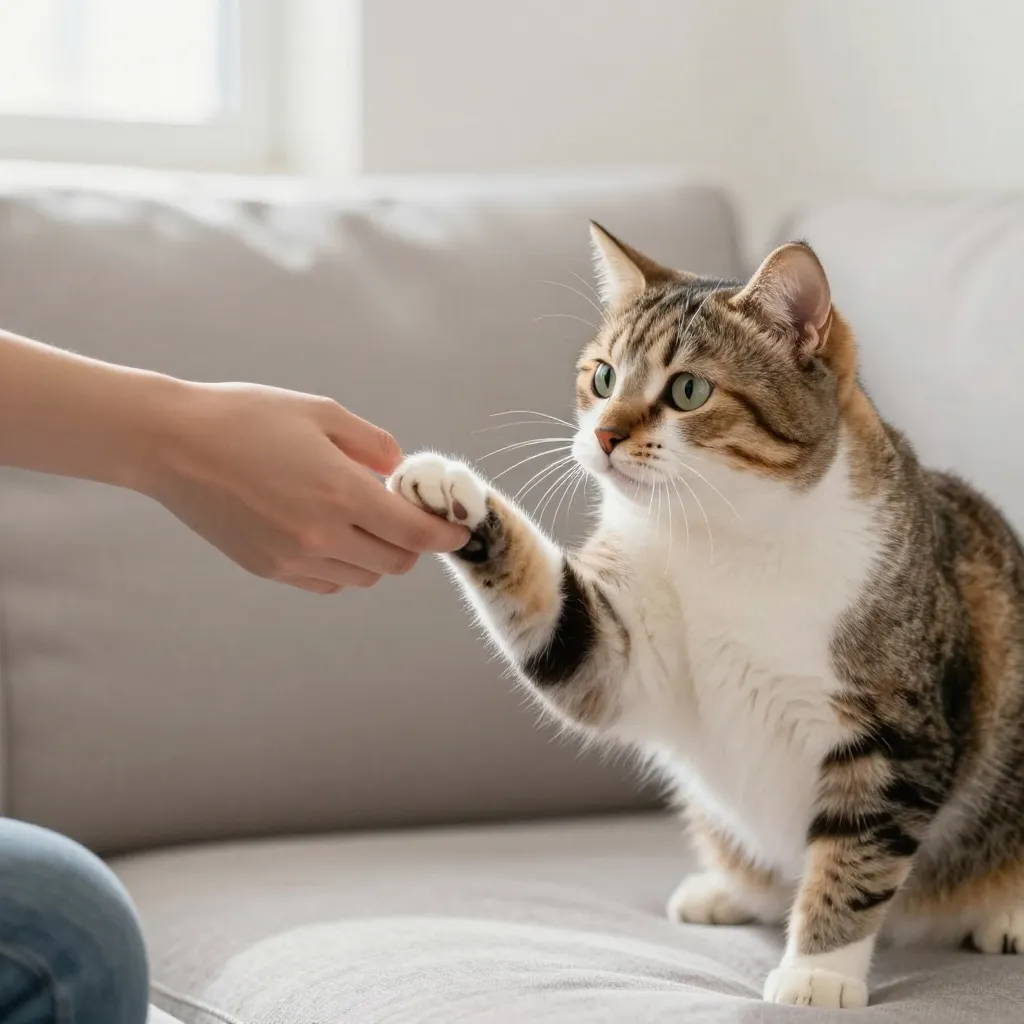
Cats are creatures of habit. If you’ve changed your work schedule, started sleeping in, or moved their litter box, they’ll let you know they’re not happy about it.
I once switched Mochi’s feeding time by 30 minutes, and she meowed at the old time for a whole week. They have internal clocks, and they expect you to follow them.
When you need to change a routine, do it gradually. That helps reduce the meowing protests.
9. They Want to Go Outside (Or Come Back In)
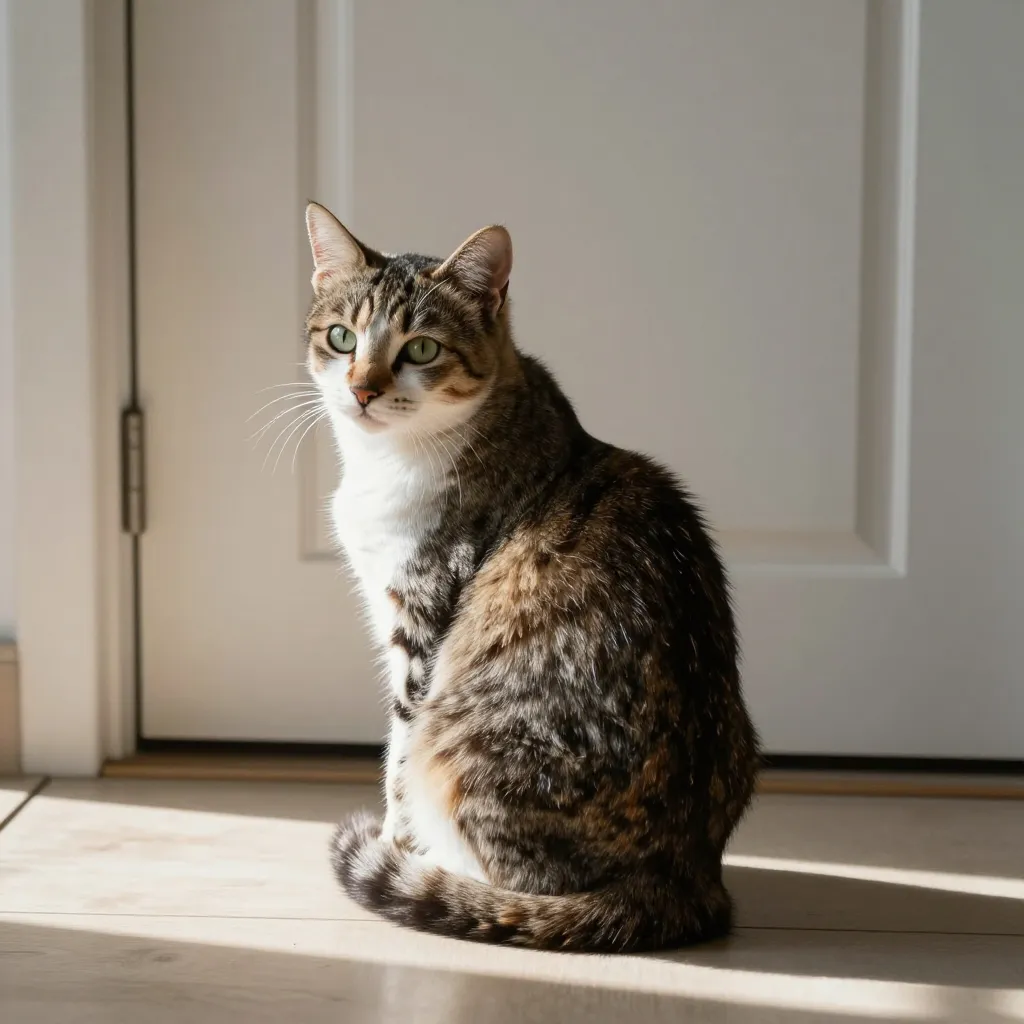
If your cat is an indoor-outdoor cat, they might meow by the door when they want out. Or they might meow at a window if they see a bird or squirrel.
This is pretty common. I keep a perch by the window so Mochi can watch the world without needing to go out. It reduces the door-meowing a lot.
If you don’t want them outside, consider harness training or just providing more indoor stimulation.
10. They’re Just Naturally Vocal
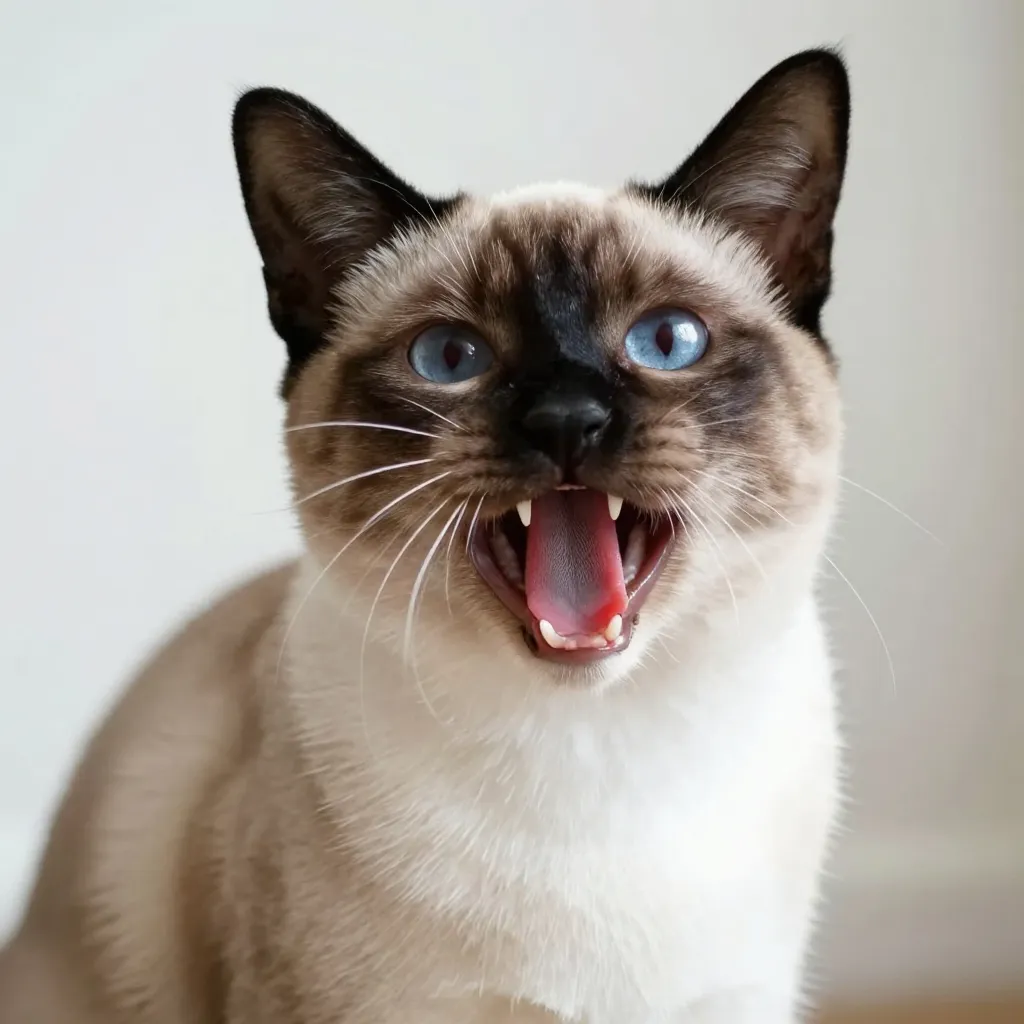
Some breeds are just chatty. Siamese, Burmese, and Oriental Shorthairs are known for being talkative. If your cat is one of these breeds, the meowing might just be their personality.
I have a friend with a Siamese who will “talk” to her for hours. It’s not a problem—it’s just who they are.
If you’ve ruled out health issues and they seem happy, sometimes you just have to accept that you live with a little chatterbox.
Conclusion
Excessive meowing can feel overwhelming, but it’s usually your cat trying to tell you something. Start by ruling out health issues with a vet visit. Then look at their environment, routine, and emotional needs.
Most of the time, a little patience and a few small changes will calm things down. And remember—sometimes a meow is just a meow. It’s their way of saying, “Hey, I’m here, and I love you.”
Frequently Asked Questions
How do I know if my cat’s meowing is serious?
If the meowing is new, constant, or accompanied by other signs like lethargy, vomiting, or hiding, see a vet. Sudden changes in behavior are always worth checking out.
Can I train my cat to meow less?
Yes, but gently. Never punish them. Instead, reward quiet behavior and ignore the meowing. Consistency is key. It takes time, but it works.
Should I ignore my cat when they meow at night?
It depends. If they’re healthy and just want attention, ignoring them can help. But if they’re old or confused, they might need comfort. A night light or extra playtime before bed can help.
Is it normal for kittens to meow a lot?
Yes. Kittens meow to communicate with their mother. Once they’re older, they usually settle down. But if a kitten is meowing constantly, check for hunger, discomfort, or loneliness.
Why does my cat meow after I pet them?
They’re saying thank you! Or they might want more. Cats often meow to acknowledge affection. It’s a good sign—they’re happy and engaged with you.