13 Easy DIY Dog Enrichment Ideas That Will Tire Out Your Pup (Without Breaking the Bank)
We all know that feeling—you come home from work, and your dog is bouncing off the walls. You take them for a walk, but somehow, they still have endless energy. That’s where enrichment comes in! It’s not just about physical exercise; it’s about giving your dog’s brain a workout too. A tired dog is a happy dog, and a mentally stimulated pup is less likely to chew your shoes or dig up your garden.
The best part? You don’t need to spend a fortune on fancy puzzle toys. I’ve rounded up 13 super simple, budget-friendly DIY dog enrichment ideas using things you probably already have in your kitchen or recycling bin. These are perfect for rainy days, busy afternoons, or anytime you need to keep your furry friend busy and engaged. Let’s get started!
1. The Classic Muffin Tin Puzzle
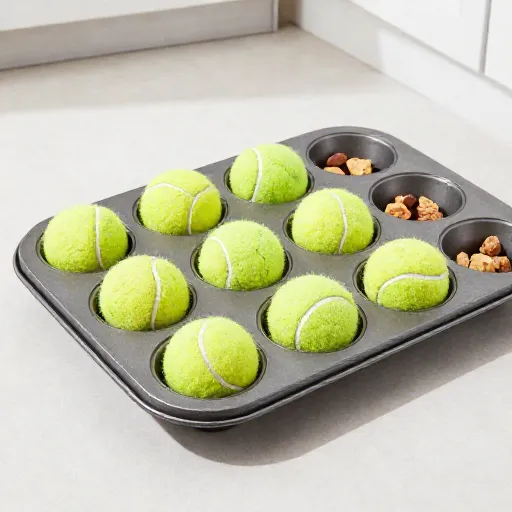
This is my absolute go-to when I need 15 minutes of peace. Grab a standard 12-cup muffin tin, toss a few small treats or kibble into each cup, and place a tennis ball on top of each one. Your dog has to figure out how to use their nose or paw to pop the ball out to get the reward underneath.
For a slightly easier version, leave a few cups empty and uncovered. For a harder challenge, sprinkle some loose kibble on the tin itself so they have to sniff out which cups have the hidden treasures. It’s a fantastic game for building problem-solving skills.
Just make sure to supervise your dog the first few times to ensure they don’t try to chew the balls or the tin. This is a great starter puzzle for puppies and senior dogs alike.
2. The “Snuffle” Towel Roll
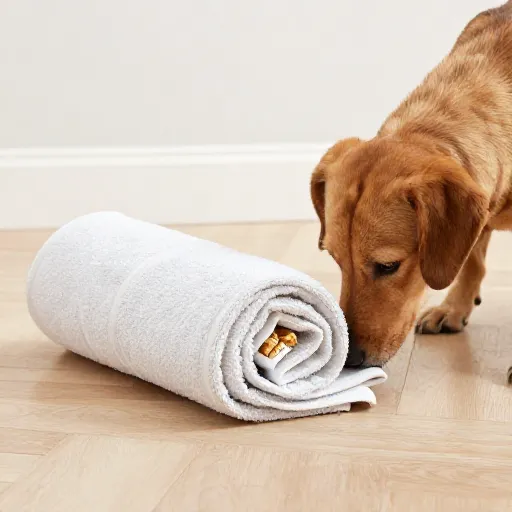
Do you have an old kitchen towel or a fleece blanket lying around? This is the easiest way to turn mealtime into a fun sniffing session. Lay the towel flat, sprinkle your dog’s dinner or a handful of treats in a line down the middle, and then roll it up tightly like a burrito.
Once rolled, you can either hand it to your dog directly or tie it in a loose knot for a bigger challenge. The point isn’t for them to rip it open instantly; it’s for them to use their nose to find the food as they unroll it. It taps into their natural foraging instincts.
This is fantastic for fast eaters. It slows them down significantly and reduces the risk of bloat. Plus, it’s a great way to repurpose old rags that have seen better days.
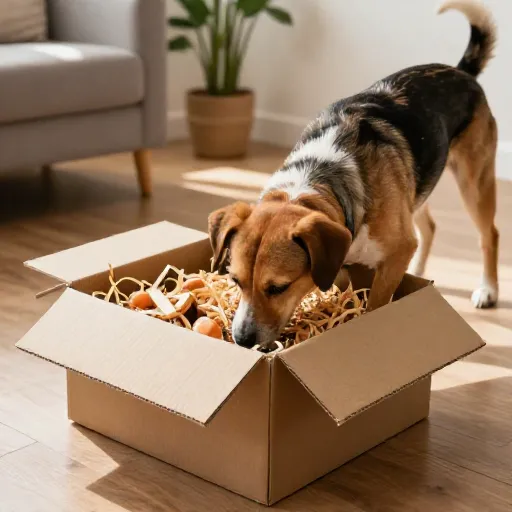
3. The Cardboard Box Dig Pit
Before you toss that Amazon box in the recycling bin, think about your dog! This is a messy but incredibly fun activity. Take a sturdy cardboard box, fill it with crumpled newspaper, shredded paper, or old packing paper, and hide some treats or toys deep inside.
Let your dog go to town! They will love the act of digging and foraging through the paper. It’s an amazing outlet for dogs who love to dig in the yard—it redirects that behavior to something safe and acceptable.
Pro tip: Do this on a floor that’s easy to clean, like tile or linoleum. And be prepared for paper confetti everywhere! It’s worth the cleanup for the sheer joy it brings your pup.
4. The Frozen “Pupsicle”
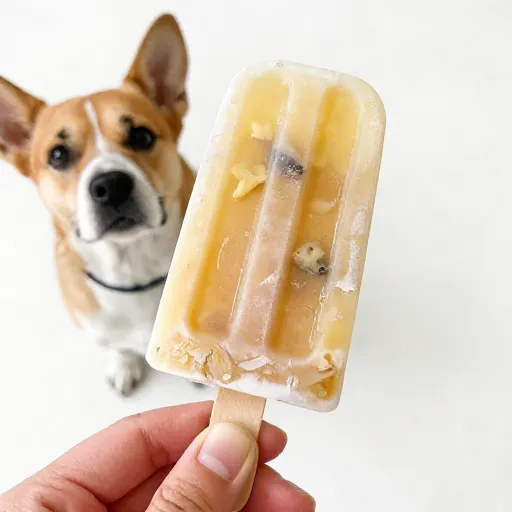
On a hot day, nothing beats a frozen treat. You don’t need a fancy mold—just use an ice cube tray, a small paper cup, or even a Kong toy. Mix some plain yogurt (make sure it’s xylitol-free), peanut butter, and a few pieces of fruit or kibble. Fill your container and freeze it overnight.
For a quick version, just toss a few treats into an ice cube tray and fill it with water. The challenge is for them to figure out how to get the treats out as the ice melts. It’s hydrating, soothing for teething puppies, and keeps them busy for a while.
I like to use a silicone muffin liner for a bigger puzzle. Just peel the liner away and let them lick and chew the frozen block in the backyard. It’s the perfect summer activity.
5. The “Find It” Scent Game
This one requires zero materials—just you and your dog’s amazing nose. Start by having your dog sit and stay in one room. Go to another room and hide a few high-value treats in plain sight, like on the floor or on a low chair. Then, release your dog with a cheerful “Find it!”
As they get better, you can hide treats in more challenging spots—under a cushion, behind a door, or inside a shoe (if you’re okay with that!). This game is incredibly mentally exhausting because it requires intense focus and sniffing.
It’s a great way to bond with your dog on a rainy day when you can’t get outside. It also builds their confidence and reinforces their natural abilities. Start easy to keep them motivated, then ramp up the difficulty.
6. The Bottle Flip Challenge
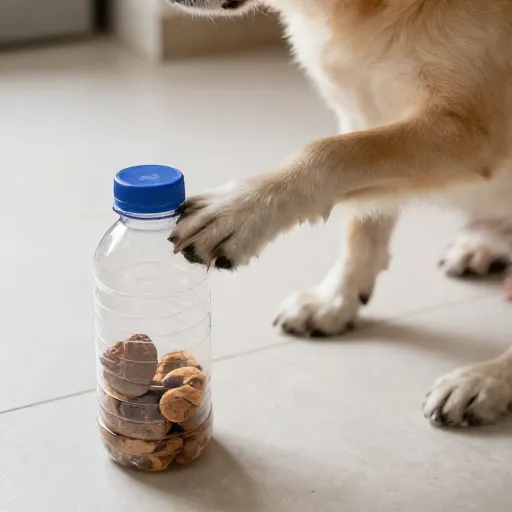
Take an empty plastic water bottle, remove the cap and the label, and drop a few small treats or pieces of kibble inside. Squeeze the bottle slightly so the treats don’t just fall out easily, then hand it to your dog.
They will bat it, toss it, and carry it around to try and get the treats out. The crinkly sound is super enticing to most dogs, and the movement is unpredictable, which keeps them engaged. It’s a fantastic solo-play toy.
Always supervise this activity to make sure your dog doesn’t try to chew and swallow the plastic pieces. If they start to destroy it, take it away and swap it for a fresh one. This is a super cheap and effective way to repurpose single-use plastic.
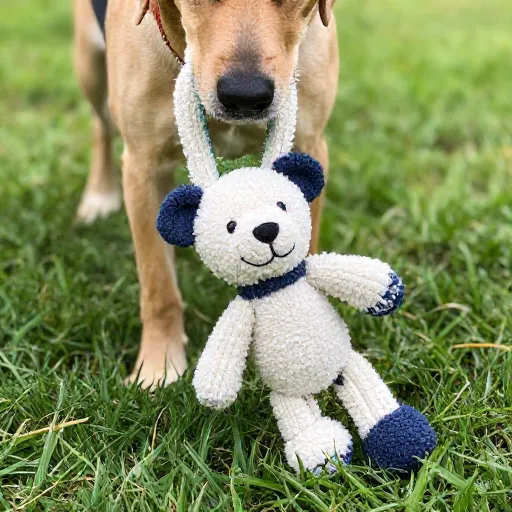
7. The “Knotty” Tug Toy
If your dog is a power chewer, this DIY rope toy is a lifesaver. Take an old cotton t-shirt or a fleece blanket and cut it into long strips. Braid three strips together tightly and tie knots at the ends to create a sturdy tug toy.
The texture of the fabric is great for their teeth and gums, and the knots give them something to really sink their teeth into. You can even hide a small treat inside the braid for an extra challenge, though they might have to work hard to get it out.
This is a great way to repurpose old textiles that would otherwise end up in a landfill. It’s also a fantastic toy for interactive play—you can use it for a game of tug-of-war, which is a great way to build your dog’s confidence and burn energy.
8. The Egg Carton Surprise
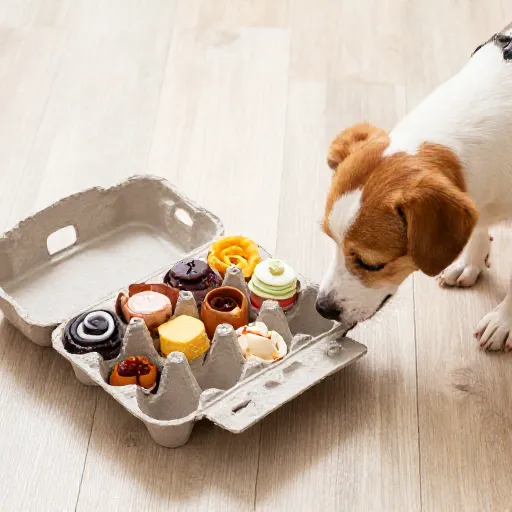
Here’s a quick one for a busy afternoon. Take an empty cardboard egg carton, close it, and place a few treats inside the individual cups. Your dog will have to figure out how to open the flaps to get to the goodies.
For a super easy level, leave the carton open with treats visible. For a medium level, close the lid. For a hard level, you can put a few treats in the carton, close it, and place it inside a cardboard box with some crumpled paper.
It’s messy, but it’s so much fun to watch them problem-solve. The cardboard is safe for them to shred and chew, and it’s a great way to use up those egg cartons before they hit the recycling bin. Just remove any labels or sticky glue first.
9. The Muffin Tin & Yarn Game
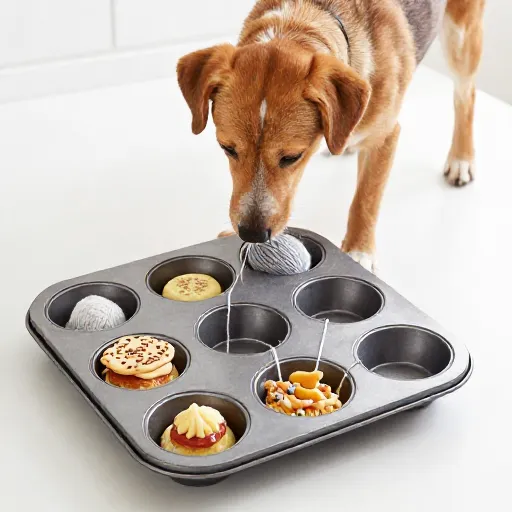
This is a more advanced version of the basic muffin tin puzzle. Instead of using balls to cover the treats, you weave pieces of yarn or string across the top of the muffin tin, creating a web that your dog has to navigate.
Put a treat in each cup, then weave the yarn over the holes to make it tricky. Your dog will have to use their nose and paws to untangle the puzzle or find the gaps to get the treats out. It’s a great test of patience and dexterity.
Make sure to use thick yarn and tie it securely to the edges of the tin. As with any puzzle, supervision is key to ensure they don’t swallow any string. This is a great way to level up the challenge once they’ve mastered the tennis ball version.
10. The Frozen Washcloth Treat
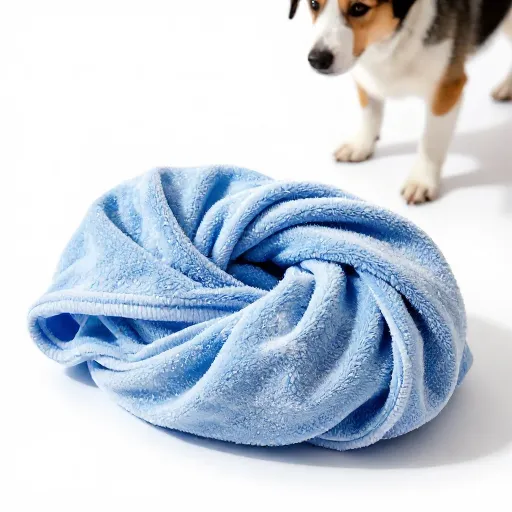
This is perfect for teething puppies or dogs who love to chew. Take a clean, damp washcloth or hand towel, place a few treats or a smear of peanut butter in the middle, and fold it up. Then, pop it in the freezer for a couple of hours.
The cold fabric soothes sore gums, and the texture is great for chewing. The challenge is getting the treats out of the frozen folds. It’s soothing, engaging, and refreshing.
It’s a great alternative to a traditional ice cube because it’s softer and less likely to chip their teeth. Just make sure to supervise them so they don’t ingest large pieces of fabric. Swap it out for a fresh one once the treats are gone.
11. The “Treat in a Jar” Roll
A plastic jar with a lid (like a peanut butter jar or a yogurt container) can be a fantastic puzzle. Clean it out thoroughly and drill or poke a few small holes in the sides and the lid—big enough for treats to fall out, but small enough that they have to work for it.
Drop some kibble or treats inside and put the lid on (make sure it’s screwed on tight). Your dog will push the jar around with their nose and paws, figuring out how to tip it just right to make the treats fall through the holes.
It’s a great game for encouraging movement and coordination. The rolling motion is unpredictable, which keeps them interested. Just ensure there are no sharp edges on the holes and that the jar isn’t too small to be a choking hazard.
12. The “Shell” Game
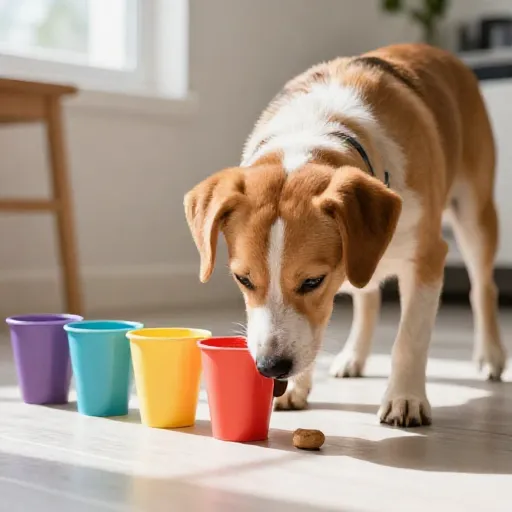
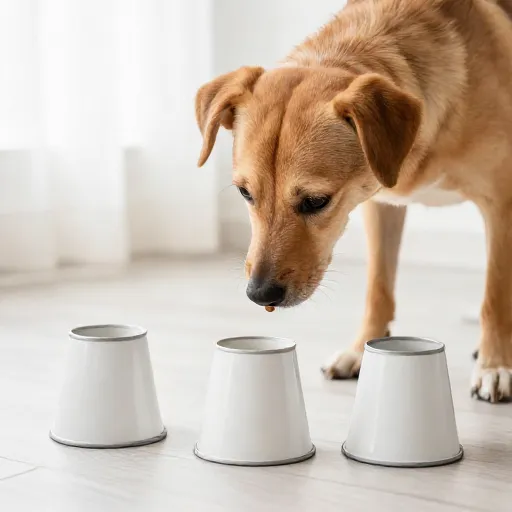
Remember the old street-corner shell game? You can play a dog-friendly version! Get three plastic cups or small bowls (turned upside down). Let your dog watch as you hide a high-value treat under one of the cups.
Shuffle the cups around for a few seconds, then let your dog pick! They will use their nose to sniff out the correct cup and then use their paw or nose to flip it over. It’s a fantastic game for teaching impulse control and reinforcing the “wait” command.
Start by moving the cups slowly, and gradually speed up as they get the hang of it. This is a great indoor game that requires no prep time at all and is a fun way to challenge their brain in a different way.
13. The Toilet Paper Roll Puzzle
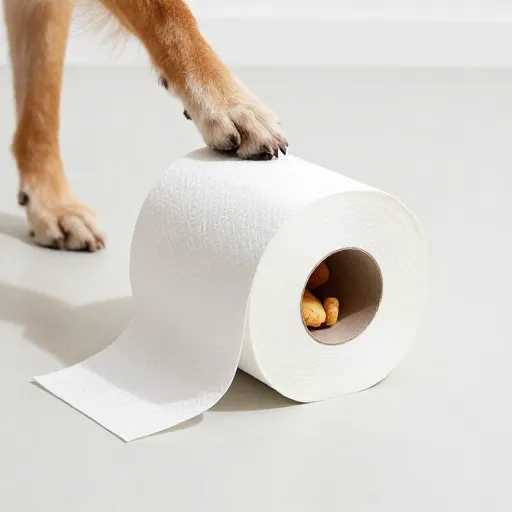
Don’t throw away those empty toilet paper or paper towel rolls! This is one of the simplest DIY toys out there. Fold the ends of a toilet paper roll inwards to create a little package, drop a few treats inside, and give it to your dog.
For a paper towel roll, you can cut it into 2-3 smaller sections and fold the ends. They will have to figure out how to unfold the paper to get the treats out. The act of shredding the cardboard is half the fun.
This is an excellent way to provide a safe outlet for destructive chewers. It’s also a great “busy box” activity to keep them occupied while you’re on a work call. Just be sure to use only plain cardboard rolls without any tape or labels.
Final Thoughts on DIY Enrichment
I hope you found some inspiration here! The beauty of DIY enrichment is that it doesn’t have to be complicated or expensive. It’s about putting in a little bit of effort to make your dog think, problem-solve, and use their natural instincts. Remember that supervision is always key, especially with new toys.
Don’t be afraid to mix and match these ideas based on your dog’s personality. Some dogs love the challenge of puzzles, while others just want to shred paper. Observe what they enjoy most and lean into that. Every little bit of mental stimulation goes a long way in keeping them happy, healthy, and out of trouble.
Frequently Asked Questions
How often should I give my dog enrichment activities?
You can do a quick enrichment session daily! It doesn’t need to be long—even 10 to 15 minutes of a puzzle or a scent game can be as tiring as a 30-minute walk. Just pay attention to your dog’s cues. If they get frustrated, make the game easier. If they lose interest, make it harder.
Are these DIY toys safe for all dogs?
Most are, but supervision is crucial. For aggressive chewers, avoid items they can easily swallow in large pieces, like plastic bottles or fabric. Always know your dog’s chewing style. If they are destructive, stick to edible options like the cardboard box or the egg carton, which are safer to ingest.
What if my dog gets bored with a puzzle quickly?
That means they’ve mastered it! Rotate your puzzles. Don’t offer the same game two days in a row. Keep a stash of 3-4 different DIY ideas and switch them out. You can also increase the difficulty by hiding the puzzle itself or making the treats harder to access.
Can these activities help with separation anxiety?
They can help! Giving your dog a puzzle toy right before you leave can create a positive association with you leaving. They learn that when you go, the fun begins. However, for severe separation anxiety, it’s always best to consult with a professional trainer or a veterinarian.
What are the best treats to use for these puzzles?
Use small, soft treats that are easy to eat quickly, or just use their regular kibble. For the frozen puzzles, a little bit of plain peanut butter (xylitol-free) or pumpkin puree is a great high-value reward. Keep the treats small to avoid overfeeding during playtime.