Senior Dog Owners: Stop Yeast Infection Skin Issues Fast
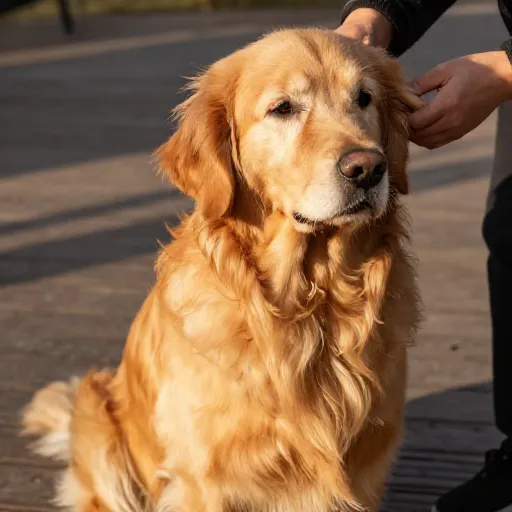
If you’ve noticed your older pup scratching more than usual, licking their paws obsessively, or giving off that distinct “Fritos” smell, you’re not alone. Yeast infections on the skin are incredibly common in senior dogs, and they can turn a happy, comfortable retirement into a miserable, itchy mess.
I remember when my own senior lab mix started getting those dark, scaly patches on her belly. The vet said it was a yeast overgrowth, and honestly, it felt overwhelming at first. But here’s the good news: with the right approach, you can get this under control fast and make your best friend feel comfortable again.
This guide is all about practical, senior-friendly solutions. We’re going to talk about what causes this, how to spot it, and the fastest ways to calm that itchy skin without stressing out an older dog’s system.
First, Why Are Senior Dogs Prone to Yeast Overgrowth?
As dogs age, their immune systems naturally slow down. It’s not that they are sick, it’s just that their bodies don’t bounce back as quickly as they used to. This slower response can allow the yeast that naturally lives on their skin to multiply out of control.
Senior dogs are also more likely to have underlying conditions like arthritis or hormonal imbalances. These can change the skin’s pH and oil production, creating the perfect environment for yeast to thrive. If your dog is on medication for chronic pain, that can also shift their gut flora, which often shows up on the skin.
Understanding this shift is key. It’s not about being a bad pet parent; it’s about adapting your care routine to match their older body’s needs.

Look for These Tell-Tale Signs on Your Older Dog
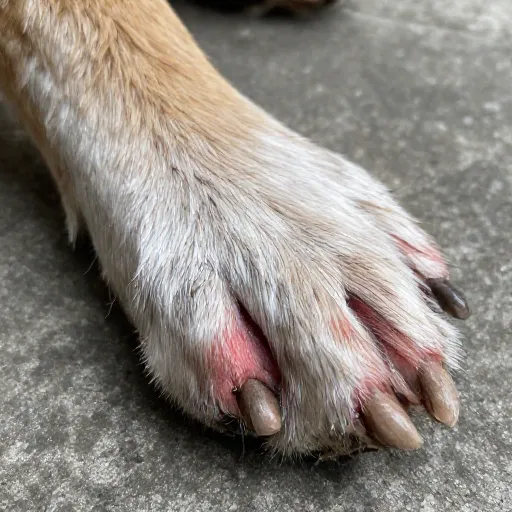
Yeast isn’t always obvious. It often hides in skin folds, between toes, and in the armpits. You’ll want to check those warm, moist spots first.
Common signs include:
- Smell: A musty, sweet, or corn-chip odor that doesn’t go away with a bath.
- Skin color: A darkened, pinkish, or grayish tint to the skin, often on the belly or groin.
- Texture: Skin that feels thick, leathery, or looks like elephant skin in severe cases.
- Behavior: Constant licking, chewing, or rubbing against the furniture.
If you see any of these, don’t panic. But do start a targeted plan to stop the itch before they cause open sores.
Cut the Carbs: Rethink Their Food Bowl
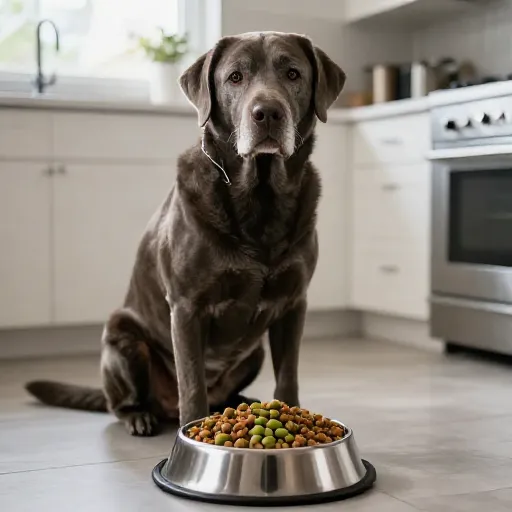
Yeast feeds on sugar and simple carbohydrates. Many commercial dog foods are packed with fillers like white rice, potatoes, or wheat, which basically fuel the fire for a yeast-loving pup.
For a senior dog, I know you don’t want to make huge dietary changes quickly, but a slow switch to a low-carb, high-protein diet can make a massive difference. Look for foods that list meat (like chicken, beef, or fish) as the first ingredient, and avoid starchy veggies.
You don’t have to go raw or homemade unless you want to, but just being a label detective and swapping out the grain-heavy kibble can starve the yeast and stop the itching at the source.
Apple Cider Vinegar: Your New Best Friend
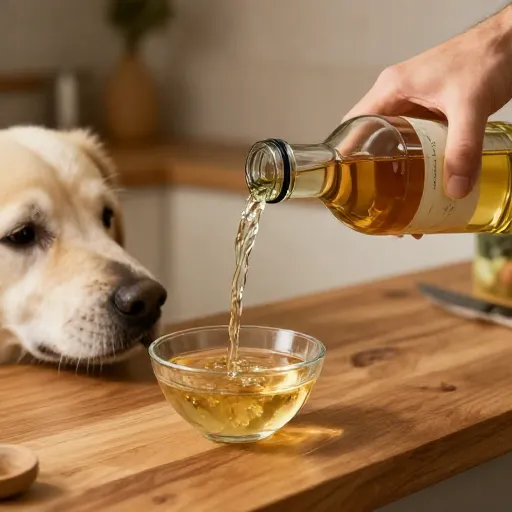
Apple cider vinegar (ACV) is a fantastic, gentle remedy for senior dogs because it helps balance the skin’s pH. Yeast hates an acidic environment, so a simple rinse can bring quick relief.
Mix one part raw, unfiltered ACV with two parts warm water. Use a soft cloth or spray bottle and gently wipe down the affected itchy spots. Important: Do not apply this to open wounds or raw skin, as it will sting. Only use it on intact skin.
You can also add a splash of ACV to their drinking water (about a teaspoon for a large dog) to help balance their system from the inside out. Just make sure they drink it, so offer fresh water alongside it.
Soothing Oatmeal and Baking Soda Baths
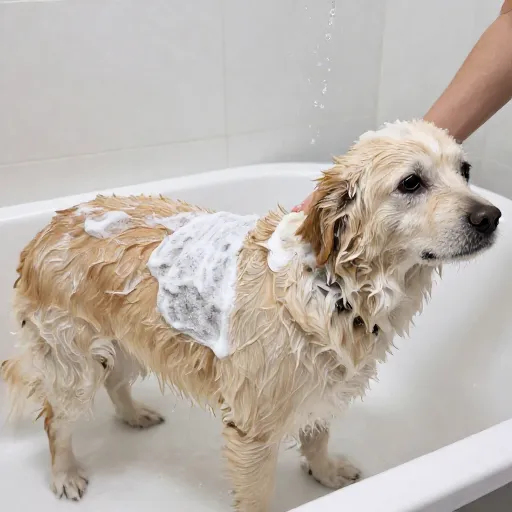
For immediate itch relief, a lukewarm bath is your go-to. It doesn’t have to be fancy, but it does have to be soothing. Heat can irritate yeast, so always use cool or lukewarm water, never hot.
You can grind plain, unflavored oatmeal into a fine powder and mix it into the bathwater. Let your senior pup soak for about five to ten minutes. This calms inflamed skin and breaks the itch-scratch cycle.
Alternatively, a few tablespoons of baking soda in the bathwater can neutralize odors and provide gentle relief. Just make sure to rinse them thoroughly afterward, and dry them completely, especially in those skin folds. Yeast loves moisture, so drying is half the battle.
The Magic of Coconut Oil (Inside and Out)
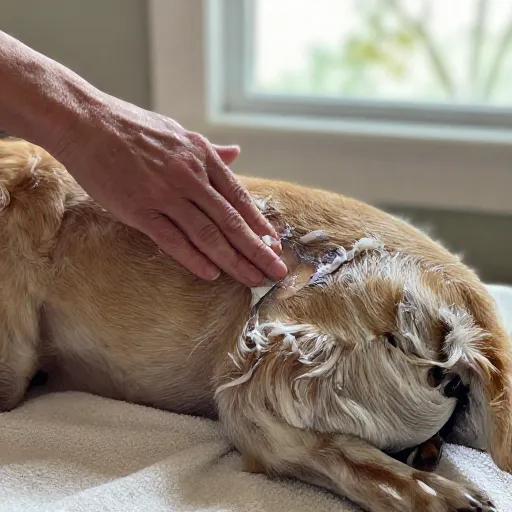
Coconut oil is a triple threat: it’s antibacterial, antifungal, and incredibly moisturizing. For a senior dog with dry, flaky skin, this is a lifesaver.
You can apply a thin layer of solid coconut oil directly to the irritated patches. It will melt on contact and absorb into the skin. It’s safe if they lick it, too, which is a huge plus for those obsessive lickers.
Adding a small spoonful to their food can also boost their immune system and improve their coat from the inside. Start with a tiny amount (like a quarter teaspoon for small dogs, a full teaspoon for big ones) to avoid tummy upset.
Keep Those Skin Folds Clean and Dry
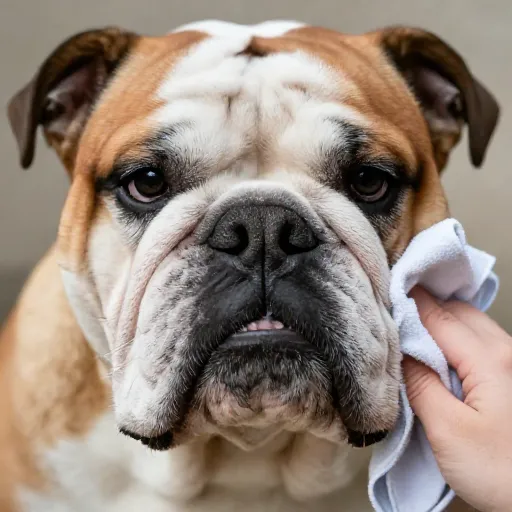
Senior dogs often have more wrinkles or floppy ears that trap moisture. Those adorable features are basically a spa for yeast. You’ll need to become a professional dryer.
After any walk, bath, or even a heavy drinking session, take a soft, dry cotton cloth and gently blot their skin folds. Don’t rub; just pat them dry. Pay special attention to the lip folds, armpits, and between the toes.
You can also use a little bit of cornstarch (not talcum powder) on dry skin folds to keep them from chafing and staying damp. This is a simple, cheap way to prevent flare-ups before they start.
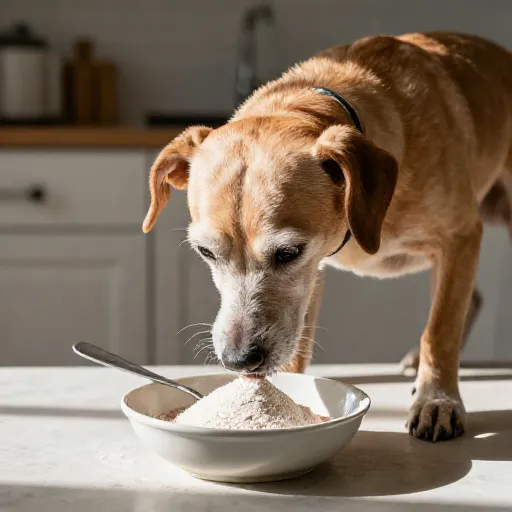
Probiotics Are a Senior Dog’s Best Friend
Since yeast often starts in the gut, restoring good bacteria is vital. Senior dogs, especially those on antibiotics or steroids, need that healthy gut flora to fight off the yeast overgrowth.
You can buy dog-specific probiotic powders that you sprinkle on their food. These are generally safe and easy to digest. You can also offer plain, unsweetened yogurt or kefir (a fermented milk drink) if your dog tolerates dairy.
Give it a couple of weeks to see the full effect. You’ll likely notice less itching and better digestion overall. A healthy gut means a healthier, less itchy senior pup.
When to See the Vet for Prescription Help
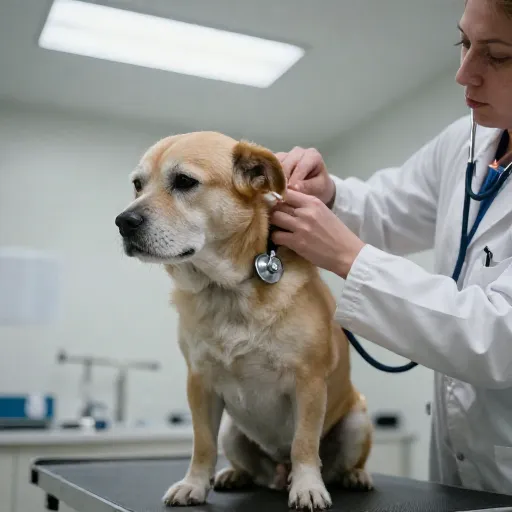
Home remedies are fantastic for mild cases, but if your dog’s skin is bleeding, weeping, or has a foul odor, it’s time to call the vet. Senior dogs can get secondary bacterial infections on top of the yeast, which need stronger treatment.
Your vet might prescribe an oral antifungal medication or a medicated shampoo. These work fast, but they can be tough on the liver, so always do bloodwork first for a senior dog to ensure they can handle it.
Don’t feel like you failed if you need help. Sometimes, the quickest path to comfort for a senior dog is a combination of prescription meds and your at-home care. It’s about making them comfortable, not about doing it all yourself.
Simple Daily Habits to Prevent Future Flare-Ups
Once you’ve got the itch under control, you want to keep it that way. Consistency is your best tool when caring for an older dog. You don’t need to do anything drastic, just build a small routine.
Try to wipe their paws with a dry cloth after every walk to remove allergens and moisture. Brush their coat daily to improve air circulation to the skin and remove loose fur that can trap humidity.
Also, make sure their bedding is washed weekly in hot water. This removes yeast spores and dust mites that can trigger a relapse. A clean environment is just as important as a clean dog.
Conclusion
Dealing with a yeast infection in a senior dog is frustrating, but it is absolutely manageable. You don’t have to let your best friend suffer through an itchy, uncomfortable retirement. By combining the right diet, gentle topical care, and a strict drying routine, you can stop the flare-up fast and keep them feeling great.
Remember, every dog is different. What works for one might not work for another, so be patient and observant. Your senior dog has given you years of love and loyalty; now it’s your turn to give them the comfort they deserve in their golden years. You’ve got this!
Frequently Asked Questions
Can I use human anti-fungal cream on my dog?
Generally, yes, but with caution. Over-the-counter creams like clotrimazole or miconazole are safe in small amounts, but you must stop your dog from licking it off. Use an Elizabethan collar or apply it right before a meal to distract them. Always avoid creams with hydrocortisone unless directed by your vet, as it can thin senior skin.
Is a yeast infection contagious to humans?
No, the specific type of yeast that affects dogs (Malassezia) is not contagious to humans. You won’t catch it from them. However, if you have a compromised immune system, it’s always good practice to wash your hands after handling your dog, just as a general hygiene rule.
How long does it take for home remedies to work?
You should see a reduction in itching within 3 to 5 days of starting topical treatments like vinegar rinses or coconut oil. The skin color and smell will take longer to improve, usually 2 to 3 weeks. If you don’t see any improvement in a week, it’s time to see the vet.
Can I give my senior dog Benadryl for the itching?
Benadryl (diphenhydramine) can help with itching, but it’s mainly for allergies. It won’t kill the yeast, but it can break the itch cycle so they don’t cause more damage. Always check with your vet for the correct dose, as it can make older dogs sleepy or, sometimes, overly hyper.
Are there any foods I should absolutely avoid?
Yes, avoid anything with high sugar content (like sweet potatoes, carrots, or fruit) and simple carbs like white rice or wheat. Also, avoid giving them treats with added sugar or artificial flavors. Stick to single-ingredient meat treats like freeze-dried chicken or beef liver.